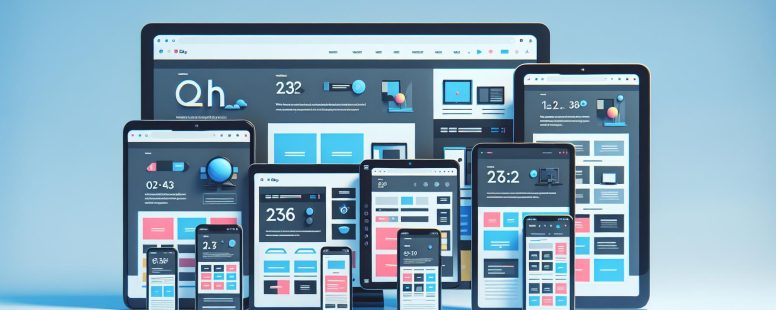
Ever found yourself tweaking a website’s design, only to be stumped by the choice between px and em? You’re not alone. This common dilemma affects not just the look of your site but its accessibility and user experience too. Surprisingly, many seasoned designers still mix up the two, leading to less than optimal page layouts.
Understanding the difference between px (pixels) and em (a unit relative to the font-size of the element in question) is crucial for crafting responsive designs that adapt seamlessly across devices. This article will guide you through the nuances of px and em, helping you make informed decisions that enhance your site’s functionality and appeal. Immerse to elevate your design game and ensure your website stands out in the digital crowd.
Understanding the Basics of CSS Units
In the area of web design, knowing the right CSS units to use like px and em is essential for crafting responsive, visually appealing websites. This section delves into the what, why, and how of using px and em units, equipping you with the knowledge to make informed decisions that enhance your site’s design and functionality.
What Are PX Units?
Pixels (px) represent the building blocks of digital screens, serving as the most basic measurement unit in web design. Defined as the smallest visual unit that a screen can display, px units are fixed-size units, meaning they’ll appear as the same size regardless of any underlying settings like screen size or resolution. For example, if you set a font size to 16px, it will remain 16 pixels tall, offering a consistent visual experience across different devices.
But, the fixed nature of pixels also means less flexibility. In an era where screen sizes vary from small smartphones to large desktop monitors, designing solely with px can lead to issues in scalability and readability. Even though this, using px is ideal for when precision is key, such as defining border thickness or setting the exact size of an element.
What Are EM Units?
EM units, on the other hand, are relative units of measurement used in the design of scalable and responsive websites. The size of 1em is dynamically calculated based on the font size of a parent element, allowing for greater flexibility and adaptability in your designs. For instance, if the font size of a parent element is set to 20px, 1em within that element equals 20px.
This relativity makes em units especially powerful for responsive design. Adjusting the font size on a parent element automatically scales all child elements sized in ems, facilitating a cohesive look across various device screens. EM units allow elements to scale proportionally, ensuring your design maintains its integrity no matter the viewing context.
Utilizing em units effectively requires a good understanding of your website’s hierarchical structure and how elements inherit size from their parents. This understanding promotes a consistent, accessible, and visually pleasing experience for users, regardless of how they access your site.
By leveraging the strengths of both px and em units in your web designs, you can achieve the perfect balance between consistency and flexibility. This balance is crucial for creating websites that both look great and function optimally across a wide range of devices and screen sizes.
The Pros and Cons of Using PX
Understanding the nuances of CSS units like pixels (px) can significantly influence your web design’s effectiveness, especially in terms of consistency and responsiveness. This section highlights the advantages and limitations of using px in web design, following the contextual flow from understanding px as a fixed-size unit ideal for precision but less flexible in scalability.
Advantages of PX in Web Design
Precision in Design: Pixels offer a high level of detail and control, making them perfect for setting exact dimensions. When elements like images, borders, and text require strict adherence to design specs, px is your go-to unit. This precision ensures that your design remains consistent across different platforms.
Ease of Use: For many designers, especially those new to web development, px is intuitive and straightforward to carry out. Since it’s a widely used standard, resources and tools often default to pixels, simplifying the design process.
Cross-browser Compatibility: Pixels have excellent support across all major browsers, ensuring that your design appears as intended, regardless of the user’s browser choice. This compatibility is crucial for maintaining a uniform experience.
Support for High-Resolution Displays: With advancements in display technology, using pixels can help your designs shine by taking advantage of high-resolution screens. Crisp visuals and sharp text improve readability and user engagement.
Limitations of PX for Responsive Design
Lack of Flexibility: The biggest drawback of using px is its inflexibility in responsive design. Fixed-size units don’t adjust to the user’s screen size or resolution, which can lead to a less optimal viewing experience on devices with smaller screens, such as smartphones.
Accessibility Concerns: Fixed-size units like pixels may not always accommodate users’ preferences or needs, such as larger text for readability. This lack of adaptability can contribute to accessibility issues, making your website less inclusive.
Increased Maintenance Effort: Relying solely on pixels requires more effort to maintain and update your website for various devices and screen sizes. You might find yourself creating multiple versions of the same design to ensure it looks good on all devices, which is time-consuming and inefficient.
By weighing these pros and cons, you’re better equipped to decide when and how to use px in your web design projects. Integrating pixels with relative units, such as em, can offer a balanced approach, ensuring precision where needed while maintaining flexibility and responsiveness. This strategy allows you to leverage the strengths of px in web design, overcoming its limitations for responsive and accessible websites.
The Advantages and Disadvantages of EM
In the area of website design, understanding the nuances of CSS units, such as pixels (px) and ems, is pivotal for crafting responsive and accessible websites. Given your insights into pixels, it’s essential to explore the em unit’s unique benefits and challenges to make informed decisions in your design projects.
Benefits of Using EM in CSS
Scalability and Responsiveness:
The primary advantage of using em units is their scalability. Unlike pixels, which are static, em units are relative to the font size of their parent elements. This characteristic makes ems exceptionally useful for creating designs that adjust seamlessly across different devices and screen resolutions. For instance, when a user adjusts their browser’s font size settings for accessibility, elements sized in em units will scale proportionately, enhancing the user experience.
Enhanced User Experience:
Using em units contributes to a better overall user experience by improving readability and accessibility. By allowing text and related elements to scale based on user preferences or device settings, em units ensure that your website remains usable and legible across various conditions. This adaptability is crucial for reaching a wider audience, including those with visual impairments who rely on custom font sizes to navigate the web effectively.
Challenges Associated with EM Units
Complexity in Calculations:
One of the significant challenges of using em units is the complexity in calculations. Because em units are relative, the size of an element in ems can change based on the font size of its parent element. This nested dependency can lead to intricate calculations, especially in deeply nested HTML structures. To mitigate this, you might need to meticulously plan your site’s typographic hierarchy or employ tools like CSS preprocessors to manage complex calculations.
Inconsistent Parent Element Sizes:
Another obstacle with em units arises from potential inconsistencies in parent element sizes. If different sections of your page have varying font sizes set for their parent elements, this can lead to discrepancies in how em-sized elements appear across your website. Ensuring consistency requires a disciplined approach to setting base font sizes and might involve additional CSS rules to normalize sizes before applying em units.
To conclude, em units offer substantial benefits in creating responsive, accessible websites but come with challenges that require careful consideration and planning. By understanding these nuances, you can leverage em units effectively, striking the perfect balance between flexibility, scalability, and consistency in your web design projects.
PX vs EM: Comparison for Web Developers
Understanding the difference between px and em units is crucial for web developers aiming to create responsive and accessible websites. This section delves into when to use px over em and vice versa, providing clear guidelines to enhance your web design strategy.
When to Use PX Over EM
Pixels (px) are absolute units that offer precision in your design. They’re best used in scenarios where:
Fixed Layouts: For designs that require exact measurements and don’t need to adjust for different screen sizes, px is the ideal choice. Examples include logos and button sizes that remain consistent across devices.
High Precision Design Elements: When you need to ensure that text and elements are exactly a certain size, regardless of user settings or device screen sizes, px units provide that level of control.
Desktop-Centric Applications: In situations where your primary audience uses desktop computers with similar screen resolutions, px units can simplify the design process without compromising on user experience.
Utilizing px units in these scenarios ensures that your design elements stay consistent, providing a uniform look across different parts of your website.
When EM is the Better Choice
Em units are relative to their parent element’s font size, making them a versatile choice for responsive design. Here’s when em units outshine px ones:
Scalable Layouts: Em units allow elements to scale based on the user’s default browser settings and device. This adaptability is essential for text-heavy pages or where accessibility is a priority.
Responsive Typography: Em units enable typography to adjust based on screen size or parent element, ensuring legibility across devices. For example, adjusting the font size of paragraphs within an article to improve readability on mobile devices.
Modular Design Components: When creating components that should scale based on their container or the global font size, em units offer the flexibility needed. This is particularly useful for widgets and modular sections that might appear in different contexts across your website.
By choosing em units in these scenarios, you enhance the user experience, making your website accessible and enjoyable to navigate on any device. Em units promote a fluid design that adjusts to users’ needs, leading to higher engagement and satisfaction.
By understanding and applying these guidelines, you can make informed decisions about when to use px or em units in your web development projects. This knowledge empowers you to create designs that are both beautiful and functional, catering to the vast array of devices and user preferences today.
Practical Examples in Web Design
Understanding the difference between px and em units is key to mastering web design. In this section, you’ll discover practical examples that illustrate when and how to use px and em in your web projects. These insights are grounded in the overarching goal of achieving responsive and accessible websites.
Implementing PX in Fixed-Layout Design
Pixels (px) serve as the backbone of fixed-layout designs, where precision and consistency are paramount. For instance, when defining the width of a sidebar that should remain consistent across various devices, px units ensure that your design adheres to exact specifications. Consider a navigation menu with a fixed width of 200px. No matter the screen size, this element retains its dimensions, providing a stable component in your design’s architecture.
Another scenario where px shines is in creating high-definition graphics. When integrating images or icons that require alignment to a grid or specific placement, specifying dimensions in px can prevent scaling issues, ensuring your visuals look crisp on any display.
Using EM in Fluid Layouts and Typography
In contrast, em units excel in fluid layouts and typography, where scalability and relative sizing fortify the design’s responsiveness. Em units are particularly effective for typography, ensuring that text remains legible and aesthetically pleasing across different devices. For example, setting the body font size to 16px and defining all font-size declarations in em allows for a scalable typography system. If a heading needs to be 1.5 times the body text size, specifying it as 1.5em makes it directly proportional to the body text, regardless of the device it’s viewed on.
Besides, em units empower the creation of fluid layouts that adapt seamlessly to the user’s screen size. By setting container widths, padding, and margins in em, you ensure that these elements scale in harmony with the text size, enhancing the overall readability and user experience. For instance, a container with padding set to 2em will maintain its relative spacing around the text, adapting as the text size increases or decreases based on user preferences or screen sizes.
Summarising, choosing between px and em depends on your project’s needs. For elements requiring absolute precision, px is your go-to. But, for adaptive and scalable designs, em units offer the flexibility and responsiveness needed to cater to a wide array of devices and user settings. By strategically applying these units to your web design projects, you’ll enhance the functionality and aesthetic of your websites, ensuring they meet the diverse needs of today’s web users.
The Impact of User Preferences and Accessibility
When you’re designing a website, understanding the distinction between px (pixels) and em units grows increasingly critical, particularly in the realms of user experience (UX) and accessibility. This differentiation not only influences the aesthetic aspect of a website but significantly affects its usability and accessibility across various devices and for users with diverse preferences and needs.
How PX and EM Affect User Experience
Utilizing px and em units judiciously influences how users perceive and interact with your website. Since px units are absolute, they provide a consistent and precise measurement for static elements, offering clarity and detail in high-definition displays. For example, icons and borders defined in px won’t scale with changes in screen size, ensuring their sharpness and readability across devices.
On the other hand, em units are relative to the font-size of the parent element, making them ideal for fluid and responsive designs. Employing em allows text and components to adapt seamlessly to the user’s screen size or browser settings, enhancing readability and interaction. For instance, if a user has a high screen resolution or modifies their browser settings to enlarge text for better visibility, elements sized in em will adjust proportionally, facilitating a more personalized and accessible user experience.
Accessibility Considerations in Unit Choice
The choice between px and em units extends beyond visual design to embrace accessibility considerations. Accessibility in web design ensures that all users, including those with disabilities, can effectively navigate and comprehend your website.
Text Resize: Users with visual impairments often rely on browser capabilities to modify text size for easier reading. Components defined in em units scale accordingly when text size adjustments are made, whereas px-specified text remains unchanged. This feature of em units is crucial for maintaining text legibility and usability under varying user settings.
Screen Readers and Navigation: Accessible websites cater to users dependent on assistive technologies like screen readers. The scalable nature of em-based layouts ensures that these technologies can accurately interpret and relay information to users, thereby improving navigational ease and comprehension.
Responsive Design: A key component of web accessibility is responsive design, which ensures that your site’s content and layout adjust to suit different device sizes and orientations. Em units inherently support responsive design by allowing elements to resize based on parent or root element sizes, so accommodating a wider range of devices and screen sizes without compromising functionality or aesthetic.
Incorporating both px and em units in your web projects involves striking a balance between fixed layout precision and responsive flexibility. By understanding and applying these measurement units effectively, you can enhance your website’s user experience and accessibility. This approach not only meets diverse user preferences but also adheres to best practices in web design, ensuring your site is welcoming and usable for everyone.
Conclusion
Choosing between px and em is more than just a technical decision; it’s about crafting an optimal user experience and ensuring your website is accessible to everyone. Remember, pixels are your go-to for that crisp, fixed layout, while ems are the champions of flexibility, making your designs adaptable across a myriad of devices. By understanding the strengths and limitations of each, you’ll be better equipped to make informed decisions that align with your design goals. So, as you move forward, consider the impact of your unit choices on responsiveness and accessibility. It’s not just about making your site look good; it’s about making it usable and enjoyable for all your visitors.
To provide the best experiences, we use technologies like cookies to store and/or access device information. Consenting to these technologies will allow us to process data such as browsing behaviour or unique IDs on this site. Not consenting or withdrawing consent, may adversely affect certain features and functions.
Functional
Always active
The technical storage or access is strictly necessary for the legitimate purpose of enabling the use of a specific service explicitly requested by the subscriber or user, or for the sole purpose of carrying out the transmission of a communication over an electronic communications network.
Preferences
The technical storage or access is necessary for the legitimate purpose of storing preferences that are not requested by the subscriber or user.
Statistics
The technical storage or access that is used exclusively for statistical purposes.The technical storage or access that is used exclusively for anonymous statistical purposes. Without a subpoena, voluntary compliance on the part of your Internet Service Provider, or additional records from a third party, information stored or retrieved for this purpose alone cannot usually be used to identify you.
Marketing
The technical storage or access is required to create user profiles to send advertising, or to track the user on a website or across several websites for similar marketing purposes.