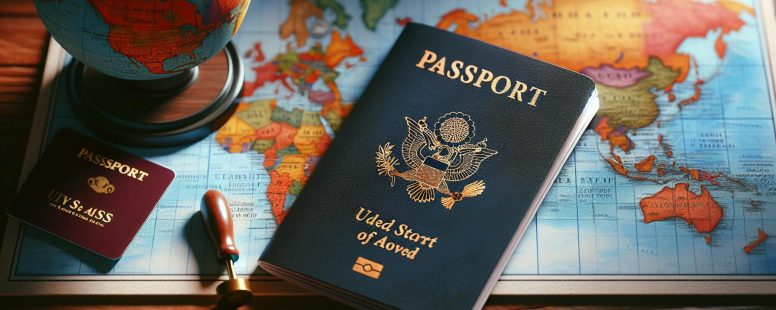
Picture this: you’re planning your next adventure, passport application in hand, and suddenly you’re faced with a choice—passport book or passport card. It’s a decision that might seem straightforward, but understanding the difference could save you time, money, and unnecessary stress down the road. Both options unlock doors to international travel, but they’re designed for very different purposes.
Whether you’re dreaming of a beach getaway in the Caribbean or a quick road trip across the Canadian border, knowing which option fits your travel style is key. Each comes with its own perks and limitations that can impact how and where you travel. So, how do you decide which one suits your needs? Let’s break it down and make sure you’re prepared for wherever your wanderlust takes you.
Overview Of Passport Options
When choosing between a passport book and a passport card, understanding their specific purposes helps make the choice clearer. Both options are issued by the U.S. Department of State and are valuable for international identification.
What Is A Passport Book?
A passport book serves as a universal travel document and allows international travel by air, land, or sea. Its versatility makes it suitable for most travel scenarios. This book includes a cover, blank visa pages, and personal identity details, making it valid for obtaining visas in various countries.
The passport book fits travel to over 190 countries, accommodating a broader range of destinations. If you’re flying internationally, only the passport book fulfills the entry and exit requirements.
What Is A Passport Card?
A passport card is a smaller, wallet-sized document designed for select travel situations. It’s valid for re-entry into the U.S. by land or sea from Bermuda, Canada, the Caribbean, or Mexico but not for air travel. Offering convenience, it suits frequent cross-border travelers who use these routes.
It also serves as a domestical identification in the U.S. Although it doesn’t replace a Real ID, the card provides an alternative form of government-issued ID for certain purposes.
Key Differences Between Passport Book And Card
Understanding the distinctions between a passport book and a passport card helps clarify which option aligns with your travel needs. Both serve different purposes, covering varying use cases for international and domestic travel.
Design And Size
The passport book looks like a small booklet, featuring pages for visas, stamps, and other travel documentation. It measures approximately 5 x 3.5 inches, making it a larger and more robust option for frequent international flyers. The passport card, on the other hand, resembles a standard credit card in size, approximately 3.37 x 2.125 inches, and fits easily into your wallet for convenience. The book’s design allows for more travel-related content, while the card’s compact structure is ideal for minimalists.
Cost And Fees
The cost of a passport book is higher than that of a passport card. For first-time applicants aged 16 and older, the book costs $165, while the card is $65. If you’re looking to obtain both simultaneously, the combined fee is $225. Renewals also reflect this pricing difference; renewing the book costs $130 compared to $30 for the card. Choosing depends on your budget and travel preferences.
Option
First-Time Fee
Renewal Fee
Combined Fee
Passport Book
$165
$130
$225
Passport Card
$65
$30
$225
Travel Restrictions
The passport book supports global travel, whether by air, sea, or land. It’s valid for entry into over 190 countries. The passport card, but, restricts your options. It’s only valid for land or sea entry into the U.S. from Canada, Mexico, Bermuda, or Caribbean countries—it cannot be used for air travel. If your trips involve multiple international flights, the book is essential.
Validity And Renewal
Both the passport book and card share the same validity period—10 years for adults and 5 years for minors. Renewal processes differ slightly. The book requires mailing your application with fees, while the card’s renewal process is quicker due to fewer issuance complexities. Ensure you renew yours on time to avoid issues at border crossings.
When To Choose A Passport Book
A passport book is essential for certain types of international travel. It’s the preferred choice for global travelers seeking maximum flexibility and convenience.
Best Scenarios For International Travel
Choose a passport book if your travel involves flights to countries outside the U.S. It qualifies for air travel, unlike the passport card, and is acceptable in over 190 countries worldwide. For instance, if you’re planning trips to destinations like Japan, France, or South Africa, the book ensures access without restrictions.
Use the book for international cruises where ports fall beyond the passport card’s scope, such as Mediterranean voyages or expeditions in Asia. If you often visit diverse destinations or intend to explore multiple regions during one journey, the passport book offers comprehensive coverage.
If unexpected travel arises or you’re unsure of your plans, rely on the book to avoid being restricted by entry or transport limitations.
Additional Uses Beyond Travel
A passport book serves as a valid and recognized form of identification. It can verify your identity in situations like opening a bank account or passing through secure areas when other IDs aren’t accepted.
Certain visas, such as work or student visas, demand a passport book. For extended stays or official relocations abroad, the book is indispensable.
Some international services, like global VIP lounges or international driver’s licenses, may favor a passport book due to its universal acceptance.
When To Choose A Passport Card
The passport card provides a compact and cost-effective alternative for specific travel and identification needs. It offers unique advantages for particular situations.
Ideal For Border Travel
A passport card is best suited for land or sea entry into the U.S. from neighboring countries, such as Canada, Mexico, Bermuda, and the Caribbean. For example, if you’re driving to Canada for a family vacation or boarding a ferry from Mexico, the card simplifies the re-entry process. But, it cannot be used for international air travel, limiting its versatility.
Frequent border commuters may find the passport card particularly convenient. Its credit card-sized design fits effortlessly into wallets, making it easy to carry during day-to-day cross-border trips. For residents living near borders, like in southern California or northern New York, this ease of access can be invaluable.
Everyday Identification Benefits
The passport card doubles as a valid federal ID within the U.S. It’s accepted in many situations, like passing TSA checkpoints for domestic flights or verifying identity for job applications. Its smaller size and durability make it appealing for everyday use compared to the bulkier passport book.
If you often need to prove your identity for federal purposes but don’t travel internationally by air, the card acts as a practical alternative. For instance, it can serve as identification for domestic cruises, saving you from carrying a passport book unnecessarily. Its durability ensures it withstands wear and tear, unlike paper-based identification documents.
Pros And Cons Of Each Option
Choosing between a passport book and passport card greatly depends on your travel habits, destinations, and identification needs. Understanding the advantages and limitations of each option helps you make an well-informed choice.
Advantages Of Passport Book
Global Accessibility: The passport book grants access to over 190 countries for travel by air, land, or sea. For instance, it’s essential for flights to Europe, Asia, or South America, offering unparalleled versatility.
Wider Acceptance: Many international services, like applying for tourist visas or accessing airport lounges, accept only passport books, making them indispensable for frequent travelers.
Storage of Stamps & Visas: Its booklet format allows additional pages for visas and entry or exit stamps, proving beneficial for long-term travelers or those visiting countries that require visa-on-arrival.
Identity Verification: It serves as a valid federal ID domestically, ensuring its utility extends beyond travel needs. For example, you may use it to open financial accounts or other legal processes.
Advantages Of Passport Card
Compact Design: The wallet-sized card is easy to carry daily, offering convenience for frequent travelers near U.S. borders. Cross-border commuters traveling between the U.S. and Canada or Mexico often favor its portability.
Cost-Effective: At $65 for a first-time applicant, the card is less expensive than the $165 book, reducing expenses for those with limited travel needs.
Land And Sea Travel: It’s best suited for land or sea re-entry into the U.S. from specific countries, including the Caribbean and Bermuda. Residents near these regions benefit financially and logistically.
Durable Alternative for ID: The card functions as a federal ID for domestic flights, job applications, or age verification, offering a practical option for everyday use.
Air Travel Constraints: The passport card isn’t valid for international air travel, restricting your choices if traveling beyond North America and nearby regions.
Limited Validity Period: Both documents offer 10-year validity for adults and only 5 years for minors, requiring periodic renewal, which may be inconvenient for some.
Geographical Restrictions: While the book allows worldwide access, the card limits your entry to select countries by land or sea, leaving global frequent flyers without coverage.
Cost Differences: Even though its affordability, the card’s limitations make it unsuitable for broader purposes, compelling many global travelers to opt for the pricier book instead.
Understanding these differences ensures you’re selecting the right option based on your travel and identification needs.
Conclusion
Choosing between a passport book and a passport card comes down to your travel habits and identification needs. Whether you’re a global traveler seeking versatility or someone who frequently crosses nearby borders, understanding the unique benefits of each option ensures you’re prepared for every journey. Evaluate your plans carefully to make the choice that best supports your lifestyle and travel goals.
To provide the best experiences, we use technologies like cookies to store and/or access device information. Consenting to these technologies will allow us to process data such as browsing behaviour or unique IDs on this site. Not consenting or withdrawing consent, may adversely affect certain features and functions.
Functional
Always active
The technical storage or access is strictly necessary for the legitimate purpose of enabling the use of a specific service explicitly requested by the subscriber or user, or for the sole purpose of carrying out the transmission of a communication over an electronic communications network.
Preferences
The technical storage or access is necessary for the legitimate purpose of storing preferences that are not requested by the subscriber or user.
Statistics
The technical storage or access that is used exclusively for statistical purposes.The technical storage or access that is used exclusively for anonymous statistical purposes. Without a subpoena, voluntary compliance on the part of your Internet Service Provider, or additional records from a third party, information stored or retrieved for this purpose alone cannot usually be used to identify you.
Marketing
The technical storage or access is required to create user profiles to send advertising, or to track the user on a website or across several websites for similar marketing purposes.