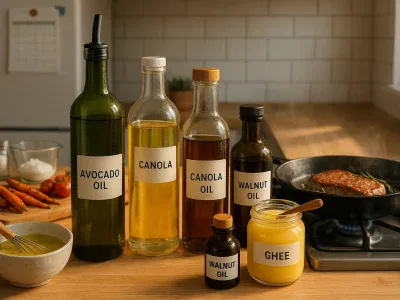
Picture the golden stream of oil cascading over a crisp salad or sizzling in a pan—rich, aromatic, and almost magical. But as you reach for that familiar bottle, do you ever wonder if you’re truly tasting the best nature has to offer? The world of olive oil holds secrets that can transform your cooking and even boost your well-being in unexpected ways.
Choosing between regular olive oil and extra virgin isn’t just about taste—it’s about unlocking a spectrum of flavors, health perks, and culinary possibilities. Jump into the subtle differences and you’ll discover how the right oil can elevate your dishes from ordinary to unforgettable, all while nourishing your body with hidden benefits you might not expect.
What Is Olive Oil?
Olive oil, a staple in Mediterranean kitchens, emerges from the fruit of the Olea europaea tree. You taste it in salad dressings, witness its shimmer in sauté pans, and spot it lining grocery shelves in shimmering bottles. Picture a bustling open-air market in Seville, where vendors drizzle liquid gold onto fresh tomato bread—this’s your first introduction to olive oil’s cultural gravity.
Extraction methods shape olive oil’s character. Producers typically blend cold-pressed olive juice with processed oil using heat and chemical solvents. This step pulls more oil from olives but sometimes, it sacrifices aroma and nutrients (International Olive Council, 2023). You might wonder, “Does this mean olive oil’s always inferior?” not necessarily. Standard olive oil, often labeled “pure” or simply “olive oil,” offers neutral flavor and higher smoke point than extra virgin examples, making it a favorite for high-heat cooking.
Picture you’re frying aromatic onions for risotto. Standard olive oil’s milder flavor smoothy lets herbs and rice shine. But how do you spot it? Bottles may say “refined,” “light,” or “pure,” yet these terms usually refer to processing, not calories or quality..
Debate around health effects generates interest. While some nutritionists point to olive oil’s heart-friendly unsaturated fats—Harvard T.H. Chan School of Public Health finds that regular intake correlates with lower risk of cardiovascular events—others asks if the refinement process strips key antioxidants and polyphenols, such as oleuropein and hydroxytyrosol. Could this make regular olive oil less potent than its extra virgin cousin? The jury’s out, with ongoing studies inviting new insight.
Olive oil serves as both seasoning and story, blending culinary tradition with modern convenience. Its gentle taste, widespread availability, and versatile uses makes it an essential ingredient in everyday kitchens—whether you’re roasting potatoes, tossing pasta, or just dipping warm bread. why some pasta sauces glisten while others look flat? Olive oil’s the unsung hero behind that rich, inviting finish.
What Is Extra Virgin Olive Oil?
Extra virgin olive oil refers to the highest grade from the Olea europaea tree’s fruit, celebrated for its vivid flavor and aroma. You open a bottle, and instantly, the grassy scent rushes out, reminiscent of sun-drenched groves in Tuscany. Unlike regular olive oil, which undergoes chemical refining, extra virgin is produced solely by mechanical extraction—never touched by solvents or heat above 27°C (about 80°F). This method ensures that you get untouched flavors and nutrients, with polyphenol content as high as 200–800 mg/kg, according to the International Olive Council.
Consider a chef drizzling extra virgin olive oil over heirloom tomatoes—the vibrant green hue, peppery finish, and balanced acidity elevate a salad like a maestro leading an orchestra. Would a refined oil do the same? Probably not, since refining strips away most flavor, antioxidants, and vitamin E.
Certified extra virgin standards require free acidity below 0.8%. If you find labels that just say “olive oil,” you’re getting a blend—one where flavor’s been subdued, and nutrients have vanished. Extra virgin, though, embodies authenticity. Each drop carries terroir: that is, the soil, microclimate, and harvest.
Some argue extra virgin’s price isn’t justified—after all, the bottle sits next to plain oil on the shelf. But can you taste the bite of raw artichoke or green almond notes in standard olive oil? Doubtful. In blind tests done by The North American Olive Oil Association, 83% of tasters identified extra virgin by its pungency and fruitiness alone. Real Italian grandmothers still swear by local pressings, using it as a finishing touch that transforms humble bread or beans.
Ask yourself: do you want everyday cooking fat, or do you want a drizzle of Mediterranean sunlight that sings in every bite? When you choose extra virgin olive oil, you’re not just seasoning, you’re telling a story about place, purity, and tradition—every pour reveals a history shaped by groves, hands, and centuries of taste.
Key Differences Between Olive Oil and Extra Virgin
Olive oil and extra virgin olive oil often appear side by side on store shelves, yet their journeys from grove to bottle diverge in striking ways. Knowing how they’re produced, what flavors they deliver, and which moments they shine in your kitchen helps you unlock their full potential.
Production Methods
Production methods for olive oil and extra virgin olive oil decide whether you taste the grove or just the grease. You get extra virgin by pressing olives mechanically, avoiding chemicals or heat, which means the oil keeps that unfiltered, sun-bathed essence. Standard olive oil, like that bottle at the back of the shelf, is usually refined with chemical solvents or high temperatures to neutralize flavor and mask defects. Think about cold-pressed juice versus reconstituted concentrate—the difference is not just in taste but in the wholeness of the product.
Certified extra virgin olive oil must meet the International Olive Council’s (IOC) strict standards—acidity below 0.8% and no taste defects (IOC, 2023). Regular olive oil, in contrast, can show up with acidity as high as 2% and often blends virgin and refined oils.
Flavor and Aroma
Flavor and aroma of extra virgin olive oil turns your dish from bland to symphonic. Pour fresh extra virgin over bread and you meet grassy, peppery, even floral notes—each batch tells a story from its region’s soil and climate. Standard olive oil, though, reminds you of a background character in a film—supporting but never distracting. It tastes neutral, subtle, and sometimes, entirely forgettable.
Why do chefs reach for extra virgin in finishing salads or drizzling atop soups? They crave that bold, fresh, green flavor that regular oil just can’t deliver. But for stir-frying or baking where a neutral presence is needed, refined olive oil steps in quietly.
Nutritional Value
Nutritional value can tip your decision when health matters most. Extra virgin olive oil retains more polyphenols and antioxidants—compounds linked to reduced heart disease risk, anti-inflammatory effects, and longevity, as seen in the PREDIMED study (Estruch et al., NEJM 2018). Standard olive oil loses many of these micronutrients in the refining process, so you end up with fewer beneficial phytochemicals.
A 2022 USDA comparison shows extra virgin offers more vitamin E and K than its refined cousin. The real-life impact? Think of Mediterranean elders who drizzle extra virgin over everything—some studies suggest their routine correlates with fewer cardiovascular events.
Smoke Point and Cooking Uses
Smoke point and cooking uses steer which oil turns up in your pan. Refined olive oil handles higher heat—about 465°F (240°C)—making it suitable for deep-frying or searing steak. Extra virgin, with a smoke point close to 375°F (190°C), prefers gentler treatments like sautéing or finishing. If you’ve seen olive oil smoking and turning acrid in your skillet, you’ve probably gone above its threshold.
Ironically, even though a lower smoke point, some chefs intentionally use extra virgin for its flavor, sprinting past convention for memorable results. Can you picture a classic Italian bruschetta made with anything less than a peppery, robust extra virgin drizzle?
Understanding these differences lets you pick the right olive oil for roasting vegetables, dressing leafy greens, or bringing Mediterranean flavor straight into your kitchen.
How to Choose the Right Oil for You
Navigating the aisle stacked with glass bottles, you’re probably thinking, “How can something as simple as oil have so many choices?” When deciding between olive oil and extra virgin, you’re not just picking a cooking fat—you’re selecting an ingredient that’ll shape the flavor, aroma, and nutritional profile of your meals. Taste becomes the first storyteller: drizzle extra virgin olive oil over ripe tomatoes and basil, and you’ll get that bold, grassy punch chefs rave about in Mediterranean kitchens. Regular olive oil, smoother and lighter, lets sautéed greens shine without overpowering their natural bite.
Think about your cooking style. Do you love slow roasting, high temp frying, or finishing pasta with a golden swirl? If you enjoy flash-frying shrimp or roasting veggies at 425°F, refined olive oil—thanks to its higher smoke point—keeps bitter notes at bay (Cleveland Clinic, 2022). But if you’re making a chilled gazpacho or want to dress quinoa, the peppery burst of extra virgin unlocks all the fresh, raw notes locked in olives.
Picture holiday tables in Seville, Spain, where families compare bottles by holding them to the light. Locals will say, “The greener, the grassier”—so color and aroma offer clues, but acidity can’t be guessed; authentic extra virgin has under 0.8% acidity (International Olive Council). Counterfeits abound, especially in mass-market bottles, so check for “PDO” or “PGI” on the label—these European marks guarantee origin and higher quality.
Maybe you’re thinking all the claims sound too slick. Some doctors argue its antioxidants—polyphenols, tocopherols—help fight inflammation (Harvard Health Publishing). Others, but, point out that refinement strips some bioactive compounds, so its regular olive oil might lack that extra edge. Ask yourself: are you looking for a health boost or kitchen versatility?
Try this: taste two teaspoons, one regular, one extra virgin, side by side. Notice how extra virgin lingers, floral and peppery? If you’re keen on grilling, oil that’s less expensive and neutral—like regular olive oil—might keep your food from burning without masking seasonal produce.
So, next time you reach for a bottle—the decision isn’t just about smoke points or price tags. It’s about bringing stories, regions, and centuries of tradition into your kitchen. Which bottle tells your story best?
Conclusion
When you reach for a bottle of olive oil or extra virgin olive oil, you’re making a choice that goes beyond just taste or cooking technique. Each type brings its own story, character, and tradition to your kitchen.
By paying attention to what you cook and how you want your dishes to shine, you can unlock new flavors and boost the nutritional value of your meals. Let your preferences guide you and enjoy the journey of discovering what each olive oil can offer your table.
To provide the best experiences, we use technologies like cookies to store and/or access device information. Consenting to these technologies will allow us to process data such as browsing behaviour or unique IDs on this site. Not consenting or withdrawing consent, may adversely affect certain features and functions.
Functional
Always active
The technical storage or access is strictly necessary for the legitimate purpose of enabling the use of a specific service explicitly requested by the subscriber or user, or for the sole purpose of carrying out the transmission of a communication over an electronic communications network.
Preferences
The technical storage or access is necessary for the legitimate purpose of storing preferences that are not requested by the subscriber or user.
Statistics
The technical storage or access that is used exclusively for statistical purposes.The technical storage or access that is used exclusively for anonymous statistical purposes. Without a subpoena, voluntary compliance on the part of your Internet Service Provider, or additional records from a third party, information stored or retrieved for this purpose alone cannot usually be used to identify you.
Marketing
The technical storage or access is required to create user profiles to send advertising, or to track the user on a website or across several websites for similar marketing purposes.