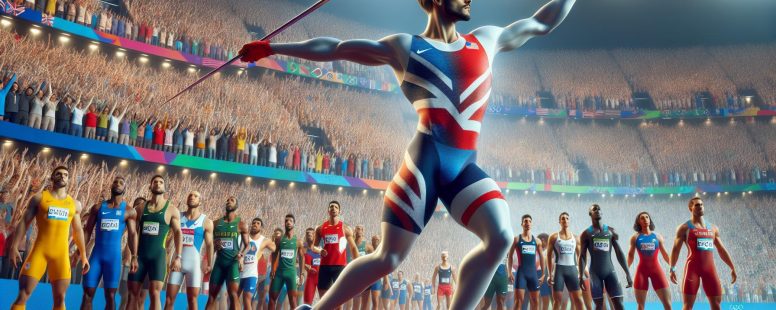
Picture a global stage where the human spirit takes center spotlight, showcasing extraordinary feats of strength, skill, and determination. The Olympics and Paralympics both capture this magic, yet they tell two distinct but equally inspiring stories. While one celebrates the pinnacle of athletic performance across all nations, the other shines a light on resilience and adaptability that redefines what’s possible.
You might think these events are simply two sides of the same coin—but their origins, participants, and even some rules set them apart in fascinating ways. Understanding these differences not only deepens your appreciation for each event but also reveals how sport unites us through diversity. So what truly separates these iconic games? Let’s jump into their unique worlds to uncover how they contrast while sharing a common heartbeat: the pursuit of excellence.
History Of The Olympics And Paralympics
The Olympics and Paralympics have distinct historical paths that reflect their unique objectives. These global events emerged from different contexts but now coexist as major celebrations of athletic excellence.
Origins And Evolution
The origins of the Olympics date back to ancient Greece in 776 BCE, where they were held in Olympia to honor Zeus. Revived in 1896 by Pierre de Coubertin, the modern Olympic Games aimed to foster international unity through sports. Over time, it expanded from a European-centric event to a global phenomenon featuring over 200 nations.
Paralympic history began much later. Dr. Ludwig Guttmann organized the Stoke Mandeville Games in 1948 for World War II veterans with spinal injuries. This small rehabilitation-focused competition evolved into the first official Paralympic Games held in Rome in 1960, featuring athletes from 23 countries.
Key Milestones In Their Development
Several milestones shaped these events into what they are today. For instance, women first competed in the Olympics during the Paris Games of 1900, marking progress toward gender equality. Similarly, the inclusion of Winter Olympics starting in 1924 showcased diverse sporting categories like skiing and ice hockey.
In contrast, significant moments for the Paralympics include its rebranding under International Paralympic Committee (IPC) governance in 1989 and its debut appearance alongside an Olympic host city during Seoul’s Summer Games of 1988. Technological advancements like carbon fiber prosthetics also revolutionized accessibility for para-athletes.
Both events’ trajectories highlight growth driven by societal changes and innovations while emphasizing inclusivity and human potential on a global stage.
Purpose And Philosophy
The Olympics and Paralympics share the pursuit of athletic excellence but embody distinct purposes shaped by their history, participants, and values.
Core Objectives Of The Olympics
The Olympics center on uniting nations through sports. Athletes from over 200 countries compete to represent their homeland, fostering global camaraderie. Promoting peace and fair play remains a cornerstone philosophy, rooted in its ancient origins in Greece. Events like the opening ceremony symbolize international unity, showcasing diverse cultures under one platform.
Competitions emphasize peak physical performance across disciplines such as swimming, track events, gymnastics, and more. Olympic records often set benchmarks for human capabilities, inspiring future generations to push boundaries in sports science and training methodologies.
Core Objectives Of The Paralympics
The Paralympics focus on empowering athletes with disabilities while challenging societal perceptions about ability. It prioritizes inclusivity by providing a stage for para-athletes to demonstrate resilience and skill across adaptive sports like wheelchair basketball or goalball.
Promoting accessibility stands central to its mission. Technological advancements like specialized prosthetics or visually impaired navigation systems have revolutionized participation opportunities for individuals with various impairments. By celebrating diversity within athletics, the Paralympics foster broader acceptance of differences in both sports and everyday life contexts.
Athlete Participation
Athlete participation in the Olympics and Paralympics differs significantly due to their distinct eligibility criteria, focusing on physical ability and inclusivity.
Criteria For Olympic Athletes
Olympic athletes represent peak physical performance across various sports. Participants must qualify through rigorous trials, achieving minimum performance standards set by international sporting federations. Each country organizes national qualifiers, with only top-performing individuals or teams earning spots.
For example, sprinters like Usain Bolt must meet specific time thresholds to compete at global events. Age restrictions also apply in some disciplines; gymnasts often debut as teenagers due to sport-specific demands. In team sports like basketball or soccer, athletes undergo selection based on skill level and teamwork capabilities.
The International Olympic Committee (IOC) monitors compliance with anti-doping regulations to ensure fair competition among competitors worldwide.
Criteria For Paralympic Athletes
Paralympic participants demonstrate resilience and adaptability even though physical disabilities. Eligibility involves classification into one of ten impairment categories, such as visual impairments or limb deficiencies, ensuring fair competition within similar functional abilities.
For instance, swimmers like Jessica Long compete under classifications reflecting mobility challenges caused by congenital conditions or amputations. Athletes provide medical documentation during an evaluation process conducted by trained classifiers who assign appropriate categories.
Sports And Events
Olympics and Paralympics showcase distinct sports, reflecting their unique objectives and participant capabilities. Each event features competitions tailored to its athletes’ physical abilities and skills.
Events Unique To The Olympics
The Olympics host traditional and contemporary sports that demand peak physical performance. Examples include gymnastics, swimming, track and field, basketball, fencing, wrestling, and skateboarding. These events prioritize speed, strength, agility or precision without specific modifications for accessibility.
Team-based competitions like soccer (football) or volleyball demonstrate intense coordination among able-bodied athletes. Individual events like decathlon test versatility across multiple athletic disciplines. Adding newer sports like surfing keeps the program dynamic.
Winter Olympic events such as luge or alpine skiing focus on using natural elements like snow and ice to challenge competitors’ endurance under extreme conditions.
Events Unique To The Paralympics
Paralympic events adapt traditional sports for athletes with disabilities through innovative designs or rules. Wheelchair basketball replaces running with mobility aids; goalball uses sound-emitting balls for visually impaired players. Other adapted examples are sitting volleyball or para-swimming.
Classification systems ensure fair competition by grouping participants based on functional ability rather than solely skill level. For instance: T12 in athletics refers to visually impaired sprinters requiring sighted guides while S8 denotes swimmers with moderate limb impairments competing together fairly.
Unique additions include boccia—designed specifically for severe motor dysfunctions—and para-dance sport which modifies ballroom dancing techniques elegantly showcasing movement artistry even though mobility limitations.
Coverage And Recognition
The Olympics and Paralympics differ significantly in their media attention and global recognition, reflecting varying levels of public engagement with these events. Understanding these distinctions highlights the broader societal perceptions surrounding them.
Media Attention And Sponsorship
Mainstream media provides extensive coverage of the Olympics, attracting billions of viewers worldwide. Events like the 2021 Tokyo Olympics garnered over 3 billion television viewers globally, showcasing its mass appeal. Sponsorship deals from major corporations such as Coca-Cola, Visa, and Samsung further amplify this visibility, funding advertisements that dominate multiple platforms.
In contrast, while the Paralympics receive growing attention, they lag behind in overall media exposure. Broadcasters often allocate less airtime to Paralympic events compared to Olympic ones. For example, NBC dedicated approximately 1,200 hours to the Tokyo Paralympics versus over 7,000 hours for its Olympic counterpart. Sponsorships also tend to focus on fewer brands actively promoting inclusivity; notable examples include Toyota’s campaigns highlighting para-athletes’ inspiring journeys.
Global Awareness And Cultural Impact
Olympic Games hold a long-standing cultural significance due to their ancient origins and universal message of unity through competition. They inspire national pride as athletes compete under their respective flags—a tradition that resonates deeply across diverse cultures.
The Paralympics foster awareness around disability inclusion but face challenges in achieving similar cultural impact. But, initiatives like International Paralympic Day aim at bridging this gap by celebrating achievements beyond physical limitations. Iconic moments—for instance Ellie Simmonds’s swimming victories—challenge stereotypes about disabilities while inspiring future generations.
Both events contribute uniquely towards shaping societal narratives about sportsmanship yet remain unequal in terms of recognition and influence worldwide.
Challenges And Future Outlook
Addressing challenges and identifying future opportunities for the Olympics and Paralympics ensures their continued growth and relevance.
Inclusive Representation
Promoting inclusive representation remains a critical challenge, especially in terms of gender parity, accessibility, and visibility. The Olympics have made strides by achieving near-equal gender participation . But, disparities persist at leadership levels within organizing bodies. In comparison, the Paralympics face added barriers related to societal biases against disabilities. For instance, underrepresentation of female para-athletes highlights ongoing inequities that demand targeted strategies.
Global campaigns like #WeThe15 aim to raise awareness about inclusivity for individuals with disabilities—15% of the world’s population—but widespread implementation is lacking. Expanding educational outreach programs could encourage more nations to invest in adaptive sports infrastructure and training facilities.
Bridging Gaps Between The Two Movements
Bridging gaps between these events requires collaborative efforts across governance structures, media platforms, and sponsorships. Even though both events being managed by separate committees—the International Olympic Committee (IOC) for the Olympics and International Paralympic Committee (IPC) for the Paralympics—they share common goals of fostering global unity through athletic excellence.
Joint initiatives could amplify impact; an example includes hosting shared opening ceremonies or mixed relay events featuring athletes from both movements. These efforts might increase public interest while symbolizing equality on a global stage.
Conclusion
Understanding the differences between the Olympics and Paralympics allows you to better appreciate their unique contributions to sports and society. Both events showcase incredible human potential, but they do so in ways that reflect diverse experiences and abilities.
By celebrating both excellence and inclusivity, these global movements inspire unity while challenging perceptions. Supporting greater recognition for each event helps foster a more equitable future where all athletes are celebrated for their achievements on the world stage.
To provide the best experiences, we use technologies like cookies to store and/or access device information. Consenting to these technologies will allow us to process data such as browsing behaviour or unique IDs on this site. Not consenting or withdrawing consent, may adversely affect certain features and functions.
Functional
Always active
The technical storage or access is strictly necessary for the legitimate purpose of enabling the use of a specific service explicitly requested by the subscriber or user, or for the sole purpose of carrying out the transmission of a communication over an electronic communications network.
Preferences
The technical storage or access is necessary for the legitimate purpose of storing preferences that are not requested by the subscriber or user.
Statistics
The technical storage or access that is used exclusively for statistical purposes.The technical storage or access that is used exclusively for anonymous statistical purposes. Without a subpoena, voluntary compliance on the part of your Internet Service Provider, or additional records from a third party, information stored or retrieved for this purpose alone cannot usually be used to identify you.
Marketing
The technical storage or access is required to create user profiles to send advertising, or to track the user on a website or across several websites for similar marketing purposes.