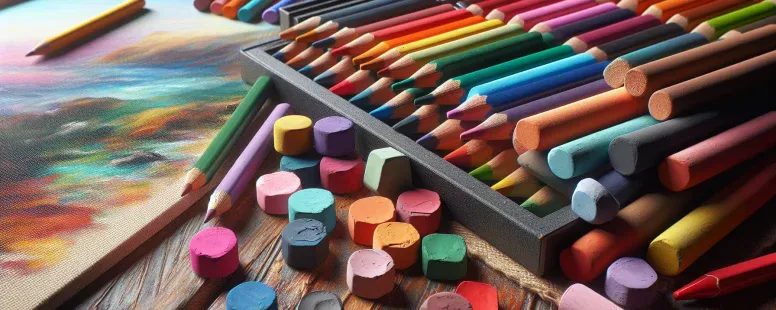
Picture the smooth glide of vibrant color across paper, rich and creamy, versus the firm, waxy texture that demands a bit more pressure. Both oil pastels and crayons bring creativity to life, but they’re worlds apart in how they feel and perform. Whether you’re an artist chasing bold strokes or someone reminiscing about childhood doodles, understanding these tools can transform your artistic experience.
You might think they’re just colorful sticks, but there’s so much more beneath their surfaces. From their composition to the way they interact with paper, each offers unique possibilities for expression. So how do you choose between them? By exploring their differences, you’ll uncover which one fits your style best—whether you’re crafting masterpieces or simply adding a splash of color to your day.
What Are Oil Pastels?
Oil pastels are a versatile medium that combines the vividness of oil paints with the convenience of crayons. They offer rich, creamy textures ideal for blending and layering.
Composition And Texture
Oil pastels consist of pigment, non-drying oil, and wax. This composition results in a soft, malleable texture that glides smoothly over surfaces. Unlike crayons, which feel hard and resist smudging due to their wax-heavy formula, oil pastels remain pliable. For example, when applied to paper or canvas, they can be blended with fingers or tools to create gradients and mixed colors.
The texture also allows for intricate detailing or bold strokes without crumbling. High-quality brands like Sennelier enhance this versatility by offering pigments with superior opacity.
Uses And Applications
Artists use oil pastels for sketches, detailed artworks, and experimental techniques. Their ability to adhere to various surfaces like paperboard and wood makes them suitable for diverse projects.
For instance, you can layer multiple colors on textured papers for depth or scrape away sections using sgraffito tools to reveal underlying hues. Children often enjoy using oil pastels because they’re easy-to-hold but provide professional-looking finishes—perfect for educational art activities or creative play.
Professional artists rely on them for quick studies or polished pieces where portability matters more than studio setups.
What Are Crayons?
Crayons are a popular medium for drawing and coloring, widely recognized for their simplicity and ease of use. They’re ideal for beginners, children, and casual artists due to their affordability and availability in various colors.
Composition And Texture
Crayons consist of a mixture of pigment and wax. The wax base gives crayons their firm texture, which makes them less prone to smudging compared to oil pastels. Unlike oil pastels’ creamy consistency, crayons produce harder lines that require more pressure to achieve bold tones. This rigidity often results in visible strokes when applied on paper.
Crayon textures vary slightly depending on the brand or type (e.g., regular vs. washable). Some brands incorporate additives like plasticizers to enhance durability or make cleanup easier.
Uses And Applications
You can use crayons for basic coloring activities, outlining designs, or creating textured effects through techniques like cross-hatching or stippling. They work well on standard paper but may struggle on glossy or non-porous surfaces due to limited adhesion.
Children frequently use crayons in schools for crafts and learning exercises because they’re safe and easy-to-handle tools. Adult hobbyists sometimes employ crayons creatively by melting them onto canvases or layering colors strategically to create unique art pieces.
Key Differences Between Oil Pastels And Crayons
Oil pastels and crayons differ in their composition, application, and results. Understanding these distinctions helps you choose the right tool for your artistic goals.
Blendability And Finish
Oil pastels excel in blending due to their soft, creamy texture. You can layer colors seamlessly or create gradients with ease on surfaces like paper or canvas. For example, smudging red and yellow oil pastels forms smooth orange hues without visible transitions.
Crayons offer limited blendability because of their harder wax-based structure. While you might overlap colors slightly, achieving a polished blend is challenging. Instead, crayons leave distinct lines or strokes that add texture but lack smoothness.
Durability And Longevity
Oil pastels remain vibrant over time if sealed properly because they resist drying out completely. But, without fixatives or protective layers, they may smudge easily during handling or storage.
Crayons are more durable for casual use as they’re less prone to smudging or damage from touch. Their solid wax base ensures drawings retain their appearance longer under normal conditions but may fade when exposed to sunlight too long.
Vibrancy Of Colors
Oil pastels produce intense and bold colors thanks to higher pigment concentration mixed with non-drying oil and wax. This makes them suitable for vivid artworks where brightness is key—like landscape paintings with rich skies.
Crayon colors tend to be lighter and less saturated compared to oil pastels due to varying pigment levels in the wax formula. While adequate for playful designs or children’s art projects, they lack professional-level vibrancy seen in intricate compositions.
Ease Of Use
Using oil pastels requires practice since controlling fine details or avoiding unintentional smudges can be tricky initially. They’re portable though versatile enough for quick sketches or adding depth through layering techniques like scumbling (a dry brush effect).
Pros And Cons Of Oil Pastels
Pros of Oil Pastels
Vibrant Colors: Oil pastels offer intense, highly pigmented colors that stand out on various surfaces. For example, their vibrancy enhances both bold strokes and subtle gradients in landscapes or portraits.
Blendability: Their creamy texture facilitates seamless blending, enabling you to create smooth transitions between colors or intricate shading effects with ease.
Versatility: These pastels adhere to multiple surfaces, including paper, canvas, and wood. Artists often use them for mixed-media projects or detailed works requiring vivid details.
Portability: Compact size makes oil pastels easy to carry for outdoor sketching sessions or quick studies without needing additional equipment like brushes.
Durable Finish (with Fixative): When sealed with a fixative spray, oil pastels maintain their vibrancy over time while reducing smudging.
Cons of Oil Pastels
Smudging Issues: The soft consistency can lead to accidental smears during handling if left unsealed.
Messy Application: Hands may get dirty when using oil pastels extensively due to their creamy formula.
Limited Precision for Beginners: Achieving fine details might be challenging initially because they require practice for detailed control because of their softness.
Heat Sensitivity: Prolonged exposure to high temperatures can cause melting or deformation.
Pros And Cons Of Crayons
Crayons offer numerous benefits, especially for beginners and children. Their affordability and availability make them an accessible choice for casual art projects. With a firm wax-based texture, crayons create clean lines that don’t smudge easily, making them ideal for simple coloring tasks or classroom use. The variety of colors available allows users to explore creativity without significant expense.
But, crayons have limitations advanced art techniques. They lack blendability due to their harder texture, which prevents smooth gradients or transitions between colors. Bold tones require excessive pressure, often leading to breakage or uneven application. Also, crayon artwork tends to fade over time if exposed to direct sunlight.
Advantages of Crayons
Affordability: Crayons are budget-friendly compared to many other art supplies.
Ease of Use: Their simplicity makes them perfect for young children learning basic artistic skills.
Durability: Resistant to smudging during use due to their solid consistency.
Variety: Available in extensive color ranges suitable for different creative ideas.
Disadvantages of Crayons
Limited Blendability: Difficulties arise when creating smooth color transitions or intricate effects.
Fragility Under Pressure: Applying too much force can cause crayons to snap or crumble unexpectedly.
Fading Over Time: Exposure to sunlight diminishes the vibrancy of colors on finished pieces.
Which One Should You Choose?
Your choice between oil pastels and crayons depends on your artistic goals, skill level, and the type of projects you plan to create. Each medium offers distinct benefits suited for specific purposes.
Consider Your Skill Level
Beginners often find crayons more approachable due to their simplicity. Their firm texture makes it easy to draw clean lines without worrying about smudging or blending techniques. If you’re an experienced artist aiming for intricate shading or color gradients, oil pastels provide greater flexibility and richer effects.
Evaluate Project Requirements
For casual coloring or school activities, crayons are practical and affordable. They’re especially ideal for young children learning basic drawing skills. On the other hand, oil pastels cater to diverse artistic needs like creating vibrant landscapes, abstract art, or detailed portraits where color depth matters.
Think About Surface Compatibility
Crayons work effectively on standard paper but struggle with glossy surfaces like cardstock or canvas boards. Oil pastels adhere well to various textures such as wood panels, fabric sheets, and even smooth glass surfaces when experimenting with mixed media art styles.
Assess Maintenance Needs
Crayons require minimal upkeep since they don’t smudge easily; but, they may fade over time if exposed directly sunlight for extended periods—this is less of a concern in casual use cases though important in preserving long-term artworks created with them! Oil pastels demand extra care; sealing finished pieces with fixatives prevents smearing while maintaining vibrancy over years.
Budget Constraints
Crayons are widely available at lower prices compared to professional-grade oil pastel sets that can range from $10-$50 depending on brand quality pigments concentration quantity per pack etcetera so weighing cost against intended usage frequency helps ensure optimal resource allocation while maximizing creative output potential overall!
Conclusion
Choosing between oil pastels and crayons comes down to your artistic goals, preferences, and skill level. Both offer unique qualities that cater to different creative needs, whether you’re aiming for vibrant, blendable artwork or simple, structured designs. By understanding their characteristics and uses, you can select the medium that best complements your style and projects. Explore both options to discover which one inspires your creativity most effectively.
To provide the best experiences, we use technologies like cookies to store and/or access device information. Consenting to these technologies will allow us to process data such as browsing behaviour or unique IDs on this site. Not consenting or withdrawing consent, may adversely affect certain features and functions.
Functional
Always active
The technical storage or access is strictly necessary for the legitimate purpose of enabling the use of a specific service explicitly requested by the subscriber or user, or for the sole purpose of carrying out the transmission of a communication over an electronic communications network.
Preferences
The technical storage or access is necessary for the legitimate purpose of storing preferences that are not requested by the subscriber or user.
Statistics
The technical storage or access that is used exclusively for statistical purposes.The technical storage or access that is used exclusively for anonymous statistical purposes. Without a subpoena, voluntary compliance on the part of your Internet Service Provider, or additional records from a third party, information stored or retrieved for this purpose alone cannot usually be used to identify you.
Marketing
The technical storage or access is required to create user profiles to send advertising, or to track the user on a website or across several websites for similar marketing purposes.