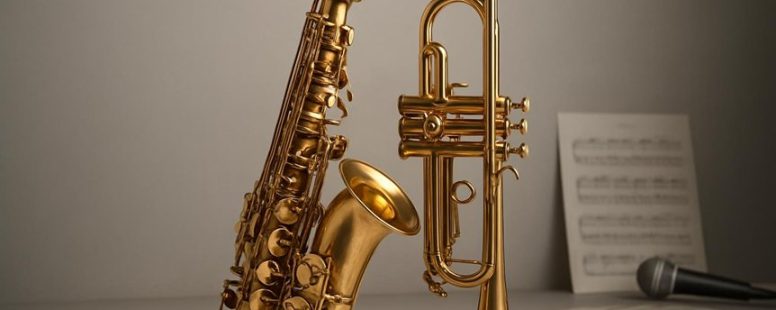
Imagine hearing a soulful saxophone wail or a blazing trumpet burst through the air—each one transforming a simple melody into an emotional journey. These instruments’ unique tones and playing styles don’t just shape the sound; they set the entire mood and energy of a piece.
Their differences are like yin and yang, influencing genres in ways you might never have noticed. Did you know that understanding these nuances can actually deepen your appreciation of music’s power?
Let’s unravel what makes the saxophone and trumpet so compelling and how their contrasts paint a richer sonic landscape.
Understanding the Sound and Technique of Saxophones and Trumpets
A saxophone and a trumpet sound very different because they are played in different ways. A saxophone’s sound is smooth and full. It is often used in jazz for its expressive tone. The way a musician blows into the mouthpiece and uses a reed helps create vibrato and small changes in sound. This makes the saxophone flexible for both jazz and classical music.
The trumpet’s sound is brighter and sharper. It produces a bold, loud sound with a quick attack. Trumpet players mainly use their lips and breath to control the sound. This gives the trumpet a commanding presence in music. For example, a trumpet can cut through a loud band, grabbing your attention immediately.
Some people prefer the warm, mellow sound of a saxophone, while others love the bright, piercing tone of a trumpet. Both instruments are fun to play but require different skills. For example, a saxophone player focuses on smooth control, while a trumpet player needs strong lip muscles and steady breath.
Understanding how each instrument sounds and how they are played helps you see why they are used in different music styles. For example, jazz often features the saxophone for its expressive quality, while classical music might use the trumpet for bold solos. Both instruments are special in their own way, but they each have their unique sound and technique.
How Instrument Design Shapes Tone and Playability
Instrument design directly shapes how an instrument sounds and how easy it is to play. The materials used and the shape of the instrument affect both tone and how comfortable it is for a player. For example, a trumpet’s bell thickness and shape influence its brightness and how far it projects. On the other hand, the body material of a saxophone impacts its warmth and resonance.
Knowing how design affects sound helps explain why some instruments sound brighter or darker. It also shows why some players find certain instruments easier to handle.
Key points include:
Material influences: Brass, wood, or composite materials change the tone quality. Brass instruments like trumpets have a bright sound, while wooden clarinets sound warmer.
Instrument acoustics: Shape and size matter. A larger drum produces deeper sounds, and a smaller one sounds higher. The shape of an instrument affects how sound travels out.
Design details: The placement of keys and the size of the bore (the tube inside) change how easy it is to play and how responsive it feels. A well-designed instrument feels natural and responds quickly to the player’s movements.
These elements work together to affect how each instrument feels and sounds during performances. For example, a beginner might find a lightweight flute easier to hold and blow into, but a professional might prefer the richer tone of a heavier bassoon. Understanding these factors can help players choose instruments that suit their style and comfort.
Roles of Saxophones and Trumpets in Different Music Genres
Saxophones and trumpets each have special roles in different types of music. Knowing how they are used can help you understand the sound and feel of the music better.
In jazz music, the saxophone is known for its flexibility. It can play smooth melodies, fast solos, and emotional improvisations. For example, in a jazz band, the saxophone might play a soulful solo that makes listeners feel a deep connection. The trumpet in jazz often plays bold, sharp lines that grab your attention. It can lead the band with bright, piercing notes. Both instruments help create the lively and expressive sound jazz is famous for.
In classical music, trumpets often carry the main melody. They produce clear, strong sound that can fill a large concert hall. You might hear trumpets in fanfares or grand concertos. Saxophones are less common in classical music but are used in modern or crossover pieces. When they appear, they add a warm, soft sound that contrasts with the bright tone of the trumpet. This mix can make classical pieces more interesting and colorful.
Some people wonder how these instruments really shape the music. For example, the saxophone’s ability to bend notes and add emotion makes it perfect for jazz. On the other hand, the trumpet’s power and clarity make it ideal for dramatic moments in classical music. Each instrument has strengths that fit different styles.
However, there are limits too. Saxophones are not as common in classical music and might be hard to find in traditional orchestras. Trumpets can sometimes sound too loud or harsh if not played carefully. Both instruments require skill to make the best sound.
Which Musical Styles Suit Each Instrument Best?
The saxophone and the trumpet each suit different musical styles best because of their unique sounds and playing qualities.
The saxophone is best for jazz because it has a smooth, expressive tone. It makes soulful solos that tell a story, like in the famous jazz clubs of New Orleans. The saxophone also works well in classical music, offering a warm sound that can fit many kinds of pieces. Its ability to change tone and style makes it a versatile instrument.
The trumpet is best for styles like jazz and classical music where a bright, sharp sound is needed. Its piercing tone helps it stand out in an orchestra or band. Trumpets are also good at playing fast, tricky solos, and powerful melodies. For example, in a jazz band, the trumpet can cut through the music, grabbing attention with its bold sound.
Some people think the saxophone is better for slow, emotional music, while the trumpet is better for loud, energetic pieces. But both instruments can do a lot more than that. The saxophone is great for smooth melodies, but it might not be loud enough for big, powerful parts. The trumpet is very bright but can be hard to control in soft, delicate sections.
In short, if you want a mellow, expressive sound, the saxophone is a good choice. If you prefer a bright, attention-getting tone, the trumpet is best. Both instruments are important in music, but they shine in different styles.
How the Instruments’ Design and Style Affect Mood and Atmosphere
The design and style of instruments greatly affect the mood and atmosphere they create. For example, a saxophone has curved shapes and a brass body that produce warm, mellow sounds. In contrast, a trumpet has a compact, metal build that makes sharp, bright noises. These differences in shape and material influence how the music feels.
Some instruments, like the guitar, can be made from wood or metal, which impacts their sound and the mood they set. The way an instrument is built can make music feel calm, exciting, or even sad. For instance, a large drum can make a space feel powerful and intense, while a soft flute can make it feel gentle and peaceful.
It’s also worth knowing that the style of playing matters. A musician’s expression and technique can change how the instrument’s design affects the mood. Two players might use the same instrument but create very different atmospheres through how they play.
Some people prefer certain designs for specific moods. For example, jazz musicians often choose instruments like the saxophone because its warm sound helps create a relaxed, soulful feeling. Others might pick a bright trumpet for energetic and lively music.
However, there are limits. A well-designed instrument may sound great, but how it is played also makes a big difference. So, the right instrument for the mood depends on both its design and the player’s style. Overall, the design and style of an instrument are key factors that shape the music’s mood and the atmosphere it creates.
Instrument Shape and Material
Instrument Shape and Material
The shape and material of an instrument are key to how it sounds and feels. For example, a violin with a curved wooden body produces a warm, rich tone that many musicians love. The shape of the instrument helps project sound better and makes playing easier. A guitar with a solid body can produce louder sounds than one with a hollow body.
The material also affects durability and sound quality. Instruments made from strong woods like maple or spruce tend to last longer and sound better over time. Cheaper materials, like plastic or thin woods, might break or wear out faster. Some musicians choose their instrument based on how it feels in their hands, like a pianist picking a keyboard with a comfortable shape.
There are two main opinions on shape and material. Some say that a well-made instrument can inspire more confidence and make playing more fun. Others believe that with enough skill, any instrument can sound good regardless of shape or material.
For beginners, it’s a good idea to try different shapes and materials to see what feels best. For example, a beginner might prefer a lightweight flute or a sturdy drum. Knowing how shape and material influence sound and durability helps musicians pick the right instrument for them.
Playing Style and Expression
Playing style and expression are shaped by the design of an instrument. The way an instrument is built affects how musicians show their feelings through music. For example, the saxophone’s smooth and flexible tone makes it great for jazz. Musicians can create expressive melodies and add emotion with vibrato and shading. The design of the saxophone encourages a relaxed, soulful way of playing.
On the other hand, the trumpet has a bright and loud sound. It requires precise control, usually from classical training. This makes the trumpet perfect for bold and energetic music. Its powerful sound can fill a room and make a strong statement. While the saxophone creates intimacy and moodiness, the trumpet adds excitement and energy. Both instruments influence how players make their music feel.
Some musicians prefer the saxophone for its ability to express deep emotions, while others choose the trumpet for its commanding sound. Each instrument’s style helps shape the mood of a performance. Depending on what feelings a musician wants to share, they will pick the instrument that fits best.
Is the Saxophone or Trumpet Easier for Beginners?
The easier instrument for beginners is generally the saxophone. The saxophone is easier because it has simpler fingerings and makes a sound more quickly. Many beginners find it more fun to start playing because they can produce a sound faster and see progress sooner.
The trumpet, on the other hand, requires more breath control early on. It needs a lot of air support to make a good sound, which can be harder for beginners. Playing the trumpet also takes more practice to get the right embouchure (mouth position).
Some people choose the saxophone because it feels easier at first, especially if they struggle with breath control. Others prefer the trumpet if they like a brighter sound and are ready to work on their breathing skills.
If you want to start with the easiest instrument, try the saxophone because of its simple fingerings and quick sound production. But if you are willing to practice breathing exercises and want a louder, more powerful sound, the trumpet can be a good choice too.
Breath Control Requirements
When it comes to breath control, many beginners ask which instrument is easier to learn—the saxophone or the trumpet. The answer depends on how much breath support each instrument needs.
The trumpet requires stronger and more sustained airflow. To make a clear sound, players need precise control of their breath and embouchure (the way they shape their lips). Think of it like blowing up a balloon: you need to push air steadily and firmly. This can be hard at first, especially for young beginners. If you don’t have good breath support, it’s easy to get tired or produce a squeaky sound.
The saxophone is more forgiving. Its design allows players to manage airflow more easily. You can breathe more relaxed and still get a decent sound. This can make learning easier for beginners who are still building their lung strength. For example, many students find it easier to produce a clear tone on the saxophone without needing to push as hard.
However, both instruments need good breath support to sound their best. Starting with the saxophone might be less tiring, but learning proper breath control early on helps both instruments.
Some players say that the trumpet’s higher air pressure makes it more challenging at first. Others like the saxophone because it’s more friendly to beginners. Remember, no matter which instrument you pick, regular practice will help you improve your breath support and tone.
Learning Curve Speed
The speed at which beginners learn to play the trumpet or saxophone depends on their previous experience and natural talent. The trumpet often has a steeper initial learning curve because it needs quick finger movements and a steady embouchure, which is how you position your mouth on the instrument. Making a clear sound on the trumpet can be tricky at first because it requires consistent muscle control. The saxophone usually is easier for beginners because its finger movements are simpler and forming an embouchure takes less effort.
For example, many students find they can produce a basic sound on the saxophone in just a few days. On the other hand, learning to play the trumpet well might take longer because of the need to develop strength and control in the lips. Both instruments need practice, but starting out, saxophonists often find it easier to play simple melodies faster than trumpet players do.
Some people might want to start with the saxophone if they want to sound out notes quickly, while others may choose the trumpet for its bright, powerful sound once they get the hang of it. Keep in mind, with patience and regular practice, anyone can improve on either instrument, no matter how tough it seems at first.
Choosing the Right Instrument for Your Musical Goals
Choosing the right instrument is key to reaching your musical goals. The best instrument depends on what kind of sound you want and where you plan to play. For example, if you want a versatile instrument that works well in many places, think about how easy it is to care for and how tough it is. A saxophone makes a warm, smooth sound perfect for jazz or solo playing. On the other hand, a trumpet can be loud and clear, making it great for marching bands or classical music.
Here are some things to think about when choosing an instrument:
How easy is it to keep the instrument in good shape? Some instruments need more cleaning and repairs than others.
Where do you want to perform? Smaller rooms or outdoor events might need a different instrument than a big concert hall.
What are your long-term goals? Do you want to play solo, join a band, or be in an orchestra?
Knowing these things helps you pick an instrument that matches what you want to do and keeps you motivated. Remember, choosing the right instrument can make your music more fun and help you improve faster. But keep in mind, some instruments are harder to learn or require more maintenance, so think about your skills and time too.
To provide the best experiences, we use technologies like cookies to store and/or access device information. Consenting to these technologies will allow us to process data such as browsing behaviour or unique IDs on this site. Not consenting or withdrawing consent, may adversely affect certain features and functions.
Functional
Always active
The technical storage or access is strictly necessary for the legitimate purpose of enabling the use of a specific service explicitly requested by the subscriber or user, or for the sole purpose of carrying out the transmission of a communication over an electronic communications network.
Preferences
The technical storage or access is necessary for the legitimate purpose of storing preferences that are not requested by the subscriber or user.
Statistics
The technical storage or access that is used exclusively for statistical purposes.The technical storage or access that is used exclusively for anonymous statistical purposes. Without a subpoena, voluntary compliance on the part of your Internet Service Provider, or additional records from a third party, information stored or retrieved for this purpose alone cannot usually be used to identify you.
Marketing
The technical storage or access is required to create user profiles to send advertising, or to track the user on a website or across several websites for similar marketing purposes.