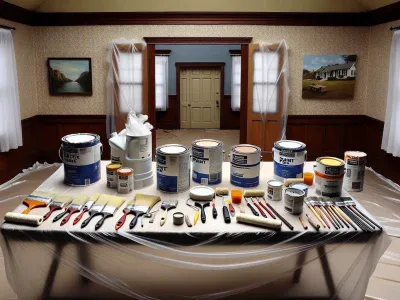
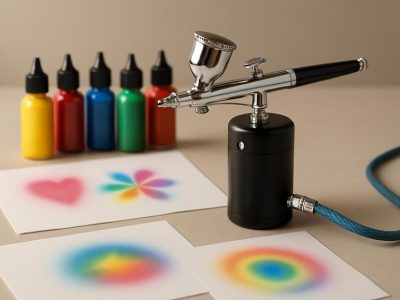
Imagine standing before a blank canvas, brushes in hand, ready to bring your vision to life. But then comes the question—oil or acrylic paint? Each holds its own allure, offering unique textures, drying times, and creative possibilities. Choosing between them isn’t just about preference; it’s about the story you want your art to tell and the techniques you’re eager to explore.
Oil paint, with its rich, buttery consistency, has been favored by masters for centuries, while acrylic’s vibrant versatility has captivated modern artists. One offers timeless depth, the other unmatched adaptability. But how do you know which is right for your masterpiece? Understanding their differences can open doors to new artistic adventures and help you express your creativity in ways you never imagined. Let’s jump into what sets these two mediums apart and discover which one speaks to your artistic soul.
Overview Of Oil And Acrylic Paint
Understanding oil and acrylic paints helps you choose the right medium for your creative vision. These two paints differ in composition, drying time, techniques, and overall finish.
What Is Oil Paint?
Oil paint, used since the 15th century, combines pigments with a natural or synthetic oil base such as linseed oil. Its slow drying process allows for extended blending and layering, making it ideal for achieving depth and subtle color transitions. Artists often use oil paints for portraits, landscapes, and detailed realism due to their richly textured and luminous finish.
For example, Leonardo da Vinci’s “Mona Lisa” showcases the intricate layering possible with oil paints. But, oil paints require solvents like turpentine for thinning and cleaning, which can produce strong odors and require careful handling. They’re suitable for projects demanding precision and a timeless aesthetic.
What Is Acrylic Paint?
Acrylic paint, introduced in the mid-20th century, consists of pigments suspended in an acrylic polymer emulsion. It dries quickly, making it a practical choice for artists who prefer swift results or multiple layers within a short time frame. Its water-based composition simplifies cleaning and setup, making it accessible for beginners or artists working in confined spaces.
Unlike oil paint, acrylics can mimic watercolors or oils by adjusting their consistency. For instance, you can dilute acrylic paint to create translucent washes or use it thickly for bold textures. Famous contemporary painters, such as David Hockney, have utilized acrylics for their vibrant and versatile possibilities. Acrylics suit projects emphasizing modern themes or requiring innovative techniques.
Key Differences Between Oil And Acrylic Paint
Understanding the distinctions between oil and acrylic paint helps you choose the best medium for your creative vision. Each offers unique characteristics, suited to different artistic approaches.
Drying Time
Oil paint dries slowly, often taking days or even weeks for layers to fully cure. This slow drying process gives you ample time to blend colors, create smooth transitions, and refine details with meticulous care. For example, artists working on complex portraits use oil’s pliability to ensure shadow and light merge seamlessly.
Acrylic paint dries rapidly, sometimes within minutes. This makes it perfect for layering techniques or completing paintings quickly, but it demands quicker decision-making. For a mural artist, acrylic’s fast drying might allow adding intricate layers without waiting long hours.
Texture And Finish
Oil paint produces a rich, glossy texture, often associated with classical artwork. The paint’s viscosity lets you build thick, impasto layers or achieve smooth, polished finishes. For instance, Renaissance artists harnessed oil’s depth to mimic lifelike skin tones and luminous effects.
Acrylic offers versatile textures, adapting to techniques like washes, glazes, or thick applications. Its finish varies from matte to glossy, depending on additives or varnishes. Modern artists experimenting with mixed media often favor acrylic for its adaptability.
Longevity And Durability
Oil paintings demonstrate exceptional longevity, with well-preserved works lasting centuries. But, they are more susceptible to yellowing when exposed to environmental factors like sunlight or humidity. Proper storage and maintenance mitigate these risks.
Acrylic paint resists cracking and fading due to its flexible structural properties, especially under varying temperatures. Its synthetic base ensures durability, making it ideal for outdoor projects or environments prone to moisture.
Application Techniques And Versatility
Applying oil and acrylic paints involves distinct processes, each offering unique versatility to suit different artistic visions. Your choice of medium influences how you layer, blend, and manipulate your work.
Techniques Used With Oil Paint
Oil paint allows for extended blending and meticulous detailing due to its slow drying time. You can employ techniques like glazing, where thin transparent layers create depth and luminosity. For example, Renaissance artists often used glazing to render realistic skin tones. Impasto, characterized by thick, textured strokes, brings a three-dimensional quality to your artwork, perfect for evoking drama in landscapes or abstract pieces. Wet-on-wet, or alla prima, lets you blend colors directly on the canvas while the paint is wet, ideal for fluid transitions and impressionistic styles.
Oil paint’s pliable texture also enables detailed brushwork and scrumbling, where you drag a dry brush over layers to achieve a broken, textured effect. Yet, oils require solvents for thinning and cleaning, adding complexity to the process. If you’re aiming for precise realism or classical techniques, oil paint supports these goals.
Techniques Used With Acrylic Paint
Acrylic paint dries quickly, supporting layering and experimentation without long wait times. Techniques like glazing are achievable with acrylics, though faster drying demands quicker application. Their water-based nature allows for dilution to create watercolor-like washes or thicker applications resembling oil textures. For instance, using acrylic medium extends drying time to help blending, similar to oils.
Dry brushing and stippling produce textured effects, useful for abstract or textured pieces. Acrylics adapt well to non-traditional surfaces like glass or wood, enhancing versatility. They also accommodate pouring techniques, where you mix paint with a medium for fluid designs, popular in contemporary art. Since acrylic cleans up easily with water, you’re free to experiment without extensive setup or cleanup challenges.
Both mediums offer unique ways to bring creative ideas to life, whether you prefer classical refinement or modern adaptability.
Suitability For Artists
Both oil and acrylic paints offer unique advantages for artists, catering to various levels of expertise and creative goals. Understanding their suitability helps in making informed choices for your art practice.
Beginners Vs. Professionals
Acrylic paint often appeals to beginners due to its quick drying time and easy-to-use nature. Cleaning brushes with just water, experimenting with techniques, and achieving vibrant colors without extensive preparation make it beginner-friendly. For instance, student-grade acrylics allow learners to explore layering and blending without overwhelming complexity.
Oil paint, but, tends to attract professionals or those seeking mastery over classic techniques. Its slow drying time and ability to create intricate textures suit advanced artists focusing on detailed work. Professional-grade oil paints, such as those from Winsor & Newton or Old Holland, provide rich pigments that enhance depth and realism, a hallmark of experienced painters.
If you’re transitioning from a beginner to a seasoned artist, experimenting with both mediums can clarify which aligns with your skill progression and artistic goals.
Artistic Styles And Preferences
Artistic styles heavily influence paint preference. Acrylic’s adaptability supports abstract, contemporary, and mixed-media art. With acrylic mediums, like gloss gel or pouring medium, you can simulate watercolor effects or achieve thick, textured strokes seen in modern art.
Oil paint complements traditional styles, such as realism or classical portraiture, thanks to its extended blending capabilities. Its ability to create gradients and refined textures suits landscapes or intricate still-life compositions.
Your personal preference also plays a role. For instance, if your style emphasizes crisp lines and bright colors, acrylic is practical. On the other hand, if you gravitate towards moody, atmospheric effects, oil paint’s nuanced color blending may feel more natural.
Pros And Cons Of Oil And Acrylic Paint
Oil and acrylic paint each have distinct advantages and drawbacks that can influence your choice as an artist. Understanding these differences can help you align your medium with your creative vision.
Advantages And Disadvantages Of Oil Paint
Oil paint offers unparalleled richness and depth, making it a favorite among traditional artists. Its slow drying time allows for detailed work and blending over extended sessions. For instance, artists like Rembrandt utilized oil paints’ qualities to achieve lifelike textures and dramatic lighting effects. Also, the glossy finish enhances vibrancy, amplifying the visual impact of portraits and landscapes.
But, oil paint’s long drying time can be a deterrent if you’re aiming for quick results. The use of solvents like turpentine adds complexity, requiring proper ventilation and safety measures. Cleaning brushes can also be time-consuming, and the natural tendency of oil paintings to yellow over decades might affect their appearance.
Advantages And Disadvantages Of Acrylic Paint
Acrylic paint provides unmatched versatility and accessibility for all skill levels. Its ability to dry quickly lets you layer colors efficiently, making it perfect for dynamic, time-sensitive projects. For example, abstract artists often exploit this characteristic to create bold, multi-layered compositions. Acrylic cleans easily with water, removing the need for harsh chemicals, and resists cracking or fading over time, ensuring durability.
On the downside, fast drying can limit blending since acrylic sets within minutes. If detail work or smooth transitions are your aim, you’ll need to work swiftly or use retarders to extend drying time. Some artists also prefer oils’ richer texture over acrylic, which can sometimes feel less substantial in finish.
By comparing these mediums through their pros and cons, you can determine which suits your style, process, and artistic goals effectively.
Conclusion
Choosing between oil and acrylic paint comes down to your artistic goals, style, and level of expertise. Both mediums offer unique opportunities to express your creativity and master different techniques. Whether you’re drawn to the timeless richness of oil or the vibrant versatility of acrylic, the right choice will align with the story you want to tell through your art.
Experimentation is key to discovering which medium resonates with you. By exploring their qualities and embracing their challenges, you’ll unlock new possibilities for your artistic journey.
To provide the best experiences, we use technologies like cookies to store and/or access device information. Consenting to these technologies will allow us to process data such as browsing behaviour or unique IDs on this site. Not consenting or withdrawing consent, may adversely affect certain features and functions.
Functional
Always active
The technical storage or access is strictly necessary for the legitimate purpose of enabling the use of a specific service explicitly requested by the subscriber or user, or for the sole purpose of carrying out the transmission of a communication over an electronic communications network.
Preferences
The technical storage or access is necessary for the legitimate purpose of storing preferences that are not requested by the subscriber or user.
Statistics
The technical storage or access that is used exclusively for statistical purposes.The technical storage or access that is used exclusively for anonymous statistical purposes. Without a subpoena, voluntary compliance on the part of your Internet Service Provider, or additional records from a third party, information stored or retrieved for this purpose alone cannot usually be used to identify you.
Marketing
The technical storage or access is required to create user profiles to send advertising, or to track the user on a website or across several websites for similar marketing purposes.