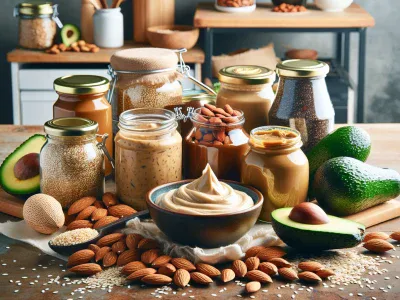
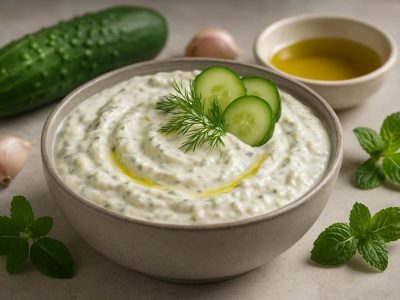
Picture this: a table adorned with vibrant Mediterranean dishes, each bursting with flavor. Among the spread, two creamy condiments steal the spotlight—tzatziki and tahini. They may look unassuming, but these staples carry centuries of culinary tradition and distinct personalities that elevate any meal they touch. what sets them apart?
Tzatziki greets your palate with its refreshing tang—a cool blend of yogurt, cucumber, and herbs that feels like summer in every bite. Tahini, on the other hand, offers a nutty richness with its sesame seed base that adds depth to both savory and sweet creations. While they often share space on menus and plates, their origins, ingredients, and uses couldn’t be more different.
What Is Tzatziki?
Tzatziki is a classic Mediterranean sauce, primarily associated with Greek cuisine. It’s a yogurt-based condiment that’s celebrated for its creamy texture and refreshing flavor.
Key Ingredients Of Tzatziki
The foundational ingredient of tzatziki is strained or Greek yogurt, which contributes to its smooth consistency. Fresh cucumber, usually grated or finely chopped, adds a crisp texture and lightness. Garlic provides a pungent kick, while olive oil enhances the richness. Herbs like dill or mint introduce aromatic freshness. Lemon juice or vinegar lends acidity to balance the flavors.
Example: A traditional recipe might include 1 cup of Greek yogurt, ½ cucumber (grated), 1 garlic clove (minced), 1 tablespoon olive oil, a dash of lemon juice, and fresh dill or mint as garnish.
Flavor Profile And Texture Of Tzatziki
Tzatziki has a tangy and cooling flavor profile due to the combination of yogurt’s natural acidity and cucumbers’ mild sweetness. The minced garlic offers sharpness that harmonizes with herbal undertones from dill or mint. Olive oil rounds out the taste with subtle richness.
Its texture is creamy yet slightly chunky from the cucumber pieces. If prepared correctly, it achieves an ideal balance—not too thick nor overly runny—making it perfect as both a dip and topping for dishes like gyros or grilled vegetables.
What Is Tahini?
Tahini is a creamy paste made from ground sesame seeds, widely used in Middle Eastern and Mediterranean cuisines. It’s known for its nutty flavor, versatility, and nutritional benefits.
Key Ingredients Of Tahini
The primary ingredient of tahini is hulled sesame seeds. These seeds are toasted to enhance their flavor before being finely ground into a smooth paste. High-quality tahini often includes only sesame seeds without additives or preservatives.
Flavor Profile And Texture Of Tahini
Tahini has a rich, earthy taste with subtle bitterness. Its texture is smooth and slightly runny, making it easy to mix into sauces or spreads. The consistency can vary depending on the grind and oil content of the sesame seeds used.
Key Differences Between Tzatziki And Tahini
Tzatziki and tahini, though both staples of Mediterranean cuisine, differ significantly in taste, ingredients, nutritional content, and cultural associations. Understanding these differences helps you appreciate their unique roles in cooking.
Taste And Usage
Tzatziki offers a creamy yet refreshing taste due to its yogurt base combined with cucumber and herbs. Its tangy flavor complements dishes like gyros or grilled vegetables. As a dip or sauce, tzatziki pairs well with warm pita bread or roasted meats.
Tahini delivers an earthy, nutty flavor with subtle bitterness from ground sesame seeds. It’s versatile enough for savory sauces like hummus or sweet treats such as halva. Drizzle tahini over falafel wraps or mix it into salad dressings for added depth.
Nutritional Composition
Tzatziki is lower in calories and fat because of its yogurt foundation. It provides protein (3-5g per serving) and probiotics that support gut health. The inclusion of olive oil contributes healthy fats but remains moderate overall.
Tahini contains higher calorie density due to sesame seeds’ natural oils. It’s rich in unsaturated fats (8-9g per tablespoon), protein (2-3g), calcium, iron, magnesium, and other micronutrients beneficial for bone health and energy metabolism.
Component
Tzatziki (per 2 tbsp)
Tahini (per 1 tbsp)
Calories
~30
~89
Protein
~1g
~2-3g
Fat
~2g
~8-9g
Origins And Cultural Significance
Tzatziki traces back to Greek cuisine but shares similarities with Turkish cacık and Indian raita variations involving yogurt-based sauces flavored regionally. It’s emblematic of coastal Mediterranean flavors emphasizing freshness.
Tahini’s roots lie in Middle Eastern culinary traditions spanning thousands of years across regions like Lebanon, Israel, Syria, Egypt—and beyond into North Africa. Its use symbolizes sustenance through simplicity while showcasing sesame cultivation’s historical importance in trade routes connecting continents.
How To Use Tzatziki And Tahini In Cooking
Tzatziki and tahini serve distinct purposes in cooking, enhancing a variety of dishes with their unique flavors and textures. Their applications range from dips and dressings to marinades and toppings.
Popular Dishes Featuring Tzatziki
Tzatziki pairs exceptionally well with grilled meats like lamb kebabs or chicken souvlaki. Its cooling properties balance the spices in these dishes. It also works as a dip for pita bread or fresh vegetables such as carrots, cucumbers, and bell peppers.
In Greek cuisine, tzatziki is a classic addition to gyros—flatbreads filled with seasoned meat, tomatoes, onions, and fries. You can use it as a salad dressing by thinning it slightly with lemon juice or olive oil. For vegetarians, tzatziki complements roasted eggplant or zucchini dishes.
Popular Dishes Featuring Tahini
Tahini’s versatility makes it suitable for both savory and sweet creations. It’s a key ingredient in hummus—a blend of chickpeas, garlic, lemon juice, olive oil—and baba ghanoush made from roasted eggplants. Drizzle tahini over falafels for an authentic Middle Eastern touch.
In desserts like halva or tahini brownies, its nutty flavor adds depth without overpowering sweetness. Mix tahini into sauces for noodles or grain bowls to create creamy textures that enhance the dish’s richness.
Conclusion
Tzatziki and tahini each bring their own unique flavors, textures, and cultural significance to the table. Whether you’re drawn to tzatziki’s refreshing creaminess or tahini’s rich nuttiness, both condiments offer endless possibilities in the kitchen. Understanding their differences not only enhances your appreciation for Mediterranean cuisine but also helps you choose the perfect complement for your meals.
To provide the best experiences, we use technologies like cookies to store and/or access device information. Consenting to these technologies will allow us to process data such as browsing behaviour or unique IDs on this site. Not consenting or withdrawing consent, may adversely affect certain features and functions.
Functional
Always active
The technical storage or access is strictly necessary for the legitimate purpose of enabling the use of a specific service explicitly requested by the subscriber or user, or for the sole purpose of carrying out the transmission of a communication over an electronic communications network.
Preferences
The technical storage or access is necessary for the legitimate purpose of storing preferences that are not requested by the subscriber or user.
Statistics
The technical storage or access that is used exclusively for statistical purposes.The technical storage or access that is used exclusively for anonymous statistical purposes. Without a subpoena, voluntary compliance on the part of your Internet Service Provider, or additional records from a third party, information stored or retrieved for this purpose alone cannot usually be used to identify you.
Marketing
The technical storage or access is required to create user profiles to send advertising, or to track the user on a website or across several websites for similar marketing purposes.