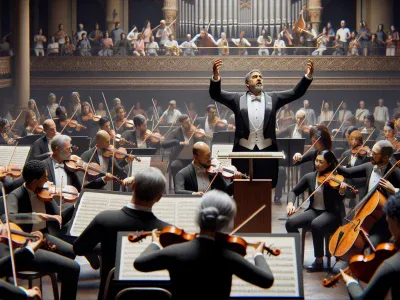
Picture walking through a bustling city street. The blaring horns, chattering crowds, and construction clatter create an overwhelming chaos. Now picture stepping into a concert hall where a symphony unfolds—each note deliberate, weaving harmony that stirs your soul. Both scenarios are filled with sound, yet one feels disordered while the other resonates with meaning. what separates noise from music? It’s not just about volume or pitch; it’s about structure, intention, and how it connects to your emotions. Noise can feel intrusive and jarring, while music has the power to soothe or energize you, creating an experience rather than just sound.
Understanding this distinction isn’t just fascinating—it reveals how sound shapes your mood and environment in profound ways. Whether it’s the cacophony of daily life or melodies that linger in your mind for hours, unraveling this contrast can change how you perceive the world around you.
Understanding Noise And Music
Noise and music, though both composed of sounds, serve different purposes and provoke contrasting reactions. Their distinction lies in organization, perception, and intent.
Definition Of Noise
Noise refers to disorganized or unwanted sound that lacks harmony or structure. It often disrupts focus or causes discomfort. Examples include traffic congestion, construction work, or loud machinery. These sounds are typically irregular in frequency and amplitude.
From a linguistic perspective, noise carries no semantic meaning; it’s interpreted as interference rather than communication. For instance, static on a radio is considered noise because it obstructs the clarity of intended signals.
Definition Of Music
Music is an organized arrangement of sounds designed to evoke emotions or convey meaning. Components like rhythm, melody, and harmony create structured patterns that resonate with listeners. Classical compositions by Beethoven or modern pop songs exemplify music’s intentional design.
Unlike noise, music holds semantic weight through its cultural symbols and emotional connections. A lullaby calms a child due to its soothing tones and predictable rhythm—a stark contrast to the chaotic randomness of noise.
Key Differences Between Noise And Music
Noise and music differ fundamentally in their composition, emotional effects, and subjective perception. While noise often disrupts, music organizes sound to create meaning.
Patterns And Structure
Music follows organized structures like rhythm, melody, and harmony. These patterns ensure coherence; for instance, a symphony uses time signatures to maintain flow. Noise lacks such design—it’s irregular and unpredictable. Sounds of honking cars or construction drills illustrate this randomness.
Emotional Impact
Music evokes emotions through its intentionality. A calming piano piece may reduce stress by engaging your parasympathetic nervous system (source: APA). Conversely, noise can cause irritation or anxiety due to its chaotic nature—think loud alarms interrupting sleep.
Perception And Subjectivity
You perceive music as art because it resonates with cultural norms or personal experiences. A lullaby might soothe one person but seem trivial to another. Noise perception is more universal; most find jackhammers unpleasant regardless of context.
The Science Behind Noise And Music
Sound, whether noise or music, is rooted in physics and perception. Both involve vibrations traveling through a medium such as air, yet they differ fundamentally in their structure and how your brain interprets them.
Frequency And Pitch
Frequency refers to the number of sound wave vibrations per second, measured in hertz (Hz). Higher frequencies create higher-pitched sounds, while lower frequencies result in deeper tones. Noise often contains irregular or overlapping frequencies; for example, the chaotic clatter of construction equipment generates inconsistent pitches. In contrast, music organizes frequencies into specific pitches that form recognizable notes—like those on a piano keyboard.
Your auditory system perceives pitch by analyzing these frequencies. Musical instruments like violins produce harmonious overtones that enhance clarity and evoke specific emotions. On the other hand, noises with jarring frequency changes can cause discomfort due to their lack of predictable patterns.
Harmony And Dissonance
Harmony arises when multiple pitches combine in a pleasing way, producing a sense of order and balance. For instance, chords played on a guitar blend individual notes into cohesive harmonies that resonate emotionally. Music leverages harmonic relationships based on mathematical ratios to create melodies and rhythms that captivate listeners.
Dissonance occurs when competing pitches clash rather than complement each other. While dissonance appears in some musical genres for artistic effect (e.g., jazz), it dominates random sounds classified as noise—for example screeching tires or wailing sirens. These discordant elements lack intentionality and disrupt your ability to process them as organized soundscapes.
Noise prioritizes randomness; music emphasizes coherence through harmony—even if experimental compositions occasionally blur this line deliberately.
Cultural And Contextual Interpretations
Cultural and contextual factors shape how you perceive noise and music. What one culture deems harmonious might be unsettling to another, highlighting the subjective nature of sound interpretation.
Noise As A Negative Factor
Noise often represents disturbance or chaos in most cultures. For example, urban environments filled with honking cars and construction sounds are typically categorized as unpleasant noise because they disrupt concentration and peace. In spiritual practices like meditation, silence is preferred over any form of noise to achieve mental clarity. Yet, some cultural settings embrace what others might call “noise.” Street festivals with loud drums or chaotic sounds in places like India are celebrated rather than avoided.
Subjectivity arises from personal experiences too. If you’re raised near bustling cityscapes, you may adapt to background noise as a norm, while someone from a quieter rural area might find it overwhelming. Noise’s negative connotation remains dominant when it interferes with communication or well-being across diverse contexts.
Music As An Art Form
Music transcends boundaries as an organized expression of emotions and identity within cultural frameworks. Genres like classical Indian ragas or Western symphonies carry deep meanings tied to history, religion, and social values. For instance, Beethoven’s compositions not only reflect musical ingenuity but also resonate with themes of triumph over adversity.
Traditional folk songs preserve languages and stories unique to their regions. In Africa, drumming communicates messages across tribes; its rhythmic patterns hold both functional purposes and artistic value. Meanwhile, contemporary music genres such as hip-hop serve as platforms for storytelling about societal issues.
Even though variations in style or intent worldwide—music consistently evokes emotional resonance through shared human experiences.
Real-World Applications
Understanding the distinction between noise and music unlocks insights into their practical uses across various domains, influencing fields like environmental studies, therapy, and entertainment.
Noise In Environmental Studies
Noise plays a critical role in assessing environmental health. Urban planners analyze noise pollution to design quieter cities. For example, traffic noise exceeding 70 decibels disrupts sleep patterns and increases stress levels. Sound mapping tools help identify high-noise zones near airports or industrial areas. This data supports legislation like the U.S. Noise Control Act of 1972 that regulates permissible sound levels.
Wildlife researchers study how human-made noises affect ecosystems. Marine biologists examine how ship engines interfere with whale communication signals at low frequencies. Similarly, sudden loud sounds from construction sites can alter bird migration patterns or nesting behaviors. These impacts reveal why identifying and mitigating harmful noise is essential for ecological balance.
Music In Therapy And Entertainment
Music serves as a powerful tool for emotional healing and cultural expression. In therapy, music interventions aid individuals coping with stress, depression, or neurological conditions like Parkinson’s disease. Rhythmic auditory stimulation improves motor functions by synchronizing movements with beats during rehabilitation exercises.
Entertainment industries use music to evoke specific responses in audiences—film scores create suspense or joy while live concerts foster community bonding through shared experiences. Popular streaming platforms curate playlists based on user preferences using algorithms analyzing tempo, lyrics, and mood tags.
Culturally significant genres also preserve traditions; indigenous communities pass down heritage through ceremonial songs blending unique rhythms and melodies distinct to their region’s identity.
Conclusion
Understanding the difference between noise and music enhances your awareness of how sound influences your daily life. While noise often disrupts, music has the power to inspire, heal, and connect. By recognizing their distinct roles in shaping emotions and experiences, you can better navigate environments and appreciate the intentionality behind harmonious sounds. This perspective not only enriches your interaction with the world but also deepens your connection to culture, art, and even nature through sound.
To provide the best experiences, we use technologies like cookies to store and/or access device information. Consenting to these technologies will allow us to process data such as browsing behaviour or unique IDs on this site. Not consenting or withdrawing consent, may adversely affect certain features and functions.
Functional
Always active
The technical storage or access is strictly necessary for the legitimate purpose of enabling the use of a specific service explicitly requested by the subscriber or user, or for the sole purpose of carrying out the transmission of a communication over an electronic communications network.
Preferences
The technical storage or access is necessary for the legitimate purpose of storing preferences that are not requested by the subscriber or user.
Statistics
The technical storage or access that is used exclusively for statistical purposes.The technical storage or access that is used exclusively for anonymous statistical purposes. Without a subpoena, voluntary compliance on the part of your Internet Service Provider, or additional records from a third party, information stored or retrieved for this purpose alone cannot usually be used to identify you.
Marketing
The technical storage or access is required to create user profiles to send advertising, or to track the user on a website or across several websites for similar marketing purposes.