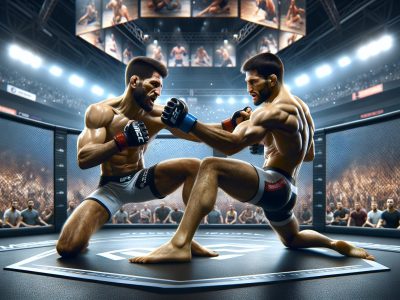
Picture yourself stepping into a world where skill, strategy, and raw power collide. On one side, there’s the electrifying chaos of MMA—a dynamic blend of disciplines that pushes fighters to adapt and dominate in any scenario. On the other, Muay Thai stands as an ancient art form, revered for its precision and devastating strikes delivered with fists, elbows, knees, and shins. Both are thrilling combat sports, but their essence couldn’t be more distinct. what truly sets these two apart? Is it the techniques? The rules? Or perhaps the mindset required to master them? Understanding the difference between MMA and Muay Thai isn’t just about knowing their origins—it’s about appreciating how each shapes its athletes into unique warriors. Whether you’re a fan or considering training yourself, unraveling these contrasts can deepen your connection to these intense disciplines while sharpening your perspective on combat sports.
Overview Of MMA And Muay Thai
Mixed Martial Arts (MMA) and Muay Thai are both combat sports, yet they differ significantly in style, techniques, and rules. Understanding these differences provides a clearer perspective on their unique appeal.
What Is MMA?
MMA is a hybrid combat sport that integrates techniques from various martial arts disciplines like boxing, wrestling, Brazilian Jiu-Jitsu, and Muay Thai. It allows fighters to compete using striking and grappling techniques across different ranges. The sport’s versatility makes it one of the most dynamic forms of competition.
Professional MMA events occur in an octagonal cage or ring with rounds typically lasting five minutes. Fighters wear 4-ounce gloves for hand protection while maintaining minimal padding to preserve striking effectiveness. Popular promotions include the UFC (Ultimate Fighting Championship), Bellator MMA, and ONE Championship.
For instance, during a UFC fight, athletes may transition from standing exchanges involving punches or kicks to ground control through takedowns or submission holds. This multifaceted system demands adaptability and proficiency in multiple skill sets.
What Is Muay Thai?
Muay Thai is a traditional martial art originating from Thailand that’s often called “The Art of Eight Limbs.” It emphasizes strikes using fists, elbows, knees, and shins—providing practitioners with diverse offensive tools. Clinching techniques also play a pivotal role in controlling opponents at close range.
Competitions typically take place in boxing-style rings with matches consisting of three-to-five rounds lasting three minutes each. Fighters wear gloves similar to those used in Western boxing but use shin guards during training sessions to minimize injury risks.
An example can be seen when Nak Muays (Muay Thai practitioners) deliver powerful roundhouse kicks targeting an opponent’s legs or body—a hallmark technique designed for maximum impact. The sport’s deep-rooted traditions incorporate rituals like the Wai Khru Ram Muay dance performed before fights as a tribute to trainers and ancestors.
While MMA focuses on blending styles for versatility under unified rulesets, Muay Thai adheres strictly to its specialized striking framework steeped in cultural significance.
Key Differences In Fighting Styles
MMA and Muay Thai differ significantly in how techniques are applied, with each sport emphasizing unique aspects of combat.
Striking Techniques
Muay Thai prioritizes powerful strikes using fists, elbows, knees, and shins. Known as “The Art of Eight Limbs,” it leverages all available points of contact to deliver maximum impact. Fighters often employ roundhouse kicks aimed at the opponent’s body or legs and elbow strikes for close-range damage. For example, a Muay Thai fighter may use a clinch to land repeated knee strikes on an opponent’s torso.
In MMA, striking incorporates elements from boxing, kickboxing, and Muay Thai but is less rigid in style. Fighters adapt their attacks based on the situation. Punches are more common due to gloves with limited padding (4-6 ounces), enabling grappling transitions after landing a strike.
Grappling And Ground Game
MMA integrates grappling techniques from disciplines like Brazilian Jiu-Jitsu (BJJ) and wrestling. Fighters use takedowns, submissions such as arm bars or triangle chokes, and ground-and-pound strategies once opponents are immobilized on the mat. For instance, Khabib Nurmagomedov dominated many fights by combining relentless wrestling pressure with ground control.
Muay Thai doesn’t focus on grappling beyond clinching for short-range strikes or controlling an opponent’s movements while standing upright. There’s no groundwork aspect since matches end when either fighter is knocked out or outscored during rounds.
Use Of Equipment
Both sports require different gear tailored to their respective rulesets. MMA fighters use fingerless gloves that allow hand flexibility for both striking and grappling maneuvers; shin guards aren’t used during professional bouts but may be worn in training sessions for safety purposes.
Rules And Regulations
Rules and regulations in MMA and Muay Thai define the structure, safety measures, and permissible techniques of each sport. Understanding these distinctions helps clarify their unique approaches to combat.
MMA Rules
MMA rules encompass a wide range of techniques from multiple disciplines. Competitors can strike using punches, kicks, elbows, and knees while also employing grappling strategies like takedowns or submissions. Matches typically occur in an octagonal cage with three five-minute rounds for standard bouts or five rounds for championship fights. Referees enforce rules to ensure fighter safety, such as prohibiting strikes to the back of the head, groin attacks, or biting.
Weight classes maintain fairness by matching fighters of similar size. Gloves used in MMA are fingerless and padded only around the knuckles to help striking and grappling maneuvers. Fighters must adhere to strict medical checks before competing to reduce injury risks.
Illegal moves include eye gouging, small joint manipulation (e.g., pulling fingers), and strikes during breaks or after the bell. Penalties range from point deductions to disqualification depending on severity.
Muay Thai Rules
Muay Thai focuses exclusively on striking within its rule set. Fighters use punches, kicks, elbows, knees, and clinch control but cannot grapple on the ground or execute submissions like in MMA. Traditional matches consist of five three-minute rounds held in a square boxing-style ring with ropes instead of an octagon setup.
Protective gear includes gloves with full padding over fingers and palms alongside shin guards during amateur events for added safety. Professional bouts generally exclude shin guards but retain mouthguards and groin protectors.
Techniques targeting specific areas—such as low roundhouse kicks aimed at opponents’ thighs—are emphasized due to their effectiveness within standing exchanges. Illegal moves include headbutts; throwing opponents via sweeps is allowed only if performed from a clinch without excessive force violating sportsmanship standards established by governing bodies like IFMA (International Federation Of Muaythai Associations).
Training Methods And Techniques
Training in MMA and Muay Thai emphasizes distinct methodologies tailored to their specific skill sets and combat styles.
MMA Training Approach
MMA training incorporates a diverse range of disciplines to build versatility. You develop striking skills by practicing boxing, kickboxing, or Muay Thai techniques. Grappling proficiency comes from wrestling and Brazilian Jiu-Jitsu drills. Fighters often combine these elements through sparring sessions that simulate real fights, blending striking with takedowns and submissions.
Strength conditioning is essential for endurance in MMA. High-intensity interval training (HIIT), weightlifting, and plyometric exercises enhance power and stamina. For instance, fighters might perform barbell squats followed by burpees to replicate explosive movements during fights.
Technical drills focus on transitions between phases—moving seamlessly from stand-up striking to grappling or vice versa. This adaptability defines MMA’s dynamic nature, demanding well-rounded skills rather than specialization in one area.
Muay Thai Training Approach
Muay Thai emphasizes precision in striking using its “eight limbs” philosophy—fists, elbows, knees, and shins. You begin with repetitive drills like shadowboxing or pad work to refine technique and increase muscle memory for strikes such as roundhouse kicks or elbow slashes.
Cardio conditioning dominates Muay Thai routines due to the sport’s fast-paced rhythm. Activities like running 5-10 kilometers daily are common among practitioners aiming to improve footwork agility and overall endurance during bouts.
Clinch practice is a unique aspect of Muay Thai training. Partners engage in controlled clinch battles to develop balance control while executing knee strikes or sweeps effectively at close range—a skill absent in many other martial arts systems.
Popularity And Cultural Influence
Mixed Martial Arts (MMA) and Muay Thai have distinct levels of global recognition and cultural impact. Both sports, while rooted in combat, offer unique histories and influence that resonate differently across regions.
Global Reach Of MMA
MMA has become a worldwide phenomenon over the past two decades, attracting millions of fans through promotions like the UFC, Bellator, and ONE Championship. The sport’s appeal lies in its dynamic nature, combining striking and grappling techniques from various martial arts styles. Major events draw international audiences through pay-per-view platforms and streaming services.
The rise of fighters like Conor McGregor, Amanda Nunes, and Khabib Nurmagomedov has further elevated MMA’s popularity. Their successes represent diverse backgrounds—Irish boxing roots for McGregor or Dagestani wrestling for Khabib—and showcase how MMA unites people globally under one competitive framework. Countries such as Brazil and the United States have established strong MMA communities where local gyms nurture talent aspiring to compete professionally.
Incorporating modern marketing strategies contributes significantly to MMA’s reach. Social media platforms highlight training camps, fight promotions, and behind-the-scenes glimpses into athletes’ lives. This connection boosts engagement among younger demographics who value authenticity in content.
Traditional Roots Of Muay Thai
Muay Thai originates from Thailand as an integral part of its cultural heritage dating back centuries. Recognized as “The Art of Eight Limbs,” it’s deeply intertwined with rituals reflecting respect for teachers (Kru) and spiritual beliefs. Fighters perform the Wai Khru Ram Muay dance before matches—a tradition symbolizing gratitude to trainers alongside prayers for safety.
Unlike MMA’s widespread commercial presence, Muay Thai retains a localized essence even though gaining international attention . Prominent stadiums like Rajadamnern Stadium host daily fights where both locals and tourists witness traditional ceremonies combined with fierce competition.
Conclusion
Understanding the differences between MMA and Muay Thai gives you a clearer perspective on what makes each sport unique. Whether you’re drawn to the all-encompassing nature of MMA or the precision and tradition of Muay Thai, both offer exciting opportunities to explore combat sports in their own way.
Your choice eventually depends on your personal interests and goals, whether you’re seeking versatility through multiple disciplines or mastery of striking techniques steeped in cultural significance. Both paths challenge you physically and mentally, offering rewarding experiences regardless of which one you pursue.
To provide the best experiences, we use technologies like cookies to store and/or access device information. Consenting to these technologies will allow us to process data such as browsing behaviour or unique IDs on this site. Not consenting or withdrawing consent, may adversely affect certain features and functions.
Functional
Always active
The technical storage or access is strictly necessary for the legitimate purpose of enabling the use of a specific service explicitly requested by the subscriber or user, or for the sole purpose of carrying out the transmission of a communication over an electronic communications network.
Preferences
The technical storage or access is necessary for the legitimate purpose of storing preferences that are not requested by the subscriber or user.
Statistics
The technical storage or access that is used exclusively for statistical purposes.The technical storage or access that is used exclusively for anonymous statistical purposes. Without a subpoena, voluntary compliance on the part of your Internet Service Provider, or additional records from a third party, information stored or retrieved for this purpose alone cannot usually be used to identify you.
Marketing
The technical storage or access is required to create user profiles to send advertising, or to track the user on a website or across several websites for similar marketing purposes.