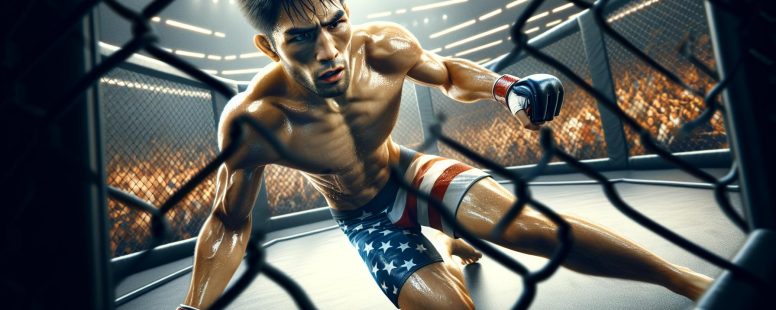
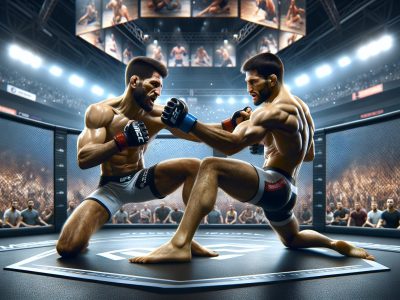
Picture stepping into a combat arena, the crowd roaring, adrenaline surging through your veins. You’re ready to fight—but is it mixed martial arts (MMA) or kickboxing that defines your style? While both pack a punch in the world of combat sports, they couldn’t be more different in technique, strategy, and rules.
Whether you’re drawn to MMA’s dynamic mix of grappling and striking or kickboxing’s electrifying stand-up action, understanding their distinct characteristics can help you appreciate each discipline’s unique appeal. So what truly sets them apart? Let’s jump into the fascinating contrasts between these two powerhouse sports.
Overview Of MMA And Kickboxing
MMA and kickboxing are two popular combat sports with distinct rules, techniques, and histories. Understanding their differences helps you appreciate the unique skills required in each discipline.
What Is MMA?
Mixed Martial Arts (MMA) combines striking, grappling, and submission techniques from various martial arts styles like Brazilian Jiu-Jitsu, wrestling, Muay Thai, and boxing. Fighters compete in an octagon-shaped cage to maximize movement while ensuring safety during matches. Regulations allow a wide range of tactics, including takedowns and ground-and-pound strikes.
For example, notable MMA fighters like Khabib Nurmagomedov excelled at controlling opponents on the ground using sambo-inspired techniques. On the other hand, Conor McGregor is renowned for his precise stand-up striking derived from boxing and karate backgrounds.
Prominent organizations such as the UFC (Ultimate Fighting Championship) have helped grow MMA globally by hosting events that showcase diverse fighting styles within structured rule sets.
What Is Kickboxing?
Kickboxing focuses exclusively on stand-up striking using punches and kicks. Fighters cannot use grappling or clinching except momentarily to set up strikes. Matches take place in a square ring similar to traditional boxing rings but include fewer rounds compared to some other combat sports.
Styles like Japanese kickboxing draw heavily from Muay Thai’s dynamic kicking techniques combined with Western-style boxing combinations. For instance, Giorgio Petrosyan demonstrates elite precision in landing effective counterstrikes during high-stakes Glory Kickboxing bouts.
Key Differences In Techniques And Rules
MMA and kickboxing diverge significantly in their techniques and rule sets, shaping the strategies fighters employ during competition. These differences create distinct experiences for practitioners and spectators.
Striking And Grappling
Kickboxing emphasizes striking with punches, kicks, knees, and sometimes elbows (depending on the style). Fighters focus on speed, timing, and precision while maintaining an upright stance. For example, a kickboxer like Giorgio Petrosyan employs sharp combinations to outmaneuver opponents.
In MMA, grappling becomes equally important as striking. Wrestlers like Khabib Nurmagomedov use takedowns to control fights on the ground. The integration of jiu-jitsu allows submission attempts through joint locks or chokeholds. This versatility means MMA fighters must master both stand-up combat and close-quarter techniques.
Use Of Ground Fighting
Ground fighting plays no role in kickboxing since rules restrict clinching beyond brief exchanges for strikes. Matches remain standing throughout, prioritizing dynamic striking battles.
In contrast, MMA incorporates extensive ground fighting. Fighters use wrestling to secure dominant positions or transition into submissions using Brazilian jiu-jitsu techniques. For instance, Demian Maia’s career showcases how proficiency in ground control can dictate fight outcomes under MMA rules.
Rules And Regulations
Kickboxing enforces strict limitations on allowable moves; strikes below the beltline are prohibited in many styles except low kicks targeting thighs (e.g., Japanese kickboxing). Time-limited rounds maintain constant action within a square ring environment.
Differences In Training And Skillsets
The training and skillsets required for MMA and kickboxing differ significantly due to the unique demands of each sport. These differences shape how athletes prepare, develop techniques, and approach competition.
Training Focus In MMA
MMA training combines stand-up striking, grappling, and submission techniques to create well-rounded fighters. You learn disciplines like Brazilian jiu-jitsu (BJJ), wrestling, Muay Thai, boxing, and judo. Fighters spend hours drilling takedowns, transitioning between positions on the ground, and defending against submissions.
Conditioning prioritizes both explosive power and endurance since fights can shift between fast-paced exchanges and prolonged grappling sequences. For instance, you might master BJJ’s rear-naked choke while practicing Muay Thai clinch strikes for close-range combat. Balancing diverse skills is essential because MMA matches require adaptability across multiple ranges—striking distance to ground control.
MMA gyms often include cage-specific drills since most bouts occur in an octagon-shaped arena. Practicing wall-walking or using the cage for leverage during takedowns gives fighters a competitive edge. Notable examples include Georges St-Pierre’s integration of karate with superior wrestling skills or Amanda Nunes’ ability to dominate opponents standing or on the mat.
Training Focus In Kickboxing
Kickboxing focuses solely on stand-up striking techniques like punches, kicks, knees, and occasionally elbows depending on rule sets (e.g., Glory rules). You refine speed, timing accuracy while maintaining proper stance balance throughout exchanges without considering grappling elements.
Training sessions emphasize combinations targeting upper body strikes followed by leg attacks; for example: jab-cross-hook-low kick sequences are practiced repeatedly until they become instinctive responses during sparring matches or competitions. Defensive techniques also play a vital role—blocking roundhouse kicks effectively protects against significant damage.
Popularity And Audience Appeal
MMA and kickboxing attract different audiences due to their unique rules, techniques, and presentation styles. While both sports enjoy significant followings, their global reach and cultural impact vary.
Global Reach Of MMA
MMA has grown into a worldwide phenomenon, with organizations like the UFC leading its expansion. Events are broadcast in over 150 countries, reaching millions of viewers annually. Fighters from diverse backgrounds—such as Brazil’s Amanda Nunes or Nigeria’s Israel Adesanya—highlight the sport’s international appeal. Social media platforms amplify fighter personas, connecting them directly with fans.
The octagon format creates an intense viewing experience that appeals to younger demographics seeking dynamic entertainment. Countries like the United States, Brazil, and Russia dominate viewership; but, emerging markets in Asia contribute significantly to MMA’s growth. Promotions such as ONE Championship cater specifically to Asian audiences by emphasizing regional martial arts traditions alongside modern combat.
Global Reach Of Kickboxing
Kickboxing maintains strong followings in specific regions rather than achieving universal popularity like MMA. Japan’s K-1 and Europe’s Glory Kickboxing represent major hubs for professional competition. Countries such as Thailand integrate aspects of Muay Thai into kickboxing events, enhancing cultural relevance within Southeast Asia.
Even though a smaller global footprint compared to MMA, kickboxing thrives on precision-focused contests that resonate with purist combat sports fans. Fighters like Rico Verhoeven gain recognition as dominant champions through disciplined striking performances aired globally via niche streaming services or local broadcasters.
Equipment And Attire
MMA and kickboxing require distinct equipment and attire that reflect their unique demands. Each sport’s gear ensures safety, enhances performance, and aligns with competition rules.
Gear In MMA
MMA fighters use versatile gear due to the sport’s combination of striking, grappling, and ground fighting. Gloves are distinct with open fingers to allow for grappling while protecting hands during punches. These gloves typically weigh 4-6 ounces.
Protective equipment includes mouthguards, groin protectors, and sometimes shin guards during training. Fighters wear compression shorts or board shorts without pockets or zippers to prevent injuries. Rash guards are often worn in training to minimize skin abrasions from grappling.
Cages are an integral part of MMA competition; they prevent fighters from falling out during takedowns or clinches. Shoes aren’t allowed in professional matches since bare feet help maintain grip on the canvas for effective strikes and submissions.
Gear In Kickboxing
Kickboxers rely on specialized gear designed for stand-up combat. Gloves weigh between 8-16 ounces depending on weight class or organization rules, offering more padding than MMA gloves for enhanced hand protection.
Shin guards play a crucial role in training but aren’t used in professional bouts. A mouthguard protects against facial impacts while a groin protector ensures safety during kicks below the beltline.
Attire consists of loose-fitting shorts allowing unrestricted leg movement essential for kicks. Shoes are not worn as barefoot techniques promote better balance and precision when delivering strikes within a square ring setup common in kickboxing events like Glory or K-1 tournaments.
Conclusion
Understanding the differences between MMA and kickboxing helps you appreciate the unique qualities each sport brings to the world of combat sports. Whether you’re drawn to MMA’s versatility and ground techniques or kickboxing’s precision-focused striking, both disciplines offer thrilling experiences for fans and fighters alike.
Your preference may depend on what excites you more—strategic grappling exchanges in a cage or explosive stand-up battles in a ring. Each sport has its own charm, rich history, and dedicated following, ensuring there’s something for everyone to enjoy within these dynamic fighting styles.
To provide the best experiences, we use technologies like cookies to store and/or access device information. Consenting to these technologies will allow us to process data such as browsing behaviour or unique IDs on this site. Not consenting or withdrawing consent, may adversely affect certain features and functions.
Functional
Always active
The technical storage or access is strictly necessary for the legitimate purpose of enabling the use of a specific service explicitly requested by the subscriber or user, or for the sole purpose of carrying out the transmission of a communication over an electronic communications network.
Preferences
The technical storage or access is necessary for the legitimate purpose of storing preferences that are not requested by the subscriber or user.
Statistics
The technical storage or access that is used exclusively for statistical purposes.The technical storage or access that is used exclusively for anonymous statistical purposes. Without a subpoena, voluntary compliance on the part of your Internet Service Provider, or additional records from a third party, information stored or retrieved for this purpose alone cannot usually be used to identify you.
Marketing
The technical storage or access is required to create user profiles to send advertising, or to track the user on a website or across several websites for similar marketing purposes.