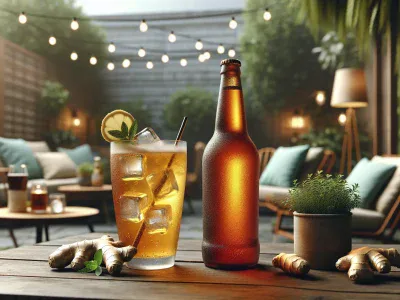
Picture this: you’re at a bustling summer party, craving something refreshing and zesty. Someone hands you a fizzy drink with a sharp kick of ginger, but is it ginger beer or ginger ale? At first sip, they might seem similar, but these two beverages have distinct personalities that set them apart.
From their origins to their bold flavors, ginger beer and ginger ale cater to different tastes and occasions. Whether you’re mixing cocktails or sipping solo, understanding their differences can elevate your drink choices. So, what makes one fiery and the other mellow? Let’s jump into the world of ginger-infused goodness and uncover what truly separates these two sparkling favorites.
Overview Of Ginger Beer And Ginger Ale
Ginger beer and ginger ale are two distinct beverages derived from ginger, offering varied experiences in taste, preparation, and use. Even though their similarities, they serve different roles in culinary and social settings.
What Is Ginger Beer?
Ginger beer originates from the 18th century, traditionally brewed and fermented like a mild alcoholic beverage. Modern ginger beer often contains less than 0.5% alcohol or is completely non-alcoholic. It’s known for its robust, spicy flavor driven by a higher ginger content.
This drink works well in cocktails like the Moscow Mule or enjoyed on its own for a bold taste. Small batches of ginger beer, such as those from artisanal producers, tend to include natural ginger, sugar, and water, fermented with yeast for its signature kick. Ginger beer is generally cloudy in appearance with a richer, almost pungent profile compared to its counterpart.
What Is Ginger Ale?
Ginger ale, a non-alcoholic soda, provides a milder and sweeter profile. First created in the 19th century, it’s more commercially widespread, found in stores under brands like Canada Dry or Schweppes. Unlike ginger beer, ginger ale is typically carbonated water flavored with ginger essence, high-fructose corn syrup, or sugar.
This beverage pairs well with meals or serves as a soothing remedy for nausea due to its calm, subtle taste. Ginger ale has a clear, crisp appearance and caters to a broader audience due to its less intense spice, making it ideal for casual consumption or as a mixer for spirits like whiskey.
Key Ingredients And Production Processes
Understanding the key ingredients and how they’re crafted highlights the unique personalities of ginger beer and ginger ale. Their distinct components and production techniques create their diverse flavors.
Ingredients In Ginger Beer
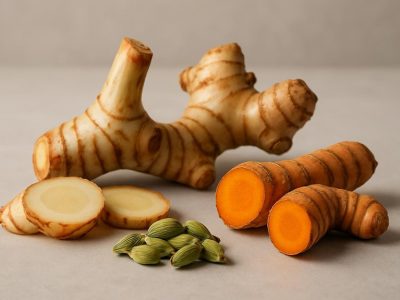
Ginger beer relies on natural ingredients like fresh ginger, water, sugar, and yeast. The yeast initiates fermentation, producing a complex, spicy flavor profile. Some recipes include additional spices, such as cardamom or cloves, to enhance the taste.
Ingredients In Ginger Ale
Ginger ale uses carbonated water, ginger flavoring, sugar, and citric acid. Manufacturers often add preservatives and artificial sweeteners to extend shelf life. Unlike ginger beer, it doesn’t require fermentation, which gives it a sweeter and milder taste.
How Ginger Beer Is Made
Traditional fermentation defines the ginger beer process. Fresh ginger is combined with water, sugar, and yeast, then left to ferment for days or weeks. This fermentation naturally creates carbonation and a small alcohol content (typically under 0.5%). Companies nowadays often filter or pasteurize ginger beer before bottling to control alcohol levels and stabilize the product.
How Ginger Ale Is Made
Ginger ale production involves mixing carbonated water with ginger extract, sweeteners, and additives. No fermentation is involved, making the process quicker. Large-scale manufacturers use syrups that mimic ginger’s taste, while small producers may opt for real ginger for a more authentic flavor. The beverage is then bottled under pressure to preserve fizziness.
Taste And Flavor Profiles
Ginger beer and ginger ale each deliver unique taste experiences, appealing to different preferences and occasions. Their flavor intensity and complexity set them apart.
Distinct Flavor Of Ginger Beer
Ginger beer boasts a bold, spicy kick with a rich depth of flavor. Fermentation accentuates the natural heat of ginger, creating a drink with an unmistakable zing. The spice may linger on your palate, making it a favorite for those who enjoy robust beverages. Its cloudy texture often complements the drink’s hearty taste profile.
This beverage is versatile but its strong flavor stands well alone. You can find it featured in cocktails like the Moscow Mule. Pairing it with lime or mint enhances the spice, balancing its warmth with refreshing flavors. If you prefer added complexity, artisanal brands may incorporate spices like cloves or cinnamon.
Taste Characteristics Of Ginger Ale
Ginger ale offers a sweeter, more subdued taste compared to ginger beer. The carbonation provides a crisp and effervescent quality, while the ginger flavor is mild and balanced. Its sugary base often overpowers the ginger’s heat, giving it a candy-like finish.
This soda works well as a mixer in cocktails or mocktails, blending seamlessly without overshadowing other ingredients. Its lightness makes it a popular option for soothing an upset stomach. Commercial ginger ales often adjust sweetness and spiciness, but premium brands using real ginger may deliver a more noticeable ginger presence.
Uses And Pairings
Popular Uses For Ginger Beer
Ginger beer’s bold, spicy flavors make it a favorite in craft cocktails. It’s central to drinks like the Moscow Mule, a mix of vodka, ginger beer, and lime juice, served in iconic copper mugs. Another classic, the Dark ‘n’ Stormy, combines ginger beer with dark rum and lime for a tropical twist. Chefs also incorporate ginger beer into marinades or glazes for meats, adding depth with its gingery heat. On its own, ginger beer appeals to those who prefer intense non-alcoholic drinks. Variants, such as those enhanced with spices like cardamom or cloves, offer even more pairing opportunities in culinary settings.
Common Ways To Enjoy Ginger Ale
Ginger ale’s sweet, mild profile makes it versatile as both a standalone drink and a mixer. It’s often paired with whiskey in cocktails like the classic Whiskey Ginger. Non-alcoholic drinkers enjoy it with ice and a lemon slice for a refreshing beverage. Its soothing properties make it a popular remedy for nausea or an upset stomach. Ginger ale’s sugary base also makes it a substitute for sodas in punch recipes. Premium versions, made with real ginger, bring out a sharper flavor that balances well with tart mixers like cranberry or citrus juices.
Alcohol Content And Carbonation
Ginger beer and ginger ale differ significantly in their alcohol content and carbonation methods, shaping their distinct characteristics. Each aspect has a unique impact on the beverages’ overall identity.
Alcohol Content In Ginger Beer
Traditional ginger beer possesses a trace amount of alcohol, typically under 0.5%. This low level categorizes it as non-alcoholic by U.S. standards, though the alcohol is a result of natural fermentation. Craft versions may contain slightly more, depending on fermentation time. For example, historically brewed ginger beer used in 18th-century Britain sometimes reached 11% alcohol. Most modern commercial brands, but, are entirely alcohol-free to cater to broader markets.
With non-alcoholic variations dominating store shelves, some brands label these beverages “ginger beer” based on their spicy profile and fermented origins, even though fermentation’s absence yields no alcohol. A popular alcoholic option, Hard Ginger Beer, intentionally includes a higher ABV (alcohol by volume), often 4-6%, to align with beer and cider lovers’ preferences.
Carbonation Levels In Ginger Ale
Ginger ale relies on artificial carbonation, resulting in precise effervescence levels that deliver a light, refreshing experience. Manufacturers infuse the beverage with CO2 to create its signature fizzy texture, ensuring consistent quality across batches. For instance, mass-produced ginger ales like Canada Dry maintain delicate bubbles, enhancing their appeal as mixers in cocktails like Whiskey Ginger.
Ginger ale’s carbonation is smoother and softer compared to soda alternatives like cola, aligning with its mild, sweet flavor. Small-batch or premium ginger ales often feature finer bubbles for an elegant mouthfeel, mimicking the effervescence of champagne. Whether enjoyed solo or in mixtures, its carbonation elevates drinking experiences.
Conclusion
Whether you’re craving the bold spice of ginger beer or the sweet effervescence of ginger ale, understanding their differences helps you make the perfect choice for any occasion. Each drink offers a unique personality, from ginger beer’s hearty kick to ginger ale’s crisp sweetness.
Next time you’re hosting a party or crafting a cocktail, you’ll know which beverage fits the moment. Both have their charm, but it’s all about what suits your taste and purpose. Embrace their distinct flavors and enjoy the versatility they bring to your drinks and dishes.
To provide the best experiences, we use technologies like cookies to store and/or access device information. Consenting to these technologies will allow us to process data such as browsing behaviour or unique IDs on this site. Not consenting or withdrawing consent, may adversely affect certain features and functions.
Functional
Always active
The technical storage or access is strictly necessary for the legitimate purpose of enabling the use of a specific service explicitly requested by the subscriber or user, or for the sole purpose of carrying out the transmission of a communication over an electronic communications network.
Preferences
The technical storage or access is necessary for the legitimate purpose of storing preferences that are not requested by the subscriber or user.
Statistics
The technical storage or access that is used exclusively for statistical purposes.The technical storage or access that is used exclusively for anonymous statistical purposes. Without a subpoena, voluntary compliance on the part of your Internet Service Provider, or additional records from a third party, information stored or retrieved for this purpose alone cannot usually be used to identify you.
Marketing
The technical storage or access is required to create user profiles to send advertising, or to track the user on a website or across several websites for similar marketing purposes.