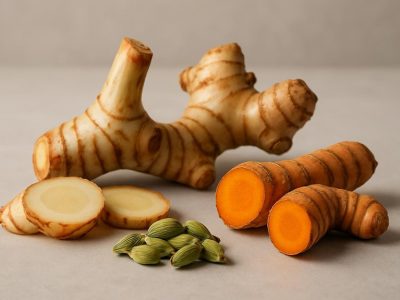
Your recipe calls for ginger, but your pantry’s fresh out—now what? Don’t let the absence of this zesty root derail your culinary masterpiece. Ginger’s bold, peppery warmth adds a unique kick to dishes, but you’d be surprised at how many ingredients can step in and save the day without compromising flavor.
Why Consider A Substitute For Ginger?
Running out of ginger doesn’t have to disrupt your cooking plans. Substitutes can help maintain the flavor profile of your dish without compromising its quality.
Common Reasons To Look For Alternatives
Stock shortages often lead you to search for a replacement. If ginger isn’t available in your pantry, alternatives like ground cinnamon or allspice can mimic its warm undertones in recipes like curries or baked goods.
Recipe-specific needs may also prompt substitution. Some dishes require a milder taste, making turmeric or galangal better options than fresh ginger due to their subtle differences.
Preference variations might influence your choice too. Not everyone enjoys the heat and sharpness of ginger; substitutes like lemon zest provide citrusy notes without the spice.
Health Considerations And Allergies
Dietary restrictions make substitutes necessary when someone is allergic to ginger’s compounds, such as gingerol. Safe replacements include cardamom for teas or fennel seeds in savory dishes.
Digestive concerns might arise since some individuals find ginger harsh on their stomachs; gentler spices like anise offer similar benefits with less irritation.
Medical interactions could require avoiding ginger entirely if prescribed medications conflict with it. Consult a healthcare professional before using alternatives like peppermint oil for nausea relief or cloves for inflammation control.
Best Substitutes For Fresh Ginger
If fresh ginger is unavailable, several substitutes can replicate its distinctive flavor. Choose the right alternative based on your recipe’s needs and desired taste profile.
Turmeric
Turmeric offers a warm, earthy flavor similar to ginger but with a slightly bitter undertone. Its vibrant yellow color makes it ideal for curries, soups, and marinades. Use 1/4 teaspoon of ground turmeric to replace 1 tablespoon of minced fresh ginger in savory dishes. Avoid adding too much as it may overpower other ingredients.
Galangal
Galangal closely resembles ginger in appearance and taste but has a sharper, citrusy note. It works well in Thai or Indonesian recipes like tom yum soup or rendang curry. Substitute an equal amount of grated galangal for fresh ginger when preparing Asian-inspired dishes.
Garlic
Although garlic lacks the spiciness of ginger, its savory depth complements stir-fries, sauces, and roasted vegetables. Mince one clove of garlic for every tablespoon of fresh ginger required in your dish. Pair garlic with lemon juice or chili flakes to balance flavors if you’re aiming for a zesty kick.
Ground Ginger
Ground ginger provides a concentrated form of the spice’s essence without the fibrous texture found in fresh roots. Replace 1 tablespoon of minced ginger with 1/4 teaspoon of ground ginger in baked goods or beverages like tea and smoothies. Mix thoroughly to ensure even distribution throughout the dish.
Substitutes For Ginger In Baking
Ginger’s warm, spicy flavor is a cornerstone in many baked goods. When it’s unavailable, several alternatives can provide similar depth and aroma.
Ground Allspice
Ground allspice offers a blend of cinnamon, nutmeg, and cloves in a single spice. Its sweet-spicy profile works well in gingerbread or pumpkin pie recipes. Replace one teaspoon of ground ginger with 3/4 teaspoon of ground allspice for balanced flavor.
Ground Cinnamon
Ground cinnamon brings warmth and sweetness to baked goods like cookies or cakes. Use it in equal amounts as a substitute for ginger when you want a milder yet aromatic replacement. The familiar taste of cinnamon enhances desserts without overpowering other ingredients.
Nutmeg
Nutmeg adds earthy notes with hints of sweetness that complement spiced desserts. Substitute half the amount of ginger required with nutmeg to avoid overwhelming flavors. For example, if your recipe calls for two teaspoons of ginger, use one teaspoon of nutmeg instead.
Mace
Mace delivers a lighter version of nutmeg’s warm taste. It’s ideal for subtlety in custards or fruit-based bakes where strong spices might dominate. Use mace sparingly—1/2 teaspoon can replace one teaspoon of ginger while maintaining balance in delicate recipes.
Substitutes For Ginger In Beverages
When ginger runs out, you can still create flavorful beverages using alternatives that mimic its warmth or provide a unique twist. Selecting the right substitute depends on the desired flavor profile and the drink you’re preparing.
Lemon And Honey
Lemon and honey combine to offer a soothing alternative to ginger in teas and warm drinks. Lemon’s tangy acidity pairs with honey’s natural sweetness to replicate some of ginger’s bright, warming qualities. Add the juice of half a lemon and one tablespoon of honey per cup of water for balance. This mixture works well in herbal teas or as a base for homemade remedies.
In cold beverages like iced tea, use lemon slices alongside honey syrup to enhance freshness while maintaining depth. The blend offers a comforting yet revitalizing effect without overpowering other ingredients.
Cardamom
Cardamom provides aromatic complexity that’s ideal for replacing ginger in spiced drinks like chai or mulled wine. Its citrusy, slightly floral notes impart warmth similar to ginger while introducing subtle sweetness. Use 2-3 crushed cardamom pods or 1/4 teaspoon ground cardamom per serving for optimal results.
In smoothies or lattes, combine cardamom with cinnamon or vanilla to deepen flavors further while maintaining harmony among components. Adjust quantities based on personal preferences and recipe requirements for enhanced versatility across different beverage types.
Tips For Using Ginger Substitutes Effectively
Using substitutes for ginger requires careful adjustments to preserve the intended flavor and aroma of your dish. Focus on measurement precision and flavor harmony to ensure a seamless replacement.
Adjusting Measurements
Modify measurements based on the potency of the substitute compared to fresh or ground ginger. For instance, if using ground cinnamon as an alternative, use 1/4 tsp of cinnamon for every tablespoon of fresh ginger due to its concentrated flavor. When replacing with galangal, maintain a 1:1 ratio but slice thinner since it’s denser.
Consider recipe type when measuring substitutes. In beverages like tea, add 2-3 crushed cardamom pods instead of grated ginger for subtle warmth without overpowering other ingredients. In soups or marinades, start with half the amount suggested for fresh ginger when opting for turmeric and increase gradually after tasting.
Balancing Flavors
Balance flavors by pairing substitutes with complementary spices or sweeteners that enhance their profile. If you’re using nutmeg in baking recipes, combine it with a pinch of mace to replicate ginger’s complexity while maintaining depth.
Counteract missing spiciness by adding black pepper or chili flakes sparingly alongside milder alternatives like fennel seeds. For example, mix 1/2 tsp fennel seeds and a dash of black pepper in savory dishes to achieve a layered taste similar to fresh ginger’s spice and earthiness.
Test substitutions in small portions first to avoid unbalanced outcomes in larger quantities.
Conclusion
Finding the right substitute for ginger doesn’t have to be a challenge. With so many versatile alternatives available, you can still create dishes and drinks that deliver depth and flavor. Whether you’re baking, cooking, or crafting beverages, adjusting measurements and balancing flavors ensures your recipes turn out just as satisfying. Experiment confidently with these substitutes to suit your preferences and culinary needs while keeping every dish flavorful and unique.
To provide the best experiences, we use technologies like cookies to store and/or access device information. Consenting to these technologies will allow us to process data such as browsing behaviour or unique IDs on this site. Not consenting or withdrawing consent, may adversely affect certain features and functions.
Functional
Always active
The technical storage or access is strictly necessary for the legitimate purpose of enabling the use of a specific service explicitly requested by the subscriber or user, or for the sole purpose of carrying out the transmission of a communication over an electronic communications network.
Preferences
The technical storage or access is necessary for the legitimate purpose of storing preferences that are not requested by the subscriber or user.
Statistics
The technical storage or access that is used exclusively for statistical purposes.The technical storage or access that is used exclusively for anonymous statistical purposes. Without a subpoena, voluntary compliance on the part of your Internet Service Provider, or additional records from a third party, information stored or retrieved for this purpose alone cannot usually be used to identify you.
Marketing
The technical storage or access is required to create user profiles to send advertising, or to track the user on a website or across several websites for similar marketing purposes.