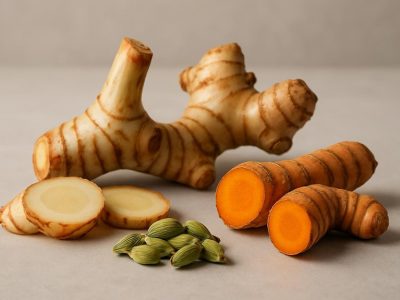
Ginger’s zesty kick and warm aroma have made it a kitchen staple, but what happens when you’re out or can’t use it? Whether you’re avoiding it due to allergies, taste preferences, or simply an empty spice jar, finding the right substitute can feel like a culinary puzzle. The good news? There are plenty of alternatives that can bring bold flavors and unique twists to your dishes.
Imagine recreating that comforting zing or spicy warmth without ginger. From earthy spices to citrusy notes, these substitutes don’t just fill the gap—they can elevate your recipes in surprising ways. Whether you’re whipping up a soothing tea, a savory stir-fry, or a sweet treat, the perfect ginger alternative is closer than you think. Ready to discover your next go-to ingredient? Let’s jump into the flavorful possibilities.
Why Look For An Alternative To Ginger?
Ginger’s distinctive profile makes it an irreplaceable component in many dishes, but not everyone can or wants to use it. Allergies to ginger, though uncommon, can cause adverse reactions like skin irritation or digestive discomfort. If you’re one of those affected, exploring substitutes becomes essential for your safety.
Cultural preferences and dietary restrictions also influence recipe choices. Some cuisines may require an alternative to accommodate specific tastes or traditions. For example, if a dish needs to avoid ginger for religious or regional reasons, finding a similar spice ensures the recipe’s balance.
Limited availability is another reason to seek replacements. Grocery shortages mean some can’t access fresh or ground ginger. For those cooking a meal, an alternative like galangal or turmeric maintains the flavor depth without altering the recipe substantially. Embracing flexibility in your ingredients can lead to creative discoveries.
Finally, personal taste preferences drive the search for substitutes. Ginger’s spicy, pungent bite doesn’t appeal to everyone, particularly in sweet recipes. Using milder options like cinnamon or nutmeg allows you to enjoy the dish without compromising its appeal. It’s all about adapting your ingredients to your needs.
Top Alternatives To Ginger
When ginger isn’t an option, certain spices and roots can effectively mimic its warmth and spice. Here are some excellent substitutes, each bringing unique benefits to your culinary creations.
Turmeric
Turmeric offers an earthy flavor and mild bitterness, pairing well in marinades, curries, and soups. It lacks ginger’s sharpness but provides a vibrant yellow color to dishes, enhancing visual appeal. Use 1/2 teaspoon of turmeric for every teaspoon of ginger in savory recipes.
Cardamom
Cardamom delivers a sweet and citrusy warmth, complementing baked goods and beverages like chai. Use ground cardamom sparingly; a pinch or two can replace ginger without overpowering other ingredients. Whole pods can also infuse flavor into rice and curries.
Galangal
Galangal, a relative of ginger, has a sharper, pine-like taste. It’s common in Thai and Indonesian cuisines, perfect for soups like Tom Yum or stir-fried dishes. Substitute equal amounts of galangal for fresh ginger, but peel it thoroughly as its skin is tougher.
Allspice
Allspice combines flavors of cinnamon, nutmeg, and cloves, providing subtle sweetness and heat. Use it in desserts, stews, or sauces. Replace 1 teaspoon of ginger with 3/4 teaspoon of allspice for a balanced flavor.
Cinnamon
Cinnamon adds sweetness and warmth to both sweet and savory recipes. While it lacks ginger’s spiciness, it works well in meat rubs, desserts, and drinks. Add 1/2 teaspoon of cinnamon to replace ginger and adjust to taste based on the dish.
Benefits Of Using Ginger Substitutes
Using ginger substitutes offers flexibility in cooking and delivers unique flavors and health benefits. They adapt seamlessly to various recipes and provide creative options when ginger isn’t available.
Flavor Variations
Each ginger substitute introduces distinct flavor profiles to your dishes. Turmeric adds an earthy bitterness and vibrant golden hue, complementing soups and rice dishes. Cardamom brings a sweet citrusy tang, ideal for desserts or chai tea. Galangal offers a sharp, piney taste perfect for Southeast Asian curries. Allspice combines cinnamon, nutmeg, and clove notes, enhancing baked goods or spiced stews. Cinnamon imparts sweet warmth, making it a versatile option for both savory and sweet recipes. These alternatives expand your culinary range and make meals unique.
Health Benefits
Ginger substitutes provide various health benefits. Turmeric contains curcumin, which supports anti-inflammatory and antioxidant activity, benefiting joint and heart health (Journal of Clinical Medicine, 2020). Cardamom may help improve digestion and respiratory health with its essential oils. Galangal boasts anti-cancer properties due to its galangin content, while allspice offers antibacterial compounds and can soothe digestion. Cinnamon aids in reducing blood sugar levels due to cinnamaldehyde. These substitutes not only replicate ginger’s potential health benefits but also add their unique qualities to your dishes.
Versatility In Cooking
Ginger substitutes fit a wide range of cuisines and recipes. Turmeric works in Indian curries or golden milk. Cardamom pairs well with Scandinavian pastries or Middle Eastern rice. Galangal elevates Thai soups and Indonesian rendang. Allspice enhances Caribbean jerk marinades or mulled drinks. Cinnamon complements oatmeal, apple pies, and Moroccan tagines. Their adaptability unlocks creative possibilities and ensures a delicious outcome every time.
Tips For Choosing The Best Ginger Alternative
Understand Flavor Profiles
Match the substitute’s flavor to the dish’s requirements. For instance, use turmeric for an earthy tone or cardamom for citrusy sweetness. Consider galangal’s sharpness for Southeast Asian recipes. Choose cinnamon or allspice in desserts or drinks requiring warmth.
Consider Cooking Method
Evaluate how the alternative reacts to heat or cooking time. Turmeric works well in slow-cooked curries, while cardamom and cinnamon release flavors faster, perfect for teas or quick recipes. Opt for robust substitutes like galangal in stir-fries.
Assess Quantity Adjustments
Substitute quantities affect taste significantly. For example, turmeric has a stronger impact than ginger, requiring smaller amounts. Use ⅓ teaspoon turmeric or ½ teaspoon cinnamon for every 1 teaspoon of ginger. Test in small batches to avoid overpowering flavors.
Factor Health Benefits
Select based on nutritional needs. Turmeric provides anti-inflammatory effects; cinnamon helps regulate blood sugar. Cardamom aids digestion, and galangal is rich in antioxidants. Align substitutes with dietary preferences or health goals.
Experiment with Availability
Use locally available options. If access to fresh galangal is limited, dried or powdered versions work well. Similarly, spices like allspice and cinnamon may already be in your pantry, saving time and effort.
Conclusion
Exploring alternatives to ginger opens up a world of flavors and possibilities in your cooking. Whether you’re working around allergies, preferences, or availability, these substitutes can bring their own unique twist to your dishes. From the earthy depth of turmeric to the sweet warmth of cinnamon, each option offers something special to enhance your recipes.
By understanding flavor profiles and experimenting with different spices, you can create meals that are both delicious and tailored to your needs. Embrace the opportunity to get creative in the kitchen and discover how versatile these substitutes can be.
To provide the best experiences, we use technologies like cookies to store and/or access device information. Consenting to these technologies will allow us to process data such as browsing behaviour or unique IDs on this site. Not consenting or withdrawing consent, may adversely affect certain features and functions.
Functional
Always active
The technical storage or access is strictly necessary for the legitimate purpose of enabling the use of a specific service explicitly requested by the subscriber or user, or for the sole purpose of carrying out the transmission of a communication over an electronic communications network.
Preferences
The technical storage or access is necessary for the legitimate purpose of storing preferences that are not requested by the subscriber or user.
Statistics
The technical storage or access that is used exclusively for statistical purposes.The technical storage or access that is used exclusively for anonymous statistical purposes. Without a subpoena, voluntary compliance on the part of your Internet Service Provider, or additional records from a third party, information stored or retrieved for this purpose alone cannot usually be used to identify you.
Marketing
The technical storage or access is required to create user profiles to send advertising, or to track the user on a website or across several websites for similar marketing purposes.