Choosing the right camera can feel like navigating a maze of specs and features, especially when two models seem so similar at first glance. The Sony FX3 and FX30 are prime examples—both designed for creators who crave cinematic quality but with subtle differences that could make or break your decision.
Overview Of FX3 And FX30
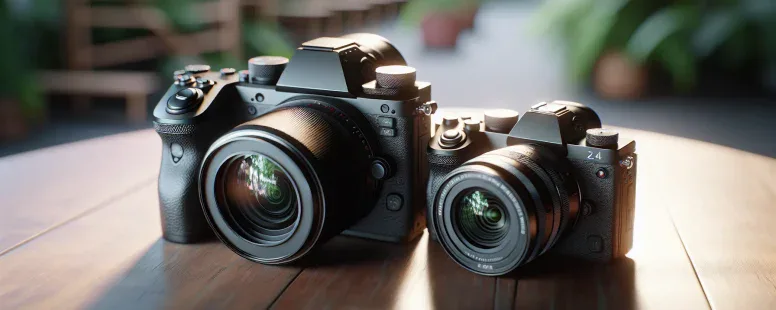
The Sony FX3 and FX30 are compact cinema cameras designed for video creators seeking professional-grade quality. Both models belong to Sony’s Cinema Line, offering advanced features for filmmakers.
The FX3 uses a 12.1MP full-frame sensor, delivering exceptional low-light performance and shallow depth of field. This is ideal for cinematic shots with beautiful bokeh effects. It supports up to 4K resolution at 120fps, enabling slow-motion capabilities while maintaining high detail.
The FX30, equipped with a 26.0MP APS-C sensor (Super 35 format), provides higher resolution stills and videos compared to the FX3 but lacks the same low-light sensitivity due to its smaller sensor size. It also shoots in 4K at up to 120fps, ensuring consistency in frame rate options between the two models.
Key shared features include dual CFexpress Type A/SD card slots, real-time eye autofocus for humans and animals, and S-Cinetone color profiles for vibrant cinematic results straight out of the camera. But, differences in their sensor sizes significantly affect image quality, dynamic range, and overall usability depending on shooting conditions or creative goals.
For portability-focused projects or those requiring lighter gear setups without compromising functionality, you might find the FX30 more suitable since it weighs less than the FX3 by approximately 300 grams (1lb).
Design And Build Quality
The Sony FX3 and FX30 share similar design elements, catering to filmmakers who prioritize portability and usability. Even though these similarities, differences in size, weight, and materials influence their functionality in various shooting environments.
Size And Weight
The FX3 measures 129.7 x 77.8 x 84.5 mm and weighs approximately 715 g with a battery and card included. In comparison, the FX30 is slightly more compact at 129.7 x 77.8 x 84 mm and lighter at around 646 g under similar conditions.
These distinctions make the FX30 better for handheld or gimbal setups where reducing strain is critical during long shoots. But, if you’re accustomed to larger cameras for stability on rigs or tripods, the added weight of the FX3 could be advantageous.
Durability And Materials
Both models feature magnesium alloy bodies that enhance durability while maintaining lightweight construction. This material choice provides resistance against physical impact during field use.
But, weather sealing differs slightly between them—while both offer protection against dust and moisture, the FX3’s sealing aligns closer to professional-grade standards designed for demanding outdoor conditions. The subtle variance here might affect your decision if you’re frequently working in unpredictable environments like rainforests or deserts.
Performance And Features
Performance differences between the FX3 and FX30 hinge on their sensor technology, video capabilities, and autofocus systems. Each model delivers distinct advantages tailored to specific creative needs.
Sensor And Image Quality
The FX3’s full-frame 12.1MP sensor excels in low-light conditions due to its larger pixel size. This enhances dynamic range and reduces noise in dimly lit environments, making it ideal for night scenes or indoor shoots. The shallow depth of field creates cinematic bokeh effects, giving your footage a professional aesthetic.
In contrast, the FX30’s 26.0MP APS-C sensor offers higher resolution for stills and videos under controlled lighting conditions. Its cropped sensor provides a magnified field of view compared to the FX3, which can be advantageous when shooting distant subjects without additional lenses.
Both models support S-Log3 and S-Cinetone profiles for advanced color grading flexibility. But, the FX3’s wider latitude ensures better retention of highlight and shadow details during post-production edits.
Video Capabilities
The FX3 supports up to 4K at 120fps without overheating limitations common in smaller cameras; this is crucial for extended takes like interviews or events. Its dual native ISO enhances versatility across different lighting setups by minimizing grain at higher sensitivities.
While the FX30 also records 4K at 120fps with similar slow-motion performance, its rolling shutter artifacts are slightly more noticeable during quick pans or fast-moving scenes due to the APS-C readout speed constraints.
Both cameras include features like timecode sync input for multicam setups but differ in handling external recording workflows—the FX3 integrates a fan-based cooling system allowing unlimited recording durations even with demanding codecs such as All-Intra XAVC-I.
Autofocus System
Real-time Eye AF is available on both models; but, the FX3 performs better under challenging scenarios involving low light or backlit subjects because of its superior sensor sensitivity.
The FX30 leverages Sony’s AI-based tracking algorithms effectively but might struggle slightly with subject recognition when dealing with complex compositions or high-speed movements compared to its full-frame counterpart.
Each camera allows customizable focus settings via touch control interfaces displayed on vari-angle LCD monitors—ideal for vloggers adjusting framing dynamically while maintaining critical focus accuracy across diverse shooting angles.
Connectivity And Ports
Both the FX3 and FX30 include versatile connectivity options, catering to filmmakers’ diverse needs. These features enhance workflow efficiency and offer flexibility in different shooting environments.
Input And Output Options
The FX3 and FX30 feature a full-size HDMI Type-A port, ensuring reliable video output for external monitors or recorders. The inclusion of dual 3.5mm microphone/headphone jacks provides professional audio monitoring capabilities, essential for precise sound capture. Both cameras support USB-C for fast file transfers and tethered shooting, simplifying on-set workflows.
For expanded compatibility, a multi-interface shoe is present on both models. It allows you to attach accessories like XLR audio adapters without additional cables cluttering your setup. But, where the FX3 stands out is its ability to deliver 16-bit RAW output via HDMI when paired with an external recorder—a crucial advantage for post-production flexibility.
Wireless Capabilities
Wireless functionalities are robust across both models but differ slightly in practical applications. Integrated Wi-Fi and Bluetooth provide seamless file transfers and remote control via Sony’s Imaging Edge Mobile app. This feature streamlines tasks like framing shots or adjusting settings remotely using a smartphone or tablet.
While the FX30 supports these wireless capabilities effectively, the FX3 offers enhanced stability during extended sessions due to its higher-end hardware design. If you’re working in high-pressure environments requiring uninterrupted connections—like live events—the FX3 might align better with your requirements.
Price And Value
The FX3, positioned as a premium option for filmmakers, costs approximately $3,900. In contrast, the FX30 offers a more budget-friendly alternative at around $1,800. This pricing difference of over $2,000 reflects variations in features and performance between the two models.
You gain advanced full-frame capabilities with the FX3’s price point. Its superior low-light performance and 16-bit RAW output via HDMI cater to professional productions requiring exceptional image quality and post-production flexibility. For projects demanding these specifications—like commercials or high-budget short films—the FX3 provides significant value even though its higher cost.
On the other hand, if you’re an indie filmmaker or content creator prioritizing affordability without compromising on essential cinematic features, the FX30 emerges as a strong contender. Its APS-C sensor delivers impressive resolution for both stills and videos while maintaining compatibility with Sony’s E-mount lenses. With this model, you balance cost-efficiency with portability for dynamic shooting scenarios such as travel vlogs or event coverage.
Consider your workflow requirements when weighing these options; investing in the FX3 makes sense if you’re working in low-light environments or need extended durability under harsh conditions. But, opting for the FX30 may suit those building their gear collection on a limited budget while still achieving professional results.
APS-C sensor resolution advantage (26MP), lightweight design for portable setups
Each camera’s price correlates directly to its target audience and use case scenarios.
Use Cases And Target Audience
The FX3 caters to professional filmmakers and videographers working on high-budget productions. Its full-frame sensor excels in cinematic projects requiring superior low-light performance, dynamic range, and depth of field. For example, it’s ideal for shooting dramatic scenes with minimal lighting or capturing intricate details in wedding cinematography. The 16-bit RAW output capability supports extensive post-production workflows, making it a go-to choice for studio environments.
The FX30 appeals more to indie filmmakers, content creators, and vloggers focused on affordability without compromising quality. Its APS-C sensor provides higher resolution for stills and videos under controlled lighting conditions, making it suitable for travel vlogs or social media content. The lighter build enhances portability during handheld shoots or gimbal setups—perfect for creators constantly on the move.
Event videographers might prefer the FX3 due to its robust weather sealing and stable wireless connectivity suited for prolonged outdoor sessions. In contrast, educational institutions or beginner filmmakers may find the FX30’s cost-effective features sufficient for training purposes while still delivering professional-grade results.
Both models cater to diverse audiences but excel in specific scenarios depending on budget constraints, project requirements, and filming environments.
Conclusion
Choosing between the Sony FX3 and FX30 comes down to your specific needs, creative goals, and budget. Both cameras offer impressive features for cinematic content creation but cater to different priorities. Whether you’re aiming for professional-level productions with superior low-light performance or seeking an affordable, portable option with high-resolution capabilities, there’s a model that aligns with your vision. By understanding what each camera excels at, you can confidently make the right choice for your projects.
To provide the best experiences, we use technologies like cookies to store and/or access device information. Consenting to these technologies will allow us to process data such as browsing behaviour or unique IDs on this site. Not consenting or withdrawing consent, may adversely affect certain features and functions.
Functional
Always active
The technical storage or access is strictly necessary for the legitimate purpose of enabling the use of a specific service explicitly requested by the subscriber or user, or for the sole purpose of carrying out the transmission of a communication over an electronic communications network.
Preferences
The technical storage or access is necessary for the legitimate purpose of storing preferences that are not requested by the subscriber or user.
Statistics
The technical storage or access that is used exclusively for statistical purposes.The technical storage or access that is used exclusively for anonymous statistical purposes. Without a subpoena, voluntary compliance on the part of your Internet Service Provider, or additional records from a third party, information stored or retrieved for this purpose alone cannot usually be used to identify you.
Marketing
The technical storage or access is required to create user profiles to send advertising, or to track the user on a website or across several websites for similar marketing purposes.