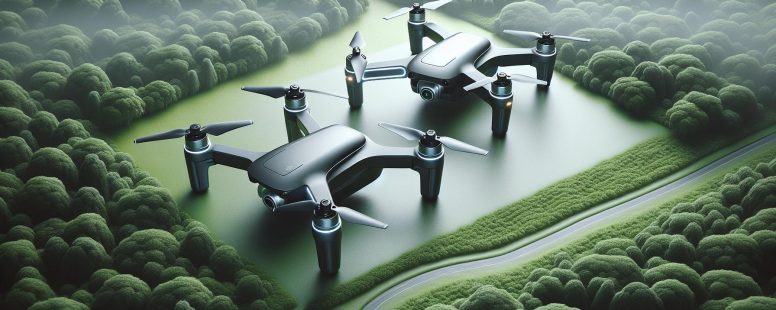
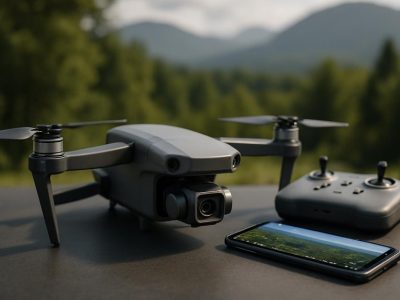
Imagine capturing breathtaking aerial views with a drone so compact it fits in your hand. DJI’s Mini series has redefined portable drone technology, but when it comes to choosing between the Mini 3 and Mini 3 Pro, the decision isn’t as simple as size or weight. These two drones may look similar at a glance, yet they pack distinct features that cater to different needs.
Whether you’re a casual flyer looking for stunning shots or a seasoned creator craving professional-grade performance, understanding the differences is key. From advanced camera capabilities to intelligent flight modes, each model brings something unique to the table. So, how do you decide which one suits your vision? Immerse as we unravel the details and help you find the perfect match for your aerial adventures.
Overview Of DJI Mini 3 And Mini 3 Pro
The DJI Mini 3 and Mini 3 Pro are compact drones designed for aerial photography enthusiasts. Even though their similar appearance, they cater to different user needs with distinct features.
Key Features Of DJI Mini 3
The Mini 3 features a 12 MP camera capable of 4K/30fps video. Its 1/1.3-inch sensor enhances light capture, improving image quality in low-light conditions. The drone supports True Vertical Shooting, ideal for social media content.
Its 38-minute flight time exceeds many entry-level drones. The level 5 wind resistance lets you operate it in breezy conditions. The drone weighs 249 grams, exempting it from registration requirements in several countries.
Key limitations include the absence of obstacle sensors and advanced autonomous flight modes. For beginners or casual users, these restrictions simplify operation.
Key Features Of DJI Mini 3 Pro
The Mini 3 Pro includes a 48 MP camera, capable of 4K/60fps video. Its 1/1.3-inch CMOS sensor achieves HDR, delivering better dynamic range and color accuracy. Dual-native ISO improves performance across lighting conditions.
Obstacle sensors on the front, rear, and bottom enhance safety for complex maneuvers. The Advanced Pilot Assistance Systems (APAS) 4.0 ensures smoother navigation. The drone also supports intelligent functions like MasterShots and FocusTrack.
With up to 34 minutes of flight time, extendable to 47 minutes using the Intelligent Flight Battery Plus, the Mini 3 Pro suits longer sessions. Weighing just under 250 grams, this model complies with legal weight limits for drones.
For professionals or creators seeking versatility, the Mini 3 Pro’s advanced features offer greater control and creative options.
Design And Build Quality
Both the DJI Mini 3 and Mini 3 Pro share a compact form, yet distinct differences in design reflect their varying functionalities.
Portability And Weight Differences
Portability is a key aspect of both drones. The Mini 3 weighs 248 grams, making it easy to carry, especially for recreational use. The Mini 3 Pro, at 249 grams, retains portability but prioritizes advanced features. Both drones fall under the 250-gram weight limit for relaxed regulations in many countries.
The foldable design in both models ensures convenience during travel. For instance, you can slip either into a standard backpack or camera bag. Professionals may appreciate the marginal weight difference when flying longer with the Mini 3 Pro, as its updated aerodynamics enhance stability.
Structural Design Elements
The structural differences between the Mini 3 and Mini 3 Pro cater to their specific use cases. The Mini 3 uses a sturdy, lightweight plastic frame to balance durability and ease of use. In contrast, the Mini 3 Pro incorporates additional vents and flight sensors into its structure for enhanced performance.
Both models have extended rear arms and propellers for better flight efficiency. The Mini 3 Pro uses a more advanced gimbal design, allowing the camera to tilt further upward. This unique feature supports creative angles professionals often use. The Mini 3’s simpler bracket design focuses on user-friendly operation, which suits beginners better.
Camera And Video Capabilities
Both the DJI Mini 3 and Mini 3 Pro offer impressive features for aerial photography, but their camera and video functionalities cater to different needs, ranging from casual captures to professional-grade content.
Photo Resolution And Formats
The Mini 3’s camera delivers 12 MP photos, which is sufficient for social media posts and casual photo sharing. In comparison, the Mini 3 Pro elevates your photography game with a 48 MP camera, offering significantly higher resolution that captures intricate details, such as landscapes or urban scenes. Also, the Mini 3 Pro supports RAW and JPEG formats, while the Mini 3 is limited to just JPEG, providing fewer post-processing options. For professional editing workflows, the Pro’s format versatility is essential.
Video Recording Features
Video capabilities differ strongly between these drones. The Mini 3 records video at 4K/30fps, capturing smooth footage suitable for hobbyists documenting everyday moments. The Mini 3 Pro enhances this with 4K/60fps recording, doubling the frame rate for ultra-smooth motion, ideal for rapid scenes like action sports or dynamic tracking shots. Besides, the Mini 3 Pro includes D-Cinelike color profile, enabling professionals to grade video content with more cinematic tones, whereas the Mini 3 lacks such color tuning options.
Gimbal Stability And Motion Control
Gimbal stability ensures high-quality footage in various conditions. Both drones feature 3-axis mechanical gimbals, maintaining image steadiness during flight. But, the Mini 3 Pro integrates enhanced motion control, offering expanded tilt angles that allow vertical shooting and unique creative perspectives, such as shooting tall buildings or towers. While the Mini 3’s gimbal is simpler, it performs reliably for straightforward aerial photography or video needs.
Performance And Flight Features
When comparing the DJI Mini 3 and Mini 3 Pro, evaluating their performance and flight features is essential for understanding how they meet different user needs. These elements affect overall usability, especially for casual pilots and professional content creators.
Battery Life And Flight Time
Battery performance determines how long you can stay in the air. The Mini 3 features a standard Intelligent Flight Battery, allowing up to 38 minutes of flight time under ideal conditions. Conversely, the Mini 3 Pro includes the same battery but offers a 34-minute flight time due to its additional sensors and hardware. Both drones support an Intelligent Flight Battery Plus, extending the flight time to approximately 51 minutes for the Mini 3 and 47 minutes for the Mini 3 Pro. But, using the Plus battery raises their weight above 250 grams, which may require registration in certain jurisdictions.
Range And Signal Strength
The Mini 3 relies on DJI’s OcuSync 2.0, providing a maximum transmission range of 10 kilometers (FCC-compliant regions) with a stable 720p live feed. The Mini 3 Pro upgrades to OcuSync 3.0, delivering enhanced signal strength, a 12-kilometer range, and a smoother 1080p live view. This improvement makes the Mini 3 Pro more reliable for long-distance flights and professional shoots. Obstructions, like buildings or dense trees, can disrupt both systems, but the Mini 3 Pro handles interference better.
Wind Resistance And Stability
Wind resistance determines how drones handle challenging flight conditions. Both models withstand level 5 winds, translating to gusts up to 38.5 km/h, ensuring stable flights even in breezy environments. The Mini 3 Pro’s sensors and aerodynamics offer slightly improved mid-air stability, ideal for precise shots. For example, capturing footage at beachside cliffs or mountain edges feels smoother with the Pro model, while the Mini 3 remains reliable for general outdoor photography.
Additional Features And Functionality
Both the Mini 3 and Mini 3 Pro incorporate advanced technology, but their features cater to different needs, enhancing the user experience at varying levels.
Intelligent Flight Modes
The Mini 3 Pro includes comprehensive intelligent flight modes designed for creative and professional users. Features like ActiveTrack 4.0, Spotlight 2.0, and Point of Interest 3.0 offer precision tracking, focus locking, and circling capabilities. For example, ActiveTrack 4.0 lets you highlight a subject to automatically follow it, which is ideal for filming moving vehicles or athletes. These modes enable dynamic shots and require minimal manual control.
The Mini 3 lacks these advanced options but supports simpler features such as QuickShots (e.g., Dronie, Rocket, and Circle) to capture pre-programmed cinematic movements. This simplicity suits beginners who prefer automated creativity without learning complex operations.
App Integration And Compatibility
Both drones use the DJI Fly app for control and configuring settings. The Mini 3 Pro, being a higher-end model, offers enhanced app functions. For instance, it supports MasterShots, automatically generating edited video clips, and FocusTrack modes unavailable on the Mini 3. Firmware updates and live telemetry are also seamlessly integrated into the app for both drones.
Compatibility extends to controllers as well. The Mini 3 Pro pairs with the DJI RC featuring a built-in display, eliminating the need for a connected smartphone. The Mini 3, constrained by its affordability focus, supports only the DJI RC-N1 which requires a smartphone display.
Obstacle Avoidance Technology
One distinct advantage of the Mini 3 Pro is its tri-directional obstacle sensing system, covering forward, backward, and downward areas. This feature minimizes collision risk during complex maneuvers. It’s particularly useful when flying in tight spaces or near obstacles. For instance, you can safely execute low-altitude shots near wooded areas without manually avoiding branches.
The Mini 3 does not include obstacle sensors, increasing reliance on the user for flight safety. This absence simplifies the design but limits functionality, positioning the Mini 3 as better suited to open-air environments.
Pricing And Value For Money
The DJI Mini 3 and Mini 3 Pro cater to different budgets and offer value based on their features. When comparing their prices, it’s essential to consider what type of user you are and your specific needs.
Cost Comparison
The DJI Mini 3 is priced at approximately $469 for the drone only or $559 with the Fly More Combo, which includes additional accessories. The Mini 3 Pro, being more advanced, starts at $759 for the drone only or $909 with the Fly More Combo. These prices reflect the technological enhancements and extra capabilities of the Mini 3 Pro, such as advanced obstacle sensing and superior camera features.
The Mini 3 offers better affordability if you’re a casual user or beginner. Conversely, the Mini 3 Pro justifies its higher cost for professional creators or users needing sophisticated features like 4K/60fps video, intelligent flight modes, and extended range. Both models deliver competitive value for their target audiences, but the cost difference may influence your decision based on budget constraints.
Suitability For Different Types Of Users
The Mini 3 appeals to hobbyists and first-time flyers. Its simpler controls and QuickShot modes make capturing smooth aerial footage easy without in-depth technical knowledge. An example is using QuickShots to apply pre-programmed flight paths for vacation videos or family gatherings.
In contrast, the Mini 3 Pro is geared toward professionals or advanced users seeking high-quality content creation tools. Its 48 MP camera, 4K/60fps video, and tri-directional obstacle sensing are ideal for capturing cinematic shots or footage for commercial projects. For instance, professional wedding videographers may find features like ActiveTrack valuable for dynamic subject tracking.
Your choice depends on your intended use and how much you’re willing to invest. A frequent traveler or hobby photographer might prefer the Mini 3, while the Mini 3 Pro attracts content creators demanding precision and versatility. Both drones address unique needs effectively, making them valuable choices within their respective price brackets.
Conclusion
Choosing between the DJI Mini 3 and Mini 3 Pro comes down to your specific needs and budget. If you’re a beginner or casual flyer looking for an affordable, user-friendly drone, the Mini 3 is a solid choice. On the other hand, the Mini 3 Pro is perfect for professionals or enthusiasts who want advanced features, superior image quality, and enhanced flight capabilities.
Both drones offer exceptional portability and performance, but understanding their differences will help you make the best decision. Whether you’re capturing casual moments or creating professional-grade content, there’s a DJI Mini drone that fits your goals perfectly.
To provide the best experiences, we use technologies like cookies to store and/or access device information. Consenting to these technologies will allow us to process data such as browsing behaviour or unique IDs on this site. Not consenting or withdrawing consent, may adversely affect certain features and functions.
Functional
Always active
The technical storage or access is strictly necessary for the legitimate purpose of enabling the use of a specific service explicitly requested by the subscriber or user, or for the sole purpose of carrying out the transmission of a communication over an electronic communications network.
Preferences
The technical storage or access is necessary for the legitimate purpose of storing preferences that are not requested by the subscriber or user.
Statistics
The technical storage or access that is used exclusively for statistical purposes.The technical storage or access that is used exclusively for anonymous statistical purposes. Without a subpoena, voluntary compliance on the part of your Internet Service Provider, or additional records from a third party, information stored or retrieved for this purpose alone cannot usually be used to identify you.
Marketing
The technical storage or access is required to create user profiles to send advertising, or to track the user on a website or across several websites for similar marketing purposes.