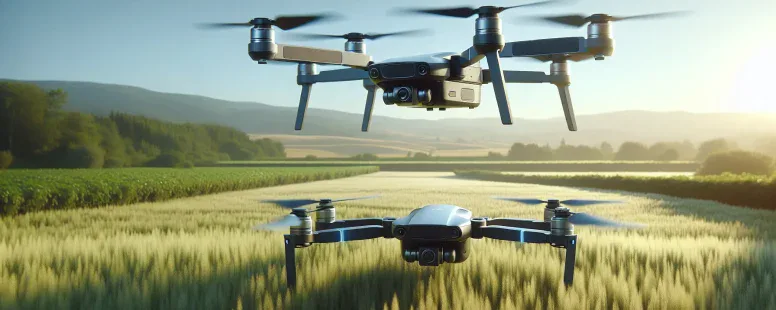
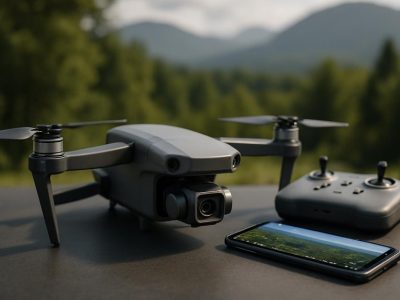
Picture capturing breathtaking aerial shots with a drone so compact it fits in your palm. With DJI’s Mini series, you’ve got two incredible options: the Mini 2 and the Mini 3. At first glance, they might seem similar—sleek designs, lightweight builds—but beneath the surface lie key differences that could transform how you experience drone photography.
Whether you’re chasing sunsets or filming epic adventures, choosing between these two drones can feel like a puzzle. Does better image quality matter more to you, or is extended flight time your priority? By understanding what sets them apart, you’ll discover which one aligns perfectly with your creative vision.
Overview Of DJI Mini Series
DJI’s Mini series has redefined portable drone technology, catering to beginners and hobbyists seeking high-quality aerial photography. These drones combine lightweight designs with advanced capabilities, making them a popular choice for content creators and travelers alike.
The Mini 2, released in November 2020, enhances the original Mavic Mini with upgraded features like improved wind resistance and Ocusync 2.0 transmission. Its compact frame weighs only 249 grams, exempting it from certain regulatory requirements in many regions. With a maximum flight time of 31 minutes and a camera capable of recording 4K video at 30fps, this model balances portability and performance effectively.
In contrast, the Mini 3 offers additional enhancements while maintaining its under-250-gram weight class. It introduces vertical video shooting for social media platforms and extended battery life options up to 38 minutes with the Intelligent Flight Battery Plus (sold separately). The camera sensor is also larger at 1/1.3 inches compared to the Mini 2’s smaller size, enabling better low-light performance.
These differences reflect DJI’s commitment to evolving user preferences within their product line. Whether you’re focused on convenience or premium imaging options—both models deliver value tailored to specific needs.
Key Differences Between DJI Mini 2 And Mini 3
Understanding the differences between the DJI Mini 2 and Mini 3 helps you make an informed choice based on your needs. Both drones cater to diverse priorities, from design to advanced functionality.
Design And Build Quality
The DJI Mini 2 offers a minimalistic design with a lightweight build of 242 grams, making it easy for you to carry around. In comparison, the Mini 3 maintains portability but features aerodynamic improvements, enhancing overall performance in windy conditions.
Compactness defines both models; but, the Mini 3 integrates foldable arms that feel sturdier during extended use. This slight structural refinement makes it more robust for frequent outdoor sessions.
Camera Capabilities
Both drones capture high-quality visuals but differ in sensor size and additional features. The DJI Mini 2 uses a smaller 1/2.3-inch CMOS sensor capable of producing sharp images at up to 12MP resolution and recording crisp videos in 4K at 30fps.
The Mini 3 surpasses this with its larger camera sensor (1/1.3-inch), enabling better low-light photography while delivering detailed shots at up to a higher quality threshold of HDR video support. It also supports vertical video shooting—a practical feature for social media content creators seeking optimized framing without post-editing adjustments.
Flight Time And Battery Performance
Flight endurance is another crucial factor distinguishing these models. The DJI Mini 2 provides a maximum flight time of about 31 minutes, which suffices most casual users’ requirements under standard conditions.
Meanwhile, the optional Intelligent Flight Battery Plus boosts the total flight duration on the DJI Mini-3 up-to 38 minutes, giving you added flexibility when capturing longer sequences or navigating expansive terrains.
Model
Maximum Flight Time
Optional Extended Battery
DJI Mini-2
Up to 31 mins
Not Available
DJI-Mini-Three.
Up To 38-mins .Available
Intelligent Flight Features
Automation capabilities show notable upgrades in these models as well.. WhileMini too includes basic QuickShots modes like Dronie Circle Helix boomerangn Rocket etcetera -the absence follow-me tracking restricts levels-interaction compared advanced AI-driven options evident-mini-three example spotlight active track point-of-interest-impressive trajectory mapping functionalities`
User Experience Comparison
The DJI Mini 2 and Mini 3 offer distinct experiences tailored to different user needs. Examining their ease of use and portability highlights how they cater to various preferences.
Ease Of Use
Operating the Mini 2 feels straightforward, making it ideal for beginners. Its intuitive controls and simplified app interface let you focus on flying without being overwhelmed by advanced features. For example, QuickShots like Dronie or Helix simplify capturing dynamic footage with a single tap.
The Mini 3 adds complexity with advanced intelligent flight modes such as ActiveTrack, which autonomously follows subjects. This feature enhances creativity but might feel intimidating if you’re new to drones. But, experienced users benefit from these automated options that require minimal input while delivering professional results.
Portability
Both models are lightweight and compact, fitting easily into your bag. The Mini 2’s weight of 242 grams ensures compliance with most drone regulations worldwide without registration requirements in many regions.
The Mini 3 retains similar portability but includes foldable arms designed for better durability during transport. Also, its optional extended battery increases size slightly yet provides up to seven extra minutes of flight time—useful for longer projects or remote outdoor shoots.
Pros And Cons Of DJI Mini 2
Pros
Portability: The Mini 2 weighs only 242 grams, making it lightweight and easy to carry for travel or outdoor adventures. Its compact size fits into small bags without hassle.
4K Video Quality: Captures videos in stunning 4K at 30fps, delivering sharp and detailed footage suitable for casual users and content creators alike.
Ocusync 2.0 Transmission: Ensures stable video transmission up to 10 kilometers, providing reliable connectivity even in challenging environments.
User-Friendly Design: Features intuitive controls and a streamlined app interface perfect for beginners learning drone operation quickly.
Wind Resistance: Handles Level 5 wind resistance, maintaining stability during moderate winds up to approximately 38 kph.
Cons
Limited Camera Sensor Size: Equipped with a smaller 1/2.3-inch CMOS sensor; struggles slightly in low-light conditions compared to the Mini 3’s advanced capabilities.
Basic Intelligent Modes: Includes QuickShots but lacks advanced features like ActiveTrack or MasterShots found on newer models.
Shorter Flight Time: Offers a maximum flight time of 31 minutes per charge, which is lower than the extended options available with the Mini series’ later iterations.
No Vertical Shooting Mode: Lacks vertical video orientation support, reducing convenience for social media-focused creators aiming for seamless uploads.
Pros And Cons Of DJI Mini 3
Pros
Enhanced Camera Sensor
The Mini 3 features a 1/1.3-inch CMOS sensor, improving low-light performance and supporting HDR video. This upgrade benefits photographers capturing detailed images in dim conditions.
Vertical Video Mode
A built-in vertical shooting mode caters to social media creators, allowing seamless content production without post-edit cropping.
Extended Flight Time
With the standard battery offering up to 38 minutes of flight time and an optional extended battery providing even longer durations, the Mini 3 suits extended shoots or remote explorations.
Advanced Intelligent Features
Features like ActiveTrack enable precise subject tracking and automated camera movements, making it ideal for dynamic scenes requiring minimal manual control.
Aerodynamic Design Enhancements
Improved foldable arms and a sturdier build enhance durability during travel or challenging weather scenarios.
Cons
Higher Price Point
The advanced features increase the cost compared to entry-level drones like the Mini 2, which may deter budget-conscious users.
Complex Operational Modes
Advanced intelligent flight modes might overwhelm beginners unfamiliar with drone navigation or professional setups.
Increased Weight With Extended Battery
While portable, the optional extended battery slightly increases weight, potentially affecting compliance with local regulations in certain regions (e.g., under-250-gram limits).
Limited Accessory Compatibility
Some existing accessories for older models aren’t compatible with the redesigned frame of the Mini 3, requiring additional purchases for those upgrading from previous versions.
Which Is The Better Choice For You?
Choosing between the DJI Mini 2 and Mini 3 depends on your personal priorities in drone usage. If you’re a beginner or casual user, the Mini 2’s simplicity and affordability may align better with your needs. Its lightweight design at 242 grams, QuickShots features for automated filming, and stable Ocusync 2.0 transmission make it ideal for those seeking reliable performance without advanced complexities.
For enthusiasts or professionals aiming to elevate their aerial photography, the Mini 3 provides notable upgrades. Its larger 1/1.3-inch camera sensor enhances low-light images and HDR videos, while vertical shooting caters directly to social media creators. Extended flight time options up to 38 minutes support longer sessions, making it suitable for outdoor projects requiring endurance.
Budget is a critical factor when deciding. The Mini 2 offers excellent value if you want essential features at a lower cost; but, investing in the higher-priced Mini 3 unlocks cutting-edge capabilities like ActiveTrack intelligent modes and improved durability through aerodynamic enhancements.
Consider how you’ll use the drone most frequently. For travel enthusiasts prioritizing portability, both models are compact enough for easy transport though the optional extended battery of the Mini 3 adds slight weight. On-the-go photographers might prefer the convenience of its foldable arms combined with premium imaging technology.
Conclusion
Choosing between the DJI Mini 2 and Mini 3 depends on your priorities and experience level. If you’re looking for an affordable, user-friendly option with reliable performance, the Mini 2 is a fantastic choice. On the other hand, if advanced features like vertical shooting, enhanced low-light photography, and extended flight time appeal to you, the Mini 3 offers exceptional value for enthusiasts and professionals.
Both drones deliver impressive portability and quality, ensuring you’ll capture stunning aerial shots no matter which model you choose. By weighing your creative goals against your budget and skill level, you’ll find the perfect companion to elevate your drone photography adventures.
To provide the best experiences, we use technologies like cookies to store and/or access device information. Consenting to these technologies will allow us to process data such as browsing behaviour or unique IDs on this site. Not consenting or withdrawing consent, may adversely affect certain features and functions.
Functional
Always active
The technical storage or access is strictly necessary for the legitimate purpose of enabling the use of a specific service explicitly requested by the subscriber or user, or for the sole purpose of carrying out the transmission of a communication over an electronic communications network.
Preferences
The technical storage or access is necessary for the legitimate purpose of storing preferences that are not requested by the subscriber or user.
Statistics
The technical storage or access that is used exclusively for statistical purposes.The technical storage or access that is used exclusively for anonymous statistical purposes. Without a subpoena, voluntary compliance on the part of your Internet Service Provider, or additional records from a third party, information stored or retrieved for this purpose alone cannot usually be used to identify you.
Marketing
The technical storage or access is required to create user profiles to send advertising, or to track the user on a website or across several websites for similar marketing purposes.