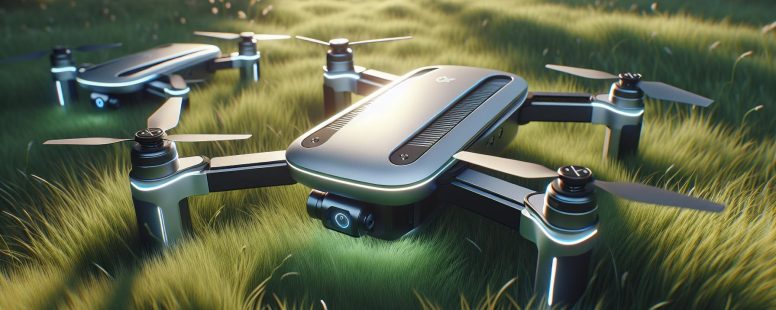
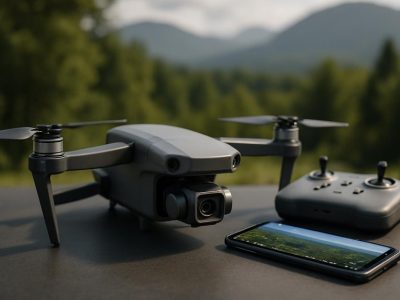
Picture this: a sleek drone soaring effortlessly through the sky, capturing every breathtaking detail from above. Whether you’re an aspiring aerial photographer or a tech enthusiast, choosing the right drone can feel like navigating uncharted territory. The DJI Mini 3 and Mini 4 are two compact powerhouses that promise incredible features in tiny packages, but how do you decide which one truly takes flight for your needs?
Overview Of DJI Mini Series
The DJI Mini series represents a line of compact, lightweight drones designed for ease of use and portability. These models cater to hobbyists and professionals seeking high-quality aerial photography without the bulk or complexity of larger drones. With each iteration, the series has introduced significant advancements in camera performance, flight time, and intelligent features.
DJI Mini drones weigh under 250 grams (e.g., Mini 2 at 242g), exempting them from certain registration requirements in many countries. This makes them ideal for travelers or beginners who prioritize convenience. Features like obstacle avoidance (introduced with the Mini 3 Pro) and QuickShots modes enhance usability while delivering professional-grade results.
Battery life is a key focus in this series. For example, the Mini 3 offers up to 38 minutes of flight time using its Intelligent Flight Battery Plus, whereas earlier models like the original Mavic Mini offer just around 30 minutes per charge. Camera capabilities have also evolved; where the Mavic Mini featured a maximum resolution of 2.7K video, later versions such as the Mini 4 support higher resolutions and advanced HDR options.
Innovations in remote control design have improved user experience across generations. Earlier controllers relied on smartphone pairing exclusively; newer models feature built-in screens for more seamless operation in bright conditions.
Each release reflects DJI’s commitment to balancing affordability with cutting-edge technology—whether it’s introducing vertical shooting modes for social media content creators or enhancing wind resistance for stable outdoor flights.
Key Features Of DJI Mini 3
The DJI Mini 3 offers a range of advanced features packed into a compact, lightweight design. It’s built for those seeking portability without compromising on performance.
Design And Build Quality
The DJI Mini 3 weighs less than 249 grams, making it suitable for travelers and beginners. Its foldable arms enhance portability, allowing you to easily store it in small bags or cases. The drone’s aerodynamic body improves stability during flight, even in moderate wind conditions.
Camera Specifications
Equipped with a 1/1.3-inch CMOS sensor, the Mini 3 captures stunning images at a resolution of up to 12 MP. It supports video recording in 4K HDR at up to 30fps, delivering vivid colors and enhanced dynamic range. Vertical shooting capabilities make it ideal for social media creators who need portrait-oriented content.
Flight Performance And Battery Life
Offering up to 38 minutes of flight time with the standard Intelligent Flight Battery, the Mini 3 enables longer recording sessions without interruptions. Its maximum transmission range extends to approximately six miles under clear line-of-sight conditions. The drone maintains stable hovering and precise control through GPS-assisted navigation systems.
Additional Features
Intelligent features like QuickShots automate complex maneuvers such as Dronie or Circle shots with just one tap. True Vertical Shooting optimizes footage for platforms like Instagram Stories or TikTok videos directly from the camera settings menu. Obstacle avoidance sensors are absent but careful piloting ensures safe operation across various environments.
Key Features Of DJI Mini 4
The DJI Mini 4 introduces advanced upgrades, solidifying its position as a top choice for compact drone enthusiasts. It combines precision engineering with user-friendly features, making it suitable for both beginners and professionals.
Design And Build Quality
The Mini 4 maintains the sub-250-gram weight category, enabling hassle-free portability and compliance with less restrictive regulations in many countries. Its foldable arms ensure easy storage during travel. The aerodynamic design enhances stability even in moderate wind conditions. With improved materials, the build feels more durable compared to its predecessor.
Camera Specifications
Equipped with a larger 1/1.28-inch CMOS sensor, the Mini 4 captures images at up to 48 MP resolution and shoots 4K HDR video at an impressive 60fps. This upgrade significantly improves image clarity and dynamic range under varying light conditions. The inclusion of AI-powered scene recognition optimizes settings for landscapes or portraits automatically.
Flight Performance And Battery Life
With a maximum flight time of approximately 45 minutes per charge, the DJI Mini 4 offers extended operational capacity over the Mini 3’s flight duration of up to 38 minutes. The enhanced propulsion system provides better maneuverability while maintaining energy efficiency. A transmission range of about ten miles ensures uninterrupted connectivity during long-distance operations.
Additional Features
An advanced obstacle avoidance system uses multiple sensors to detect obstacles from all directions, reducing collision risks significantly compared to earlier models that lacked this feature entirely. Enhanced QuickShots modes introduce creative templates like Orbit and Hyperlapse for professional-looking footage effortlessly.
Comparison: Difference Between DJI Mini 3 And 4
Design And Aesthetic Differences
The DJI Mini 3 and Mini 4 share a compact design under the 250-gram weight category, making them excellent for portability. But, the Mini 4 features a sleeker body with improved foldable arms that enhance durability during transport. The aerodynamic layout of the Mini 4 allows for better wind resistance compared to the slightly bulkier structure of the Mini 3.
Both drones maintain a minimalist aesthetic with subtle branding, but you’ll notice that the Mini 4 has added LED indicators for battery status on its exterior. These small design tweaks make it more user-friendly in low-light conditions or during quick setups outdoors.
Camera And Imaging Performance
Camera upgrades distinguish these models significantly. The DJI Mini 3 includes a capable 1/1.3-inch CMOS sensor delivering clear images at up to 12 MP and recording smooth videos in 4K HDR at up to30fps, suitable for casual creators or everyday use.
The Mini 4 elevates this by incorporating a larger 1/1.28-inch CMOS sensor supporting sharper stills at an impressive 48 MP resolution and offering smoother video capture with 60fps in HDR mode. This improvement benefits professionals seeking high-quality visuals, especially when shooting fast-moving subjects or detailed landscapes.
Enhanced color profiles like D-Cinelike are exclusive to the Mini 4, opening creative possibilities when editing footage post-capture. If you value advanced imaging capabilities, you’ll gravitate towards the upgraded optics of the newer model.
Flight Time And Stability
In terms of flight time, both models provide extended sessions but differ slightly in duration due to battery optimizations. The DJI Mini 3 offers up to 38 minutes per charge, while its successor pushes this limit further with an approximate maximum of 45 minutes, allowing longer uninterrupted flights.
Stability improvements also stand out on the DJI Mini 4 thanks to enhanced internal gyroscopes and better motor efficiency, which result in steadier performance even under moderate wind conditions. While both drones perform reliably indoors or outdoors, advanced pilots may appreciate how well-balanced control feels on newer hardware configurations found within the latest iteration.
Which One Should You Choose?
Your choice between the DJI Mini 3 and Mini 4 depends on your photography needs, budget, and skill level. If you’re a beginner or casual user seeking an affordable drone with essential features, the Mini 3 offers excellent value. Its lightweight design, up to 38 minutes of flight time, and QuickShots modes make it ideal for capturing simple aerial shots or social media content. But, its lack of obstacle avoidance sensors requires careful piloting.
For advanced users or professionals prioritizing superior image quality and extended capabilities, the Mini 4 stands out. The larger 1/1.28-inch CMOS sensor delivers sharper images at up to 48 MP resolution, while its ability to record in 4K at 60fps ensures cinematic-quality videos. With a longer flight time of approximately 45 minutes and enhanced stability due to improved motors and gyroscopes, it’s better suited for complex shoots or challenging environments.
Consider portability if frequent travel is part of your routine; both models weigh under 250 grams but differ slightly in design durability. For instance, the Mini 4’s sleeker body resists wind better than the Mini 3’s build during outdoor flights.
Ask yourself how important safety features are too: while the Mini 3 lacks obstacle detection entirely—making it less forgiving—the Mini 4 integrates advanced avoidance systems that reduce collision risk significantly for new pilots navigating tighter spaces.
To sum it up briefly: choose the DJI Mini model that aligns closely with what matters most whether that’s cost savings without sacrificing core functionality (Mini-3) or investing into elevated performance combined wth added safety tools (Mini-04).
Conclusion
Choosing between the DJI Mini 3 and Mini 4 eventually depends on your specific needs and preferences. Both models offer exceptional portability, impressive flight performance, and advanced features that cater to a range of users. Whether you’re a beginner seeking simplicity or a professional looking for top-tier image quality and safety enhancements, there’s a drone designed just for you.
By carefully considering factors like budget, camera capabilities, flight time, and ease of use, you’ll be able to select the perfect companion for your aerial photography adventures. No matter which model you choose, both drones reflect DJI’s commitment to innovation and user satisfaction.
To provide the best experiences, we use technologies like cookies to store and/or access device information. Consenting to these technologies will allow us to process data such as browsing behaviour or unique IDs on this site. Not consenting or withdrawing consent, may adversely affect certain features and functions.
Functional
Always active
The technical storage or access is strictly necessary for the legitimate purpose of enabling the use of a specific service explicitly requested by the subscriber or user, or for the sole purpose of carrying out the transmission of a communication over an electronic communications network.
Preferences
The technical storage or access is necessary for the legitimate purpose of storing preferences that are not requested by the subscriber or user.
Statistics
The technical storage or access that is used exclusively for statistical purposes.The technical storage or access that is used exclusively for anonymous statistical purposes. Without a subpoena, voluntary compliance on the part of your Internet Service Provider, or additional records from a third party, information stored or retrieved for this purpose alone cannot usually be used to identify you.
Marketing
The technical storage or access is required to create user profiles to send advertising, or to track the user on a website or across several websites for similar marketing purposes.