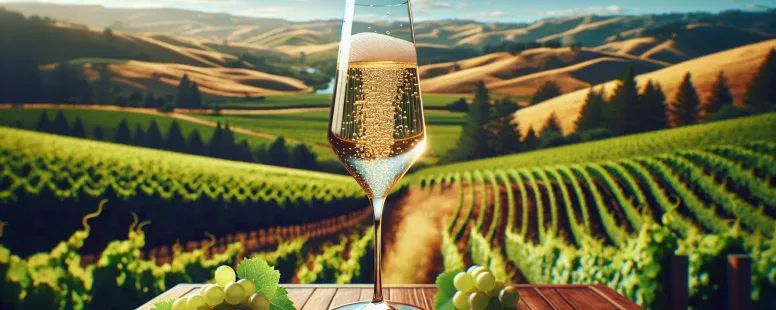
Picture the gentle pop of a cork echoing through a candlelit room—bubbles dancing in your glass, promising celebration with every sip. You might wonder if that sparkling elixir is truly so different from the wine resting quietly in your cellar. Is it just the fizz that sets them apart, or is there a secret world of flavor and tradition swirling beneath the surface?
Exploring the difference between champagne and wine isn’t just about taste—it’s about unlocking a story of craftsmanship, geography, and time. The next time you raise a glass, you’ll discover that choosing between these two isn’t simply a matter of preference. It’s an invitation to savor history and indulge in a sensory adventure that’s far richer than you might expect.
Understanding the Basics: Champagne vs. Wine
You know how a celebration feels different when someone pops champagne? This isn’t just a drink. Champagne, by definition, comes from the Champagne region in France, following strict rules on grape varieties—Chardonnay, Pinot Noir, and Pinot Meunier. If you’ve ever seen the delight in someone’s eyes as corks fly, that’s terroir and tradition sparkling in a glass. Wine, by contrast, is a vast landscape of possibilities—red, white, rosé, orange—with vineyards from Napa Valley to Tuscany, each bottle holding its own narrative.
Champagne dances on the tongue because its bubbles are made using the traditional method—méthode champenoise (Comité Champagne, 2023). Bottles ferment twice and age on lees, building layers of fine, persistent mousse. Most wines go through only one fermentation, unless crafted as sparkling, like Prosecco or Cava, which use different techniques and grape varietals. Which experience would you choose: the sudden burst of effervescence or the deep, contemplative sip of a still Merlot?
When you are holding a flute filled with champagne, you’re cradling history. For centuries, European royalty toasted major events with Dom Pérignon, which is said to have “drunk the stars”. Do you suppose why people still reserve champagne for unique milestones, when wine fits any meal, any moment?
If you’ve walked the aisles of a wine shop, you’ve maybe noticed champagne always costs more than most table wines. Grapes get handpicked, yields are low, and the process is mindfully intensive—think of it as haute couture compared to ready-to-wear. Meanwhile, wine offers diversity and value, bottles ranging from $10 for a casual cooking blend to $2,000 for a legendary Bordeaux.
Even color cues set them apart. Champagne is often pale gold yet might display hints of pink as in Rosé Champagne. Wines, on the other hand, offer every hue from inky purple to ruby red or lemonade yellow. Do you associate the pop and fizz with bold celebrations—or the depth and richness with quiet nights in?
You might ask, What truly makes champagne so iconic, if all sparkling wine sparkles? The answer is roots—geographical, historical, and oenological. The French have even gone so far as to protect the word “Champagne” under international law (WIPO, 2022). If a bottle claims to be champagne but’s made elsewhere, it’s just sparkling wine, no matter how similar it tastes.
Here’s the twist: appreciating champagne and wine deepens your connection with tradition, craft, and place. Every swirl, every taste, every story told between friends—these all begin with a simple question: How do you wish to savor the moment?
Origins and Production Regions
Origins trace the journey of champagne and wine across iconic landscapes, shaping their flavors and prestige with each region’s traditions. Geography carves identity here—grape, climate, and soil tell stories within every glass you pour.
Champagne: A Brief History
Champagne can only be called “champagne” because it is born in the Champagne region of northeastern France. Strict French law protect this name—Prosecco and Cava, even with similar bubbles, cannot claim the Champagne title. Vineyards here, dating back to the Roman era 49 BC, bask in chalky soils and brisk weather. This chalky terroir acts like a sponge, holding moisture that feeds roots through lean summers, while cool temperatures slow grape ripening, concentrating flavor.
Benedictine monk Dom Pérignon, often cited as the father of champagne, refined the double fermentation method in the late 17th century. Local tales say he exclaimed, “Come quickly, I am tasting the stars!” after sampling his creation. Noble courts from Versailles to London adopted champagne as the drink of celebration, elevating its status. Today, only sparkling wines produced under the strict méthode champenoise, with Pinot Noir, Pinot Meunier, and Chardonnay, can claim the storied terroir of Champagne. What’s in your glass might seem simple, but every bubble carries centuries, tradition, and the promise of celebration.
Wine: Global Diversity
Wine spans continents, cultures, and centuries, each bottle shaped by the land and its people. You’ll find vineyards in France’s Bordeaux, Italy’s Tuscany, California’s Napa Valley, and South Africa’s Stellenbosch—each region producing unique varietals based on local terroir. Why does Malbec thrive in Argentina while Shiraz prospers in Australia? Altitude, climate, and soil composition create microclimates where distinct grapes, such as Riesling in Germany’s Mosel or Sangiovese in Tuscany, show their full character.
Wines reflect their roots in more ways than one: Australian Shiraz, bold and peppery, echoes the sun-baked soil, while Oregon Pinot Noir, delicate and earthy, whispers of forest and fog. UNESCO has even protected the historic vineyards of Burgundy and the Douro Valley as world heritage sites, recognizing their impact on viticulture. With every region, wine asks you to travel—either in person or by palate—exploring landscapes where culture, tradition, and innovation mingle. In this global story, every wine becomes an invitation: what landscape do you want your next bottle to reflect?
Key Production Methods
Grasping the key production methods reveals why champagne sparkles with ceremony while wine flows into daily rituals. This difference comes from deliberate choices at every step, shaped by tradition, law, and innovation.
Champagne’s Traditional Method
Champagne’s traditional method—méthode champenoise—crafts each bottle through a dance of chemistry and timing. Grapes like Pinot Noir, Pinot Meunier, and Chardonnay, all sourced from strictly regulated champagne terroirs, start the story. First, you see a base wine, light and acidic, created by pressing grapes gently. Winemakers then blend multiple vintages, balancing acidity and flavor, which can take years to master. Ask yourself: What other drink captures this much patience in a bottle?
Next, a mixture of sugar and yeast (liqueur de tirage) is added, bottled, and sealed for the second fermentation. Unlike typical wines, champagne’s magic emerges here as carbon dioxide forms , putting millions of tiny bubbles behind thick glass. Over at least 15 months (often much longer for prestige cuvées—Dom Pérignon aged as long as 8+ years), bottles age on their lees (dead yeast cells), lending the bread-like aromas and creamy mouthfeel. Remuage, or riddling, rotates bottles daily by hand or machine, ushering sediment toward the neck—painstaking work developed in the 19th century by Madame Clicquot.
At disgorgement, necks freeze and trapped sediment’s ejected with a pop. A touch of dosage—a mix of wine and sugar—balances the final flavor, and then bottles find their foil and cage, ready to star at celebrations worldwide. If fermentation’s artistry appeals, then champagne’s process reads like haute couture for the palate.
Wine Making Techniques
Wine making techniques shape taste profiles across continents. Wine, a term that sweeps you from Bordeaux’s noble reds to Stellenbosch’s tropical whites, uses grape variety, fermentation, and aging vessels to set its character. Crushing plump grapes launches both red and white wine journeys, but here, red wine keeps skins during fermentation, extracting tannins and color, while whites often shed theirs immediately.
Temperature controls flavor—a chilly ferment traps fruity notes for whites like Riesling, while a warmer, robust ferment deepens complexity in reds like Cabernet Sauvignon. Most wines ferment once, finishing in steel or oak. Oak barrels, like those in Napa Valley, add vanilla and spice, while steel tanks, common in Marlborough, retain crispness and fruit purity. Malolactic fermentation, a second process for some reds and select whites like Chardonnay, softens tart acids to lend smooth, creamy textures.
Variability shines here. Some producers embrace biodynamic or natural winemaking, letting wild yeasts ferment grapes in ancient amphorae (Georgia’s qvevri). Others invent, like Spain’s carbonic maceration for Beaujolais-inspired reds, delivering fresh, fruit-driven wines.
If ever you’ve wondered why Sauvignon Blanc from Loire feels grassy while Napa’s version bursts with tropicality, look to production choices. Each bottle holds not just grape and soil, but a testament to technique—a mosaic of old world mastery meeting new world flair.
Production Method
Champagne (Example)
Wine (Examples)
Region
Champagne, France
Bordeaux, Napa, Mendoza, Tuscany
Primary Grapes
Chardonnay, Pinot Noir, Pinot Meunier
Cabernet Sauvignon, Merlot, Sangiovese, Riesling
Second Fermentation
In bottle (méthode champenoise)
Rare, used in select sparkling wines
Vessel
Bottle
Oak barrels, stainless steel, amphorae
Aging
Min 15 months, up to decades
Few days to decades, depending on style
Key Innovation
Riddling, disgorgement, dosage
Oak aging, maceration, fermentation control
Would you rather toast with champagne’s elusive sparkle or discover wine’s spectrum across time and place? Either choice, every sip speaks of a method—a crafted story waiting for your glass.
Taste, Texture, and Appearance
Sparkling against a backdrop of centuries-old vineyards, champagne and wine dance across your senses with distinct signatures. The next sip tells a story from grape to glass, blending tradition, terroir, and technique.
Champagne’s Unique Characteristics
Effervescence defines champagne’s mouthfeel, creating a tactile sparkle that tickles your palate. Tiny bubbles rise in steady streams—some sommeliers compare the best examples to a string of pearls (Decanter, 2022). Taste leans toward green apple, citrus, and brioche, with hints of toasted almond from aging on lees. Even blindfolded, you sense the creamy mousse—a texture both weightless and rich, tied to the second fermentation process.
Anecdotes abound in Champagne houses. Some say you haven’t really celebrated until you’ve popped a bottle from a 30-meter chalk cellar, as Louis Roederer’s team does before New Year’s Eve. Color runs from pale gold to soft rose, always shining from the thousands of ascending bubbles that shimmer in crystal flutes.
Varieties of Wine Flavors
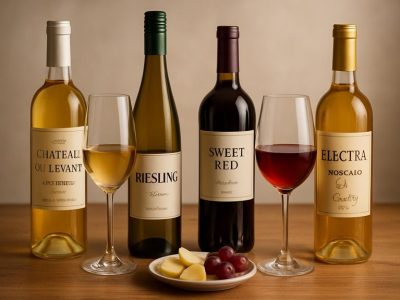
Wine’s flavor spectrum, rooted in grape type and region, is broader than any rainbow. Red wines—from Bordeaux’s Cabernet Sauvignon to Tuscany’s Sangiovese—layer cherry, plum, leather, and spice. Whites, like Napa’s Chardonnay or Mosel’s Riesling, drift from honeyed apricot to brisk lime and wet stone.
Texture shifts depending on tannins, acidity, and alcohol. Tannins in a Barolo can dry your mouth like velvet, while acidity in a Loire Sauvignon Blanc brightens every bite of goat cheese. Appearance changes with age and type—young reds gleam ruby, old ones drift toward garnet, while golden-amber hues signal a mature sweet Tokaji from Hungary.
Does a wine always reveal terroir? Sometimes yes, sometimes not. Cloudy natural wines, brilliantly clear Bordeaux blends, and orange wines—each glass is an invitation. You might find the same grape, like Pinot Noir, singing different notes in Oregon’s Willamette Valley compared to a village plot of Burgundy.
Taste, texture, and appearance don’t just tell differences—they invite you to experience every bottle’s unique biography, etched in every swirl, sniff, and sip.
Price and Occasion: When to Choose Each
Price and context both shape your choice between champagne and wine. No dinner or celebration repeats the same way twice, so matching the right bottle to the moment transforms any gathering into a memory.
Cost Differences
Champagne prices stand high in the sparkling world. You’re not just buying liquid—you’re investing in centuries-old vineyards and the méthode champenoise. Dom Pérignon bottles, for example, fetch $200–$1,000 per bottle (Wine Spectator, 2023), and even entry-level labels like Moët & Chandon start at around $50. These price tags mirror the labor of hand-riddling, extended lees aging, and region exclusivity.
Wine, with its endless spectrum, adapts to nearly any budget. Table reds like those from California’s Central Valley land around $8–$15. Super Tuscans or Bordeaux First Growths, but, jump into three–or four–digit territory, rivaling prestige champagnes. This range means you could toast with a $9 Malbec from Mendoza or savor a $600 Napa Cabernet based on what your celebration means to you.
Beverage
Price Range (USD)
Example Brands/Regions
Production Notables
Champagne
$40–$800+
Moët & Chandon, Veuve Clicquot, Dom Pérignon
Hand-riddling, double fermentation
Still Wine
$7–$5,000+
Meiomi (CA), Château Margaux (Bordeaux), Penfolds Grange
Large global supply, diverse terroirs
Would you rather impress with a grand gesture or invite your guests to a secret, affordable gem? Price tells part of the story, but personal significance completes it.
Event Pairings
Champagne signals rare occasions. You pop corks for New Year’s Eve, weddings, milestone birthdays. Sociolinguist Deborah Tannen called champagne’s presence “a social shorthand for celebration” (New Yorker, 2019). The hiss of released gas, the spiraling bubbles, and the intricate flutes transform even a Tuesday into something cinematic if you choose.
Wine, more versatile, makes less noise yet fills more tables. Italian Chianti anchors Sunday dinners. Riesling from Mosel softens book clubs. Cabernet layers conversation in business dinners. Even a well-chilled rosé frames a beach sunset as something intentional—this bottle, this dusk, these friends, right now.
Couples celebrating their 50th anniversary often reach for a magnum of vintage champagne, while lifelong friends at summer’s end pass around a chilled Sauvignon Blanc, toasting the sun and the stories. Ask yourself: is your moment historic or intimate? Does the scene call for grandeur or gentle warmth? Your answer guides your hand before you touch the cork.
Price and occasion coalesce as contextual vectors; with each bottle, you chart not just a flavor profile but a memory map—one glass at a time.
Health Benefits and Nutritional Value
Champagne and wine each hold distinct reputations at the crossroads of indulgence and wellness, yet their differences extend into the heart of what lands in your glass. When you’re clinking flutes of vintage champagne at a New Year’s Eve party, are you sipping on liquid celebration, or unlocking subtle health perks housed inside those airy bubbles? The answer depends on the details inside every bottle—let’s pull back the curtain on the micro-universe of nutrients and antioxidants swimming in both drinks.
Some enthusiasts describe champagne as a “low-calorie luxury.” With about 90 kcal per 4 oz (120 ml) serving, it glides under the radar compared to heartier red wines, which often clock in at 125 kcal for the same pour (USDA, 2021). This might explain why art gallery launches and fashion shows pass around light, sparkling glasses instead of bold merlots. Would calorie-conscious revelers prefer champagne’s lighter footprint, or does the deeper polyphenol reserve in red wine tip the balance?
Red wine’s health aura, immortalized in the “French Paradox,” often steals headlines. Resveratrol—a name now famous beyond vineyard walls—lurks in grape skins, especially in Cabernet Sauvignon and Pinot Noir. Cardiologists cite studies, like those in the Journal of the American Heart Association (2019), noting regular red wine drinkers sometimes show lower incidence of heart disease. Still, what about those who cherish champagne’s charm—are they missing out, or could its antioxidants deliver a quieter kind of benefit?
Champagne offers its own trove of phenolic compounds—quercetin and catechin among them (Rolle et al., 2012)—though in smaller concentrations than crimson-hued reds. Some sommeliers say the yeast contact in champagne’s second fermentation also introduces unique micronutrients. Picture you’re enjoying a grand cru and wondering if these minute differences shift the scales of wellbeing.
Consider also the connection between moderate wine consumption and longevity in Mediterranean cultures. Doctors reference epidemiological studies tracking populations in Italy and Greece, often reporting “J-shaped” correlations: light-to-moderate drinkers sometimes live longer than abstainers or heavy drinkers. What does moderation look like, you ask? For women, that can mean up to one 5 oz glass per day; for men, usually two (CDC guidelines). Do you remember stories of centenarians in Sardinia raising a toast with local Cannonau—is that ancient wine their fountain of youth, or simply background to a communal lifestyle?
Some researchers, but, urge caution. Both champagne and wine contain alcohol, a substance linked to liver disease, certain types of cancer, and impaired judgment when consumed excessively. Even when sipping Veuve Clicquot at weddings or Barolo at Sunday dinner, public health advocates say it’s critical to weigh pleasure against potential long-term harms.
Nutritional Comparison Table
Beverage
Calories/4 oz
Carbohydrates
Key Polyphenols
Notable Nutrients
Antioxidant Capacity
Champagne
~90
~2g
Quercetin, Catechin
Potassium, Magnesium
Moderate (Rolle, 2012)
Red Wine
~125
~4g
Resveratrol, Tannins
Potassium, Iron
High (JAMA Heart Assoc, 2019)
White Wine
~120
~3g
Catechin
Potassium
Low–Moderate
When you raise a glass, consider: Are you drinking for flavor, festivity, or your health? The answer might shape what pours next, inviting you to discover new traditions around nutrition, and savor every moment with clarity and delight—though, not every study agrees with the glass-half-full optimism, so think before you toast to health.
Conclusion
When you reach for a glass—whether it’s champagne or wine—you’re not just making a simple choice. You’re stepping into a world shaped by tradition, innovation, and a sense of place. Each sip invites you to reflect on your own preferences and the stories you want to celebrate.
Let your curiosity guide you. Explore new flavors, honor special moments, and enjoy the journey each bottle offers. Your experience is unique, and the right choice is always the one that brings you the most joy.
To provide the best experiences, we use technologies like cookies to store and/or access device information. Consenting to these technologies will allow us to process data such as browsing behaviour or unique IDs on this site. Not consenting or withdrawing consent, may adversely affect certain features and functions.
Functional
Always active
The technical storage or access is strictly necessary for the legitimate purpose of enabling the use of a specific service explicitly requested by the subscriber or user, or for the sole purpose of carrying out the transmission of a communication over an electronic communications network.
Preferences
The technical storage or access is necessary for the legitimate purpose of storing preferences that are not requested by the subscriber or user.
Statistics
The technical storage or access that is used exclusively for statistical purposes.The technical storage or access that is used exclusively for anonymous statistical purposes. Without a subpoena, voluntary compliance on the part of your Internet Service Provider, or additional records from a third party, information stored or retrieved for this purpose alone cannot usually be used to identify you.
Marketing
The technical storage or access is required to create user profiles to send advertising, or to track the user on a website or across several websites for similar marketing purposes.