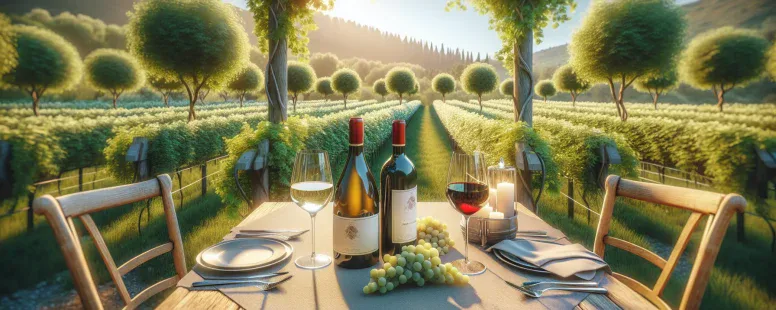
Picture yourself at a candlelit table swirling a glass of wine—ruby red or glistening gold—each promising a unique story in every sip. what truly separates these two iconic drinks beyond their color? The answer goes far deeper than the surface and might surprise even seasoned wine lovers.
Red and white wines don’t just differ in appearance—they offer contrasting aromas textures and even health perks. One may wrap you in bold earthy notes while the other sparkles with crisp refreshing flavors. Exploring the subtle and striking differences between red and white wine opens up a world of taste adventure and hidden benefits you might never have expected.
Overview of Red Wine and White Wine
Red wine and white wine set the stage for two of the world’s oldest and most celebrated drinks, yet the subtle differences between these iconic beverages shapes your experience in surprising ways. Standing in a vineyard under late-summer sun, you might’ve noticed clusters of inky Cabernet Sauvignon grapes hanging thick on one vine, while just feet away a light-skinned Chardonnay bunch shimmers in pale gold—each destined for a completely different glass. These aren’t just wines; they’re stories in a bottle.
Red wine, with its rich garnet hues, always captures imaginations, evoking images of candlelit tables and roaring fireplaces. You can almost taste the earth, leather, and ripe berries in every sip. The tannins, those grippy compounds from grape skins and seeds, brings structure and depth—sometimes making your mouth feel dry, as if the wine itself is asking you to slow down and savor. why a Bordeaux blend feels heavier than a crisp Pinot Grigio? The answer lies in how grapes ferment with— or without— their skins: reds keep them, whites don’t.
White wines often surprise with bright, zesty flavors that recall a sunlit orchard. A chilled glass of Sauvignon Blanc evokes green apple, citrus, and even a whiff of fresh-cut grass. Texture play a subtle game here, too; most whites glide silkily across your palate, almost as if you’re sipping a cool breeze. Ever paired a buttery Chardonnay with grilled seafood? Suddenly, a meal transforms—white wine’s acidity cutting through rich sauces, lifting flavors high.
Across the globe, both of these wines interweave with culture, climate, and cuisine. In Tuscany’s rolling hills, villagers drink Chianti as an everyday ritual, its herbal notes amplifying rustic meals. On the other hand, in Alsace’s narrow valleys, dry Rieslings echo the region’s fresh mountain air, matching perfectly with tart apples and cheeses. Mainstream advice sometimes claims red wine’s antioxidants—like resveratrol—makes it the “healthier” choice (J. Agric. Food Chem., 2005), but research shows white wines offer similar cardiovascular perks, depending on their polyphenol content.
Ask yourself—when did a wine last surprise you? Was it the spice in a Malbec, or the minerality in a Chenin Blanc? Every bottle tells a tale of place, time, and craft, challenging you to interpret its language. One person’s bold red is another’s delicate white; your own tastes evolve with experience and curiosity.
If you pour yourself a glass, let questions linger: What history stains this color? What flavors lie waiting? Each sip shapes your journey, connecting grape, grower, and glass.
Key Differences in Production
Red wine and white wine emerge from the same simple material—grapes—but these siblings take different roads from vine to glass. Ever wondered why the color, taste, and aroma can feel worlds apart? Each step in the winemaking process, from the vineyard rows to the cellar’s quiet dark, creates distinctions you can see, smell, and taste.
Grape Varieties and Harvesting
Grape selection creates the DNA of any wine. Red wines typically use dark-skinned grapes like Cabernet Sauvignon, Merlot, and Pinot Noir, while white wines lean on green-skinned grapes such as Chardonnay, Sauvignon Blanc, and Riesling. Sometimes, you’ll find a white wine crafted from red grapes—like Champagne made from Pinot Noir—if winemakers avoid skin contact with the juice.
Timing matters. Red wine producers often harvest grapes a bit later, aiming for higher sugar content to intensify flavors and body. White wine grapes, picked earlier, keep acidity high and palates crisp. Walking through the fields at sunrise, vintners make quick decisions: Does the berry pop just right between the teeth? That moment—when the fruit’s sugar, acid, and tannins hit harmony—sets everything in motion.
Fermentation Processes
Fermentation shapes every sensory note in your glass. Red wines ferment with the grape skins and sometimes even seeds, extracting bold colors, complex tannins, and rich flavors. This “skin contact” often last from a few days to several weeks. Picture vats bubbling, the grape skins floating on top like a wild raft—winemakers “punch down” this cap, coaxing out depth and strength.
White wines generally separate juice from skins right away, then ferment only the clear must. This keeps the flavors light, fruit-forward, and free from heavy tannins. Cooler fermentation temperatures, common in white wine production, help lock in zesty aromas—think green apple, lemon, or peach.
Aging Techniques
Aging method transforms young wine into something layered and mature. Red wines frequently age longer, many sleeping for 12 to 36 months in oak barrels like American or French oak. This slow breathing adds vanilla, spice, and smoke, deepening reds both in flavor and hue. Picture an old cellar, casks nestled together for seasons at a time, the air thick with wood and earth.
White wines, in contrast, age less and often in stainless steel tanks. A quick rest helps keep them bright, preserving fresh fruit aromas and pure acidity. Oaked white wines exist—Chardonnay from Napa barrels, for example—but they tend to age on lees (spent yeast) briefly, picking up creamy, nutty nuances. Stainless steel keeps Chablis singing sharp mineral notes, while a little oak rounds out a rich Viognier.
Production Step
Red Wine Approach
White Wine Approach
Grape Varieties
Dark-skinned grapes (e.g., Merlot, Pinot Noir)
Green-skinned grapes (e.g., Chardonnay, Riesling)
Harvesting
Later, higher sugar for body and flavor
Earlier, higher acidity for crispness
Fermentation
With skins and seeds, longer contact
Juice separated, immediate fermentation
Aging
Longer, mostly in oak barrels
Shorter, mainly in tanks or neutral vessels
With each method, winemakers play conductor, orchestrating tannin, color, aroma, and mouthfeel—the difference isn’t just chemistry, it’s artistry. Have you ever tasted a wine and wanted to know which journey it walked?
Distinct Flavor Profiles and Aromas
Flavor invites curiosity, especially when you contrast red and white wine’s unique palettes. Each glass holds layered stories—earth and sky, sunlight and cellar—shaping what you taste and how you remember it.
Tasting Notes of Red Wine
Swirl a glass of Cabernet Sauvignon, and you’ll catch black cherry, tobacco leaf, and sometimes even a wisp of leather drifting upward. These flavors—rooted in terroir—don’t just happen by chance. Red wines, like Pinot Noir, Merlot, or Syrah, amplify depth through extended skin contact during fermentation. Tannins, those invisible architects in your mouth, create structure and can make your tongue feel grippy, like you just bit into a green banana.
Real-world tastings often surprise: a Malbec from Argentina can burst with violet and plum, its flavor amplified by Andean altitude, while a classic Bordeaux offers black currant and graphite—echoes of old limestone and sun-drenched fields. Drinkers report how a big Napa Cabernet can almost taste “dusty,” much like the valley’s bone-dry summers, grounding the wine in place and time.
Ever think of the scent of an autumn forest after rain? Some reds, especially aged varieties, echo those earthy notes—mushroom, underbrush, even cedarwood—layers that reward patience and close attention. According to Wine Spectator, this aromatic complexity couples with higher alcohol and tannin levels to create bolder, longer finishes (Wine Spectator, 2023).
Tasting Notes of White Wine
White wine is like a breeze through an orchard—crisp, bright, and often tingling with energy. Chardonnay, whether oaked or unoaked, can swing between creamy vanilla and zesty citrus. Sauvignon Blanc, grown in New Zealand, explodes with grapefruit zest, bell pepper, and a streak of minerality that almost makes your mouth water.
You’ll find white wines, such as Riesling and Pinot Grigio, can embrace vibrant acidity—delivering flavors like green apple, lemon peel, and sometimes honeysuckle. A classic German Riesling composes a balance between sugar and tartness, often surprising with stone fruit and petrol notes. That seems odd till you taste it yourself and realize how broad “fruity” can really be.
Texture plays its own melody here. Some white wines feel lean and sharp; others, like aged Burgundy, get creamy and layered, matching grilled fish or buttery pasta. Sommeliers worldwide (Court of Master Sommeliers, 2022) argue: a good white, whether dry or sweet, brightens food and refreshes the palate—a kind of edible punctuation mark in any meal.
Try asking yourself, is that scent fresh-cut grass or key lime pie? Each bottle mixes semantic entities—fruit, flower, herb—and these whispers in your nose and tongue suggest how climate, grape, and winemaking choices truly compose each vintage’s narrative.
Health Benefits and Nutritional Differences
Red wine and white wine do more than differ by color on a table—your glass holds a distinct blend of compounds and nutrients that shape flavor and influence health in unique ways. Each sip offers a journey through stories of fermentation, grape skins, and the artistry of winemakers seeking balance between indulgence and wellness.
Antioxidant Content
Red wine delivers higher antioxidant levels than white due to a process that includes grape skins in fermentation, which increases resveratrol and flavonoids. Think of resveratrol as the star performer in the red wine show—studies from Harvard Medical School highlight its links to reduced inflammation and improved heart health (Harvard Health Publishing, 2020). Compare that to white wine, where the juice ferments solo—skinless and light—so your pour contains smaller amounts of these protective compounds.
Picture two toasts at a French countryside table: one with a bold glass of Bordeaux overflowing with polyphenols, another with a chilled flute of Sauvignon Blanc, elegant but gentler in defense against free radicals. Each brings a story to your blood vessels, but only the red leaves a deeper crimson trace on artery health.
Calorie and Alcohol Levels
Caloric and alcohol content sets red and white wine even further apart for anyone counting ounces or watching intake. Standard pours (5 oz, 148 ml) of red, like Cabernet Sauvignon, average 125 calories and 13.5% ABV (Alcohol by Volume), according to the USDA. In contrast, white wines such as Pinot Grigio generally contain around 120 calories and 12% ABV.
You might find yourself pondering during a dinner party: should you pour that fuller-bodied Shiraz, knowing it’s richer on both palate and calorie count? Or is a zesty, low-alcohol Riesling a better fit for lighter fare and lingering conversations?
Here’s a table that captures common nutritional numbers:
Wine Type
Calories per 5 oz (148ml)
Alcohol by Volume (%)
Red (average)
125
13.5
White (average)
120
12.0
Red often means more calories and alcohol, but both wines can fit well within moderate drinking guidelines from the CDC—as long as you savor them with awareness rather than excess.
Embrace your knowledge of antioxidants, calories, and ABV the next time you reach for a bottle. Every glass carries a unique signature from vineyard to your table, inviting you to explore not just taste, but the science behind every pour.
Best Food Pairings
Best food pairings unlock unexpected harmony between the flavors in your glass and what’s on your plate. You see this dance play out in every great meal, whether you chose sturdy reds to tame decadent fare or crisp whites to uplift light dishes. When you savor the meeting point of wine and food, your senses discover new dimensions.
Pairing Red Wine
Pairing red wine, you embrace the shadows and the bold characters at the dining table—often, steak, lamb, or mushroom risotto. Cabernet Sauvignon grips the marbled fat of a ribeye, each sip cleansing your palate for the next savory bite (Wine Spectator, 2023). Italian Chianti, as anyone know, brightens tomato-based pasta like penne alla vodka or lasagna, its acidity slicing through the richness. Pinot Noir, on the other hand, tells a subtler story; its earthiness dances with wild mushroom tart or roasted duck.
Yet reds aren’t only for heavy fare. Have you ever tried chilled Beaujolais alongside charcuterie, or Malbec with grilled vegetables? Red wines, in all their tannic glory, answer best to foods who can stand the structure. Many sommeliers argue aged Bordeaux pair beautifully even with gourmet burgers, challenging the old rules. Those choices invite you to test boundaries and experience soulful matches.
Pairing White Wine
Pairing white wine, you light up the room—seafood, fresh greens, and tangy cheeses suddenly spring to life. Sauvignon Blanc cuts through the brininess of oysters or goat cheese, like rays of sun piercing morning fog (JamesSuckling.com, 2022). Picture the citrusy lift a cold Pinot Grigio gives to shrimp scampi or grilled asparagus—it’s a contrast so sharp, diners often blink in surprise. Creamy seafood chowder finds a natural soulmate in Chardonnay, its buttery notes echoing the soup’s decadent mouthfeel.
But white wine’s story doesn’t end at the seaside. Try Riesling (just off-dry) with spicy Thai curry or Indian butter chicken; the residual sugar can tame spicy heat while bright flavors keep everything fresh. Even fried chicken, that icon of comfort food, finds new balance beside a glass of sparkling brut. Wines like Chenin Blanc stand shoulder-to-shoulder with roast pork or apple salad, proving white varietals capable of depth and versatility.
Do you ever question whether your pairing “breaks the rules”? Good. Many top chefs and sommeliers encourage the experimentation that leads to accidental brilliance. You’re not just matching foods; you’re conducting a symphony of acidity, texture, and memory.
Red Wine Example
Ideal Food Match
Rationale
Cabernet Sauvignon
Ribeye steak
Cuts fat, deepens savoriness
Pinot Noir
Wild mushroom tart
Earthy, complex pairing
Malbec
Grilled vegetables
Bold, smoky notes enhance
Chianti
Tomato-based pasta
Balances acidity, richness
White Wine Example
Ideal Food Match
Rationale
Sauvignon Blanc
Goat cheese, oysters
High acidity, fresh contrast
Pinot Grigio
Shrimp scampi, grilled asparagus
Lively lift, matches lightness
Chardonnay
Seafood chowder
Creamy echo, smooth finish
Riesling
Spicy Thai or Indian dishes
Tames spice, flavors pop
Best food pairings, eventually, mirror your own tastes and curiosity. Why stop at the familiar when every bottle invites another story?
Conclusion
Whether you reach for a glass of red or white wine, you’re stepping into a world shaped by centuries of tradition, craftsmanship, and regional flair. Each pour offers a chance to discover new flavors, aromas, and textures that can elevate any occasion.
Your preferences and curiosity are your best guides as you explore the diverse personalities of both red and white wines. Let your palate lead the way and enjoy the journey of pairing, tasting, and savoring every unique bottle you encounter.
To provide the best experiences, we use technologies like cookies to store and/or access device information. Consenting to these technologies will allow us to process data such as browsing behaviour or unique IDs on this site. Not consenting or withdrawing consent, may adversely affect certain features and functions.
Functional
Always active
The technical storage or access is strictly necessary for the legitimate purpose of enabling the use of a specific service explicitly requested by the subscriber or user, or for the sole purpose of carrying out the transmission of a communication over an electronic communications network.
Preferences
The technical storage or access is necessary for the legitimate purpose of storing preferences that are not requested by the subscriber or user.
Statistics
The technical storage or access that is used exclusively for statistical purposes.The technical storage or access that is used exclusively for anonymous statistical purposes. Without a subpoena, voluntary compliance on the part of your Internet Service Provider, or additional records from a third party, information stored or retrieved for this purpose alone cannot usually be used to identify you.
Marketing
The technical storage or access is required to create user profiles to send advertising, or to track the user on a website or across several websites for similar marketing purposes.