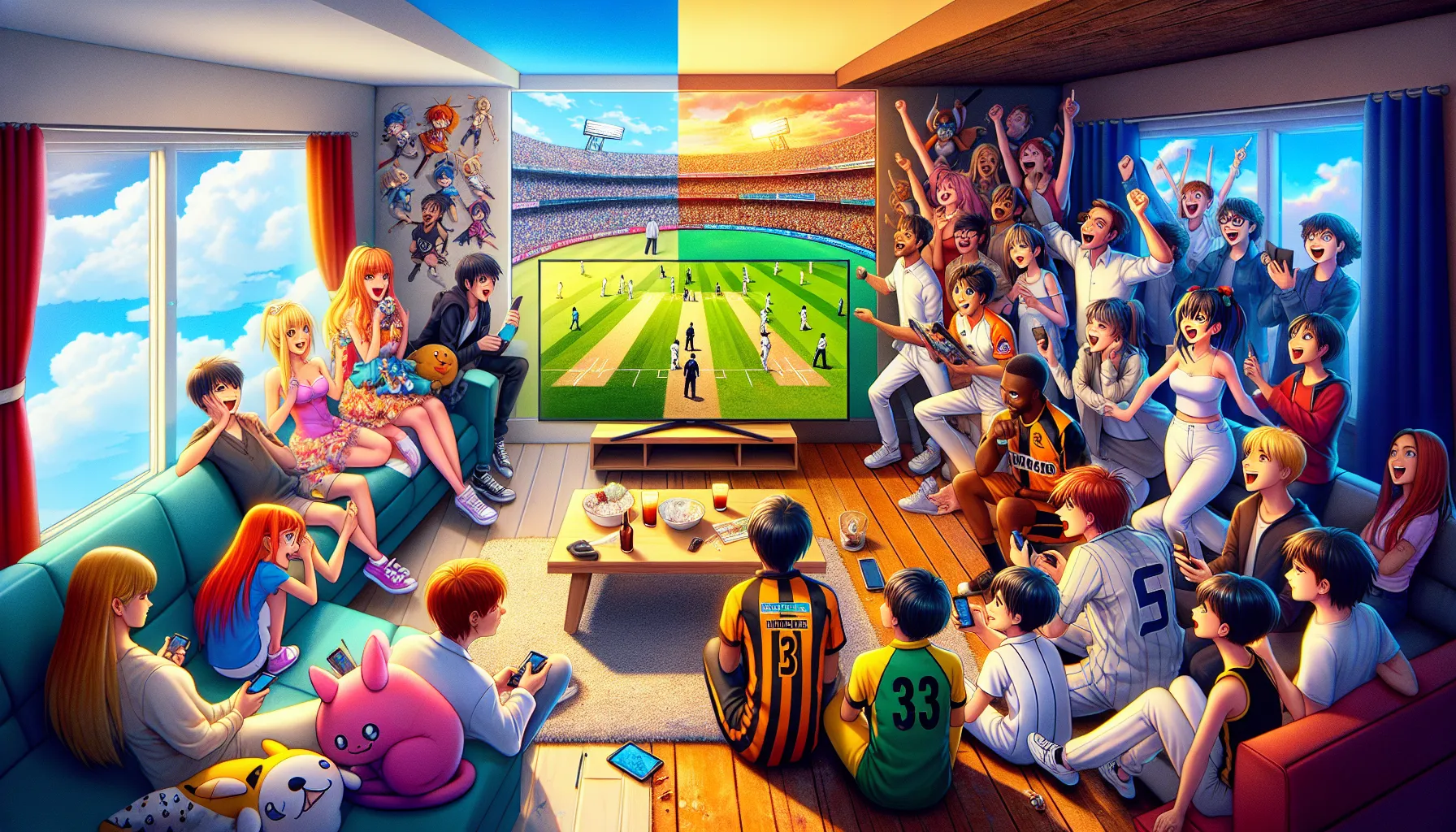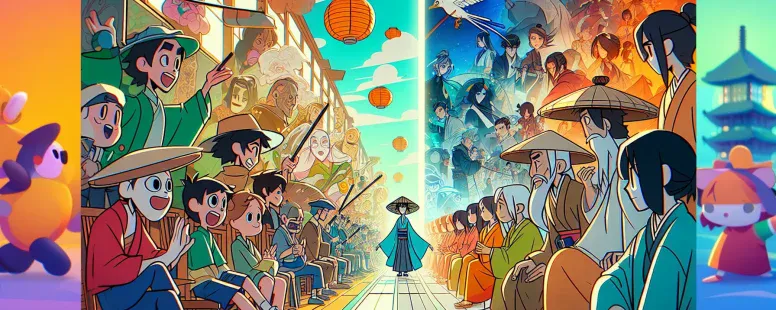
Difference Between Cartoon and Anime
When navigating the vibrant landscape of visual media, you’ve likely come across both cartoons and anime. While casually categorized together as forms of animation, these two terms hold distinct meanings, each with their unique characteristics, origins, and influences. Understanding what sets them apart not only enriches your appreciation for these art forms but also reveals the cultural and historical significance embedded within them.
Defining Cartoons and Anime
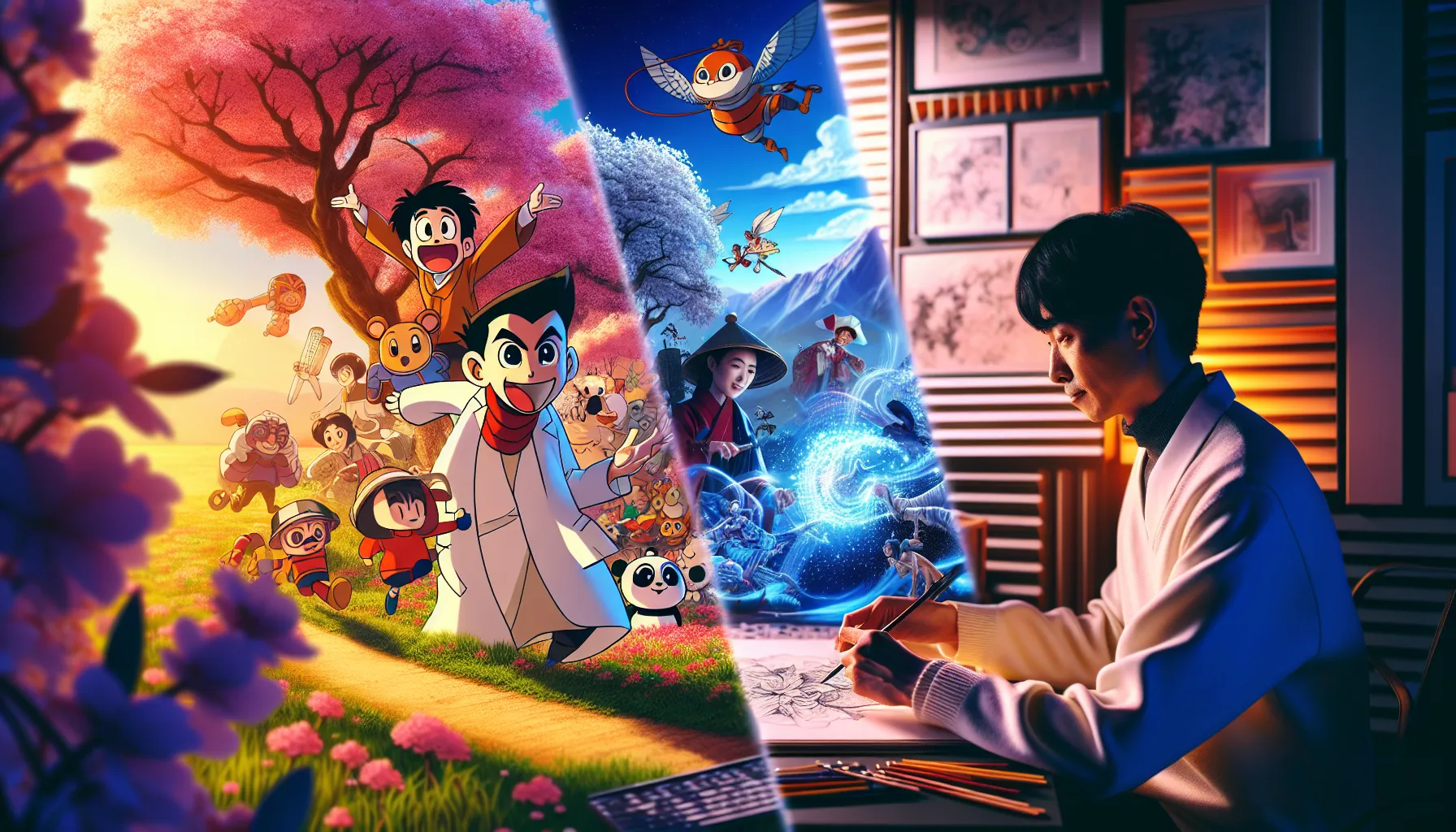
Cartoons and anime, while both forms of animated visuals, differ significantly in scope and interpretation. Cartoons typically refer to animated productions originating primarily in Western contexts and are often designed for entertainment, educational purposes, or both. These can encompass comedic shorts, series meant for children, or even satirical animations for adult audiences. Anime, on the other hand, stems from Japan and adheres to distinct stylistic conventions that encompass a diversity of genres, from action-packed sagas to touching romantic tales. This foundational difference in definition shapes how the two mediums are produced and perceived.
Historical Origins and Evolution
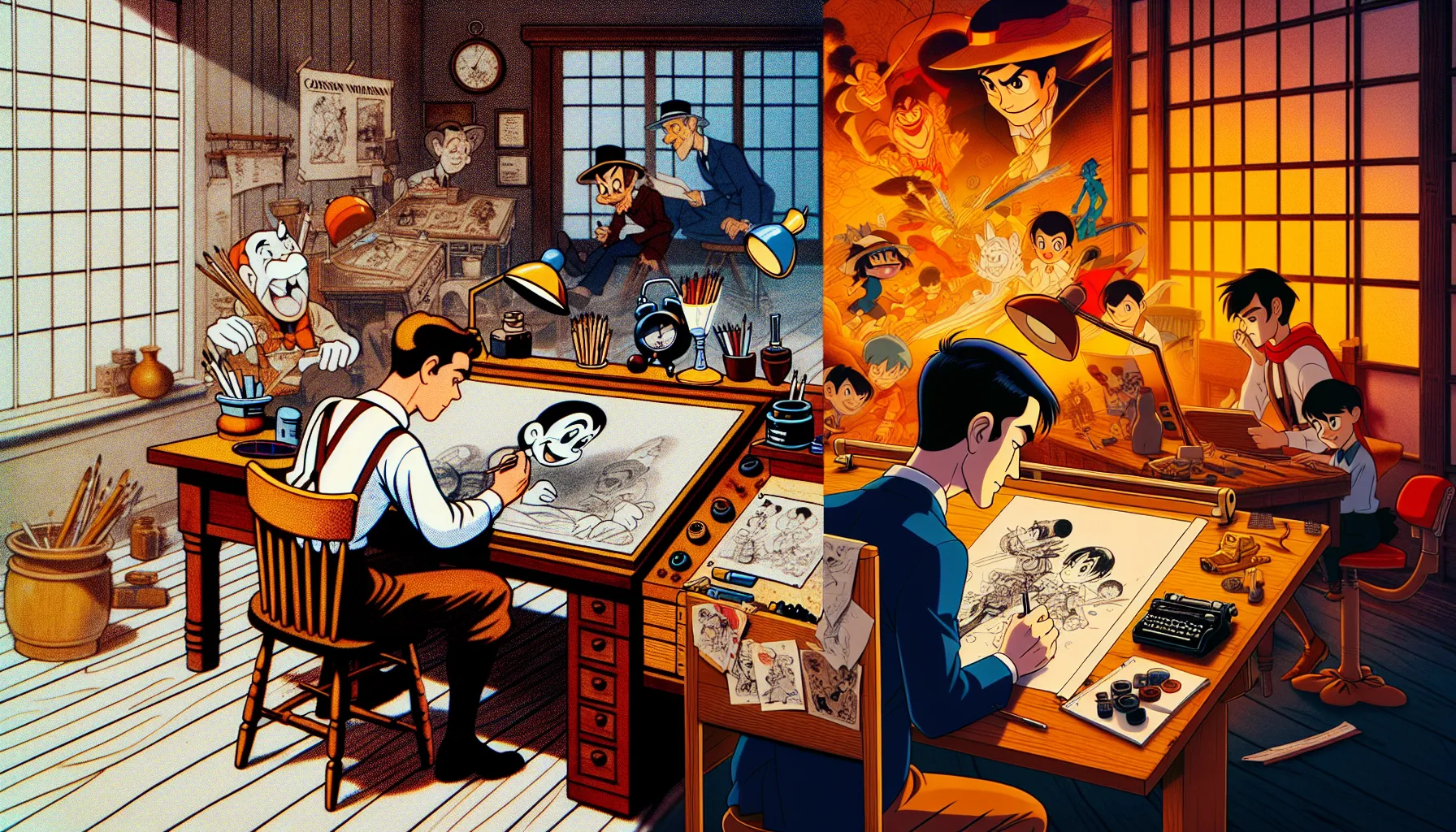
The history of cartoons traces back to the early 20th century, with pioneers like Walt Disney revolutionizing the field by introducing iconic characters and narratives crafted for a broad audience. In contrast, anime’s evolution began with Japanese artists adapting Western animation techniques, eventually creating a unique identity through groundbreaking works such as ‘Astro Boy’ in the 1960s. These distinct paths reflect broader cultural shifts and technological innovations influencing each medium’s development.
Stylistic and Artistic Features Comparison
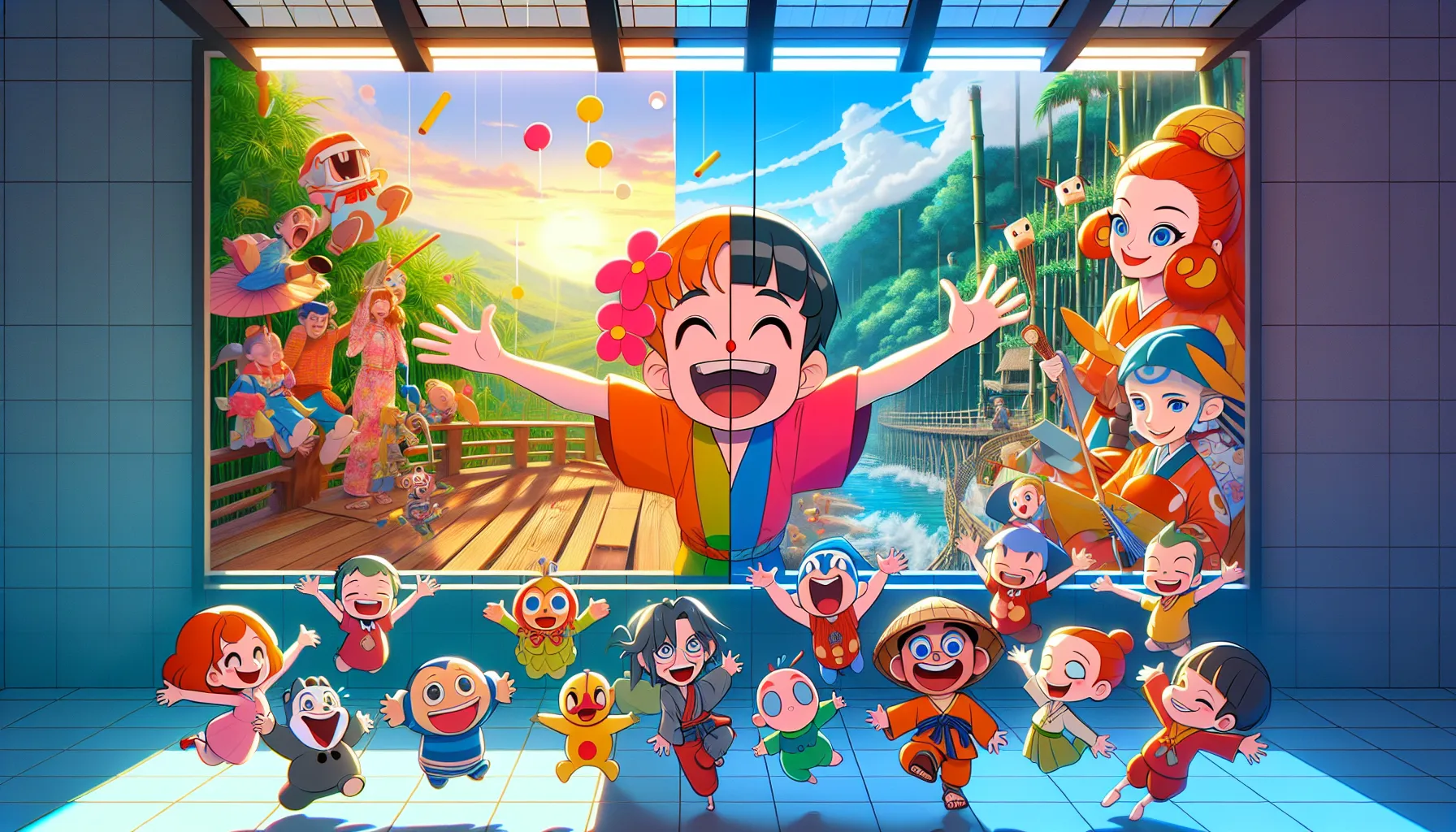
Cartoons tend to prioritize exaggerated expressions, bright colors, and simplified designs aimed to engage children and evoke humor or lightheartedness. Conversely, anime often incorporates realistic character proportions, intricate backgrounds, and a wider color palette, aiming to convey deeper emotional tones or emulate cinematic aesthetics. These artistic distinctions influence the storytelling approaches and intended audience perceptions.
Cultural and Geographic Influences
Cartoons and anime reflect their cultures of origin, integrating relevant themes, myths, and societal values. For instance, Western storytelling conventions in cartoons often emphasize individuality, humor, and innovation. Japanese anime interweaves cultural traditions, collective philosophy, and motifs like Shinto beliefs, creating narratives that resonate deeply with its audience. These cultural imprints enhance the respective animations’ richness and relatability.
Popular Examples and Genres
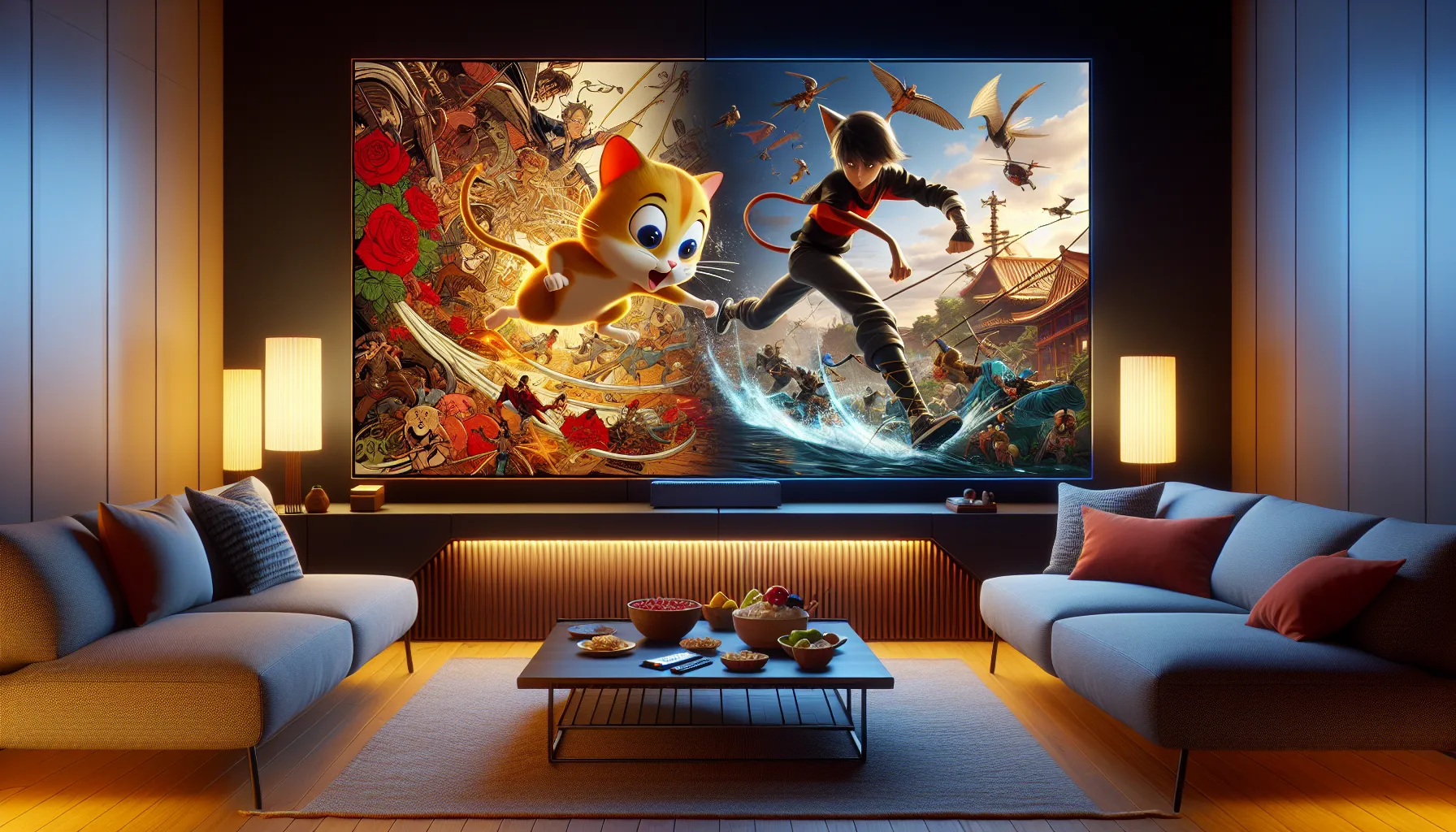
Cartoons like ‘Tom and Jerry,’ ‘The Simpsons,’ and ‘Adventure Time’ exemplify the diversity of genres within Western animation, ranging from slapstick comedy to nuanced social commentaries. Anime examples such as ‘Naruto,’ ‘Spirited Away,’ and ‘Death Note’ showcase similarly varied genres, but often investigate into complex character studies, philosophical dilemmas, and richly detailed worlds.
Impact on Entertainment and Society
The impact of cartoons and anime extends beyond their medium, shaping societal trends, influencing other art forms, and fostering fan communities. Cartoons have introduced iconic tropes and characters while anime has popularized Japanese culture worldwide, spurring interest in art, language, and customs. Their contributions to entertainment go hand in hand with their industries’ economic significance.
by Ellie B, Site owner & Publisher

- Japanese Maple Bloodgood Vs. Atropurpureum - March 9, 2026
- Best Alternatives To Chrome - March 9, 2026
- The Difference Between Sunrise and Dawn, Explained Like You’Re Busy - March 9, 2026