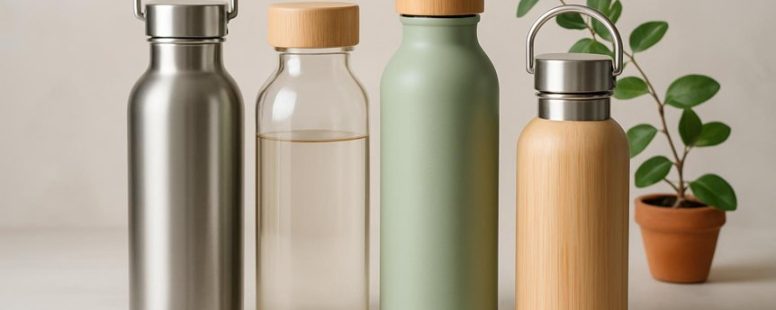
Imagine the satisfying clink of a reusable bottle as you grab it on the run, feeling the coolness against your hand and knowing you’re making a difference.
Swapping single-use plastic bottles for eco-friendly alternatives is a simple change that transforms your daily routine into a small act of kindness to the planet.
With a variety of materials and styles, finding the perfect fit for your busy life is easier than you think.
Did you know that choosing reusable bottles can actually boost your motivation to stay hydrated?
Keep your grab-and-go habit sustainable and let each sip serve as a reminder that even small choices ripple outward, creating waves of change.
Why Should You Switch to Eco-Friendly Water Bottles?
Eco-friendly water bottles are bottles made from materials that are better for the environment. They are reusable and help reduce plastic waste. When you switch to these bottles, you stop using single-use plastic bottles that often end up in landfills or oceans, harming wildlife and polluting water. Instead of recycling, which still uses energy, choosing a durable, reusable bottle means you are cutting down on how much plastic is produced and thrown away.
Some eco-friendly bottles are made from sustainable materials like bamboo, glass, or stainless steel. These materials last longer and don’t release harmful chemicals into your water. For example, brands like S’well and Hydro Flask offer bottles that keep drinks hot or cold for hours, making them both practical and eco-friendly.
There are two sides to consider. On one hand, switching saves the environment and can save money over time because you don’t need to buy new bottles all the time. On the other hand, some eco-friendly bottles can be expensive at first and may need careful cleaning to stay safe. Also, some materials like glass can break easily, so you need to handle them carefully.
Making the switch to eco-friendly bottles is a small change, but it can make a big difference. It helps protect natural resources and reduce pollution in oceans and landfills. Plus, choosing safe, healthy materials for your water bottle can be better for your health. Have you thought about how many plastic bottles you use each week? Switching to a reusable, eco-friendly bottle can help you cut that number down and do your part for the planet.
How to Choose the Right Reusable Water Bottle Material
When choosing a reusable water bottle, the most important thing is the material it is made of. Some materials are safer and better suited for daily use than others. For example, stainless steel bottles are very durable and often keep drinks cold longer. They are also less likely to stain or hold odors over time. On the other hand, plastic bottles are lightweight and usually cheaper. But some plastics may contain chemicals like BPA, which can be harmful. Look for bottles labeled BPA-free to stay safe.
Another factor is how long the bottle will last. A good water bottle should be able to handle daily drops and bumps without cracking or breaking. Stainless steel and glass bottles tend to last longer than cheaper plastic ones. However, glass bottles can break more easily if dropped. Some people prefer plastic because it is lighter and less likely to shatter, but they need to choose high-quality, BPA-free options.
Safety is also key. Some materials are tested and approved for drinking water. Check if the bottle has safety certifications or labels from trusted brands like Nalgene or Hydro Flask. These brands are known for making reliable bottles that are safe for everyday use.
Durability and Longevity
Durability and longevity are the most important factors when choosing a reusable water bottle. These features show how well your bottle will last with daily use or outdoor adventures. Durability tests check if a bottle can handle drops, impacts, and regular wear. Material longevity means how long the bottle will stay in good shape before it gets scratched, dented, or rusted.
Here are some key points to think about:
Impact Resistance: Pick bottles that are tested to survive falls. For example, brands like Nalgene and Hydro Flask often test their bottles for drop resistance. If you drop your bottle often, look for one that can handle it without cracking.
Corrosion Resistance: Make sure your bottle’s material won’t rust or break down over time. Stainless steel bottles are usually good for this. But if you choose plastic, check if it’s BPA-free and designed to resist corrosion.
Wear and Tear: Think about scratches, dents, and fading. Some bottles, especially cheaper ones, get scratched easily and may look worn out faster. A well-made bottle keeps its look longer, even with rough handling.
Some people say that a bottle made from thicker stainless steel is more durable. Others warn that heavier bottles might be less comfortable to carry around. So, what works best depends on how and where you plan to use it.
In short, choosing a water bottle that is impact resistant, corrosion proof, and able to handle scratches will help it last longer. It’s smart to read reviews and test different brands to find the best fit for your lifestyle.
Safety and Material Quality
The best water bottles are made from safe materials that are durable and healthy to use. The most common safe choices are stainless steel and BPA-free plastics. These materials don’t usually leak harmful chemicals into your water. For example, stainless steel bottles like those from Klean Kanteen or Hydro Flask are popular because they last long and keep water cold. BPA-free plastics, like those used by Nalgene or CamelBak, are also safe if they are labeled as free from harmful chemicals.
When choosing a bottle, it’s good to look for brands that share information about where they get their materials. Reputable companies like S’well or Contigo often give clear details about their safety standards. Some plastics may still have additives that could leach chemicals over time, especially if they get hot or scratched. So, read labels carefully and avoid bottles that contain BPA or other questionable chemicals.
There are two main viewpoints about materials. Some people prefer stainless steel because it is very safe and lasts long. Others like BPA-free plastics because they are light and easier to carry. Both options have pros and cons. Stainless steel is heavy but very durable, while plastics are lighter but may need replacing sooner.
In short, pick a bottle made from a safe, transparent material, and buy from brands that share their safety info. This way, you can drink water confidently, knowing it’s safe for your health and will last a long time.
What Are the Best Collapsible Water Bottles for Travel?
Collapsible water bottles are a great way to stay hydrated while traveling. They are lightweight and flexible, which means they don’t take up much space in your bag. These bottles are perfect for people who want an easy way to carry water without adding extra weight or bulk. Here are some of the best options based on durability, ease of use, and how compact they get when empty.
Vapur Eclipse – This bottle is made of BPA-free plastic and is very durable. It can be folded flat when empty, making it easy to stash in your pocket or small bag. Travelers like it because it’s tough and takes up almost no space when not in use. It’s a good choice if you want something that lasts a long time.
Nomader Collapsible Bottle – The Nomader is made of flexible silicone, making it sturdy yet foldable. It is leak-proof, so you don’t have to worry about spills in your bag. It’s easy to roll up after use, which helps save space. Some travelers say it’s perfect for hiking or city trips.
Hydro Flask Stowaway – This bottle is not only collapsible but also insulated, keeping drinks cold for hours. It folds down compactly when empty, which makes it easy to pack. However, it is a little heavier than other options. If keeping your drink cold is important, this might be a good pick.
Some people worry about durability with collapsible bottles, especially if they are made of thin silicone or plastic. It’s important to check reviews before buying. Others might find that some bottles don’t hold up well over time or may leak if not sealed properly.
Tips for Cleaning and Maintaining Your Reusable Water Bottles
Keeping your reusable water bottle clean is the best way to stop bad smells and bacteria from building up. Regular cleaning is key. To do it right, wash your bottle with warm water and dish soap at least once a day if you use it often. Use a bottle brush to scrub all the inside parts, especially the cap and straw if it has one. After cleaning, make sure to dry your bottle completely with a towel or let it air dry. This keeps mold from growing and keeps your bottle smelling fresh. Some people like to use vinegar or baking soda once a week to deep clean and remove any stubborn odors. Just be careful not to leave these inside too long. Remember, if you don’t dry your bottle well, it can develop a musty smell or mold. So, always dry it thoroughly before putting the lid back on. Cleaning your water bottle like this helps it stay fresh and safe to drink from every day.
Regular Cleaning Routine
Keeping your reusable water bottle clean is key to stopping bacteria from growing and making your drinks taste good. A regular cleaning routine also helps your bottle look nice, which can make you want to drink more water. Here’s how to do it:
Wash your bottle every day with warm water and mild soap to get rid of dirt and leftover drinks.
Use a bottle brush to clean all parts, especially the neck and cap, where germs like to hide.
Once a week, do a deep clean with vinegar and water or baking soda. This helps remove bad smells and tough stains.
Following this routine keeps your water bottle clean and looks fresh. When your bottle is clean, it’s more inviting to use, so you’re more likely to stay hydrated. Plus, clean bottles help your drinks taste just right every time. Just remember, if you don’t clean your bottle often, bacteria can build up and cause illness. So, make cleaning part of your daily routine, and your water will always be fresh!
Proper Drying Techniques
Drying your water bottle properly is key to keeping it clean and safe. The best way to dry a water bottle involves two simple steps: towel drying and air drying. First, use a clean cloth or towel to wipe out the inside and outside of the bottle. This helps remove most of the water quickly and gets rid of water that might be hiding in hard-to-reach spots. Imagine squeezing out a sponge; you want to get as much water out as possible.
Next, let the bottle air dry. Place it upside down on a clean drying rack or mat so air can flow inside and outside. This helps all remaining moisture evaporate. If you seal the bottle right after washing, trapped water can grow mold or bacteria. Some people might think sealing it right away is faster, but it can cause problems later.
There are two viewpoints to consider. Some experts say towel drying is enough if you plan to use the bottle soon. Others suggest air drying for longer periods to be extra safe. Keep in mind, if you skip proper drying, mold can grow inside your bottle, which is not safe for drinking.
Avoiding Odor Buildup
Odor buildup in reusable water bottles can happen fast if you don’t clean them regularly. If not cleaned, even fresh water can start to taste bad. To stop bad smells and keep your water tasting good, follow these three simple steps:
Deep Clean Weekly: Wash your bottle with hot water and dish soap. Then, add a mix of baking soda and vinegar to scrub away residues that cause odors. This combo helps break down buildup inside the bottle.
Use Proper Cleaning Tools: A bottle brush is best because it reaches all corners and helps remove mold and grime. Regular scrubbing prevents smells from forming.
Allow Complete Drying: After washing, dry the bottle completely. Leave the lid off so air can flow inside. This stops mold and stale smells from growing.
Some people worry that if they don’t clean their bottles often, bad smells will stay forever. But if you follow these steps once a week, your bottle will stay fresh and smell clean. Keep in mind, if you notice a strong or strange smell even after cleaning, it may be time to replace your bottle. Regular cleaning helps you enjoy fresh water every time and keeps your bottle smelling nice.
Comparing Cost, Durability, and Sustainability of Eco-Friendly Bottles
Eco-friendly water bottles can be a good choice for the environment and your wallet if you pick the right one. To find the best option, you should compare their cost, durability, and sustainability.
First, the cost. Some bottles cost more upfront, like those made from stainless steel or glass. But these may save you money in the long run because they last longer and don’t need to be replaced often. Cheaper bottles made of plastic may seem good at first, but they might break easily or wear out faster. So, think about how much you are willing to spend now and later.
Next, durability. A durable bottle can withstand drops and daily use. For example, stainless steel bottles are tough and usually last many years. Glass bottles are safe and don’t stain or hold smells but can break if dropped. Plastic bottles are lighter and cheaper but often don’t last as long. It’s good to ask: Will I need to replace this bottle often? A long-lasting bottle can save money and reduce waste.
Lastly, sustainability. Some bottles are better for the planet. Stainless steel and glass are recyclable and can be reused many times. They produce less waste compared to single-use plastic bottles. However, these materials can have a bigger environmental impact when they are made. So, think about how often you’ll use the bottle and whether it can be recycled when you are done with it.
Some people prefer stainless steel bottles because they keep drinks hot or cold longer. Others like glass for its clean taste. But, stainless steel bottles tend to cost more than plastic ones. Still, they can last for years, making them more eco-friendly over time.
In the end, choosing the right eco-friendly bottle depends on your needs. Do you want something lightweight or very durable? Are you okay with spending more money now for a bottle that lasts longer? Comparing these factors helps you pick a bottle that saves money and helps the environment.
How to Transition From Plastic to Eco-Friendly Water Bottles
Switching from plastic to eco-friendly water bottles is a good choice for the environment. Here are simple steps to help you make the change.
First, understand what eco-friendly bottles are. These bottles are made from materials like stainless steel, glass, or BPA-free plastics that are safer for the planet. They last longer and are easier to clean than regular plastic bottles.
Next, choose a bottle with a good design. Look for styles that are easy to carry and fit into your daily routine. For example, brands like S’well or Hydro Flask have bottles that are both stylish and practical. Seeing the latest trends can motivate you to stick with your new bottle.
Then, find a trusted brand. Some brands have better reputations for quality and sustainability. Reading reviews can help you pick a reliable one. Keep in mind, some eco-friendly bottles cost more upfront but can save you money over time because you won’t need to replace them as often.
Finally, try using your new bottle for a few weeks. Pay attention to how easy it is to carry and use. If you find it convenient, it will be easier to make it a habit. Remember, switching to eco-friendly bottles doesn’t mean perfection. It’s okay to make mistakes or take time to adjust.
Some people worry that eco-friendly bottles might leak or break more easily. While some glass bottles can break if dropped, stainless steel bottles are tough and almost impossible to crack. Be honest about what works best for your lifestyle.
Making this change helps reduce plastic waste and is better for the environment. It may take some effort at first, but with the right choice and a little patience, you can make a big difference.
Environmental Benefits of Using Reusable Water Bottles
Reusable water bottles are a better choice for the environment than single-use plastic bottles. They help reduce plastic waste, which is a big problem today. When you use a reusable bottle, you are not throwing away as much plastic that could end up in landfills or oceans. For example, a person who switches from buying bottled water every day to using a reusable bottle can save hundreds of plastic bottles each year.
Reusable bottles also save water. They can be filled many times, so you don’t need to buy new bottles all the time. This means less energy is used to make, transport, and dispose of plastic bottles. Companies like Nalgene and Hydro Flask make strong, durable bottles that last a long time, making them good choices for the environment.
However, some say that reusable bottles are not always better. If they are not cleaned properly, they can grow germs. Also, some reusable bottles are made from materials that are not recyclable. So, it is important to choose the right kind and clean it regularly.
To provide the best experiences, we use technologies like cookies to store and/or access device information. Consenting to these technologies will allow us to process data such as browsing behaviour or unique IDs on this site. Not consenting or withdrawing consent, may adversely affect certain features and functions.
Functional
Always active
The technical storage or access is strictly necessary for the legitimate purpose of enabling the use of a specific service explicitly requested by the subscriber or user, or for the sole purpose of carrying out the transmission of a communication over an electronic communications network.
Preferences
The technical storage or access is necessary for the legitimate purpose of storing preferences that are not requested by the subscriber or user.
Statistics
The technical storage or access that is used exclusively for statistical purposes.The technical storage or access that is used exclusively for anonymous statistical purposes. Without a subpoena, voluntary compliance on the part of your Internet Service Provider, or additional records from a third party, information stored or retrieved for this purpose alone cannot usually be used to identify you.
Marketing
The technical storage or access is required to create user profiles to send advertising, or to track the user on a website or across several websites for similar marketing purposes.