Blueberry vs. Honeyberry: Which Is Best For Your Garden And Plate?
You can plant two fruiting shrubs and get very different results: one gives classic, sweet berries that most people know: the other yields an elongated, tangy berry that’s still rare at farmers markets. That contrast explains why gardeners ask “Blueberry or honeyberry, which should I choose?” Here you’ll find direct comparisons of flavor, growing needs, nutrition, and real-world tradeoffs so you decide for your yard and your kitchen. Expect practical tips, honest drawbacks, and clear criteria that help you match plant to purpose.
Quick Comparison Snapshot
Fact: Blueberries and honeyberries serve different garden roles and taste profiles.
Flavor, Appearance, And Texture At A Glance
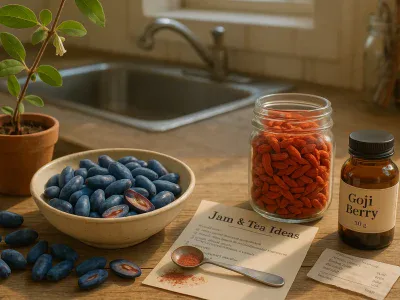
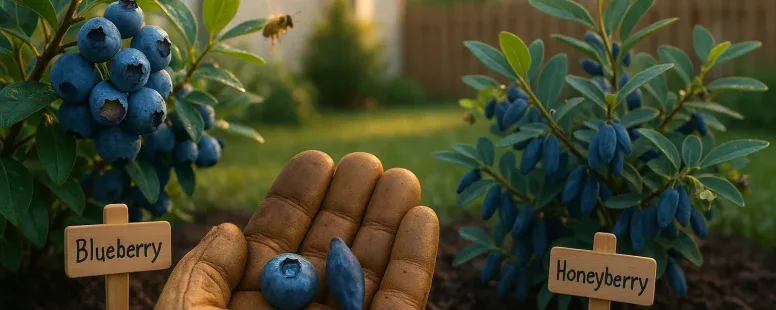
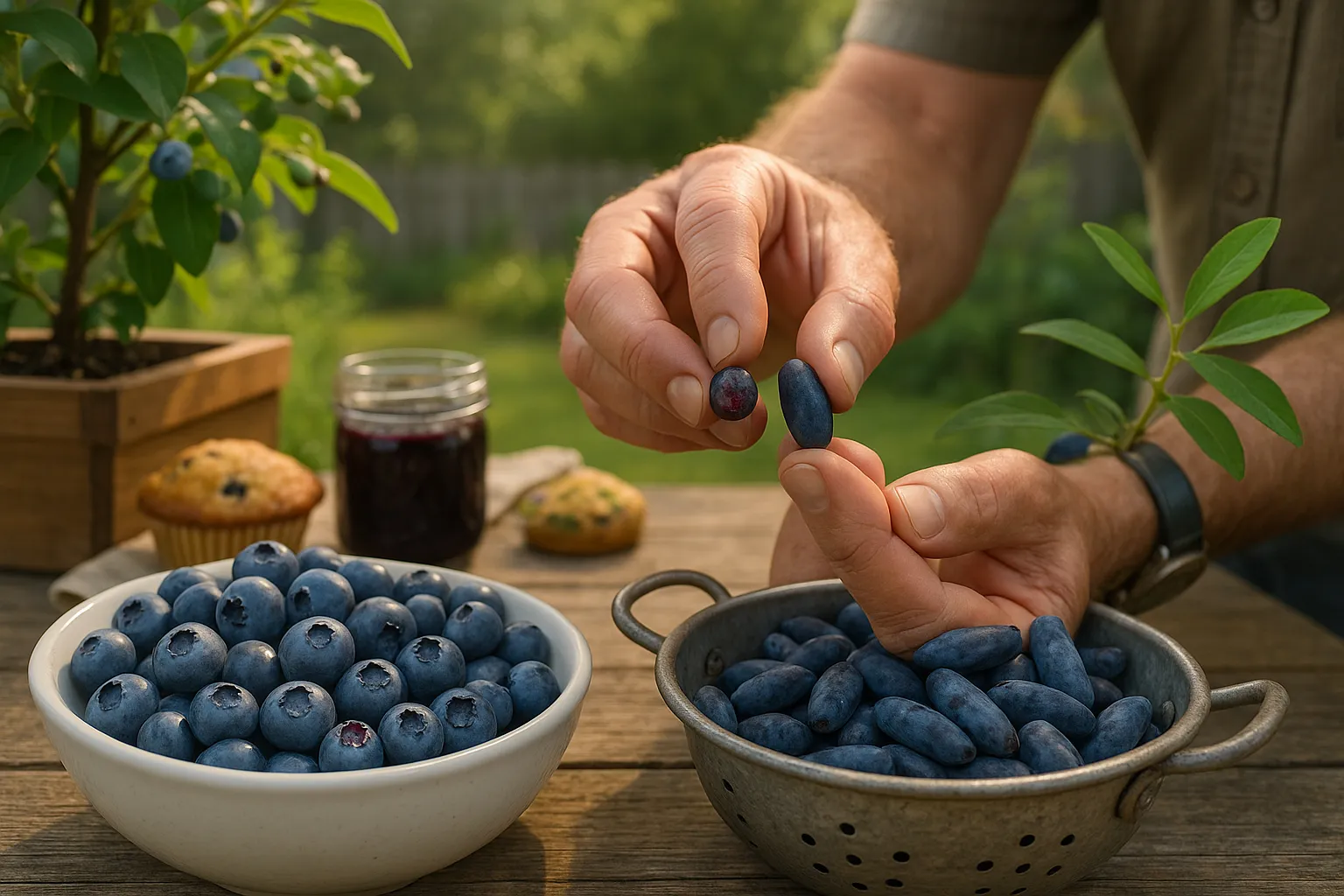
Blueberries are round, plump, and usually deep blue to purple. They taste sweet with a mild acidity when fully ripe. Honeyberries (Lonicera caerulea, also called haskap) are oblong, dark blue to navy, and often tart with floral or honeyed notes.
You will notice texture differences at first bite. Blueberries pop and release a juicy pulp. Honeyberries are firmer and denser: they hold shape in syrups and frozen packs better. Visual cues tell you ripeness: blueberries bloom to a uniform deep color: honeyberries may keep a slightly dusty sheen even when ripe.
Basic Nutrition And Typical Uses
Fact: Both fruits offer fiber, vitamin C, and low calories. A 100 g serving of blueberries has about 57 kcal, 2.4 g fiber, and 9.7 mg vitamin C. Honeyberries are similar in calories but often have higher vitamin C and sometimes more anthocyanin per gram depending on variety and growing conditions.
You will eat blueberries fresh, in muffins, and in yogurt. You will more often see honeyberries used in preserves, cordials, and specialty bakes where tartness and floral notes shine.
Ease Of Growing And Typical Yields
Fact: Blueberries are generally easier to find and grow for beginners: honeyberries reward a bit more patience.
Blueberries require acidic soil (pH 4.5–5.5) and good moisture management. Many highbush cultivars produce abundant fruit in USDA zones 4–7. Honeyberries tolerate neutral soil better and survive in colder zones (USDA 2–7 for many cultivars). Yields: a mature blueberry bush can produce 5–10+ lbs per season depending on variety and care. A mature honeyberry bush often produces 4–8 lbs, but early-bearing plants can give fruit weeks before blueberry harvest starts.
Plant Biology And Growing Requirements
Fact: Blueberries belong to Vaccinium: honeyberries belong to Lonicera: they have distinct botanical needs.
Botanical Differences And Varieties
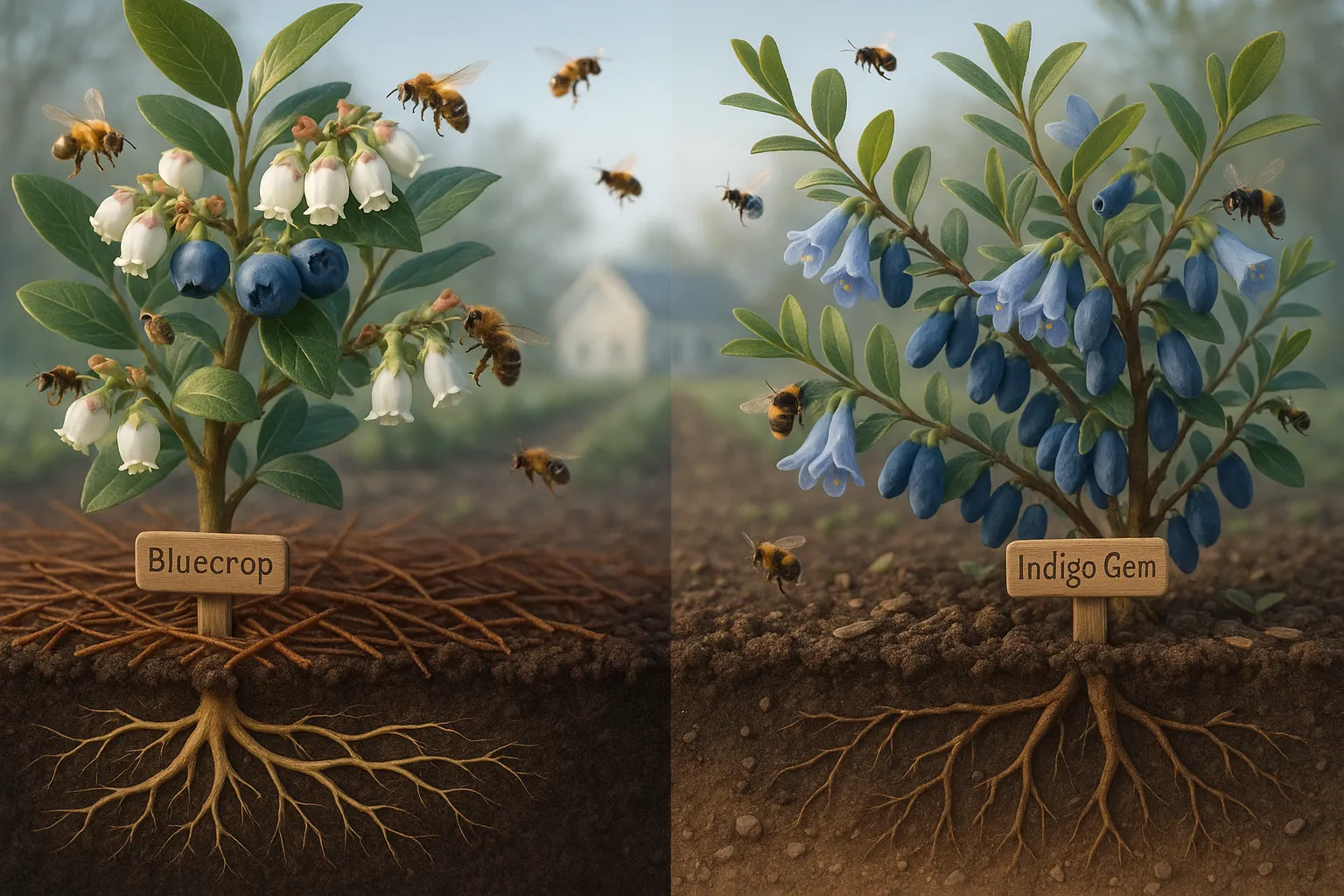
Vaccinium corymbosum (highbush blueberry) and Vaccinium angustifolium (lowbush) dominate markets. Varieties include ‘Duke’, ‘Bluecrop’, and ‘Jersey’. Honeyberries are Lonicera caerulea with cultivars like ‘Indigo Gem’, ‘Tundra’, and ‘Borealis’.
Blueberry plants form shallow, fibrous roots adapted to acidic peat or pine-needle soils. Honeyberry roots are deeper and more tolerant of standard garden loams. That difference affects mulching and irrigation choices.
Climate, Soil Preferences, And Hardiness Zones
Fact: Honeyberries tolerate colder winters: blueberries prefer milder, acidic sites.
Blueberries thrive in zones 4–7 (some southern southern cultivars for zone 8) and need winter chill but dislike extreme low winter temperatures without snow cover. Honeyberries handle zone 2 cold and will flower early, which can risk late-frost damage in variable springs.
Soil: you will acidify soil for blueberries with sulfur or peat. For honeyberries you can grow in pH 5.5–7.5, so you often avoid soil amendments.
Pollination Needs, Bloom Time, And Harvest Window
Fact: Many honeyberry and blueberry cultivars need cross-pollination to maximize yield.
Blueberries set more fruit when you plant at least two compatible varieties that bloom together. Bees like both: blueberry blossoms are bell-shaped and attract bees in mid to late spring. Honeyberries bloom early (often very early spring) and need cross-pollination between cultivars for best fruit set, plant two or more varieties that overlap in bloom.
Harvest: honeyberries can ripen 2–4 weeks before blueberries in many climates, extending your fruit season.
Taste, Texture, And Culinary Uses
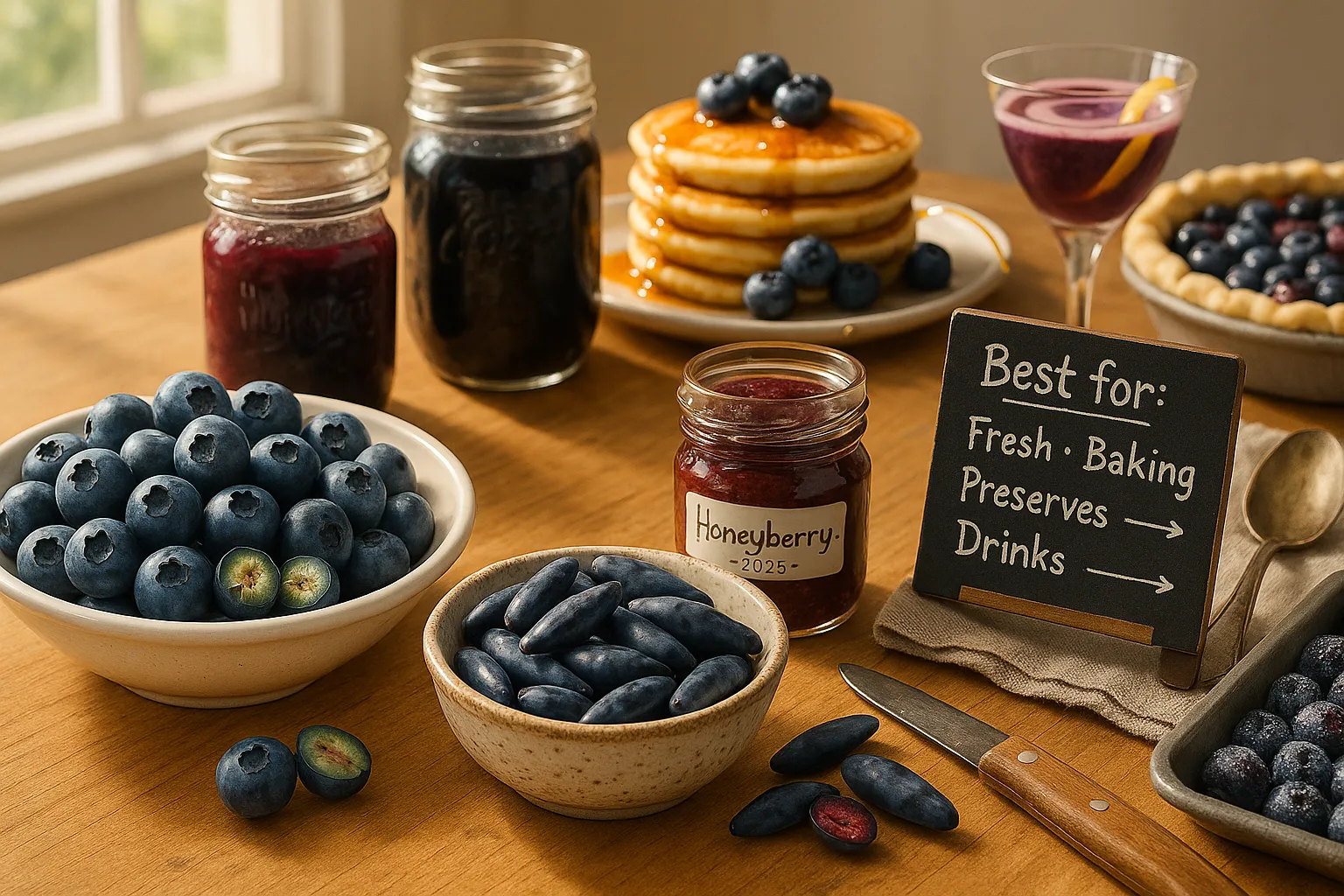
Fact: Taste shifts with ripeness and variety: use each berry where its strengths matter.
Detailed Flavor Profiles And How They Change With Ripeness
Blueberries become sweeter and lose acidity as sugars accumulate. Unripe blueberries taste starchy and tart. Honeyberries carry an initial tartness with floral or honey notes: as they ripen they become rounder and less astringent but rarely reach the same sweetness level as the sweetest blueberry cultivars.
The dependency of flavor on ripeness matters: honeyberry harvest timing determines whether you get a bright tart jam or a nearly sweet fresh-eating berry. Think of honeyberries as concentrated lemon-blueberry hybrids in flavor memory, they give brightness more than pure sugar.
Best Culinary Uses: Fresh Eating, Baking, Preserves, And Drinks
Fact: Blueberries suit a wide range of dishes: honeyberries excel in concentrated applications.
You will use blueberries in pancakes, muffins, salads, smoothies, and freeze them for later. Honeyberries are excellent in jams, syrups, coulis, and artisanal cocktails where their tartness balances sugar and alcohol. Use honeyberries in pies when you want less run and deeper color.
Storage, Freezing, And Preserving Tips
Fact: Both freeze well, but honeyberries keep firmer texture after thawing.
To freeze: spread single layer on a tray, freeze solid, then transfer to airtight bags. For preserves, cook honeyberries with slightly less sugar than blueberries because their acidity lets pectin work differently. Label jars with variety and year, you will thank yourself later when recipes call for a specific flavor profile.
Nutrition, Health Benefits, And Safety
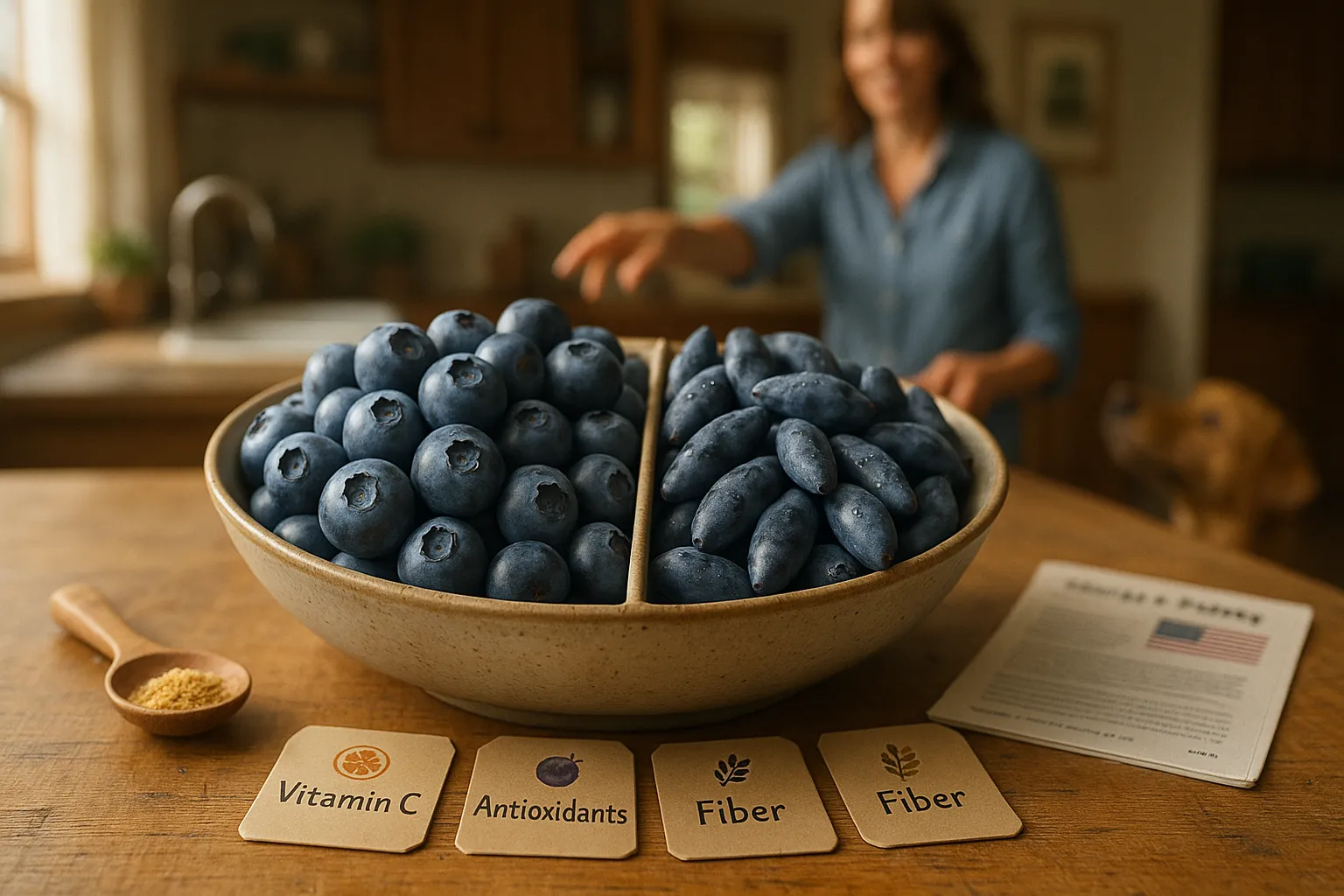
Fact: Both berries offer antioxidants and modest vitamins: differences are nuanced.
Comparing Vitamins, Minerals, And Fiber
Blueberries provide vitamin C, vitamin K, manganese, and fiber. Honeyberries often match or exceed blueberries for vitamin C and sometimes for potassium depending on soil. For fiber both fall in the 2–4 g per 100 g range, which supports digestion and satiety.
Antioxidants, Polyphenols, And Research-Backed Benefits
Fact: Honeyberries and blueberries contain anthocyanins and polyphenols linked to anti-inflammatory effects.
Research shows blueberries improve certain markers of vascular health and cognitive function in short-term trials. Haskap/honeyberry studies (from Japan, Russia, and Canada) highlight potent antioxidant capacity and potential benefits for blood sugar regulation, but much of that work is preliminary. Eat both to get a broader mix of phytonutrients.
Allergy, Safety, And Dietary Considerations
Fact: Both fruits are low-allergen foods but watch for cross-reactivity.
Most people tolerate them well. People with pollen-food syndrome (oral allergy) may react to raw berries rarely. Honeyberries are safe for kids and pets in small amounts, but large quantities can cause stomach upset, same for blueberries. If you have specific allergies, consult an allergist before adding a new fruit to your diet.
Growing, Care, And Pest Management
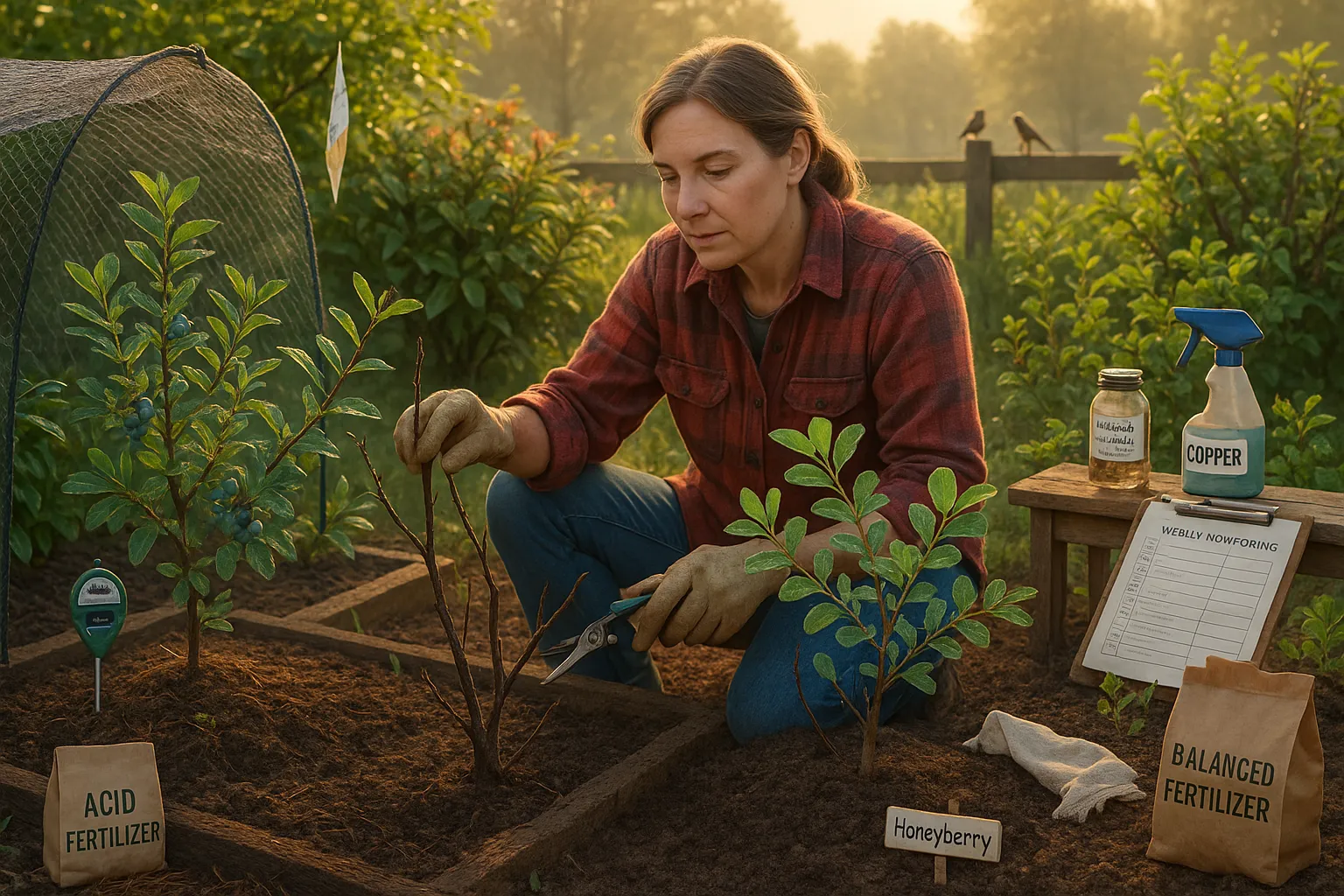
Fact: Proper site prep and timing cut most problems before they start.
Planting, Site Preparation, And Companion Planting Tips
Prepare a planting hole with organic matter and adjust pH for blueberries. For honeyberries you can plant directly in good garden loam. Space bushes 3–6 ft apart depending on variety. Plant in full sun for best fruiting: partial shade reduces yields.
Companions: plant blueberries near azaleas or rhododendrons (shared acidity preference). For honeyberries, pair with shrubs like currants or gooseberries that tolerate similar conditions and attract pollinators.
Pruning, Fertilization, And Seasonal Care
Fact: Annual pruning increases yield and fruit size.
Blueberries need light formative pruning the first years and heavier pruning at 3–5 years to renew canes. Honeyberries require minimal pruning but you should remove dead wood and thin crowded branches to improve air flow. Feed blueberries with acid-formulated fertilizers in early spring. Feed honeyberries with balanced fertilizer after dormancy.
Common Pests, Diseases, And Organic Control Options
Fact: Birds, fungal diseases, and a few insects are primary threats.
Birds love blueberries: use netting or scare tactics. Honeyberries attract fewer birds early in the season but they do get eaten. Watch for mummy berry and crown rot in blueberries: maintain good drainage and remove infected tissue. For honeyberries watch powdery mildew and leaf spots, prune for air flow and apply copper or sulfur sprays as organic measures.
Use integrated pest management: monitor weekly, identify pests, and use row covers or biological controls (predatory insects) before chemical solutions. This reduces collateral damage to pollinators.
How To Choose Between Blueberry And Honeyberry For Your Needs
Fact: Choose based on taste preference, climate, and how you plan to use the fruit.
Choosing For Taste, Use, And Culinary Preference
If you want sweet, snackable fruit for kids and salads, choose blueberries. If you want complex, tart fruit for jams, syrups, and specialty baking, choose honeyberries. If you like both, plant one of each to broaden seasonal variety.
Choosing For Climate, Maintenance Level, And Yield Goals
Fact: Honeyberries suit very cold sites: blueberries demand acidic soil and steady moisture.
Choose honeyberries if you live in USDA zone 2–3 or if your soil resists acidification. Choose blueberries if you have acidic soil or are willing to amend and you value lower early-frost risk at bloom time. For low maintenance pick hardy cultivars and expect yields to increase after 2–3 years.
Availability, Cost, And Where To Buy Plants Or Fruit
Fact: Blueberries are more widely available at nurseries and supermarkets: honeyberries are rarer but growing in popularity.
Buy blueberry plants at major nurseries, garden centers, or brands like Stark Bro’s and Burpee. Honeyberry cultivars often come from specialty growers and university breeding programs in Canada and Russia: search nurseries that carry Lonicera caerulea or look for listings at your state extension site. Fruit: you will find blueberries widely in stores: honeyberries show up at farmers markets or specialty producers. Expect honeyberry plants and fruit to cost more due to lower commercial supply.

- Top Free Alternatives to VTube Studio for Streamers - October 24, 2026
- Software Development Models Comparison: SDLC Frameworks - October 23, 2026
- WxWidgets Alternatives for Cross-Platform GUI Development - October 22, 2026
by Ellie B, Site Owner / Publisher