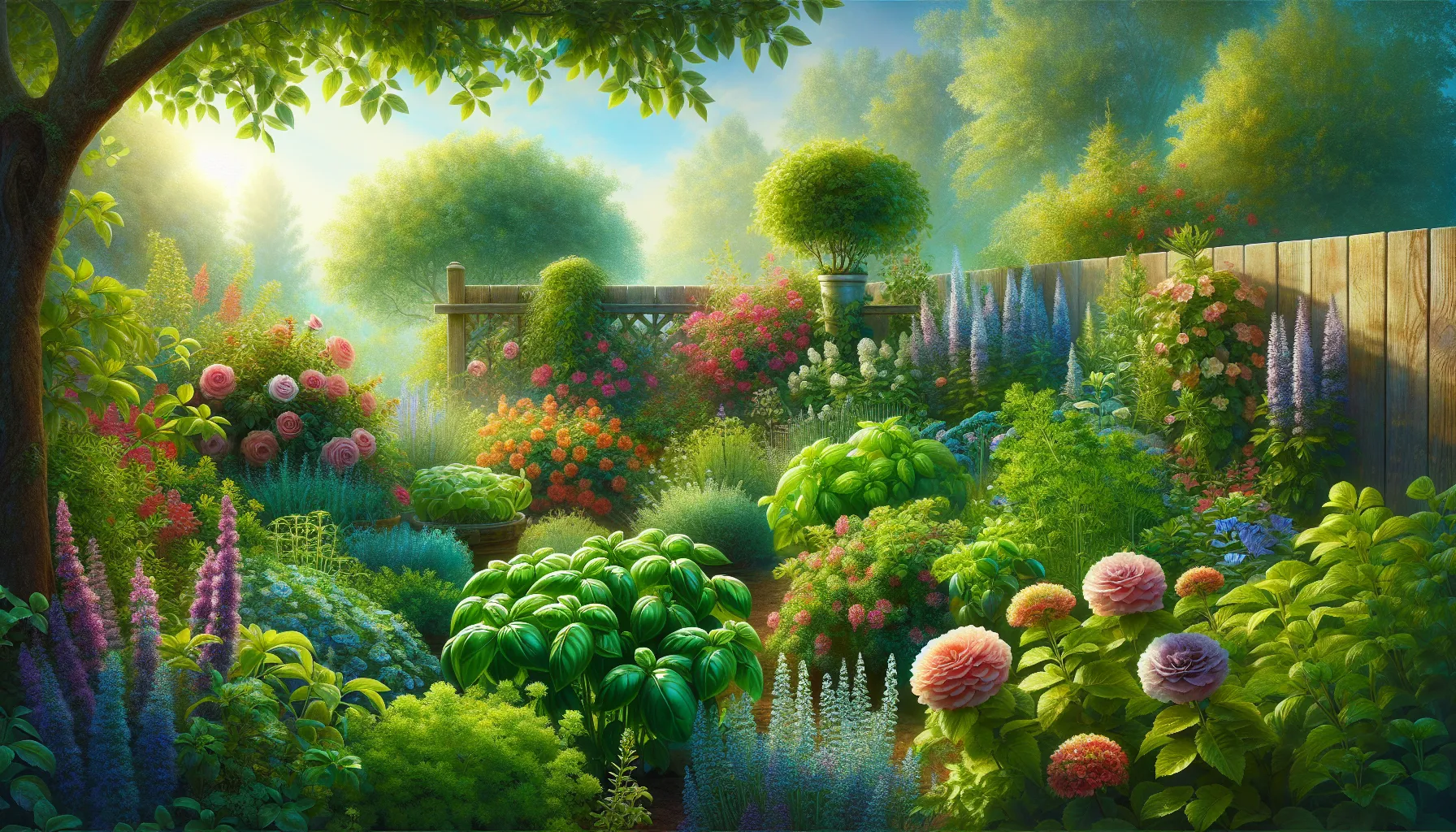
When we stroll through gardens, forests, or even urban landscapes, we are surrounded by a vast diversity of plants. Among these, herbs and shrubs are two distinct categories that form the foundation of many ecosystems and human practices. Understanding the differences between these plant types isn’t merely an academic exercise, it offers insight into biodiversity and cultivates an appreciation for the roles plants play in our lives. Whether you’re a budding gardener or a curious observer, delving into the contrasting nature of herbs and shrubs reveals both science and beauty.
Understanding the Basics of Herbs and Shrubs
Definition of Herbs
Herbs are predominantly small, non-woody plants that typically complete their life cycle within one or two growing seasons. They are recognized for their pliable stems and vibrant growth, often contributing to culinary, medicinal, and aromatic uses worldwide.
Definition of Shrubs
Shrubs, in contrast, are medium-sized, woody plants with multiple stems branching from the base. These plants often exhibit longevity and stability, forming a significant part of ornamental landscapes and natural habitats.
Physical Characteristics
Size and Structure Differences
Herbs tend to be lower in height, their pliable stems supporting lush foliage and flowers, whereas shrubs are characterized by their bushy appearance, harder stems, and distinct bark layers.
Growth Patterns and Lifespan
While herbs generally exhibit rapid but short-term growth, shrubs display a slower rate of development paired with extended life spans, allowing them to endure in challenging environmental conditions.
Environmental and Functional Aspects
Habitats and Growth Preferences
Herbs thrive in a diverse range of environments, from temperate gardens to the tropical rainforest understorey. On the other hand, shrubs establish themselves in areas providing greater stability, serving as a buffer in forest ecosystems and thriving in managed settings such as borders or hedgerows.
Uses and Applications
Herbs are celebrated for their utility in gastronomy, herbal medicine, and perfumery, while shrubs are cherished for their protective roles in erosion prevention and ornamental applications, as well as their gastronomic and medicinal contributions.
Common Examples of Herbs and Shrubs
Investigate into familiar specimens to distinguish these categories further. Among herbs, plants like basil, cilantro, and parsley stand out, offering remarkable culinary and medicinal properties. For shrubs, think of the rose, hibiscus, and hydrangea, icons in landscaping and botany alike.
To provide the best experiences, we use technologies like cookies to store and/or access device information. Consenting to these technologies will allow us to process data such as browsing behaviour or unique IDs on this site. Not consenting or withdrawing consent, may adversely affect certain features and functions.
Functional
Always active
The technical storage or access is strictly necessary for the legitimate purpose of enabling the use of a specific service explicitly requested by the subscriber or user, or for the sole purpose of carrying out the transmission of a communication over an electronic communications network.
Preferences
The technical storage or access is necessary for the legitimate purpose of storing preferences that are not requested by the subscriber or user.
Statistics
The technical storage or access that is used exclusively for statistical purposes.The technical storage or access that is used exclusively for anonymous statistical purposes. Without a subpoena, voluntary compliance on the part of your Internet Service Provider, or additional records from a third party, information stored or retrieved for this purpose alone cannot usually be used to identify you.
Marketing
The technical storage or access is required to create user profiles to send advertising, or to track the user on a website or across several websites for similar marketing purposes.