A pinch of dried chives can transform a dish, yet what do you do when your jar is empty?
Imagine the subtle green whisper of onion that elevates everything from soups to salads—without overwhelming.
When dried chives are out of reach, choosing the right substitute becomes an art, balancing flavor, texture, and aroma like a well-tuned orchestra.
Surprisingly, some alternatives not only mimic the taste but also add a fresh burst of vibrancy that can surprise your palate.
Think of it as finding a hidden gem in your spice drawer—ready to turn ordinary into extraordinary.
Top Substitutes for Dried Chives You Can Use Today
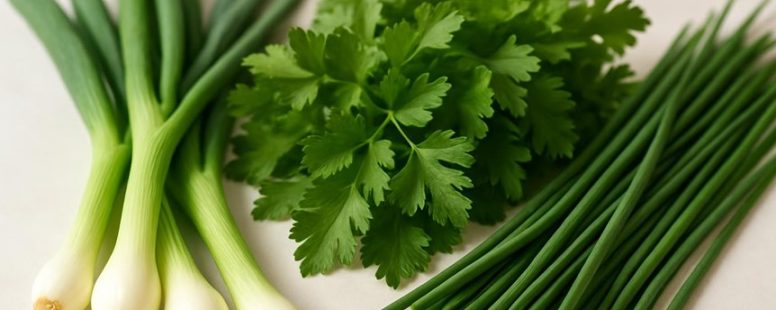
Dried chives can be replaced with other ingredients that keep your dish tasty and fresh. Green onions are the best choice because they have a mild onion flavor similar to chives. They also offer health benefits like antioxidants. Fresh parsley is another good option. It adds a bright, herby taste that works well in many recipes. If you want a stronger onion flavor, try finely chopped leeks or scallions.
Some people worry about flavor differences or texture when using substitutes. For example, green onions are milder than onions but still give a similar look and taste. Fresh parsley doesn’t taste like onion, but it adds a fresh flavor that can brighten up your meal. Leeks and scallions have a stronger onion punch, so use them carefully if you want to keep the original flavor.
Why Dried Chives’ Flavor and Texture Matter
Dried chives matter because their flavor and texture impact how your dish turns out. They have a mild onion-garlic taste that adds depth without taking over. When dried, chives lose some of their fresh sharpness but develop a softer texture that blends smoothly into food.
If you use dried chives, you want them to do a few things. First, they should add a gentle, yet noticeable flavor that complements other ingredients. Second, their soft texture should mix well into dishes like dips, soups, or sprinkled on top as a garnish. Third, they need to release their flavor slowly while cooking, so your food keeps that subtle onion taste.
Missing these qualities can make your dish taste off or unbalanced. For example, if your substitute is too strong or too crunchy, it can overpower or clash with the other flavors. That’s why understanding how dried chives behave helps you choose the best replacement. You want something that mimics their mild flavor and soft texture, so your recipes stay just right.
Some cooks might prefer fresh chives over dried, but if you only have dried, knowing what to expect keeps your food tasting great. Keep in mind that some substitutes may not perfectly match dried chives, and that can change the dish’s overall feel. So, always consider what role the chives are playing—adding flavor, texture, or both—before picking a replacement.
Best Fresh Herb Substitutes for Dried Chives
Fresh herbs can be great substitutes for dried chives when you want to add brightness to your dishes. Dried chives have a mild onion flavor and soft texture, but fresh herbs can give a similar taste with more color and freshness.
Green onions, also called scallions, are a popular choice. They have a sharp, onion-like flavor that works well in salads and as a garnish. Parsley adds a fresh, light taste that does not overpower other flavors, making it good for soups and sauces. Tarragon has a slight anise or licorice flavor that fits nicely in creamy dishes like dressings or chicken recipes.
When using fresh herbs instead of dried chives, you should use more because fresh herbs are less concentrated. A common rule is to use three times the amount of fresh herb for each teaspoon of dried chives. For example, if a recipe calls for one teaspoon of dried chives, use about three teaspoons of chopped fresh herbs.
Keep in mind, each herb gives a different twist. Green onions will give you that onion punch, parsley adds a bright note, and tarragon brings a subtle sweetness with a hint of licorice. So, think about what flavor you want before choosing your substitute.
Using fresh herbs can make your dish look more colorful and vibrant. But be careful — too much fresh herb can change the flavor. It’s best to add a little at first and taste as you go.
Some people might prefer dried chives because they store longer and are easier to measure. Others like fresh herbs because they taste better and look more appealing. If you’re in a hurry and don’t have fresh herbs, dried chives are still a good option. But if you want a dish with a fresh, bright flavor, go for the fresh herbs.
Top Dried Seasoning Substitutes for Dried Chives
Dried chives are a common seasoning in many kitchens, but sometimes they are not available. Here are some good substitutes that can stand in for dried chives without changing your dish too much. These options are easy to find and can keep your food tasty and healthy.
First, dried green onion flakes are the best choice because they taste very similar in flavor and texture. They work well for garnishing soups or salads. Next, dried parsley is a good alternative. It has a mild, fresh flavor and offers some of the same health benefits as chives. Dried dill weed is another option. It adds a light tang and is great in dressings or dips. Lastly, garlic powder can add a strong, savory flavor if you want a bolder taste. Just remember, using too much garlic powder can overpower your dish, so add it carefully.
Some people might worry that these substitutes won’t taste exactly like chives. That’s true, and they might change the flavor a little. For example, garlic powder is much stronger, so use less of it. Also, dried parsley and dill have their own unique flavors, which can change the dish’s taste slightly. So, it’s good to think about what kind of flavor you want before choosing a substitute.
In the end, these options help keep your recipes flavorful and nutritious even if you don’t have dried chives. Try them out and see which one works best for your cooking.
Adjusting Quantities When Substituting Dried Chives
When you replace dried chives with another seasoning, it’s important to adjust the amount carefully. Different herbs and seasonings have varying strength, so measuring correctly helps keep your dish tasty. For example, if you use dried parsley or chopped green onions, you can usually swap them one-to-one with dried chives. But stronger herbs like tarragon or garlic powder need less. Start by using half the amount called for and then taste your dish. It’s easier to add more seasoning than fix if it becomes too strong.
Keep in mind that dried herbs are more concentrated than fresh herbs. If you are using fresh chives or another fresh herb, you should increase the amount. For example, use about three times more fresh herbs than dried. This way, your dish will stay flavorful without becoming too overpowering.
Knowing how to adjust the amounts when substituting herbs makes your cooking better. It helps you avoid surprises and keeps your flavors balanced. Whether you’re making a soup, salad, or marinade, these tips make sure your dish tastes just right.
How to Use Chive Substitutes in Your Recipes
Using chive substitutes in your recipes is easy once you understand how they compare and when to add them. Dried chives are stronger in flavor than fresh ones, so if you’re replacing them, you need to use less. For example, if a recipe calls for a tablespoon of fresh chives, you might only need a teaspoon of dried.
When swapping, think about the flavor. Some herbs like green onion or scallions taste similar to chives and work well in most dishes. Others, like dill or parsley, give a different flavor but can still add a fresh touch. For instance, if you’re making baked potatoes, chopped green onion is a good substitute because it adds a similar sharpness.
Here are steps to follow:
Decide which herb to use based on the flavor you want.
Use less of the dried version because it’s more concentrated.
Add the herb at the right time. For dried herbs, add them early to let the flavor develop. For fresh or green onion, add near the end so they stay fresh and bright.
Taste your dish and adjust if needed.
Keep in mind, not every substitute works perfectly in every recipe. Dill or parsley may change the taste a lot, so try small amounts first. If you want the best flavor, use fresh chives when you can. Also, remember that dried herbs can lose flavor if stored too long.
Some people love experimenting with substitutes, but others find it tricky because it can change the dish’s flavor. Be careful and taste as you go. A little trial and error can help you find what works best for your favorite recipes.
Flavor Profiles Comparison
Choosing a good substitute for chives depends on understanding their flavor. Chives have a mild onion taste that adds freshness to dishes. When picking a replacement, consider how strong or subtle the flavor is and how it will fit with your recipe.
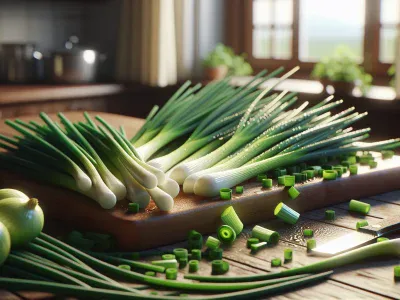
Green onions are a common choice. They have a mild onion flavor, similar to chives but a bit stronger. If you want a similar taste, green onions work well, especially when chopped finely. They can be used in salads, soups, or garnishes.
Garlic scapes are the flower stalks of garlic plants. They have a gentle garlic flavor with a fresh, slightly grassy taste. If you like a hint of garlic without overpowering the dish, garlic scapes are a good option. They’re great in stir-fries or pasta.
Leeks are softer and sweeter. They have a delicate flavor that’s less sharp than chives. If you want a mild onion flavor that won’t dominate your dish, leeks are a good choice. They work well in soups and roasted vegetables.
Parsley is a fresh herb with a bright, slightly peppery flavor. It doesn’t taste like onion, but it adds a fresh green note. Parsley pairs well with other herbs and can brighten up salads and dips.
Remember, each substitute has its limits. Green onions are close but stronger, so use less if you want to match chives exactly. Garlic scapes and leeks are milder but add different twists. Parsley is good for freshness but doesn’t mimic chives’ onion flavor.
In the end, the best substitute depends on your dish and what flavor you want to highlight. Sometimes, a mix of herbs works better than a single one. Just keep in mind that no substitute will be exactly like chives. Use what makes your dish taste best.
Cooking Techniques Adjustment
Chive substitutes are not exactly the same as fresh chives, but they can still add a nice onion flavor to your dishes. To get the best taste when using them, you need to change how you cook with them. For example, dried chive substitutes are more delicate and can burn easily. To avoid bitterness, add them near the end of cooking. This keeps their flavor fresh and bright.
Fresh options like green onions or leeks are sturdier. They can handle a bit more heat, but it’s still best to lightly sauté them. This helps bring out their sweetness without overpowering your dish. When using any substitute, start with a small amount and taste as you go. Substitutes vary in strength, so adjusting helps you get the flavor right.
Some people might think that all substitutes work just like fresh chives, but that’s not always true. Dried ones can burn quickly if cooked long. Also, some substitutes might be stronger or milder, so you have to be careful. If you rush or add too much, your dish might taste off or bitter.
On the other hand, using substitutes can save you time or money. If you don’t have fresh chives, green onions or leeks can be a good alternative, as long as you use them properly. Overall, adjusting your cooking method helps ensure your dish still tastes fresh and flavorful, even without real chives.
Tips to Boost Flavor Without Dried Chives
If you don’t have dried chives, there are other ways to add flavor to your dishes. Fresh herbs like green onions, parsley, or tarragon can give your food a bright, fresh taste similar to chives. For example, chopped green onions work well in salads and soups, giving a mild onion flavor. Parsley can add a fresh note, especially in pasta or egg dishes.
Here are some simple techniques to boost flavor without chives. First, add a splash of lemon juice or vinegar. These acids can brighten up the overall taste of your meal. Second, toast your spices lightly before adding them. Toasting releases their oils and makes flavors stronger. For example, lightly toasting black pepper or garlic powder can make a big difference. Third, use high-quality ingredients. Fresh, flavorful vegetables and herbs bring more taste naturally.
Some people worry that these methods might change the dish too much or make it taste different. That’s true — these tips won’t exactly replace chives but can make your food just as tasty. Also, keep in mind that these tricks work well in most recipes, but some dishes might need a specific herb for the right flavor.
In short, even if you’re out of dried chives, you can still make your meals flavorful. Try fresh herbs, add a splash of lemon, toast your spices, and use good ingredients. These small changes can make a big difference and keep your dishes delicious.
Fresh Herb Alternatives
Fresh Herb Alternatives
If you want to add bright flavor to your dishes without dried chives, fresh herbs are a good choice. They give a more vibrant taste and aroma that dried chives can’t match. Here are some of the best options:
Green onions: They have a mild onion flavor. Use them in salads, soups, or as a garnish.
Flat-leaf parsley: This herb is fresh and slightly peppery. It adds a pop of color and a fresh taste.
Tarragon: It has a subtle anise or licorice flavor. Perfect for creamy sauces and chicken dishes.
Cilantro: It gives a bright, citrusy flavor. Great in Mexican, Asian, or Latin recipes.
Using fresh herbs lets you control the flavor and makes your food smell fresh and tasty. Some people prefer fresh herbs because they taste better and look more appealing. But, keep in mind that fresh herbs can be more expensive and spoil faster than dried ones.
If you want a quick way to add flavor, just chop the herbs and sprinkle them over your dish. Or, mix them into sauces or dressings. Experiment with different herbs to see which ones you like best.
Remember, dried chives are easy to store and last a long time, but they won’t give you the same fresh burst of flavor. Sometimes, a mix of fresh herbs and dried spices works best. Just don’t assume that fresh herbs always taste better—sometimes dried herbs are more convenient.
Flavor Enhancing Techniques
Knowing how to boost flavor without dried chives can help a lot, especially when you don’t have them handy. The best method is using herb infusions. To do this, steep fresh herbs like parsley or dill in hot water or oil for a few minutes. Then, add the infused liquid to your dish. It releases the herbs’ fresh flavors and makes your food taste brighter—almost like you added fresh chives.
Another good trick is mixing seasoning blends that have onion powder, garlic, and lemon zest. These ingredients add a similar sharpness and depth that chives usually give. For example, if you’re making scrambled eggs or a salad dressing, try blending these seasonings first. They can make your dish taste more complex without needing dried chives.
Some people might worry that these tricks don’t exactly match the flavor of chives. That’s true. Herb infusions work best for adding fresh, aromatic flavors, but they might not fully replace the subtle onion-like taste of chives. Also, overdoing the seasonings can overpower other flavors. So, start small and taste as you go.
If you’re in a hurry or trying to save money, these methods are quick and cheap. But if you want the real chive flavor, fresh or dried chives are still the best choice. These hacks are handy when you’re out of chives and need a quick flavor boost. Try them out and see how they work for you. You might find your new favorite way to add flavor even without the chives.
To provide the best experiences, we use technologies like cookies to store and/or access device information. Consenting to these technologies will allow us to process data such as browsing behaviour or unique IDs on this site. Not consenting or withdrawing consent, may adversely affect certain features and functions.
Functional
Always active
The technical storage or access is strictly necessary for the legitimate purpose of enabling the use of a specific service explicitly requested by the subscriber or user, or for the sole purpose of carrying out the transmission of a communication over an electronic communications network.
Preferences
The technical storage or access is necessary for the legitimate purpose of storing preferences that are not requested by the subscriber or user.
Statistics
The technical storage or access that is used exclusively for statistical purposes.The technical storage or access that is used exclusively for anonymous statistical purposes. Without a subpoena, voluntary compliance on the part of your Internet Service Provider, or additional records from a third party, information stored or retrieved for this purpose alone cannot usually be used to identify you.
Marketing
The technical storage or access is required to create user profiles to send advertising, or to track the user on a website or across several websites for similar marketing purposes.