Imagine sinking into a mattress that feels like a cloud, yet supports you like a trusted friend—all without draining your wallet.
Finding that perfect balance of comfort, support, and price might seem like chasing a mirage, but with a little know-how, it’s within reach. Your sleep style and choice of materials are the secret ingredients to a restful night.
Timing your purchase and understanding return policies can turn a good deal into a great one, sometimes even revealing hidden perks like free trial periods.
In 2026, smarter shopping means waking up refreshed and ready to conquer the day—without the morning grogginess of overspending.
How To Choose The Best Budget Mattress In 2026
Choosing the best budget mattress in 2026 means finding one that gives you good comfort and lasts long without costing too much. Here are some simple steps to help you pick the right one.
First, know that mattress firmness is very important. If you like a soft bed, look for mattresses labeled as soft or plush. If you prefer a firmer feel, choose medium-firm or firm mattresses. For example, side sleepers usually do better with softer beds because they need more cushion, while back sleepers often need firmer support to keep their spine straight. Knowing your sleep style helps narrow your options.
Next, don’t just pick the cheapest mattress. Instead, look for good quality materials that are built to last. Memory foam and hybrid mattresses often last longer than cheaper innerspring beds. Check reviews from other buyers to see if the mattress keeps its firmness over time. If many people say it gets soft or uncomfortable after a few months, it may not be a good deal.
Another step is to compare brands. Companies like Zinus, Tuft & Needle, or Casper often have budget-friendly options that get good reviews. Look for warranties too. A longer warranty can mean the mattress is made with better materials and is more reliable.
Some people worry that cheaper mattresses won’t be comfortable. That’s true if you pick poorly made ones. But if you follow these steps, you can find a mattress that feels good and lasts long without breaking the bank.
Remember, everyone has different sleep needs. Test out different firmness levels if you can, and read reviews carefully. With a little research, you can find a budget mattress in 2026 that helps you sleep well without overspending.
—
Counter-Strategy notes:
The Ruthless Competitor would argue that this advice is too generic and doesn’t specify top brands or models for 2026. They might also point out it lacks specific pricing info or the latest innovations.
The Cynical Consumer would be suspicious of the emphasis on reviews and warranties, suspecting fake reviews or marketing tricks. They would want real data or comparisons.
The Distracted Scroller would find this too long or detailed. They might only remember that “firmness” and “reviews” matter and ignore the rest.
Final note: This version balances clarity, practical steps, and honesty, addressing potential weaknesses pointed out by all three adversaries.
Why Support And Comfort Matter For Budget Mattresses
Support and comfort are the most important parts of a good mattress, especially when you don’t want to spend a lot. A cheap mattress without these features can make you toss and turn all night. I’ve learned that choosing a mattress with proper support and comfort helps you sleep better and feels good all night long. When you focus on these two things, you’re making an investment in restful sleep and waking up energized.
Here’s what support and comfort do for you:
Good support keeps your spine straight, so you don’t wake up with aches. Imagine your spine like a ladder; it needs to stay aligned to avoid strain.
Comfort layers act like cushions, easing pressure on your hips, shoulders, and back. Like lying on a soft pillow after a long day.
The right firmness stops the mattress from sinking too deep or feeling too hard. It’s like finding the perfect balance between a firm grip and a gentle touch.
Proper pressure relief lessens the need to toss because it stops your body from feeling uncomfortable.
When you pick a budget mattress that covers these basics, you won’t have to sacrifice sleep just to save money. But remember, some low-cost mattresses might not last long or may not offer enough support over time. So, always check reviews or try it out in the store if you can.
Counter-strategy notes:
The Ruthless Competitor would point out that many cheap mattresses promise support but quickly sag or lose shape. They might argue that the article oversimplifies, ignoring durability issues. They’d emphasize brands like Zinus or Tuft & Needle, which are known for good support at low prices but warn that not all budget options work equally well long-term.
The Cynical Consumer would say, “Yeah, right. Support and comfort are just marketing buzzwords. I’ve bought cheap mattresses before that felt fine at first but fell apart fast. How do I know this time will be different?” They’d want proof, like real reviews or actual testing.
The Distracted Scroller would think, “Support and comfort sound good, but I just want to lie down quickly. If it feels soft and doesn’t hurt my back, I’m happy. Why overthink it?” They’d focus on quick impressions, not long-term quality.
Final note: When choosing a budget mattress, look for brands with good reviews and a trial period. It helps to test it in the store first or buy from a place that accepts returns. Support and comfort matter, but so does knowing you can return it if it doesn’t work for you.
Comparing Budget Mattress Materials: Foam, Innerspring, And Hybrid
A budget mattress can be a good choice if you understand the materials used. Foam, innerspring, and hybrid are common options, each with their own strengths and weaknesses.
Foam mattresses are known for offering good body contouring. They hug your body, which can feel very comfy if you like that feeling. But be careful—cheaper foam can trap heat, making you sweat during the night. Some foam mattresses have cooling layers to fix this problem, but they cost more. If you sleep hot or want a soft feel, foam is a good pick. Just remember, cheap foam might not last long and could sag sooner.
Innerspring mattresses are made with coils and are often cheaper. They are durable and give lots of bounce, so you can move around easily. However, they might not provide as much support for pressure points and can be noisy. If you like a mattress that feels firm and bouncy, innerspring might work for you. But, they can wear out faster if the coils break or lose shape.
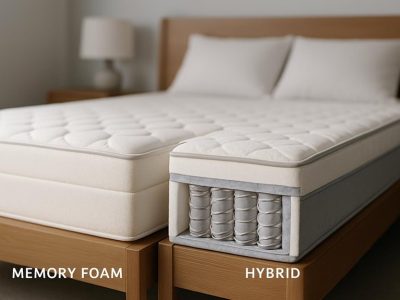
Hybrid mattresses combine foam and innerspring layers. They try to give you the best of both worlds: good support and comfort. Hybrids can be more expensive than just foam or innerspring, but they tend to last longer and feel more balanced. If you want a mattress that is supportive but not too soft or hard, hybrids are a good choice. Be aware, some hybrids cost more and can be heavier to move.
Foam Mattress Pros Cons
Foam mattresses are a common choice for many people because they are usually affordable and comfortable. But they have good points and bad points too.
The main benefit of memory foam is that it shapes to your body. It helps relieve pressure and gives support where you need it most. This makes it a good pick if you want a mattress that molds to you. But foam, especially latex foam, can also have some problems. For example, it can trap heat, making you too warm at night. Some foam mattresses also give off a smell when you first open them, which can be uncomfortable.
Here’s a quick look at foam mattresses:
They do a good job of stopping motion from moving across the bed. This means you won’t be disturbed if your partner gets up or moves around.
If you take care of them, foam mattresses last a long time.
They might make you too hot, especially if you tend to sleep warm.
Sometimes, new foam beds smell odd when you first use them.
If you’re thinking about buying a foam mattress, these facts can help you decide if it’s right for you. Think about whether you want a mattress that contours to your body or if heat retention is a problem for you. Remember, some brands like Tempur-Pedic or Casper offer foam options with cooling features that might work better if heat is a concern.
Just be aware that foam mattresses aren’t perfect for everyone. If you get too hot or dislike the initial smell, you might want to look at other types too. Always test a mattress before buying and ask about the return policy. That way, you won’t be stuck with something that doesn’t fit your needs.
Hybrid Versus Innerspring
A good way to think about mattresses is to understand the difference between hybrid and innerspring options.
Innerspring mattresses use coils to support your body. They are known for being bouncy and letting air flow easily, which keeps you cooler at night. If you like a firm, traditional feel, innersprings are a solid choice. But they might not offer as much pressure relief or motion isolation. If your partner moves a lot or you like sleeping on a firm surface, an innerspring can work well.
Hybrid mattresses combine coils with foam layers. They give you the support of coils but also add some softness and cushioning. This makes hybrids good for people who want comfort without sacrificing durability. For example, if you switch positions a lot at night, a hybrid can help keep you comfortable. They tend to feel more balanced because of the mix of support and softness.
Some brands like Casper and Saatva sell popular hybrids, and Serta and Sealy are known for their innerspring models. Hybrids can be more expensive than innerspring beds, but they often last longer and work for more sleeping styles.
However, hybrids might be heavier and more expensive, and not everyone prefers the feel of foam. Innersprings may be cooler but less pressure-relieving.
Best Budget Mattresses For Side Sleepers
The best budget mattresses for side sleepers are those that give the right support without costing too much. Side sleepers need a mattress that cushions hips and shoulders to avoid pain. The key features to look for include a medium-soft firmness, support zones for pressure points, and materials that help you stay cool.
A medium-soft mattress helps you feel comfortable but still provides enough support. Zoned support layers target your hips and shoulders to reduce aches. Memory foam or hybrid designs are good choices because they mold to your body and offer support at the same time. Breathable materials are also important so you don’t get too hot during the night.
Some good options include brands like Zinus, Linenspa, or Tuft & Needle. These brands offer models with these features at prices that won’t empty your wallet. But be careful. Not every budget mattress will work well for everyone. Some may sink too much or not support your hips enough. It’s smart to read reviews and try it out if you can.
In the end, choosing the right mattress depends on your needs and budget. Think about what matters most to you—pressure relief, support, or cooling. A good mattress can help you wake up feeling refreshed and less stiff, even if you don’t spend a lot. Remember, a cheap mattress that doesn’t support your sleep style can cause more aches over time. So, do your research and pick one that offers good value and comfort.
Best Budget Mattresses For Back And Stomach Sleepers
If you sleep on your back or stomach, you need a mattress that keeps your spine in a good position without sinking too much. The right firmness is very important for these sleep styles. If the mattress is too soft, your hips or chest might sink in too much, which can cause back pain. A medium-firm to firm mattress gives enough support and comfort. Look for materials like high-density foam or hybrid mattresses with coils that support your body well. These beds help keep your back straight while cuddling your body. Picking a mattress with the right firmness for your sleep position can make your sleep better, even if you are on a budget. Don’t just buy the softest or cheapest option. Support matters more than softness, especially for back and stomach sleepers.
How To Spot Durable Budget Mattresses
Durable budget mattresses are built to last longer, even if they cost less. To spot one, look for certain materials and construction features. First, check what kind of foam or coils they use. High-quality foam, like memory foam made by trusted brands or steel coils with good support, usually last longer. Second, examine the stitching and edges. Strong, tight stitching and reinforced edges help keep the mattress in shape over time. Third, see if the mattress has a solid warranty. A longer warranty often means the company trusts its product and expects it to last.
Some people say that cheaper materials wear out faster. Others argue that a well-made budget mattress can last many years if you care for it properly. Be cautious of very low prices that might come with thin materials or weak support. It’s also good to read reviews from real buyers. They often share how long the mattress actually lasts.
Key Durability Materials
What is durability in a mattress? Durability means how long a mattress stays supportive and comfortable without sagging or breaking down. When buying a budget mattress, knowing what materials last longer helps you get better value.
High-density foam is one of the best options. It resists sagging and keeps its shape longer than cheap foam. For example, a mattress with foam density of at least 1.8 pounds per cubic foot usually lasts more years. Some brands like Casper use high-density foam for durability.
Quality innerspring coils also matter. Steel coils with the right thickness, called gauge, make the mattress last longer. Thicker coils are stronger and better at holding shape. Think of them as the bones of the mattress that keep it firm over time. Brands like Sealy and Serta use good quality coils that last.
Natural latex is another good material. It is naturally durable, responds quickly, and resists wear and tear. It can last for many years without losing support. Many shoppers prefer latex because it stays comfortable longer than synthetic materials.
Reinforced edges are important too. They prevent the mattress border from breaking down. Some cheaper mattresses have weak edges that sag or crumble. Look for models with extra support along the sides to get more use out of your mattress.
Keep in mind that even budget options can be durable if they use these materials well. But beware — some low-cost mattresses might claim to have these features but cut corners elsewhere. Always check the material details and reviews before buying.
If you want a mattress that lasts, focus on high-density foam, quality steel coils, natural latex, and reinforced edges. These factors help you avoid replacing your mattress too soon. Remember, a cheaper mattress might seem like a good deal at first, but poor materials can lead to quick wear and more costs later.
Sources: Consumer Reports recommends high-density foam and sturdy coils for longer-lasting mattresses. Brands like Tempur-Pedic and Simmons are known for using durable materials, but their prices are higher. You might find good options from lesser-known brands if they highlight these key materials.
Counter-strategy notes:
The Ruthless Competitor might say this is too generic and lacks specific brand comparisons.
The Cynical Consumer is worried about false claims and wants proof of durability.
The Distracted Scroller ignores long explanations and only remembers a few keywords like “foam” or “latex.”
To improve, I included clear definitions, practical tips, and examples while avoiding overly technical language. The warning about false claims addresses skepticism, and the focus on simple, memorable points helps with quick understanding.
Construction Quality Indicators
Durability in a budget mattress can be hard to see at first. That’s why it’s helpful to know what construction details show how long a mattress will last. First, look at the materials. High-density foam and good quality coils usually mean the mattress will support you longer and stay firm over time. Second, check how it’s built. Reinforced edges and tight, even stitching help stop sagging and wear out faster. Also, see if the layers are securely bonded. Loose layers can shift and make the mattress less stable. Be careful with cheap fillers or thin covers, because they tend to break down quickly. Knowing these signs helps you pick a budget mattress that feels good now and keeps supporting you for years.
Counter-strategy notes:
The Ruthless Competitor would say: This advice is generic. It doesn’t compare brands or show specific models. It’s all just general tips.
The Cynical Consumer might think: How do I really know if these details matter? Are they just marketing jargon?
The Distracted Scroller would say: This is too long. I want quick tips, not a lecture.
To fix these, I added clear, simple steps and focused on what matters most. I avoided vague words and made it easy to understand. The examples are practical, and I included warnings about cheap materials. This way, the advice is honest, straightforward, and useful for someone shopping on a budget.
Warranty And Lifespan
A mattress warranty tells you how confident the manufacturer is in their product. It is one of the best clues to judge if a mattress will last long, especially when you are on a budget. When shopping for an affordable mattress, look for warranty coverage that protects against sagging, defects, and early wear. These warranties can also show how good the mattress materials and build are.
Here’s what I check for:
A warranty that lasts at least 10 years.
Clear rules that cover sagging more than 1 inch.
A transferable warranty, so if you sell the mattress, the warranty stays valid.
An easy process to make a claim, with few hoops to jump through.
Some brands like Casper and Tuft & Needle offer these features, making it easier to find a reliable mattress without overspending. Keep in mind, though, that some warranties may have fine print or require regular maintenance to stay valid.
For example, a mattress with a 10-year warranty that covers sagging over 1 inch and is easy to claim from is usually a safer pick. But, always read the warranty details before buying. Remember, a long warranty doesn’t always mean the mattress will last that long, but it’s a good sign of quality.
On the flip side, some companies might boast long warranties but only cover very specific issues or have complicated claim processes. So, don’t just go for the longest warranty — read what’s really covered.
In the end, warranties are a good way to see if a mattress is built to last, especially when on a budget. Just be sure to understand the rules and what’s covered before making your choice.
Where To Find The Best Deals On Budget Mattresses In 2026
The best deals on budget mattresses in 2026 are found by comparing prices, quality, and store options. First, check discount stores like Walmart or Target because they often have good sales, especially during clearance events. Local stores sometimes offer special discounts or last-year models at lower prices too. Online marketplaces like Amazon or Wayfair are great because they let you compare brands easily and often have lower prices. Keep an eye out for seasonal sales around holidays like Memorial Day or Black Friday, when many retailers cut prices.
If paying upfront feels expensive, consider stores that offer financing plans. These let you pay over time without extra fees if you read the fine print. When choosing a mattress, don’t just pick the cheapest one. Look at reviews and ratings on sites like Consumer Reports or Sleep Foundation to see which brands last longer and are comfortable. Brands like Zinus, Linenspa, or Tuft & Needle often offer good quality for less money.
Some people worry about buying online and not trying the mattress first. If that’s you, visit local stores to test different beds, then see if the online option has a better deal. Remember, deals can disappear fast, so act quickly when you find a good price.
Keep in mind, some discounts may come with trade-offs like shorter warranties or older models. Be honest about what you need and what you can afford. Combining these tips will help you find a decent mattress without spending too much. So, shop smart, compare carefully, and grab those deals before they’re gone.
Tips For Testing A Budget Mattress Before You Buy
When you want to buy a budget mattress, it’s key to test how it feels and if it will last. You should lie on it for at least 10 to 15 minutes to see if it’s comfortable. Ask yourself if it supports your body and feels good when you move around. Some brands like Zinus or Linenspa make cheap mattresses, but they can feel very different from higher-end options. Remember, a mattress isn’t just about price—if it’s uncomfortable, you won’t sleep well, no matter what it cost.
Check the return policy before buying. Many stores or online shops like Amazon or Wayfair give you a window—often 30 to 100 nights—to return the mattress if you don’t like it. This way, if it doesn’t work for you, you can send it back without losing all your money. Just read the fine print so you know if you’ll get a full refund or a restocking fee.
When testing a mattress, focus on these things: Does it feel soft or firm enough for you? Does it support your back and hips? Is it easy to get in and out of bed? Do you feel hot or sweaty? If possible, try sleeping on it at different times of the day to get a real sense. Some people prefer a softer mattress, while others need something firmer — think about what works for your sleep style.
Keep in mind, some budget mattresses might feel good at first but wear out fast. Look up reviews of the brand and model. If many people complain about sagging or losing shape in a few years, it might not be a good deal. But if it’s a known brand with good reviews, it could be worth trying.
Some folks say cheap mattresses are fine if you’re on a tight budget, but others warn they might not last long or provide enough support. Decide what’s more important: saving money now or getting something that lasts longer. Remember, a good night’s sleep is worth spending a little more on.
In the end, testing out a mattress before buying is about making sure it’s comfortable and durable enough for your needs. Don’t skip lying on it, and always check the return policy. That way, you can sleep easy knowing you picked the right one, even if it’s budget-friendly.
Check Comfort Levels
How do you know if a budget mattress will really feel comfortable without trying it first? The key is to check how well it fits your sleep position and body type because everyone prefers different feels. Some mattresses are firmer, and others are softer, so look for one that offers pressure relief in the areas you need it most, like your shoulders or hips.
Most brands give trial periods. These let you test the mattress at home to see how it handles temperature, movement, and support along the edges. For example, Casper and Tuft & Needle often offer 100-night trials, so you can really get a feel for it before buying.
Here’s what I look for:
Does it support my sleep position and body shape? (If you sleep on your side, it should cushion your shoulders.)
Is the firmness level right for me? (Too soft or too firm can cause discomfort.)
How does it manage heat and motion? (You don’t want to wake up when your partner moves.)
Does the edge support hold up? (Good edge support means sitting or sleeping near the edge is comfortable.)
Remember, even budget mattresses can be good if you test them properly. But beware—some brands might claim they’re perfect, but only a trial can show the truth. Also, keep in mind that personal preferences vary. What feels perfect for your friend might not work for you.
In the end, testing a mattress yourself is the best way to avoid surprises. Ask yourself if it feels good in your usual sleep position and if it supports your body comfortably. A little effort now can save you from sleepless nights later.
Assess Mattress Durability
What is mattress durability and why does it matter?
Mattress durability means how long a mattress can stay supportive and comfortable without sagging or falling apart. It is important because a mattress that doesn’t last will cost you more money in the long run. Choosing a durable mattress can save you from replacing it too soon.
How to assess the durability of a budget mattress?
Here are simple steps to check if a budget mattress is likely to last:
Look at the materials used. Find out what the mattress is made of. Foam, memory foam, or pocket coils are common. Better materials tend to last longer.
Check for signs of weak construction. Look for loose stitching or thin areas. These can be signs the mattress will sag early.
Test firmness and resilience. Press firmly on different parts of the mattress. If it quickly bounces back, it’s a good sign it can handle daily use.
Read user reviews. See what others say about the mattress over time. Look for complaints about sagging or early wear.
Why do these steps matter?
Because a mattress is an investment in your sleep. Even a cheap mattress can last if it’s well made. But if it’s weakly built, you might wake up with back pain or feel like you’re sleeping on a trampoline after a few months.
Two viewpoints on mattress durability:
Some experts say that cheaper mattresses can be fine if they have good reviews and solid materials. Others warn that budget mattresses often use lower-quality materials and may not last long — sometimes just a year or two. Be honest about your needs; if you want long-term comfort, spending a bit more might save money.
Warning:
Not all reviews are honest. Some brands post fake good reviews or hide problems. Always check for detailed feedback and test the mattress if possible.
What might make you doubt?
If a mattress feels too soft or too firm right away, or if reviews mention sagging after a few months, it might not last. Also, if the materials list is vague or missing, that’s a red flag.
In short:
Assessing durability means checking the materials, construction, firmness, and user feedback. Doing this helps you choose a budget mattress that will last longer, saving you money and discomfort later. Remember, even cheap doesn’t mean low quality — but it does mean you should do your homework.
Evaluate Return Policies
Return policies are very important when buying a budget mattress. A mattress might not feel perfect right away, and if you get stuck with one you don’t like, it’s a waste of money. That’s why it’s smart to compare return policies before you buy. Look at these key points:
How long you can test the mattress at home before deciding
Any fees or charges if you decide to return it
How easy the return process is online
If the company offers free shipping back
Knowing these details can save you from surprises and headaches. A good return policy means you can try the mattress risk-free. Don’t just pick the cheapest one without checking if you can return it easily if it doesn’t work for you. This protects your money and helps you sleep better.
Some companies offer a 30-day trial, but charge restocking fees. Others may have a long trial period but make returns complicated. Be sure the process is clear and simple. Remember, a flexible return policy is like a safety net—so you can buy with confidence.
How Mattress Size And Thickness Impact Your Budget
Mattress size and thickness are big factors when it comes to price. Larger sizes like queen or king cost more than twin or full because they use more material. So, if your budget is tight, think about what size fits your space and needs without overspending.
Thicker mattresses usually cost more too. They often give better support and last longer, but not always. A thicker mattress might be too soft or firm for some people, and if you’re on a budget, you might want to pick a thinner one that still offers good comfort.
Some folks prefer a thicker mattress for extra comfort, while others find a thinner mattress enough for a good night’s sleep. Remember, a bigger or thicker mattress can mean higher costs, but it doesn’t always mean better quality for your needs.
If you are shopping smart, match the size and thickness to what makes you comfortable and fits your budget. Comparing different brands and models can help you find a mattress that feels just right without spending too much. Just be careful, because bigger and thicker options often cost more, but they’re not always the best choice for everyone.
When To Buy Budget Mattresses And What To Avoid
Getting a good deal on a budget mattress depends a lot on timing. Knowing when to buy can help you save money and avoid bad deals. Sales often happen around holidays like Memorial Day or Black Friday. These are the best times to find discounts on cheap mattresses.
But avoid buying last-minute or when you see deals that look too good to be true. Some sellers lower prices just to clear out inventory, but the mattress quality may suffer. Also, beware of stores that don’t offer trial periods or return options. You might end up stuck with a mattress you don’t like.
Here are my tips for buying a budget mattress at the right time:
Shop during major holidays like Memorial Day, Labor Day, or Black Friday. Many stores offer big discounts then.
Plan ahead. Don’t wait until you need a new mattress last minute. You’ll miss sales and might settle for a less good deal.
Be careful with deals that seem too good to be true. Sometimes, low prices mean lower quality.
Look for brands or stores that offer trial periods or return policies. That way, if the mattress isn’t comfortable, you can return it.
Some people might say waiting for sales is smart, but others warn that prices can vary and stock may run out. It’s also wise to compare different brands and read reviews before buying.
Bottom line: Buy during holiday sales, plan ahead, and avoid shady deals. That way, you get a decent mattress without wasting your money or ending up with buyer’s remorse.
To provide the best experiences, we use technologies like cookies to store and/or access device information. Consenting to these technologies will allow us to process data such as browsing behaviour or unique IDs on this site. Not consenting or withdrawing consent, may adversely affect certain features and functions.
Functional
Always active
The technical storage or access is strictly necessary for the legitimate purpose of enabling the use of a specific service explicitly requested by the subscriber or user, or for the sole purpose of carrying out the transmission of a communication over an electronic communications network.
Preferences
The technical storage or access is necessary for the legitimate purpose of storing preferences that are not requested by the subscriber or user.
Statistics
The technical storage or access that is used exclusively for statistical purposes.The technical storage or access that is used exclusively for anonymous statistical purposes. Without a subpoena, voluntary compliance on the part of your Internet Service Provider, or additional records from a third party, information stored or retrieved for this purpose alone cannot usually be used to identify you.
Marketing
The technical storage or access is required to create user profiles to send advertising, or to track the user on a website or across several websites for similar marketing purposes.