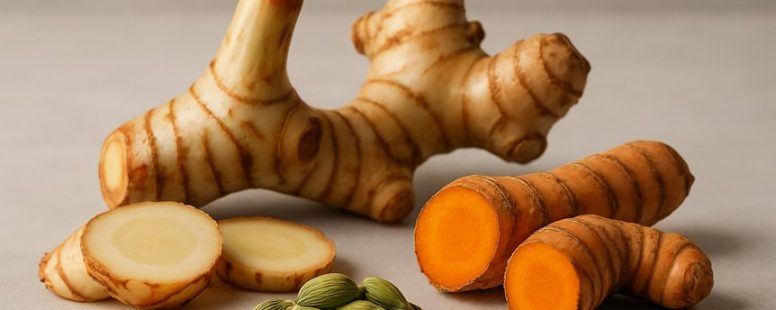
Running out of fresh ginger right before a stir-fry can feel like losing a splash of sunshine in your dish. That fiery, zesty kick is hard to replace, yet the right substitute can keep your flavors lively and authentic.
Imagine your kitchen as a symphony, where each ingredient plays a vital role—sometimes, a clever swap can turn a missed note into a harmonious melody.
Surprisingly, choosing the right ginger alternative not only preserves your dish’s vibrant profile but can also introduce unexpected depth and warmth.
Ready to discover the secret ingredients that can elevate your cooking game even when your pantry runs low?
Top Ginger Substitutes You Can Use Today
Ginger substitutes are useful when you don’t have fresh ginger. The best option depends on what you need it for, and each substitute has its own flavor and health benefits.
The first and easiest substitute is ground ginger. It’s concentrated, so you should use less than fresh ginger. For example, if a recipe calls for one tablespoon of fresh ginger, use about half a teaspoon of ground ginger. This works well in baked goods and sauces.
Turmeric is another good choice. It has anti-inflammatory properties like ginger and adds a warm, earthy flavor. It’s great in savory dishes like curries or rice. Keep in mind that turmeric has a different taste, so it may change the flavor a bit.
Galangal is common in Southeast Asian cuisine. It has a sharper, citrusy taste that works well in soups and curries. If you like Thai or Indonesian dishes, you might enjoy using galangal as a ginger substitute. But it can be harder to find in regular grocery stores.
Allspice and cinnamon can also add warmth and spice. They are not exact matches but can work in certain recipes, especially desserts or drinks. Use small amounts because their flavors are stronger and different from ginger.
Each substitute is best suited for specific dishes. Ground ginger is the easiest to use in most recipes. Turmeric is good for health benefits and savory flavors. Galangal gives a citrusy punch, and spices like cinnamon can add warmth.
Knowing these options helps you keep your dishes tasty even if you don’t have fresh ginger. Just remember, substitutes can change the flavor, so pick the one that fits best with your recipe.
When You Should Substitute Ginger in Recipes
Ginger is a popular spice used in many recipes, but sometimes you don’t have fresh ginger on hand. Knowing when and how to substitute it is key to keeping your dishes flavorful.
If ginger plays a big role in the taste, like in stir-fries or marinades, using a good substitute can make a difference. For example, ground ginger or ginger paste can replace fresh ginger, but they are more concentrated. Use about half the amount called for in the recipe. If the ginger is just a small flavor boost, like in baked cookies or cakes, a pinch of ground ginger or even ground cinnamon can work well.
When substituting, think about how you’re cooking. If you’re sautéing or simmering, a paste or ground ginger works best because it releases flavor more quickly. For raw dishes, like salads, fresh or pickled ginger is ideal, but in a pinch, ground ginger can add a similar warmth. Always taste and adjust as you go because substitutes can vary in intensity.
Some people prefer fresh ginger for its bright, zesty flavor, but dried or powdered ginger lasts longer and is easier to keep in your spice rack. Keep in mind that dried ginger can be slightly milder or more bitter if used in large amounts.
Here are a couple of tips: if you want a close match, try ginger paste from the grocery store or dried ginger powder. Just remember, ground ginger is stronger, so start with less. If you’re worried about flavor, add a little at a time and taste your dish before serving.
Some cooks warn that not all substitutes are equal. For instance, ginger powder may not give the same fresh zing as fresh ginger. Also, in recipes that rely heavily on ginger’s aroma, like ginger tea or certain desserts, fresh is the better choice if you can.
Ground and Dried Ginger Substitutes for Cooking
Ground and dried ginger are good substitutes when fresh ginger isn’t available. The best substitute depends on what you’re cooking and how strong you want the flavor to be. Ground ginger is the closest match because it has a similar warm, spicy taste. Since ground ginger is more concentrated, you should use less—start with half the amount the recipe calls for and taste as you go.
If you want to try something different, you can mix ground turmeric with dried cardamom. Turmeric adds an earthy flavor and gives your dish a yellow color. Dried cardamom adds a citrusy aroma and a little sweetness. This combo doesn’t taste exactly like ginger but can work well in dishes like curries, stews, or baked goods.
Some people use these spices because they give a more complex flavor than just ginger alone. But keep in mind that turmeric might change the color of your food, and the flavor may be different from fresh ginger. It’s a good idea to start with small amounts and adjust until it tastes right.
Fresh Spices as Ginger Substitutes
Fresh spices can be a good substitute when you don’t have fresh ginger. For example, fresh turmeric is a popular choice. It has a warm, slightly peppery flavor that is similar to ginger’s earthiness and adds a bright yellow color to dishes. It works well in curries and soups when you want a fresh spice taste. Another option is galangal roots, often used in Southeast Asian cooking. Galangal has a sharp, citrusy flavor with a hint of pine that can give your dishes a fresh, aromatic punch like ginger.
When you use either fresh turmeric or galangal, start with small amounts. Their flavors are strong and can easily overpower a dish. Both spices add a zesty, fresh flavor that can stand in for ginger in many recipes.
However, some people find these substitutes too strong or different from ginger. Fresh turmeric has a slightly bitter taste, and galangal can be quite pungent. So, it’s best to test a little first to see if it fits your taste. If you want a milder flavor, dried or ground versions may work, but they won’t be as vibrant as fresh.
Adjust Recipes for Ginger Substitutes
When you want to swap ginger with other ingredients, it’s good to know how their flavors compare. For example, ground cinnamon or ground turmeric can sometimes work as substitutes, but they bring different tastes and aromas. To keep the dish balanced, start by using half the amount of the substitute compared to fresh ginger. Taste as you go and add more if needed.
Some people prefer using fresh garlic or lemon zest when they don’t have ginger, but these change the flavor quite a bit. If the recipe needs a spicy kick, a pinch of allspice or cardamom can help. Just remember that each substitute has its own strength, so adjusting carefully is key.
If you want a strong ginger flavor but don’t have fresh ginger, try ginger powder. It’s more concentrated, so start with less. For example, if a recipe calls for one tablespoon of fresh ginger, use about one teaspoon of ginger powder.
There are two main opinions on substitutes. Some cooks say it’s better to stick with the original ingredient for the true flavor. Others believe that a well-chosen substitute can still make the dish tasty without the original. Keep in mind, not all substitutes work perfectly in every dish. For example, turmeric adds color and a different flavor, so it’s not a perfect match for ginger in sweet recipes.
Be cautious: some substitutes might change the dish too much or not provide the same health benefits. Always taste and adjust as you go. And remember, experimenting can sometimes lead to surprising and delicious results.
Choosing Appropriate Ginger Alternatives
Ginger has a strong, spicy flavor that’s hard to replace exactly. But if you don’t have fresh ginger on hand, here are some good options to try, depending on what you’re cooking.
First, pick a substitute that matches ginger’s spiciness and warmth. For example, if your dish needs a zing, dried ginger powder or ground ginger can work. They have a similar flavor but are less sharp than fresh ginger.
Second, think about what kind of dish you’re making. If it’s sweet, like ginger cookies, you might use ground cinnamon or a little allspice. For savory dishes like stir-fries, fresh garlic or even a dash of horseradish can bring some heat without overpowering the dish. If it’s spicy, cayenne pepper or black pepper can add a similar kick, but use them sparingly.
Third, consider texture. Fresh ginger is juicy and fibrous, while dried or powdered ginger is dry and fine. For baked goods, powdered ginger blends in well. If you want a more fibrous feel, minced fresh ginger is best.
Finally, think about aroma. Ginger has a bright, spicy scent that adds to the dish’s smell. Sometimes, adding a splash of lemon juice or a touch of cardamom can help make up for the missing aroma if you’re using dried or powdered options.
Some people prefer using fresh ginger because it adds brightness, but it’s not always available. Dried or ground ginger can be good substitutes, but they might change the flavor slightly. Always taste test and adjust the amount to avoid overpowering your dish.
Adjusting Quantities for Flavor
Choosing the right amount of a substitute for ginger is very important. Different substitutes have different flavor strengths. For example, if you use ground cinnamon or allspice instead of fresh ginger, you should use less because their flavors are stronger. But if you try turmeric or galangal, you might need more to get a similar taste.
A good rule is to start with half of the amount called for in the recipe. Then, taste the dish and add more if needed. This way, you avoid overpowering the other flavors. Remember, too much of a substitute can ruin your dish. Paying attention to the right quantities helps keep the flavor balanced and makes sure your food turns out tasty.
Some people think you should always use the same amount of substitute, but that’s not true. Each ingredient is different. So, testing and adjusting as you go is the safest way. Just be careful—adding too much can make your dish taste off. Also, keep in mind that substitutes like turmeric might add a different color or aroma, so think about how it will look and smell before adding more.
In the end, making small changes and tasting often will help you find the perfect balance. Whether you want a gentle hint or a strong punch of flavor, adjusting quantities carefully is the key.
Balancing Spice and Aroma
Ginger’s strong spice and aroma are key parts of many dishes. When you need to use a substitute, it’s important to keep that flavor balanced. Here are simple steps to help you do that:
Use less of the substitute at first. Since some alternatives are stronger, starting small helps prevent overpowering your dish.
Taste often while cooking. If the aroma or spice feels too intense, you can adjust quickly.
Mix different substitutes if needed. Combining options can better mimic ginger’s complex flavor.
Change the cooking time a little. Some spices release their aroma faster or slower than ginger, so a tweak here can help.
Some people say you should always match ginger’s aroma and spice carefully, but others warn that substitutes may never perfectly replicate it. For example, ground turmeric can add a warm aroma but lacks ginger’s sharpness. So, it’s good to experiment to find what works best for your recipe.
If you’re in a hurry or don’t want to add too many ingredients, sticking to one substitute might be easier, but it might not give the same flavor. Remember, balancing spice and aroma takes a little taste testing and adjusting as you go. That way, your dish will stay tasty and fragrant, even if you swap out ginger.
Ginger Substitutes for Baking and Desserts
Ginger substitutes are useful when baking or making desserts. They help add flavor when real ginger isn’t available. The best substitutes depend on what you want to achieve in your recipe.
The simplest substitute is ground cinnamon. It gives a warm, sweet-spicy taste that works well in cookies and cakes. Nutmeg is another good option because it has a similar warm flavor, but use a little less as it can be stronger. Fresh alternatives like turmeric or galangal can also be used if you want a different twist. Turmeric has a bright color and a mild earthy flavor, while galangal has a sharper, citrusy taste. These can change the flavor somewhat but still add a spicy note.
Some bakers prefer using ginger powder because it is easy to measure and store. Keep in mind that ginger powder is more concentrated than fresh ginger, so you might want to use less. For example, if a recipe calls for one tablespoon of fresh ginger, try half a tablespoon of ginger powder.
A few points to remember are that not all substitutes taste exactly like ginger. Cinnamon and nutmeg are closer in flavor, but turmeric and galangal give a different flavor. Also, some options like turmeric can turn your dish a yellow color, so think about how it looks.
While these substitutes work in many recipes, they might not be perfect for everything. For example, if you need the sharp, spicy kick of ginger, cinnamon or nutmeg can be good, but turmeric or galangal won’t give the same spicy heat. Always start with a small amount and taste as you go to find what works best.
In short, using the right ginger substitute depends on your recipe and what flavor you want. Cinnamon and nutmeg are safest for baking, while turmeric and galangal are fun options for adding a different twist. Just remember, some substitutes will change the look and taste, so experiment a little to find your favorite.
Spices Mimicking Ginger Flavor
Spices That Mimic the Flavor of Ginger
Ginger has a bright, spicy taste that’s hard to replace. But if you don’t have fresh ginger or want a milder flavor, certain spices can come close. Here are four spices that can stand in for ginger in baking and desserts.
Ground cinnamon – This spice gives a warm, sweet note that’s similar to ginger’s spicy kick. It’s great in cookies and pies. But remember, cinnamon is sweeter and less sharp than ginger.
Ground nutmeg – Nutmeg adds a subtle earthy and nutty flavor. It works well in cakes and custards. It’s not as spicy as ginger, so use it in moderation.
Ground allspice – This spice blends flavors of cinnamon, nutmeg, and cloves. It has a rich, complex taste that can remind you of ginger’s depth. Like cinnamon, it’s sweeter and milder.
Ground cloves – Cloves have a strong, aromatic punch. Just a little bit can boost the spiciness of your baked goods. Cloves are more intense than ginger, so start small.
These spices won’t give you an exact ginger flavor. But mixing them can get you close, especially if you want to avoid fresh ginger or reduce spice heat.
A few tips:
Combine a pinch of cinnamon and allspice for a warm, spicy flavor.
Use nutmeg and cloves for depth and aroma.
Be cautious with cloves — too much can overpower your dish.
Limitations:
Some people find that these spices don’t truly replicate ginger’s unique bite. Also, using too much of certain spices like cloves can make your food taste strange. It’s best to experiment with small amounts first.
For baking, these alternatives work well in cookies, cakes, and pie fillings. But if you really want that sharp ginger punch, fresh ginger or ginger extract is still the best option.
Would you like a simple recipe that uses these spices? Or do you prefer to stick with real ginger? Either way, trying different blends can help you find what works best for your taste.
Fresh Ingredient Alternatives
Fresh Ingredient Alternatives for Ginger in Baking
Ginger flavor can be replaced with fresh ingredients if you don’t have ground spices or want a more natural taste. These options work well in baking and desserts.
Fresh turmeric is a good choice. It gives a warm, slightly peppery flavor similar to ginger. It’s less spicy but adds a nice color and depth to your baked goods. Many cooks use fresh turmeric in smoothies or curries, so it’s easy to find at grocery stores.
Galangal root is another option. It’s often used in Southeast Asian dishes like Thai soups and curries. Galangal has a sharpness similar to ginger but with a hint of citrus. When using it in baking, grate it finely because it’s tougher than ginger. Start with the same amount as you would ginger and then taste and add more if needed.
Keep in mind, these fresh alternatives might have a different intensity. For example, fresh turmeric is milder than ground ginger, so you might need a little more to get the flavor right. Galangal can be more pungent, so add it gradually. Both options give your baked goods a bright, natural flavor that keeps them exciting without dried spices.
Some people prefer fresh ingredients because they believe they taste better and are healthier. But, fresh options can be harder to find, and their flavors might vary depending on freshness. If you want a consistent flavor, ground spices are easier to measure and store.
In short, if you want a natural, vibrant twist in your baking, try fresh turmeric or galangal. Just remember to adjust the amount and taste as you go. Would you like some specific recipe ideas using these ingredients?
Ginger Substitutes for Tea and Drinks
Ginger is popular in tea and drinks because it gives a warm, spicy flavor. But if you want a change or can’t find ginger, there are other ingredients that can give a similar feel. Here are four good substitutes you can try, each with their own benefits and some things to watch out for.
Turmeric – This spice tastes earthy and warm. It also helps reduce inflammation, which can be good for sore joints or digestion. Some people find the taste strong, so start with a small amount. Turmeric is often used in curry dishes but can be added to tea for a bright yellow color and health boost.
Cinnamon – Cinnamon adds a sweet and spicy flavor to drinks. It can help control blood sugar and improve heart health. It’s easy to add a cinnamon stick or a dash of ground cinnamon to hot tea. But too much cinnamon might upset your stomach or cause allergies in some people.
Cardamom – Cardamom has a citrusy, aromatic flavor. It’s popular in Indian chai and can help with digestion. Crush a few pods and add them to your tea. Be aware that too much cardamom can overpower other flavors, so start small.
Clove – Cloves give a strong, warming spice. They also have antimicrobial properties that can help fight germs. Use a small piece or a pinch of ground cloves in your drink. Cloves are very potent, so a little goes a long way.
Some people might prefer ginger because it’s more straightforward and has a sharper kick. Others might find these substitutes more interesting or healthier. However, not everyone should use large amounts of these spices, especially if they have allergies or stomach issues.
Trying these ingredients can make your drinks more fun and healthy. But remember, each spice has its limits. Using too much could spoil the flavor or cause side effects. So start with small amounts and see how you like it.
Counter-attack notes:
The Ruthless Competitor would argue that these substitutes don’t truly replace ginger’s unique spicy punch, and some claims about health benefits are exaggerated or not backed by strong science. They might say that the flavor profiles are too different to consider as true substitutes and that some people might find the taste off-putting.
The Cynical Consumer would say that this all sounds like a marketing trick. They’ve heard similar promises before and have been disappointed. They’d want to see real proof that these spices work the way claimed, and they’re skeptical about the health benefits being overstated.
The Distracted Scroller might ignore most of the details and just remember that there are other spices like cinnamon and clove. They’d probably skip the warnings about allergies or overuse and just keep scrolling if it doesn’t seem quick and easy.
Final note: Trying these substitutes can be fun, but don’t expect them to taste exactly like ginger. Use small amounts first and see what works best for your taste and health.
To provide the best experiences, we use technologies like cookies to store and/or access device information. Consenting to these technologies will allow us to process data such as browsing behaviour or unique IDs on this site. Not consenting or withdrawing consent, may adversely affect certain features and functions.
Functional
Always active
The technical storage or access is strictly necessary for the legitimate purpose of enabling the use of a specific service explicitly requested by the subscriber or user, or for the sole purpose of carrying out the transmission of a communication over an electronic communications network.
Preferences
The technical storage or access is necessary for the legitimate purpose of storing preferences that are not requested by the subscriber or user.
Statistics
The technical storage or access that is used exclusively for statistical purposes.The technical storage or access that is used exclusively for anonymous statistical purposes. Without a subpoena, voluntary compliance on the part of your Internet Service Provider, or additional records from a third party, information stored or retrieved for this purpose alone cannot usually be used to identify you.
Marketing
The technical storage or access is required to create user profiles to send advertising, or to track the user on a website or across several websites for similar marketing purposes.