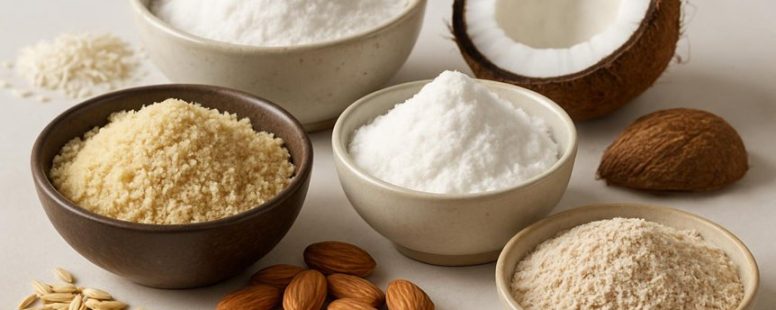
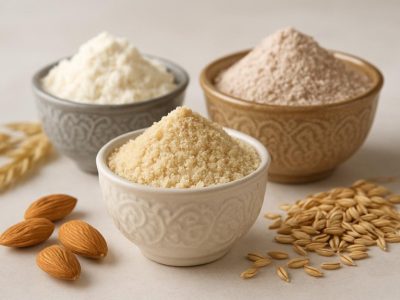
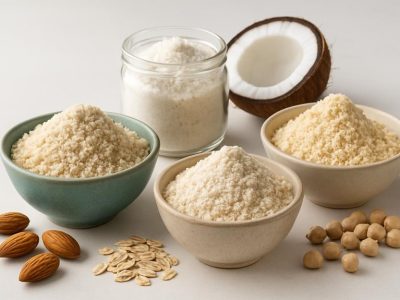
Navigating the world of gluten-free flours can feel like walking a tightrope—each option promising a different taste and texture.
Imagine biting into a moist, nutty muffin or a crispy pancake, all made without traditional wheat. Almond, coconut, and chickpea flours each bring their own magic to the table, transforming your baking into a sensory adventure.
What’s surprising is that blending these flours can unlock a richer flavor profile and even improve the nutritional punch. Understanding how they behave in recipes is like discovering secret ingredients—making your gluten-free creations truly shine.
Why Choose Gluten-Free Flour Substitutes?
Gluten-free flour substitutes are a good choice for many reasons. First, they are a must for people who have gluten sensitivities or celiac disease. But they are also useful for anyone wanting better digestion or to try new flavors in their cooking.
Compared to regular wheat flour, gluten-free options like almond, coconut, or rice flour often have more fiber, vitamins, and minerals. These nutrients can help improve gut health and support overall wellness. For example, almond flour adds healthy fats and protein, while coconut flour is high in fiber.
However, gluten-free flours behave differently when you cook with them. They may need extra moisture or binding agents. So, it helps to start with small batches and experiment. A good idea is to mix different gluten-free flours together, like almond and coconut, to balance flavor and texture.
Some people love gluten-free flours because they bring unique tastes to dishes. Others worry about the cost or the fact that some gluten-free products aren’t as easy to work with as wheat flour. Also, not all gluten-free flours are suitable for every recipe. For example, rice flour can be gritty, and some blends may not hold together well in baked goods.
Differences Between Gluten-Free and Wheat Flours
Gluten-free flours are different from wheat flour because they don’t have gluten, the protein that gives wheat its stretchiness. This means baked goods made with gluten-free flours often turn out denser or crumblier. For example, a loaf of bread made with gluten-free flour might not rise as much or have that chewy texture you expect from traditional bread.
Gluten-free flours come in many types, like rice, almond, or coconut flour. They also behave differently in recipes. Some absorb more moisture, so your batter might need extra liquid or eggs. If you don’t adjust, your baked treats could turn out dry or crumbly. Adding binders like xanthan gum or guar gum can help mimic gluten’s stretchy qualities, but you might need to experiment to get the right texture.
Flavor is another difference. Gluten-free flours often have stronger or nuttier tastes. For example, almond flour adds a rich flavor that can change how your cookies taste. This can be good if you want a unique flavor, but it might not suit every recipe.
Some people find that gluten-free flours work better with certain recipes. For instance, rice flour is good for crispy cookies, while coconut flour may require more eggs. But others might find that they need to change cooking times or temperatures.
There are two main views about using gluten-free flours. One says they’re a healthy alternative for people with gluten intolerance or celiac disease. The other warns they can be tricky to work with and might not always give the same results as wheat flour. If you’re new to gluten-free baking, be ready for some trial and error.
In short, baking with gluten-free flours is different from using wheat flour. They don’t have gluten, so your recipes need adjustments. They can add new flavors but also require some experimentation. Whether you love or dislike the change depends on your experience and what you’re baking.
Best Single-Ingredient Gluten-Free Flours
Gluten-free baking needs the right single-ingredient flours to work well. Almond, coconut, and chickpea flours are popular choices because they are easy to use and add health benefits.
Almond flour is made from ground almonds. It’s rich in healthy fats and protein, making baked goods moist and tasty. Some brands, like Bob’s Red Mill, are trusted for quality. But almond flour can be pricey and isn’t suitable for nut allergies.
Coconut flour is made from dried coconut meat. It absorbs a lot of liquid, so you usually need to add extra eggs or liquids when baking with it. It’s high in fiber and adds a slight coconut flavor. If you don’t like coconut taste, this might not be the best choice.
Chickpea flour, also called garbanzo bean flour, is made from ground chickpeas. It’s high in protein and fiber, making it a filling addition to recipes. It has a slightly nutty taste and works well in pancakes and bread. Be careful though, because it can make baked goods a bit gritty if not mixed well.
Some bakers like to mix these flours for better taste and texture. For example, combining almond and coconut flour can give you moistness and sweetness in cakes. But keep in mind, single-ingredient flours each have limits. Almond flour can’t replace all-purpose flour in every recipe, and coconut flour needs extra liquids.
If you want healthy gluten-free baking, these flours are a great place to start. Just remember to adjust your recipes and experiment a little. A quick tip: always check the ingredient list and try small batches first. That way, you won’t waste ingredients if something doesn’t turn out right.
Sources: “Gluten-Free Baking” by Carol Fenster, and reviews from Bob’s Red Mill and King Arthur Flour.
Popular Single-Ingredient Flours
Gluten-free baking works best when you choose simple, single-ingredient flours. These flours are made from just one food, like almonds, coconuts, or rice. They are easier to use than complicated mixes and give more predictable results. Almond flour, made from ground almonds, keeps baked goods moist and adds a mild nutty flavor. It’s great for cakes and cookies. Coconut flour, made from dried coconut meat, absorbs a lot of liquid, so you need to add more eggs or liquid to recipes. Rice flour, made from ground rice, has a neutral taste and makes baked goods light and airy.
Some bakers prefer these flours because they control the texture and taste better. For example, using almond flour in a cookie recipe can make it soft and flavorful. Coconut flour is good if you want a dense, chewy bread. But these flours have limitations too. Almond flour can make baked goods greasy if used too much. Coconut flour needs a lot of eggs, which might not work for all recipes. Rice flour can sometimes make baked goods gritty if not mixed well.
If you are new to gluten-free baking, starting with these simple flours can save you time and frustration. They don’t require complicated blending, making your baking process more straightforward. However, keep in mind that each flour behaves differently. Sometimes, you might need to try a few recipes before getting it right.
In the end, using popular single-ingredient flours makes gluten-free baking easier and more reliable. They are a good choice for beginners and experienced bakers alike. Just remember that each flour has its own strengths and weaknesses. With some practice, you can create tasty baked goods without gluten.
Nutritional Benefits Overview
Gluten-free flours each have different nutrients and benefits, and knowing these can help you choose the best one for your health. For example, almond flour is high in healthy fats, protein, and vitamin E. These nutrients support your heart and give you energy. Coconut flour is packed with fiber and medium-chain triglycerides. These help with digestion and boost your metabolism. Chickpea flour offers lots of protein and iron, which are good for muscles and blood.
Some people pick flour based on how it tastes or feels in a recipe. But it’s also smart to think about what nutrients you want to add to your diet. Each flour has its own pros and cons. Almond flour is great for healthy fats but can be expensive. Coconut flour is very high in fiber but can make baked goods dry if you use too much. Chickpea flour provides protein but has a strong flavor that not everyone likes.
Making good choices means looking at both the health benefits and how the flour works in your recipes. Remember, not all gluten-free flours are equal. Some might be better for energy, others for digestion, or muscle health. By understanding these differences, you can pick the right flour to improve your recipes and your health.
When to Use Gluten-Free Flour Blends
Gluten-free flour blends are the best choice when you want baked goods with good texture and rise without gluten. These blends mix different flours and starches to act like regular flour. For example, they often include rice flour, tapioca starch, and xanthan gum. This combination helps make bread, cakes, and cookies soft, elastic, and moist. Using only single gluten-free flours like chickpea or almond flour can make treats dense or crumbly. So, if you want reliable, tasty results that look and taste normal, a good gluten-free blend is the way to go.
Here’s how to use them: first, buy a trusted brand like King Arthur or Bob’s Red Mill gluten-free flour blends. Then, follow recipes that specify using a blend rather than just one flour. When baking bread, mix the blend well with other ingredients and add a little extra xanthan gum if needed. For cakes and cookies, measure carefully and don’t skip any steps. Remember, mixing different flours creates a better structure, much like how building blocks work together to make a strong wall.
Some bakers say you can try single gluten-free flours, but most find the results are not as good. They often get dense or crumbly treats. Also, not all blends are created equal. Some may have more starch and less nutrition, so check labels if you care about health. A warning is that gluten-free flours can sometimes change the flavor or texture unexpectedly, so you might need to experiment a bit.
Adjusting Recipes for Gluten-Free Flour Success
What is gluten-free baking?
Gluten-free baking uses special flours that don’t contain gluten, a protein in wheat and similar grains. These flours need different tricks to make baked goods rise, stay moist, and taste good. Without gluten, bread and cakes can turn out heavy, dry, or crumbly if not prepared properly.
How to adjust recipes for better gluten-free results:
First, measure ingredients carefully. Gluten-free flours behave differently than regular wheat flour, so using a scale helps you get the right amount. For example, a cup of almond flour is not the same as a cup of rice flour. Accurate measurement prevents your baked goods from becoming too dense or too dry.
Second, add a rising agent like xanthan gum or guar gum. These ingredients help give structure and elasticity, similar to gluten. For example, adding one teaspoon of xanthan gum per cup of gluten-free flour can help bread hold its shape and rise properly.
Third, change your mixing technique. Mix just enough to combine ingredients. Over-mixing can cause tough baked goods, especially with gluten-free flours. Think of it like stirring a pancake batter gently until just combined.
Fourth, balance moisture. Gluten-free recipes often need extra liquids or fats to keep baked goods moist. If your cakes turn out dry, try adding a little more oil, milk, or applesauce. Sometimes, adding a splash of vanilla or cinnamon can boost flavor too.
Different opinions exist on these tips. Some bakers swear by using specific brands like King Arthur or Bob’s Red Mill gluten-free flours for better results. Others warn that gluten-free baking can be unpredictable, and not every recipe will turn out perfect every time. Be ready to experiment and adjust based on your ingredients and oven.
Limitations to keep in mind:
Gluten-free baking often takes more trial and error. You might need to try different flours or extra ingredients to find what works best for you. Also, some recipes may still turn out denser or crumblier than traditional baked goods. Accepting these differences helps manage expectations.
Quick tips for success:
Use a kitchen scale for precise measurements.
Add xanthan gum to improve structure.
Mix gently to avoid tough textures.
Keep baked goods moist with extra liquids or fats.
Have you ever baked gluten-free bread that turned out flat or dry? These tips might help you finally get it right!
Baking Bread With Gluten-Free Flour
Baking bread with gluten-free flour is different from using regular wheat flour. Gluten-free bread can be just as tasty, but it needs some special tricks. Since gluten helps bread hold its shape, you need to add rising agents like xanthan gum or guar gum to make the bread soft and chewy. Some bakers also use baking soda with vinegar or lemon juice for a faster rise.
To keep your bread from being too dense, adding flavors like a splash of apple cider vinegar or a little honey helps. These ingredients help the dough rise better and improve taste. Mixing different gluten-free flours such as rice flour, tapioca starch, and sorghum flour makes the bread feel more like traditional bread because they give it better elasticity.
Here are some easy steps to make gluten-free bread: First, choose your flour blend. Second, add a rising agent such as xanthan gum. Third, mix in flavor enhancers like vinegar or honey. Fourth, add yeast or a yeast alternative like baking soda and acid. Fifth, knead your dough well and let it rise. Finally, bake until golden brown.
Some people like gluten-free bread because it’s healthy or needed for allergies. But, it can be tricky to get it just right. If you don’t add enough binding agents, your bread might fall apart. If you use too much, it can taste gummy. So, keep experimenting with ingredients and amounts to find what works best for you.
Using Gluten-Free Flour in Cakes and Cookies
Using gluten-free flour in cakes and cookies needs some special tricks to get them to turn out just right. Here are the main things you should do:
First, since gluten gives structure to baked goods, adding a small amount of xanthan gum or guar gum helps make the cake or cookie hold together better. Without it, treats can be crumbly or dense. For example, Bob’s Red Mill sells gluten-free baking mixes that include xanthan gum, and using that can make your baked goods much more like traditional ones.
Second, because gluten-free flours like rice, almond, and tapioca each taste different and have different textures, blending them creates better flavor and texture. If you only use one kind, your cookies might taste flat or be too dry. Mix them up to get a balanced flavor and a better crumb.
Third, gluten-free batters often need a little more liquid to stay moist and tender. If your batter seems dry or crumbly, try adding a small splash of milk or water. This makes sure your cakes and cookies stay soft and delicious.
Some extra tips include chilling cookie dough longer so it doesn’t spread too much while baking. Also, testing small batches first can save you time and help you adjust your recipe.
Keep in mind, some people find gluten-free baking tricky because not all flours behave the same. You might need to experiment or buy specific brands. Also, while these tricks help improve your baked goods, they won’t always make them identical to traditional recipes—sometimes you get a different texture or flavor.
Have you ever tried gluten-free baking? It can be fun, but it’s not always foolproof. Sometimes, the treats turn out perfect, and other times, they’re a bit different. Still, with these simple steps, your cakes and cookies can taste great and look appealing.
Where to Buy Quality Gluten-Free Flour
If you want good gluten-free flour, there are some simple ways to find it. The best flours are made from high-quality ingredients and work well in baking. Brands like Bob’s Red Mill and King Arthur are popular because they are known for their consistency and quality. You can buy these online from stores like Amazon or Whole Foods, which will deliver right to your house. Local health stores or natural food markets are also good places to find fresh gluten-free flour.
To get the best flour, check the labels. Look for flours that are labeled gluten-free and have good reviews. Sometimes, trying a small bag first is smart, because not all brands taste the same or work the same in recipes.
Some people prefer buying from big stores, but others like supporting local shops. Just be sure to read reviews or ask store staff if you’re unsure. Keep in mind, not all gluten-free flours are the same. Some are made from rice, almond, or coconut, and each works better for certain recipes.
If you want the best results, try different brands and see which one you like the most. Remember, quality gluten-free flour can make your baking easier and tastier.
Popular Gluten-Free Brands
Gluten-free baking can be tricky. The key is finding the right flour brands because not all are the same. The best brands balance good taste, good texture, and clear ingredient lists. This makes baking easier and more fun.
Here are some top gluten-free flour brands to try:
Bob’s Red Mill: Offers many different specialty flours that are reliable and consistent.
King Arthur Flour: Known for their excellent gluten-free mixes that turn out well every time.
Cup4Cup: Specializes in flours that closely mimic wheat flour, making your baked goods feel familiar.
Pamela’s Products: Focuses on allergy-friendly, gluten-free baking products trusted by many.
Some people worry that not all gluten-free flours work well in recipes. For example, some brands may taste bland or have weird textures. It’s good to read reviews and maybe try small bags first. Also, some brands may be more expensive or harder to find in stores.
If you want better gluten-free baking, choose brands with good reviews and ingredient transparency. These brands often have clear labels and recipes that help you succeed. Remember, finding the right flour might take some trial and error but sticking with trusted brands saves you time and frustration.
Would you switch to these brands? Or have you had bad experiences with gluten-free flours before? Either way, knowing what to look for makes a big difference.
Online Retailers Options
Online stores are a good place to find quality gluten-free flour. If you want the best options, look for reviews that compare brands based on price, taste, and how well they bake. For example, Bob’s Red Mill and King Arthur are popular brands known for consistency. Specialty online stores like Thrive Market or Vitacost often have unique blends or organic choices that you won’t find in local stores. These can be helpful if you need something specific or more natural.
If you bake often, consider a subscription service like Gluten-Free Baking Co. or Amazon Subscribe & Save. They send you flour regularly, so you never run out. Buying in bulk from sites like Costco or Amazon can also save money and cut down on packaging waste. But be careful, buying too much might mean some flour could go bad before you use it.
Some online retailers sell recipe kits with gluten-free flour and other ingredients. These are perfect for trying new recipes without buying lots of separate items. Keep in mind, though, that prices can vary, and sometimes shipping costs make buying online less cheap than local stores.
Shopping online gives you plenty of choices and the convenience of ordering from home. Still, it’s good to compare brands, read reviews, and watch for hidden fees. Whether you’re a home baker or just trying to find the best gluten-free flour, online shopping can be a smart pick, as long as you stay cautious about quality and costs.
Local Health Stores
If you want good gluten-free flour, your best choice is to visit local health stores. These stores usually sell fresh, locally sourced flours that are often better than those from big supermarkets. They also have staff who know about gluten-free needs and can give you helpful advice. Plus, shopping at these stores supports your community and helps small local farmers and producers.
Here’s why I recommend checking out local health stores:
Staff can help you pick the right flour for your baking needs
It’s a good way to meet people in your community who also bake gluten-free
Stores often share new trends and products for gluten-free baking
However, keep in mind that prices might be higher than big chain stores. Also, not all local stores will have every type of gluten-free flour you need. If you’re in a hurry or looking for a very specific product, a big store or online might be faster. But if you want fresh, high-quality flour and enjoy supporting local farmers, a health store can be a great spot to start.
Have you ever tried a certain flour that made your baking better? Visiting local health stores might help you find that special ingredient. Give it a shot—you might surprise yourself with a new favorite!
Fixing Common Gluten-Free Baking Problems
Gluten-free baked goods can sometimes turn out crumbly or dense. The key to fixing this is understanding what causes these problems and how to improve your recipes.
First, gluten-free baked goods often lack the stretchy protein called gluten that helps hold everything together in regular bread or cake. To fix this, you can add thickening agents like xanthan gum or guar gum. These act like gluten by binding ingredients and making your baked goods hold together better. For example, adding a teaspoon of xanthan gum to your flour mix can make cookies less crumbly.
Second, mixing different types of gluten-free flours can help mimic the structure of wheat flour. For example, combining rice flour, potato starch, and tapioca flour creates a more balanced texture. Some brands like Bob’s Red Mill offer pre-mixed gluten-free flour blends that work well. Using just one type of flour may cause your baked goods to turn out too dense or crumbly.
Third, don’t forget to add moisture. Ingredients like applesauce, yogurt, or mashed bananas help keep your treats tender and moist. If your cakes come out dry or crumbly, try adding a little extra applesauce or yogurt next time.
Finally, be patient with baking times. Gluten-free recipes often need a few extra minutes in the oven to finish cooking properly. Rushing or removing them too early can result in underdone or crumbly treats. Keep an eye on your baked goods and use a toothpick test to check if they’re done.
Some bakers swear by these tricks, but be aware that gluten-free baking can be tricky. Not all recipes respond the same way, so it might take some experimenting. And while these tips can improve texture, they won’t fix every problem. It’s a good idea to follow tested recipes and adjust gradually.
In short, fixing common gluten-free baking problems involves adding binding agents, blending different flours, keeping treats moist, and baking a bit longer. With practice and patience, your gluten-free baked goods can turn out much better—crumbliness and density will become less of a problem.
To provide the best experiences, we use technologies like cookies to store and/or access device information. Consenting to these technologies will allow us to process data such as browsing behaviour or unique IDs on this site. Not consenting or withdrawing consent, may adversely affect certain features and functions.
Functional
Always active
The technical storage or access is strictly necessary for the legitimate purpose of enabling the use of a specific service explicitly requested by the subscriber or user, or for the sole purpose of carrying out the transmission of a communication over an electronic communications network.
Preferences
The technical storage or access is necessary for the legitimate purpose of storing preferences that are not requested by the subscriber or user.
Statistics
The technical storage or access that is used exclusively for statistical purposes.The technical storage or access that is used exclusively for anonymous statistical purposes. Without a subpoena, voluntary compliance on the part of your Internet Service Provider, or additional records from a third party, information stored or retrieved for this purpose alone cannot usually be used to identify you.
Marketing
The technical storage or access is required to create user profiles to send advertising, or to track the user on a website or across several websites for similar marketing purposes.