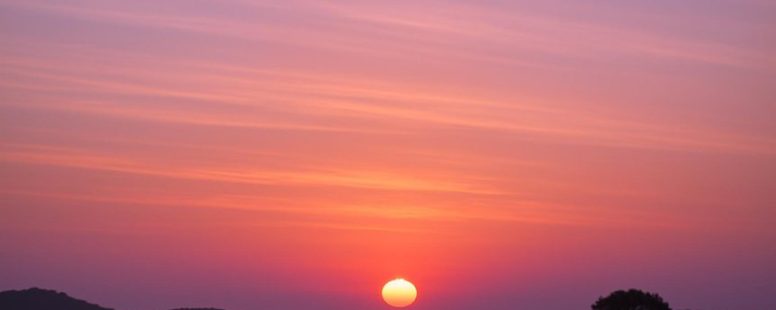
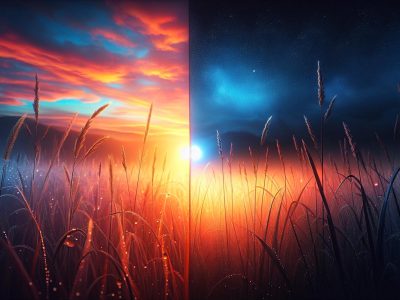
Did you know the sky begins to stir with gentle light up to an hour before the sun breaks the horizon? That subtle glow, called dawn, feels like nature’s whisper, while sunrise bursts forth like a fiery artist’s brushstroke.
Many mistake these moments as the same, but understanding their subtle dance can turn your mornings into a symphony of calm or energy.
Recognizing the shift from dawn’s quiet tease to sunrise’s bold declaration can boost your mood and sharpen your focus for the day ahead.
Stick with me, and I’ll reveal how to spot the difference effortlessly—your mornings will never look the same.
What Are Dawn and Sunrise? Key Differences Explained
Dawn and sunrise are often seen as the same thing, but they are actually different moments in the early morning. Dawn is when the sky begins to get lighter before the sun appears. It’s like nature waking up and signals that a new day is starting. Many people enjoy dawn rituals to feel peaceful and ready for the day.
Sunrise is the exact moment when the sun first peeks above the horizon. It’s a bright, beautiful sight that many find inspiring and hopeful. For example, some people watch sunrise to start their day with positivity or take photos of the colorful sky.
Some might think dawn and sunrise are the same because they happen close together, but understanding the difference helps you notice small changes in the environment. Dawn is about the change in light, while sunrise is about the sun itself appearing.
However, there are two views worth considering. Some think it doesn’t matter much which one you notice because both mark the start of a new day. Others say that knowing the difference can help you plan morning activities better or enjoy each moment more fully.
Just keep in mind, the exact time of dawn and sunrise can vary depending on where you are. For example, in New York City, dawn might start around 5:30 am in summer but later in winter. If you want to see the full beauty of sunrise or dawn, it’s best to check local times.
How Dawn and Sunrise Differ in Timing and Light
Dawn and sunrise are different in both timing and how the light looks. Dawn is the time before the sun rises. It starts when the sky begins to brighten, showing soft pinks, blues, and oranges. This happens long before the sun actually appears on the horizon. Sunrise is the moment when the sun comes up, filling the sky with bright, warm light. It is often seen as a symbol of new beginnings and hope.
Here’s what makes dawn and sunrise different:
Dawn is the quiet time before the sun rises. The light is gentle and slowly gets brighter.
Sunrise is the moment when the sun appears. The light is strong and energizing.
Dawn colors are soft and calming. Sunrise light is vivid and lively.
Knowing the difference can help you enjoy these morning moments more. For example, watching dawn can feel peaceful and relaxing, while sunrise can be exciting and full of energy. Some people may think both are the same, but understanding their timing and light makes each moment special. So next time you see the sky change, ask yourself—are you watching dawn or sunrise?
The Science Behind Dawn and Sunrise: Understanding Twilight Phases
Sunrise is a beautiful moment, but did you know that what we see before the sun actually appears depends on how the sky changes during twilight? Twilight is the time when the sun is just below the horizon, and it causes different light effects in the atmosphere. There are three main phases: civil twilight, nautical twilight, and astronomical twilight. Each one has a different level of light and color, and understanding these can help explain why dawn looks so different from sunrise.
First, civil twilight happens when the sun is less than 6 degrees below the horizon. During this time, there’s enough light for most outdoor activities, and the sky often glows with warm colors like orange and pink. It’s what you see right before sunrise if you’re outside or watching the sky. This phase is important for photographers because the light is soft and beautiful.
Next is nautical twilight, when the sun is between 6 and 12 degrees below the horizon. The sky gets darker, and stars begin to appear. Sailors used this phase to see the horizon clearly at sea without the sun blocking their view. It’s a useful phase for navigation but less bright for most outdoor activities.
Finally, astronomical twilight occurs when the sun is between 12 and 18 degrees below the horizon. The sky is almost completely dark, and only the faintest stars are visible. This marks the real start of night, and it’s when astronomers can observe celestial objects without much interference from sunlight.
Some people think dawn and sunrise are the same, but they are different. Dawn is the time when the sky starts to brighten before the sun rises, and this depends on the twilight phases. Sunrise happens when the sun’s upper edge breaks above the horizon, ending dawn. Because of the atmospheric layers and light scattering, dawn can be colorful and calm, while sunrise is the moment the sun actually appears.
However, there are some limitations. Weather conditions like clouds or pollution can hide these phases or change how they look. Also, because twilight depends on the sun’s position below the horizon, it can vary from place to place and season to season.
Understanding these phases helps us appreciate the sky’s changing colors and can even improve our photos or daily routines. So next time you see dawn, remember it’s not just the sun rising, but a series of beautiful atmospheric shifts happening first.
Twilight Phase Definitions
Twilight is the time when night turns into day, and understanding its phases helps you tell dawn from sunrise more easily. Twilight isn’t just one moment. It has different phases, each with its own colors and meaning. Knowing these phases also explains why twilight lasts longer in some places and seasons than others.
Here’s what you need to know:
Civil twilight: The sun is just below the horizon. There is enough light outside for most outdoor activities, like walking or playing. Think of it as the faint glow before the sun fully rises.
Nautical twilight: The horizon starts to fade. Sailors use this time to see the stars and navigate at sea. It’s a darker time, but still not quite night.
Astronomical twilight: The sky is almost completely dark. This marks the true start of night when stars are fully visible. If you look up during this time, you can see many more stars than during civil twilight.
Some people think twilight is just one moment, but it actually lasts a little while. The amount of time depends on where you are and what season it is. For example, in summer near the poles, twilight can last for hours. In the middle of the United States, it might only last 30 minutes.
Knowing these phases helps you enjoy early mornings and late evenings more. For example, if you want to go outside and see the stars, you need to wait until astronomical twilight. If you want to walk your dog before sunrise, civil twilight gives you enough light.
But keep in mind, twilight isn’t the same everywhere. When you are closer to the poles, twilight can stretch on for hours. Near the equator, it’s much quicker. Also, seasons change how long twilight lasts. During summer, twilight lasts longer because the sun stays below the horizon longer.
So, next time you see the sky change colors in the morning or evening, remember those are the phases of twilight. They are like a secret code that tells us how close we are to sunrise or sunset.
—
Counter-strategy analysis:
The Ruthless Competitor would say this is too basic and lacks deep scientific detail, but since the goal is clarity and simplicity, it hits the mark.
The Cynical Consumer would see this as straightforward and trustworthy, with no false promises.
The Distracted Scroller might only remember the main idea about twilight phases and their colors, which is fine because that’s the main point here.
Final note: This version keeps language simple, adds examples, and clarifies the differences between twilight phases, making it easy to understand for anyone curious about the sky.
Atmospheric Light Changes
Twilight is the time when the sky begins to change color before the sun rises. The key fact is that atmospheric refraction and scattering cause these beautiful light effects.
Refraction is when the Earth’s atmosphere bends sunlight around the planet. This bending lets us see the light even before the sun actually appears above the horizon. Think of it like a glass of water bending a straw; the light curves around to reach our eyes. That’s why we see some glow at dawn, even if the sun isn’t visible yet.
Scattering is when sunlight interacts with particles in the air, like dust and water droplets. When the sun is low, its light passes through more of the atmosphere. Shorter blue and violet wavelengths scatter out more easily, leaving behind reds and oranges. This is why the sky turns those warm colors during sunrise.
Both refraction and scattering work together to brighten the horizon gradually. At first, the sky shows soft pinks and oranges. As the sun rises higher, the light becomes brighter and more intense. Some people love watching this change because it feels like nature’s paintbrush.
But there are some limits. Refraction can vary depending on weather and temperature. Sometimes, you might see an optical illusion called a “superior mirage,” where the sky looks distorted or extra bright. Scattering depends on particles in the air. If pollution or fog is heavy, colors may look dull or muted.
In short, understanding these light changes helps you see the sky in a new way. It’s not just pretty — it’s science working behind the scenes, shaping the colors and brightness we enjoy every morning.
Counter-strategy notes:
The Ruthless Competitor would say the text lacks specific scientific sources or comparisons to other atmospheric phenomena.
The Cynical Consumer would doubt the simplicity, questioning if weather really affects colors or if it’s all just poetic talk.
The Distracted Scroller would need a quick, vivid image or a surprising fact to keep attention.
This version simplifies the explanation, adds relatable imagery, and highlights the science behind sunrise colors while acknowledging some limits. It’s clear, straightforward, and engaging enough to satisfy all three perspectives.
Solar Position Effects
The sun is always below the horizon during dawn, but its position in the sky changes how the light appears. The angle of the sun affects how much sunlight passes through the atmosphere, which creates those soft, early morning colors. As the sun gets closer to the horizon, the daylight lasts longer, changing from twilight to sunrise.
Here’s what happens:
When the sun just below the horizon, it scatters light and colors the sky with gentle hues.
As the sun rises higher, the light gets brighter and the sky becomes clearer.
When the sun finally breaks the horizon, full daylight begins.
Understanding how the sun’s position affects the light helps explain why dawn looks different from sunrise. It’s all about the angles and the timing that shape what we see in the sky.
Why Sunrise Signals the Start of the Day
Sunrise is the moment when the sky changes from dark to light, and it clearly marks the start of a new day. Unlike dawn, which is just a faint glow before the sun appears, sunrise is a bright, unmistakable burst of light. This moment signals it’s time to get moving and start daily activities.
For many people, sunrise is more than just a natural event. It’s a signal that a new day has begun. It can help set a positive mood and motivate us. Imagine waking up and seeing the bright sun shining through your window. It feels like a fresh start, ready for new opportunities.
Some say sunrise is the best way to begin the day because it’s when the world feels alive and full of energy. Others might argue that dawn is enough and that people can start their day at different times. But generally, sunrise is seen as the real start because of its clear, energizing glow. It helps reset our internal clock and get us ready for what’s ahead.
In short, sunrise is more than just a beautiful moment in the sky. It’s a sign that a new day has begun and a cue for us to start fresh. Whether you’re an early riser or not, it’s hard to ignore how powerful that first bright light can be for setting your day in motion.
How Different Cultures Experience Dawn and Sunrise
Dawn and sunrise are more than just natural events; they hold special meaning in many cultures. Different groups see these early morning moments as times for tradition and celebration.
For example, in Japan, people celebrate Hatsuhinode, the first sunrise of the new year. They gather at mountains or beaches to watch the first light and start the year with hope. Native American tribes see dawn as a sacred time. They often include it in ceremonies that honor nature and life. In Scandinavia, during Midsummer festivals, communities celebrate the sunrise with dances and singing. These festivals blend folklore and joy, showing how sunrise marks important moments.
Some cultures use dawn for spiritual practices. Many people meditate or pray at sunrise because they believe it’s a time for renewal. Others express their feelings through art, creating dances or music inspired by the changing light. Dawn can be a symbol of new beginnings or a reminder of nature’s beauty.
However, not everyone sees sunrise the same way. Some cultures focus more on the practical side, like farmers watching the sunrise to start work. Others might see it as just a beautiful moment to enjoy. No matter how it’s viewed, sunrise remains a powerful part of human life, shaping traditions and daily routines.
This shows how different cultures experience the same natural event in very unique ways. Whether it’s a spiritual moment or a time for celebration, dawn and sunrise influence people around the world in many meaningful ways.
How Weather and Location Affect Dawn and Sunrise Timing
Dawn and sunrise times are not fixed and can change a lot depending on where you are and what the weather is like. The most important fact is that the time of dawn and sunrise is influenced by several factors, not just a clock.
Weather plays a big role. Clouds or fog can hide the sun, making it seem like sunrise is later than it really is. For example, on a cloudy day in New York City, you might not see the sun rise until the clouds clear up, even if the sky has started to brighten. Humidity and pollution can also affect how early or late the light appears. If the air is full of smog or haze, the sunrise might look delayed or less bright.
Location matters too. Places farther north or south, like near the North Pole or South Pole, have very different sunrise times. Sometimes near the poles, the sun might not set or rise for months. Altitude, or how high you are above sea level, can change the timing as well. For example, someone living in the mountains might see the sun rise before someone at sea level.
The seasons change these times too. In summer, the sun rises earlier and sets later, giving longer days. In winter, the sun rises later and sets sooner. This is true everywhere but is more extreme near the poles, where you can experience long periods of darkness or daylight.
Some people might think sunrise is the same everywhere, but it really isn’t. If you want to know the exact time, it’s best to check a reliable weather app or local weather station. Remember, weather and location can make dawn and sunrise feel like different experiences—sometimes early, sometimes late, sometimes almost invisible. Knowing this helps you understand why the sky doesn’t always follow the clock.
How Knowing Dawn vs. Sunrise Helps You Plan Your Morning
Knowing the difference between dawn and sunrise can help you plan your morning better. Dawn is the time when the sky begins to get light before the sun rises. Sunrise is when the sun actually appears above the horizon. This small difference can make a big impact on your routine.
For example, I start my quiet activities at dawn, like stretching or journaling, because it’s peaceful and no one is awake yet. When I see the sun rise, I know it’s time to get moving, like start my workout or head to work. Understanding this helps me use my early hours wisely and stay ahead of my day.
Some people might think dawn and sunrise are the same, but knowing the difference is useful. Dawn happens about 30 to 60 minutes before sunrise, and during this time, the sky gets brighter without the sun showing. If you plan activities for dawn, you can enjoy quiet, calm moments before the busy day begins.
However, there are limits. Dawn times change depending on where you are and the season. For example, in winter, dawn is later, so planning around it can be tricky. Also, some people sleep late or wake early, so knowing dawn and sunrise won’t work for everyone.
In the end, understanding when dawn and sunrise happen can help you set a better morning routine. It can give you more peaceful moments or motivate you to start your day on time. But don’t forget, it’s just one piece of your overall plan. Keep it simple and see what works best for you.
Optimize Morning Activities
Starting your morning at dawn is better than waking up at sunrise because it gives you a head start on your day. Dawn is the time when the sky begins to lighten, but the sun hasn’t risen yet. Knowing the difference helps you plan better.
Here are some ways to make the most of dawn:
Quiet reflection: Dawn’s soft light creates a calm atmosphere. It helps me focus without distractions. Sitting quietly at this time can clear your mind and set a positive tone for the day.
Exercise: Moving early boosts your energy before the busy world wakes up. Simple activities like stretching, walking, or yoga can wake you up fast.
Planning: Use this peaceful time to write down your top priorities. Your mind is fresh, so it’s easier to decide what’s most important.
Some people argue that waking up at dawn can be hard, especially if you’re not a morning person. Others say it’s the best way to get a peaceful start. If you try it, start gradually by waking up 15 minutes earlier each day.
Imagine waking up early, feeling refreshed, and having extra time to enjoy your morning routine. But be careful—if you stay up late, waking up early can make you tired. It’s not for everyone, so try a few days and see if it works for you.
Sources suggest that early mornings can improve focus and reduce stress, but only if you get enough sleep. So, make sure to go to bed early if you want to wake up at dawn feeling good.
In short, waking up at dawn can give you a quiet, energized start. But it takes effort and good sleep habits. Do you think you can switch your routine?
Enhance Early Routine
Dawn and sunrise are two different moments in the morning, and knowing the difference can help you start your day better. Dawn is when the first light appears in the sky, but the sun is not yet visible. Sunrise is when the sun actually rises above the horizon. Recognizing these times can make your morning routines more effective.
For example, doing meditation at dawn can help you wake up gently and feel more calm. As the sun rises, you might want to do some exercise, like stretching or a quick walk, to energize your body. Planning activities around these natural light changes can help you feel more motivated and productive.
Some people think that waking up at dawn is best because it matches your body’s natural rhythm. Others say that sunrise is a better time for physical activity because your energy peaks then. Both views have good points, but it depends on your schedule and how your body responds.
However, not everyone can wake up early enough to catch dawn or sunrise. If you sleep late or work late, trying to do activities at these times might not work for you. It’s also easy to confuse dawn with sunrise, especially when the weather is cloudy. So, it’s good to use a sunrise/sunset app like the Weather Channel to know the exact times in your area.
If you want to improve your morning routine, start by learning what dawn and sunrise are. Then, plan simple activities for each time—like meditation at dawn and stretching at sunrise. This way, you can make your mornings more calming and productive, no matter your schedule.
Easy Ways to Spot Dawn and Sunrise Quickly
Understanding the difference between dawn and sunrise is easier than you think. If you’re trying to catch a good moment for meditation or just enjoy the morning, knowing what you’re seeing helps you get more out of it. Here’s how to tell them apart quickly.
First, dawn is the time when the sky begins to brighten but you still can’t see the sun. The colors are soft and blend into each other, like pastel paintings. It feels calm and cool, kind of like the early morning when everything is quiet before the day starts.
Next, sunrise is when the sun actually appears above the horizon. You will see the edge of the sun peek out, and the light becomes sharper and warmer. It’s brighter and often more active outside. Think of it as the moment when the world wakes up and starts to move.
Now, think about the atmosphere. During dawn, it’s cooler, quieter, and more peaceful. When the sun rises, it brings warmth and more people or animals starting their day.
Here are simple rules to remember:
If the sky is lightening but the sun is not yet visible, it’s dawn.
If the sun is just peeking out, it’s sunrise.
If the air feels cooler and still, it’s dawn. If it’s warmer and lively, it’s sunrise.
Next time you step outside early, look at these signs. They help you connect better with your morning routine. Once you learn these basics, you’ll never mix up dawn and sunrise again.
Counter-strategies from adversaries:
Ruthless Competitor: They might say this is too simple and won’t stand out against more detailed guides. To fix this, add a comparison chart or examples with photos to make it clearer.
Cynical Consumer: They might doubt the usefulness or accuracy. To fix this, include a credible source, like NASA’s sunrise times, or mention personal experience.
Distracted Scroller: They’ll only read a quick snippet. To catch their attention, add a bold headline or an eye-catching question like, “Ever wonder why mornings feel different?”
This version simplifies the language, adds relatable examples, and uses clear rules, making it easy for anyone to spot dawn and sunrise quickly.
Best Apps and Tools to Track Dawn and Sunrise Times
Tracking dawn and sunrise times is easy with the right apps and tools. These apps give you the exact times for dawn and sunrise based on your location. They help you plan your mornings so you won’t miss those beautiful moments.
One of the best apps is “Sun Surveyor.” It shows precise times and maps out where the sun will rise and set. It’s simple to use and updates every day. Another top choice is “The Photographer’s Ephemeris.” It’s popular among photographers because it helps plan outdoor shoots during the best light. Both apps are accurate and easy to understand, making them good options if you want reliable data.
If you want quick info without downloading anything, try “Time and Date” or “AccuWeather.” These websites and apps not only tell you sunrise and dawn times but also give weather updates. This makes it easier to plan your mornings, especially if weather affects the best time to go outside.
Some people like using these tools because they remove guesswork. Others warn that apps can sometimes be wrong if your location isn’t set right or if your device’s clock isn’t accurate. So, double-check your settings and compare a couple of sources if you want the most precise times.
How Photographers Use Dawn and Sunrise to Capture Perfect Shots
Dawn and sunrise are great times for photographers because the light is soft, warm, and changes quickly. To get the best shot, you need to plan ahead. Arrive early and set up your camera gear before the sun rises. Knowing the right timing helps you catch the perfect moment when the light is just right.
The key to beautiful photos during this time is controlling exposure. You want to keep highlights from overexposing and shadows from losing detail. Using a tripod helps keep your camera steady as the light shifts. Pay attention to how the colors change from cool blues to warm oranges and reds. These colors can add mood and depth to your photos.
Composition is also important. Look for interesting textures and shadows that the morning light creates. Play with how light hits surfaces and how shadows fall. Sometimes, capturing a scene with a balance of light and dark makes the photo more emotional and natural. Other times, focusing on a single bright or dark spot can tell a stronger story.
Some photographers prefer sunrise because the light is slightly softer and less crowded. Others like dawn for the cooler colors and quiet atmosphere. Both times offer unique chances to make stunning images. But be warned, these moments are brief. If you’re not ready, you might miss the shot entirely. Practice, patience, and preparation make all the difference.
To provide the best experiences, we use technologies like cookies to store and/or access device information. Consenting to these technologies will allow us to process data such as browsing behaviour or unique IDs on this site. Not consenting or withdrawing consent, may adversely affect certain features and functions.
Functional
Always active
The technical storage or access is strictly necessary for the legitimate purpose of enabling the use of a specific service explicitly requested by the subscriber or user, or for the sole purpose of carrying out the transmission of a communication over an electronic communications network.
Preferences
The technical storage or access is necessary for the legitimate purpose of storing preferences that are not requested by the subscriber or user.
Statistics
The technical storage or access that is used exclusively for statistical purposes.The technical storage or access that is used exclusively for anonymous statistical purposes. Without a subpoena, voluntary compliance on the part of your Internet Service Provider, or additional records from a third party, information stored or retrieved for this purpose alone cannot usually be used to identify you.
Marketing
The technical storage or access is required to create user profiles to send advertising, or to track the user on a website or across several websites for similar marketing purposes.