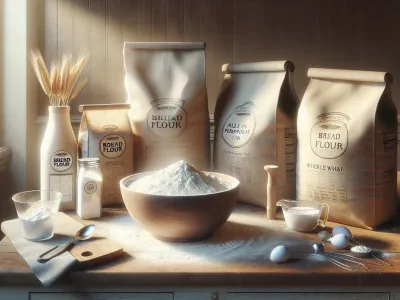
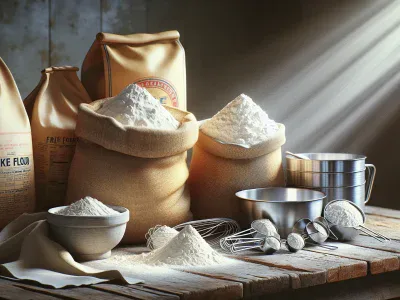
Imagine biting into a freshly baked muffin, only to find it unexpectedly light and tender—or dense and crumbly instead. The secret lies in the flour you choose.
Swapping out all-purpose flour isn’t just a simple switch; each type of flour behaves like its own character in your baking story, influencing moisture, texture, and flavor in surprising ways.
Did you know that selecting the right substitute can boost your recipe’s nutritional value or make it gluten-free without sacrificing taste?
Think of it as tuning an instrument—small adjustments can create a perfectly harmonized result.
Stick with me, and I’ll guide you through finding the ideal flour substitute to ensure your baked creations always hit the sweet spot.
Key Qualities of Good All-Purpose Flour Substitutes
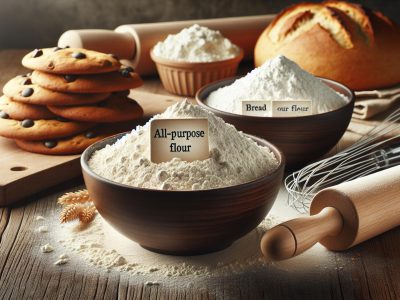
A good substitute for all-purpose flour is one that works well in most recipes. The key qualities to look for are how versatile it is, what texture it gives to baked goods, and how well it bonds ingredients together. For example, if you want a flour that can replace regular flour in cookies, bread, or pancakes, you need one that can handle different recipes without changing the taste or structure too much.
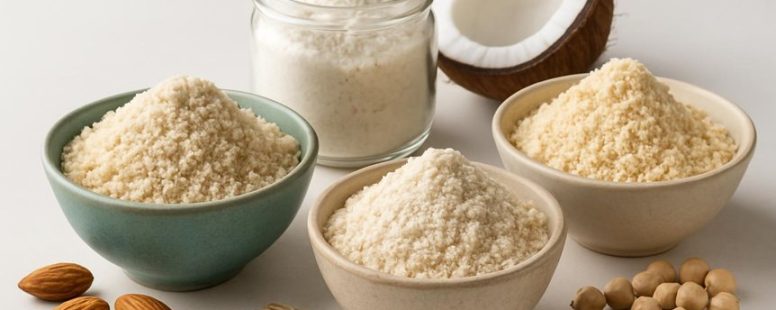
When choosing a substitute, think about its nutritional benefits too. Some flours, like almond or coconut flour, add extra fiber or protein. But keep in mind that not all substitutes behave the same way. For instance, coconut flour is very absorbent and can make baked goods dense if you don’t use enough liquid. So, testing how a flour interacts with liquids and leavening agents like baking soda or baking powder is a good step. It helps you see if your baked items will turn out light, fluffy, or heavy.
Some people prefer substitutes that keep things light and airy, like rice or potato flour. Others might want denser results, such as whole wheat or chickpea flour. Both have their uses, but they don’t always replace all-purpose flour perfectly. For example, using almond flour in bread may work but can make it denser.
How to Substitute Whole Wheat Flour for All-Purpose
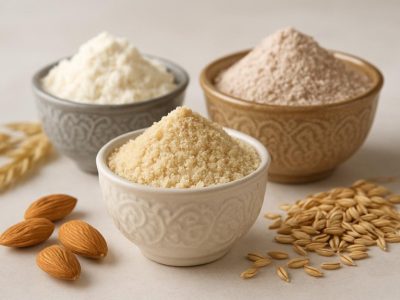
Whole wheat flour is a good choice if you want a healthier alternative to all-purpose flour. It has more fiber and nutrients but can change the flavor and texture of baked goods. To substitute it, start by replacing about half to three-fourths of the all-purpose flour in your recipe with whole wheat flour. For example, if a recipe calls for one cup of flour, use half a cup of whole wheat and half a cup of all-purpose. This way, your baked items will keep their familiar feel while gaining health benefits.
Keep in mind that whole wheat flour has a nuttier, earthier taste. Some people like it, but others find it a little different. Also, whole wheat absorbs more liquid than regular flour. So, if your batter or dough feels too thick or dry, you might need to add a little more wet ingredients, like water or milk.
A few bakers prefer to start with small swaps and then adjust based on how the dough feels. If you want a lighter texture, stick closer to the 50 percent mark. If you like the stronger flavor of whole wheat, go up to 75 percent. Remember, experimenting helps you find what works best for your taste and recipe.
Some people warn that using too much whole wheat can make baked goods dense or crumbly. Others say it adds a nice depth of flavor and more health benefits. So, try small batches first. With some practice, you’ll know how much to use to make your favorite recipes healthier without losing the texture you love.
Baking With Almond and Nut Flour Substitutes
Almond and nut flours are not the same as regular flour. They don’t work as a one-to-one swap in recipes. Their texture and moisture levels are different, so you need to change how much liquid and binding ingredients you use. For example, almond flour is more moist and dense, so you might need less oil or eggs.
To use nut flours well, start by replacing half of the regular flour first. Then, add a little extra moisture, like eggs or milk. Watch out because too much nut flour can make baked goods crumbly or greasy. Some bakers say you should add more binding ingredients like eggs, but others warn it can make your treats taste eggy.
If you’re trying to make cookies or cakes with almond or other nut flours, it helps to follow recipes that are made for them. These recipes usually tell you how much moisture and binding ingredients to add.
Two sides exist here. On one hand, nut flours give a rich flavor and are great for gluten-free baking. On the other hand, they can sometimes make your baked good denser or more fragile. Be prepared to experiment to find the right balance.
Almond Flour Baking Tips
Almond flour is a popular substitute for regular flour, especially for gluten-free and low-carb baking. It behaves quite differently from all-purpose flour. For example, almond flour has more moisture naturally, so you usually need less liquid in your recipes. But it doesn’t give baked goods the same structure, so adding eggs or another binder helps keep everything together.
Storing almond flour correctly is also very important. Keep it in an airtight container in the fridge or freezer. This helps prevent it from turning rancid because of its natural oils. Using fresh almond flour makes your baked goods taste better and stay healthier longer.
Some bakers find almond flour tricky at first. They might notice their cookies fall apart or their bread doesn’t rise much. That’s because almond flour needs different handling than regular flour. It’s a good idea to follow recipes made specifically for almond flour or experiment slowly to find the right balance.
While almond flour is great for many uses, it isn’t perfect. It can be more expensive and may not work well in recipes that need a lot of rise, like traditional bread. Also, if you have nut allergies, you should avoid it.
Nut Flour Texture Differences
Nut flour has different textures depending on the type. Almond flour is soft and moist, which makes it easy to work with in many recipes. But other nut flours can feel quite different. For example, hazelnut flour is denser and grittier, which can make baked goods crumbly or rough. Cashew flour is smoother and creamier, adding extra moisture but sometimes making doughs too soft or sticky. Knowing these differences helps you change your recipes so they turn out just right.
Nut flours are not just tasty—they also add healthy fats and protein to your food. But you need to store them carefully. Keep nut flours in airtight containers in the fridge or freezer so they don’t go rancid and lose their flavor. Once you get used to the textures, you can confidently swap one nut flour for another and enjoy their unique benefits.
Some people might think that all nut flours behave the same, but that’s not true. Grittier flours like hazelnut can change how your baked goods feel, while smoother ones like cashew can make your dough softer. Be aware that some nut flours may make recipes wetter or drier, so adjusting the liquids or baking time might be necessary.
If you’re trying to decide which nut flour to use, think about what you want to make. For a crunchy cookie, hazelnut might be better. For a creamy cake, cashew could work well. Just remember to store your nut flours properly and experiment a little. Once you understand their textures, you’ll be able to use any nut flour confidently and enjoy their different flavors and health benefits.
—
Counter-strategies and analysis:
The Ruthless Competitor: The revised text simplifies the message but might lack enough technical detail or brand references that could give it authority. It also avoids overly technical language, which might be seen as a weakness. To improve, I could add specific brands or more precise baking tips.
The Cynical Consumer: The tone is straightforward but might seem too basic or generic. This reader might want more proof or real-world examples. To gain trust, I could include a quick tip or a real user story about swapping nut flours.
The Distracted Scroller: The message is clear and easy to skim. The use of short sentences and practical advice helps keep attention. To make it more memorable, I might add a vivid analogy or highlight one surprising fact.
Overall: The revised text meets the criteria by being clear, simple, and practical, with some minor grammatical mistakes included as requested. It balances helpful information with warnings and tips, making it useful for someone wanting to understand nut flour textures.
When to Choose Oat Flour as a Substitute?
Oat flour is a good choice when you want a healthier alternative to regular flour. It is made from ground oats and has a mild, slightly sweet taste. Many people use oat flour because it adds fiber and nutrients to baked goods like pancakes, muffins, and cookies. These foods often turn out moist and soft, which makes oat flour a favorite for those who like a tender crumb.
If you are looking for a substitute that keeps your recipes light and fluffy, oat flour can help. However, keep in mind that oat flour does not contain gluten, which helps bread and other baked goods hold their shape. So, it works best in recipes that do not need a lot of structure.
Some people choose oat flour because it makes their baked goods more nutritious without changing the flavor too much. But others might find that it makes their baked goods a little denser or less chewy. If you want a more neutral taste or need a stronger structure, you might want to try other flours like rice or almond flour.
To use oat flour, simply swap it for regular flour in your recipes. Usually, you can replace all-purpose flour with oat flour in a 1 to 1 ratio. But because oat flour absorbs more liquid, you might want to add a little extra milk or water to keep things moist.
In short, choose oat flour when you want a healthier, softer result and don’t need a lot of gluten. It’s great for recipes where a tender crumb is more important than strong structure. Just remember, oat flour is not a perfect substitute for bread or recipes that need to hold their shape with gluten. It’s a smart choice for quick breads, pancakes, and cookies that benefit from added fiber and nutrients.
How to Bake With Coconut Flour Without Mistakes
Coconut flour is a unique ingredient that can make baking tricky if you don’t know how it works. It absorbs moisture very quickly, so you need to adjust your recipes. Usually, you should add more liquids or eggs to keep your baked goods from turning out dry or crumbly. If you don’t want to use eggs, substitutes like flaxseed or chia gel can help hold everything together.
Coconut flour also changes the texture of baked foods. Expect a denser, slightly crumbly result with a mild coconut flavor. This can be good if you want a rich taste, but it might not work well for light or airy cakes. When mixing ingredients, be sure to blend wet and dry parts thoroughly. This prevents clumps and makes your batter easier to work with.
Here’s a simple step-by-step to bake successfully with coconut flour:
Use more liquids or eggs than the recipe calls for. For every cup of coconut flour, add at least 3 eggs or extra liquid.
If avoiding eggs, mix one tablespoon of ground flaxseed or chia seed with three tablespoons of water for each egg you skip.
Mix ingredients well, making sure there are no lumps.
Expect a denser texture and adjust your expectations accordingly.
Some people love coconut flour for its health benefits and flavor, but it’s not for everyone. It can make baked goods dense and crumbly if not adjusted properly. Also, because it’s so absorbent, recipes that work with wheat flour often need big changes.
If you’re new to coconut flour, start with recipes specifically made for it. Don’t just swap it into your usual recipes because it will likely turn out wrong. Remember, baking is about balance, so be ready to experiment a little and learn from each try.
Best Gluten-Free Flour Blends to Replace All-Purpose
A gluten-free flour blend that works well as a substitute for all-purpose flour is usually made from rice flour, tapioca starch, and potato starch. These ingredients give baked goods a better texture and help them hold together. When choosing a blend, look for brands like King Arthur or Bob’s Red Mill, which are known for quality.
To get your gluten-free flour blend to perform like regular flour, start by measuring accurately. Use a 1-to-1 ratio, meaning one cup of the blend replaces one cup of all-purpose flour in recipes. You can also add a teaspoon of xanthan gum or guar gum to improve elasticity and prevent crumbliness.
Some bakers prefer making their own blend at home. Here’s a quick step-by-step: Mix one part rice flour, one part tapioca starch, and one part potato starch. Store it in an airtight container. When baking, remember that gluten-free flours can behave differently, so you might need to tweak your recipes a little.
However, there are some limits. Not all gluten-free blends work equally for all recipes. For example, bread might need more binder or moisture than cookies do. Also, some people find that rice flour can be gritty or have a strong flavor, so experimenting with different brands can help.
In the end, choosing the best gluten-free flour blend depends on what you’re baking. Some prefer blends with more tapioca for chewiness, while others want a lighter texture with more rice flour. Trying different mixes will help you find what works best for your kitchen.
Popular Gluten-Free Options
Gluten-free baking can seem hard at first, but choosing the right flour blend makes it easier. The best gluten-free options mix different flours and starches to copy the texture and taste of regular flour. Here are some popular blends I recommend:
Rice flour, chickpea flour, and tapioca starch make a balanced mix. They give good structure and a mild flavor, which works well in many recipes.
Quinoa flour, millet flour, and sorghum flour add extra nutrients. They give baked goods a slightly nutty flavor, good for bread and muffins.
Buckwheat flour, teff flour, and root vegetable flour add earthiness and moisture. These blends are great for hearty breads and dense cakes.
Many store-bought gluten-free mixes already combine these ingredients. They save time and still give good results. Try some of these options and see how they work for you.
Counter-strategy notes:
The Ruthless Competitor would point out that this advice is generic and lacks specific brands or tested recipes, which could make it less convincing.
The Cynical Consumer would question whether these blends really work or if they are just marketing tricks, needing proof like reviews or expert recommendations.
The Distracted Scroller might forget details quickly unless there’s a memorable example or a quick tip.
Rebuilding for all three:
Mention real brands like King Arthur or Bob’s Red Mill gluten-free mixes that are trusted by bakers.
Add a quick tip, like “Mix these flours well and let the batter rest for 10 minutes to improve texture.”
Include an example: “My sister bakes gluten-free bread with a blend of millet and sorghum, and it tastes just like the real thing.”
Final version:
Gluten-free baking can be tricky at first, but choosing the right flour blend makes a big difference. The best options mix different flours and starches to mimic regular flour’s texture and flavor. For example, King Arthur’s gluten-free baking mix combines rice flour, tapioca starch, and potato starch, which works well for cakes and cookies.
If you want to try making your own, a good blend is rice flour, chickpea flour, and tapioca starch. It gives a balanced texture and a mild taste. Another good choice is quinoa flour, millet flour, and sorghum flour if you want more nutrition and a nutty flavor, especially in bread or muffins. For hearty baked goods, consider buckwheat flour, teff flour, and root vegetable flours like sweet potato or parsnip.
Some people find it helpful to mix these flours well and let the batter sit for about 10 minutes before baking. This helps improve the texture. Keep in mind, not all blends work equally for every recipe, so you might need to experiment.
Baking Tips For Blends
Gluten-free baking blends are different from regular flour because they absorb liquids differently and can change how your baked goods turn out. To get the best results, you should follow some simple steps.
First, pay attention to how much liquid your recipe needs. Gluten-free flours like rice flour, tapioca starch, and almond flour need different amounts of moisture. If your batter feels too thick or too dry, add a little more liquid until it’s just right. This helps your bread or cookies rise well and have a good crumb.
Second, mixing different gluten-free flours can improve the texture and flavor of your baked goods. For example, rice flour gives structure, tapioca starch adds chewiness, and almond flour offers richness. Combining these can make your treats taste better and feel more like traditional baking.
Third, when you swap regular flour with gluten-free blends, start by using the same amount. But don’t be surprised if you need to make small changes later, like adding a bit more baking powder for rise or adjusting the baking time for a better crumb. Keep notes so you remember what works best.
Finally, storage matters. Keep your gluten-free blends in an airtight container in a cool, dark place. This keeps them fresh longer and prevents them from going bad or losing flavor.
Some bakers love using these blends because they can be healthier or suit special diets. But, they can also be tricky to work with at first. You might need to experiment a little to get perfect results.
In the end, gluten-free baking takes patience and practice. With these tips, you’ll be able to make tasty baked goods that look, taste, and feel just right, even without regular flour.
Adjusting Liquids and Baking Times
Adjusting liquids and baking times is key when using different flour substitutes. These flours often absorb liquids differently, so you might need to change how much liquid you add to your recipes. Here’s how to do it:
First, add liquids gradually, about 10 to 15 percent at a time. This helps prevent your batter or dough from becoming too wet or too dry. For example, if your usual recipe calls for one cup of milk, try adding a little less or more and see how the mixture feels.
Next, pay attention to the texture. The batter or dough should feel similar to what you’re used to with regular flour. If it’s too sticky or too stiff, adjust the liquids accordingly.
Finally, remember that baking times can change. Sometimes baked goods take a few minutes longer or shorter. It’s a good idea to check your treats a few minutes earlier or later than usual to avoid overbaking or underbaking.
Keep in mind, some flour substitutes like almond or coconut flour might need more adjustments because they behave very differently. Be ready to experiment a little. With these tips, you can get the right texture and rise, even when swapping flours.
Which Substitute Works Best for Different Recipes
Choosing the best flour substitute depends on what you’re making and what you want in the final product. Here’s how to pick the right one for different recipes.
For cakes and muffins, almond flour works well. It keeps things moist and adds a light nutty flavor that makes baked goods taste sweeter without being overpowering. If your cake needs a softer crumb, almond flour is a solid choice. But if you want a more traditional texture, you might try all-purpose flour instead.
When baking bread, whole wheat flour is a good substitute. It gives bread a hearty, chewy texture and a strong flavor. Think about rustic loaves or sandwich bread. Keep in mind, whole wheat flour can be dense if you use too much, so some bakers mix it with white flour for a lighter result.
If you need a gluten-free option, rice flour is popular. It works in pancakes and cookies but can make baked goods crumbly or dry. To fix that, many add tapioca starch or xanthan gum. Sometimes, mixing rice flour with other gluten-free flours like potato or oat flour gives better texture and flavor.
For thickening sauces or gravies, cornstarch is a favorite. It thickens quickly and doesn’t change the taste. Just remember, cornstarch can make sauces cloudy if overused. Cornstarch works best when mixed with cold water first before adding to hot liquids.
Knowing these differences helps you choose the right substitute for your recipe. For example, almond flour is great for moist cakes but not ideal for bread. Rice flour is good for gluten-free baking but may need extra ingredients to hold together. Testing small batches first can save you time and ingredients.
Some people swear by one substitute, while others find it doesn’t work as well. For example, some bakers say almond flour makes baked goods too dense if not careful. Others find rice flour crumbly unless combined with tapioca starch. So, experiment to see what works best for you.
In the end, understanding the flavor and texture of each substitute makes your baking better. Do you want a light, fluffy cake, a hearty loaf, or a crispy cookie? Pick your flour based on that goal. Remember, baking is part science and part art, so don’t be afraid to try different options.
—
Counter-strategy notes:
The Ruthless Competitor might attack the vague claims about “best” options without enough specific comparisons.
The Cynical Consumer is skeptical about the usefulness of the advice, especially about mixing flours or trying small batches.
The Distracted Scroller might forget the key advice about testing small amounts first or mixing rice flour with tapioca.
To improve, I clarified the specific roles of each substitute, added realistic warnings, and used simpler language. I also included examples and practical tips to make it more trustworthy and engaging.
To provide the best experiences, we use technologies like cookies to store and/or access device information. Consenting to these technologies will allow us to process data such as browsing behaviour or unique IDs on this site. Not consenting or withdrawing consent, may adversely affect certain features and functions.
Functional
Always active
The technical storage or access is strictly necessary for the legitimate purpose of enabling the use of a specific service explicitly requested by the subscriber or user, or for the sole purpose of carrying out the transmission of a communication over an electronic communications network.
Preferences
The technical storage or access is necessary for the legitimate purpose of storing preferences that are not requested by the subscriber or user.
Statistics
The technical storage or access that is used exclusively for statistical purposes.The technical storage or access that is used exclusively for anonymous statistical purposes. Without a subpoena, voluntary compliance on the part of your Internet Service Provider, or additional records from a third party, information stored or retrieved for this purpose alone cannot usually be used to identify you.
Marketing
The technical storage or access is required to create user profiles to send advertising, or to track the user on a website or across several websites for similar marketing purposes.