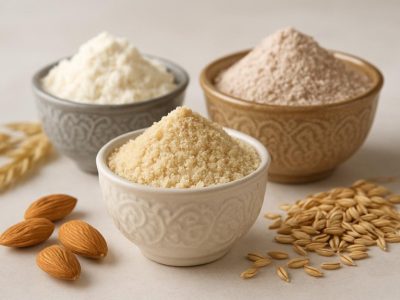
Baking and cooking often feel like a creative adventure, but what happens when oat flour—the trusty staple in so many recipes—isn’t an option? Whether you’re avoiding it due to allergies, dietary preferences, or simply running out mid-recipe, finding the perfect substitute can seem daunting. But don’t worry—there are plenty of alternatives that not only match oat flour’s versatility but might even elevate your dishes.
What Is Oat Flour And Its Benefits?
Oat flour is a finely ground powder made from whole oats. It’s gluten-free, making it suitable for individuals with celiac disease or gluten sensitivity if processed in a certified gluten-free facility. Its mild, nutty flavor enhances both sweet and savory recipes.
Nutritional Value
Oat flour contains essential nutrients like protein, fiber, and B vitamins. A single cup provides approximately 110 calories, 4 grams of protein, and 3 grams of dietary fiber. The soluble fiber beta-glucan supports heart health by reducing cholesterol levels.
Functional Benefits in Cooking
Its fine texture improves the structure of baked goods like muffins and cookies. It absorbs liquid effectively, creating moist textures without compromising stability. For thickening soups or sauces, oat flour also works as an alternative to cornstarch.
Versatility Examples
You can use oat flour in pancakes for a fluffy consistency or blend it into smoothies as a nutrient boost. In breading mixtures for chicken or fish, it adds a subtle earthy taste while maintaining crispness when fried or baked.
Why Look For Alternatives To Oat Flour?
Oat flour is versatile, but it doesn’t suit every recipe or dietary need. Exploring alternatives ensures flexibility in cooking and baking.
Common Dietary Restrictions
Some individuals avoid oat flour due to gluten cross-contamination. Though oats are gluten-free, they often contact wheat during processing, posing risks for those with celiac disease or severe gluten sensitivities. In such cases, certified gluten-free substitutes like almond flour or coconut flour provide safer options.
Allergies to oats also necessitate substitutes. Nut-based flours (e.g., hazelnut or cashew) work well if nut allergies aren’t present. Those seeking grain-free diets often prefer cassava or tapioca flours as functional replacements.
Unique Baking Needs
Different recipes demand specific textures that oat flour might not achieve. For example, achieving a denser crumb in brownies may require almond flour’s fat content, while airy cakes benefit from the lightness of rice flour.
Oat flour absorbs moisture effectively but isn’t ideal for crispy textures. Arrowroot powder enhances crispness in cookies and pastries when mixed with other flours. Also, specific culinary goals—such as thick sauces—might call for starches like potato or cornstarch instead of oat-derived solutions.
Best Alternatives To Oat Flour
When oat flour isn’t an option, several alternatives offer similar or complementary benefits. Each choice varies in texture, flavor, and nutritional content, making it essential to match the substitute with your recipe’s needs.
Almond Flour
Almond flour is a versatile alternative made from finely ground blanched almonds. It’s gluten-free and rich in healthy fats, protein (21 g per 100 g), and vitamin E. Its slightly sweet flavor pairs well with desserts like macarons or brownies. But, almond flour creates denser textures due to its high-fat content. Use it in recipes requiring moisture retention but avoid it for crisp pastries where low-fat options work better.
Coconut Flour
Coconut flour is another gluten-free option derived from dried coconut meat. It absorbs liquids intensely due to its high fiber content (about 9g per 2 tablespoons). This makes it ideal for pancakes or muffins that benefit from thick batters. Since it’s sweet and mildly tropical in taste, you might need less sugar when baking with coconut flour. Remember to use more eggs or liquid because of its drying effect on doughs.
Rice Flour
Rice flour suits those seeking a neutral-flavored substitute. Made by milling white or brown rice grains, it’s perfect for airy baked goods like cakes or as a thickening agent in soups and sauces due to its fine texture. Brown rice flour adds nuttier undertones compared to white rice flour but can make recipes slightly grainy without proper mixing.
Chickpea Flour
Chickpea (garbanzo bean) flour is both nutrient-dense and versatile—it’s packed with protein (22 g per 100 g) along with iron and folate. Its earthy flavor works best in savory dishes such as flatbreads or fritters but might overpower delicate desserts unless balanced by strong spices like cinnamon or vanilla extract.
Cassava Flour
Cassava flour comes from the root vegetable cassava (yuca) and has a mild taste suitable for replicating wheat-like properties in bread-making without gluten contamination risks. With excellent binding capabilities akin to oat flour, cassava performs well across diverse recipes ranging from tortillas to cookies while maintaining light textures.
Other Notable Options
1- Arrowroot Powder: Ideal for crispy coatings or silky sauces when blended into mixtures needing starch-based consistency.
2- Potato Starch: Adds fluffiness; often used alongside flours lacking elasticity such as almond.
3- Quinoa Flour: High-protein replacement adding nutty tones best suited for dense breads.
4- Buckwheat Flour: Earthy-tasting option complementing pancakes; gluten-free even though “wheat” naming confusion.
Tips For Substituting Oat Flour In Recipes
Replacing oat flour in recipes can feel tricky, but careful adjustments ensure success. Focus on measurements and textures to maintain the desired outcome.
Adjusting Measurements
Each alternative flour has unique absorption properties. For example, coconut flour absorbs more liquid than oat flour. Use only 1/4 cup of coconut flour for every 1 cup of oat flour, while increasing liquids to prevent dryness. Almond flour, being denser, works best when used at a 1:1 ratio with slight binding agents like eggs or xanthan gum.
Pay attention to volume versus weight. A cup of rice or cassava flour may weigh less than a cup of oat flour; using a kitchen scale ensures precision. When you substitute chickpea or quinoa flours, combine them with lighter options like arrowroot powder to avoid overly heavy results.
Balancing Textures And Flavors
Alternative flours impact both texture and flavor profiles. To replicate oat flour’s mildness, stick with neutral substitutes such as rice or potato flours in delicate recipes like cakes and pancakes. For earthy tones in savory dishes, buckwheat or chickpea flours work well—ideal for flatbreads and veggie burgers.
Blend flours for balanced outcomes if needed; mix almond and tapioca flours to achieve fluffier bread without compromising moisture levels. Add sweeteners when using stronger flavored substitutes like coconut or quinoa flours to mask dominant tastes that might overpower baked goods.
Conclusion
Finding the right alternative to oat flour doesn’t have to be overwhelming. By understanding your recipe’s needs and the unique properties of each substitute, you can easily tailor your choice for the best results. Whether you’re looking for a gluten-free option, a specific texture, or added nutritional value, there’s an alternative that fits perfectly into your kitchen creations.
Experimenting with different flours opens up new possibilities and flavors in cooking and baking. With a little adjustment to measurements and ingredients, you’ll achieve delicious outcomes no matter which substitute you choose.
To provide the best experiences, we use technologies like cookies to store and/or access device information. Consenting to these technologies will allow us to process data such as browsing behaviour or unique IDs on this site. Not consenting or withdrawing consent, may adversely affect certain features and functions.
Functional
Always active
The technical storage or access is strictly necessary for the legitimate purpose of enabling the use of a specific service explicitly requested by the subscriber or user, or for the sole purpose of carrying out the transmission of a communication over an electronic communications network.
Preferences
The technical storage or access is necessary for the legitimate purpose of storing preferences that are not requested by the subscriber or user.
Statistics
The technical storage or access that is used exclusively for statistical purposes.The technical storage or access that is used exclusively for anonymous statistical purposes. Without a subpoena, voluntary compliance on the part of your Internet Service Provider, or additional records from a third party, information stored or retrieved for this purpose alone cannot usually be used to identify you.
Marketing
The technical storage or access is required to create user profiles to send advertising, or to track the user on a website or across several websites for similar marketing purposes.