Imagine your favorite dish missing that perfect herbal note because you’ve run out of dried oregano. Instead of letting the recipe fall flat, I’ve discovered some clever substitutes that can turn the tide.
Thyme often steps in as a mild, earthy hero, much like a dependable friend in a crowded room. Sometimes, I blend in marjoram or a whisper of dried basil to add a fresh burst.
What’s truly surprising is how these swaps can deepen the dish’s complexity, much like layers in a well-crafted symphony. With these tricks, you can keep your cooking vibrant and inviting, even when your pantry is running low.
Best Fresh Herb Alternatives to Dried Oregano
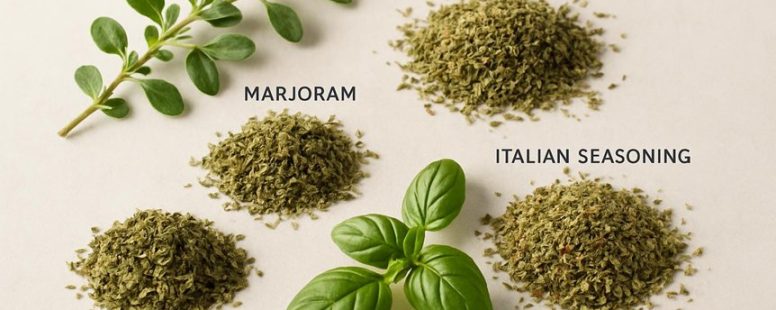
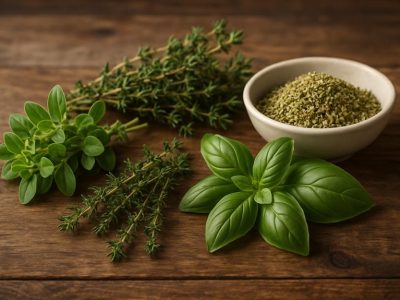
If you don’t have fresh oregano, there are good alternatives that can give your dishes a similar flavor. The best substitutes are fresh herbs that can mimic oregano’s bold and herby taste. Combining fresh marjoram and basil is a popular choice because marjoram is mild and slightly sweet, while basil adds a peppery kick. Together, they can replace oregano in pasta sauces, grilled veggies, and more without losing flavor.
You can also try mixing fresh thyme with a small amount of rosemary. This combo gives a more woody and aromatic flavor, which works well for Mediterranean recipes. Keep in mind that these herbs won’t taste exactly the same as oregano, but they come close and add their own fresh touch.
Some people warn that using too much of these herbs can overpower the dish, so start with small amounts and adjust. Also, fresh herbs are more delicate than dried, so they should be added later during cooking for the best flavor.
If you want a quick and easy swap, just remember: marjoram and basil for a bright, herby flavor, or thyme and rosemary for a deeper, woody note. These options keep your dish flavorful even when oregano isn’t available.
Best Dried Herbs to Replace Oregano
If you don’t have dried oregano, some other dried herbs can work well as substitutes. The key is to compare their flavors to oregano’s strong, slightly bitter taste.
One good replacement is thyme. It has a similar earthy flavor but is milder and less bitter. Use the same amount of thyme as oregano in your recipes. It works great in pasta sauces and meat dishes.
Another option is marjoram. It has a sweet, mild flavor that can mimic oregano’s taste, especially in Italian cooking. Be careful not to use too much because marjoram is more delicate. Use a little less than the recipe calls for oregano.
Basil is also a decent substitute, especially in tomato-based dishes. It’s sweeter and less bitter, so it changes the flavor a little but still adds good aroma.
Some people also use basil and thyme together when they don’t have oregano. This combo can come close to the flavor of oregano in many dishes.
However, keep in mind that these herbs are not exact matches. Thyme and marjoram are closer in flavor, but basil can be quite different. Also, using too much of any substitute might overpower your dish.
Common Dried Herb Alternatives
Dried herbs can be swapped easily in recipes, especially when you don’t have oregano. The best substitutes depend on what flavor you want to add.
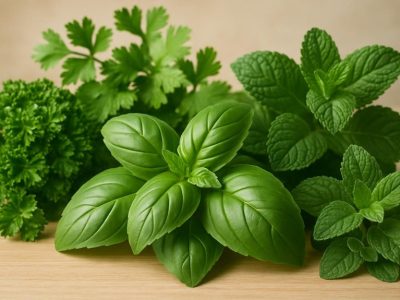
First, parsley flakes are a good choice if you want a mild and fresh taste. They brighten up dishes without taking over the flavor. For example, sprinkle parsley on grilled chicken or pasta for a fresh finish. Parsley is versatile and works well in many lighter dishes.
Second, dried basil leaves add a sweet and slightly peppery flavor. They are perfect for Mediterranean and Italian recipes like pizza or tomato sauce. Basil can make your dish taste richer and more flavorful. Just remember, basil has a stronger flavor than parsley so use a little less if you want a subtle taste.
Some people prefer basil for richer sauces, while parsley is better for lighter foods. Keep in mind that both herbs can replace oregano, but they bring their own unique flavors. If you are cooking something spicy or complex, think about which herb will match better.
However, be aware that these substitutes are not exact matches. Parsley doesn’t have the same warm, herbaceous flavor as oregano, and basil can sometimes overpower delicate dishes. The key is to taste as you go and adjust the amounts.
Flavor Profiles Compared
Oregano has a strong, warm, and slightly bitter flavor. It’s important to know how different substitutes taste so you can pick the right one for your dish. When comparing flavors, consider how each herb’s taste matches oregano’s boldness.
Thyme is a good choice because it’s milder and has an earthy taste with a tiny lemony zing. It works well in many recipes without overpowering the dish. Marjoram is similar to oregano but sweeter and floral. It softens the bitterness and adds a gentle sweetness. Basil gives a fresh, slightly peppery flavor but doesn’t have the same depth as oregano. It’s best used with other herbs to get a similar flavor.
Rosemary has a piney, resinous taste that is much stronger. It can add a different flavor profile but needs careful pairing so it doesn’t take over the dish. Some people might find it too bold if used in large amounts.
Knowing these differences can help you pick the best herb for your recipe. For example, if you want a mild, versatile flavor, thyme is a good pick. If you prefer a sweeter and floral touch, marjoram can work. For a fresh, peppery note, basil is an option. And if you enjoy a bold, pine-like flavor, rosemary might be right, but use it sparingly.
Keep in mind that each herb has its own personality. Some may work better in certain dishes, while others might change the flavor too much. Always taste as you go to make sure the dish stays balanced. Remember, replacing oregano is not about copying exactly but about finding a herb that complements the meal.
Sources like the *Herb Society* or *Food Network* suggest these herbs as oregano substitutes, but experiment to see what you like best. Sometimes, blending herbs can give you a flavor close to oregano. Just be cautious with strong herbs like rosemary so they don’t overpower your dish.
In the end, understanding these flavor differences helps you make smarter choices. Whether you want a subtle change or a bold twist, knowing what each herb brings makes your cooking better.
When to Choose Fresh vs. Dried Oregano Substitutes
Fresh oregano and dried oregano have different strengths. The main difference is how their flavors come through in your dishes.
Fresh oregano gives a bright, herby taste. It works best when added near the end of cooking or used raw, like in salads or as a garnish. For example, if you make a simple tomato salad, adding fresh oregano on top makes it taste lively and fresh. Fresh herbs can lose their flavor if cooked too long.
Dried oregano has a stronger, more concentrated flavor. It holds up well in long-cooked dishes like chili, tomato sauce, or beef stew. If you forget to add herbs early in cooking, dried oregano is a good choice because its flavor stays strong. But be careful—a little goes a long way. Using too much dried oregano can overpower your dish.
Some cooks prefer fresh for a delicate taste and dried for more depth. Others say dried is better when you need the flavor to last through long cooking. Both have limits. Fresh oregano can become bitter if cooked too long. Dried oregano can taste dull if you don’t use enough or if it’s old.
In short, if your recipe cooks quickly or is served fresh, use fresh oregano. If it needs hours of simmering, dried oregano makes more sense. Think about how strong you want the flavor and how long your dish cooks. Choosing the right one makes your food taste just right.
Counter-strategy notes:
The Ruthless Competitor would say this is too simple and doesn’t compare brands or offer precise measurements.
The Cynical Consumer would doubt the advice, asking for scientific proof or real-world examples.
The Distracted Scroller would want quick, memorable tips, like “Use fresh for salads, dried for stews.”
Final thought: Keep it straightforward, practical, and honest. This way, it appeals to all three.
Adjusting Quantities When Substituting Oregano
When you swap oregano in a recipe, you need to change the amount to keep the flavor balanced. Different herbs have different strengths, so just using the same amount can make your dish taste off. For example, if you use a stronger herb like thyme or marjoram, start with half the usual amount. Then taste and add more if needed. If you pick a milder herb like basil, you might want to add a little more than the original recipe calls for.
It’s better to add herbs gradually and taste as you go. That way, you won’t accidentally overpower your dish. Remember, it’s easier to add more herbs than to fix a dish that’s too strong. So, take your time and adjust slowly. This careful approach makes sure your dish keeps its good flavor and oregano’s special touch.
Some people say that using too much of a substitute can ruin a dish, so always check the flavor along the way. Different herbs can be tricky, but with a little patience, you can find the perfect balance.
Mediterranean Spice Blends as Oregano Substitutes
A quick way to replace dried oregano is by using Mediterranean spice blends like za’atar or Italian seasoning. These mixes include herbs and spices that can mimic oregano’s earthy and slightly bitter flavor. But each blend has its own unique taste, so they can give your dish a different twist.
To use them well, follow these steps. First, decide how much oregano your recipe calls for. Then, use about the same amount of the spice blend as a substitute. For example, if your recipe needs one teaspoon of dried oregano, use one teaspoon of za’atar or Italian seasoning. Taste your dish as you go, because some blends might be stronger or milder. Adjust the amount if needed.
Some people prefer using these blends because they add extra flavors. Za’atar, for example, has sesame seeds and sumac that give a nutty, tangy taste. Italian seasoning mixes basil, thyme, and rosemary, which can make your dish taste more Mediterranean. However, keep in mind that these blends are not exact substitutes. Za’atar might be more pungent, and Italian seasoning could change the flavor profile more than oregano would.
If you’re making a dish like grilled chicken or a tomato pasta, these spice blends work well. But if your recipe needs a very specific flavor, like a delicate herb note, using a blend might not be the best choice. Sometimes, it pays to buy dried oregano if you want the traditional taste.
In the end, using spice blends can be a good shortcut, but they won’t match oregano perfectly. Experiment a little to see what tastes best for you. Just remember, some blends are stronger, so start with less and add more if needed.
Popular Mediterranean Spice Mixes
If you run out of dried oregano, don’t worry. There are other spice mixes that can give your dishes a similar Mediterranean flavor. These blends are made from herbs and spices common in Mediterranean cooking, so they help keep your meals authentic and tasty.
Here are four popular substitutes:
Za’atar – This mix has thyme, sesame seeds, sumac, and salt. It’s tangy and nutty, perfect for bread or grilled meats. If you like a little zest, za’atar is a good choice. Some brands, like Ziyad or Cortas, sell ready-made za’atar.
Herbes de Provence – This blend includes lavender, rosemary, thyme, and marjoram. It’s milder and floral, often used in French dishes. It adds a fresh, fragrant note to roasted vegetables or chicken.
Italian seasoning – Made of basil, rosemary, thyme, oregano, and marjoram, this is a versatile mix. If you’re used to Italian pasta or pizza, this blend can stand in for oregano quite well.
Greek seasoning – This includes oregano, garlic, onion, and dill. It’s flavorful and slightly tangy. Use it in salads, grilled fish, or lamb to get that Greek taste.
Keep in mind, these mixes aren’t exact replacements but can add a similar flavor profile. Some people love the twist they bring, while others might find they change the dish’s flavor too much. It’s good to experiment and see what works best for you.
If you’re in a rush or at the store, try looking for these blends in the spice aisle. Brands like McCormick or Simply Organic often carry them. Remember, the key is to taste and adjust as you go. A pinch here, a splash there — cooking is about what tastes good to you.
Sources: According to culinary experts and spice producers, these blends help keep Mediterranean dishes authentic without relying solely on oregano. Just be cautious—some mixes may contain additives or salt you don’t want. Always read labels.
Flavor Profiles Comparison
What is the difference between dried oregano and Mediterranean spice blends?
Dried oregano is a single herb that gives dishes a strong, herbal flavor with a slightly bitter taste. It’s loved for its fresh, earthy smell and is often used in Italian and Greek recipes. Oregano also has health benefits because it contains antioxidants that can be good for your body.
Mediterranean spice blends, on the other hand, mix oregano with other herbs like thyme, rosemary, and marjoram. These mixes create a richer, more layered flavor. Instead of just tasting oregano, you get hints of citrus, pine, or pepper, making your dishes taste more complex.
Which one should you choose?
If you want a sharp, focused oregano flavor that stands out, go with dried oregano. But if you want a more flavorful dish with added aroma and depth, try a Mediterranean spice blend. Keep in mind, blends can sometimes hide the pure taste of oregano, so if you love that herbal punch, pure oregano might be better.
The main point:
Using dried oregano is simpler and gives you that classic herbal taste. Mediterranean spice blends add more flavors and make dishes more exciting but can reduce the oregano’s presence. Both options have their good and bad sides, so pick based on what flavor profile you’re after.
Usage Tips For Blends
Choosing Mediterranean spice blends instead of just dried oregano is a good idea if you want more flavor in your dishes. These blends usually have many herbs mixed together, so you should be careful how much you use. Using too much can overpower your food, and the flavors can clash if not paired right. Here’s how to use them well:
Start small. Blends tend to be stronger than plain oregano. Use less than you think.
Add the spice gradually. Taste as you go so your dish doesn’t get too spicy or too herb-y.
Cook with blends by sautéing or roasting. This helps release their smell and taste.
Think about what you add them to. Some dishes match well with the flavors in the blend, but others might not.
Some people say spice blends are better because they save time and add more flavor. Others warn that blends can be too strong or confusing if not used carefully. If you want to try a blend like Italian seasoning or Za’atar, start with a small amount and see how it tastes before adding more.
If you’re in a hurry or don’t want to think too much, blends can be easy, but they might hide the real taste of your ingredients. So, use them wisely and taste often. That way, your food will be flavorful and balanced, not overwhelmed.
Flavor-Boosting Tips When You Skip Oregano
If you don’t use oregano, you can still make your dishes flavorful. Oregano gives a fresh, herby taste, but other techniques and ingredients can help fill that flavor gap.
First, try toasting spices or sautéing herbs like thyme or marjoram early in cooking. This releases their oils, making the dish smell better and taste stronger. For example, if you’re making pasta sauce, lightly cooking these herbs before adding other ingredients helps boost flavor.
Next, add ingredients like garlic, lemon zest, or a splash of vinegar. These brighten the dish and mimic oregano’s lively taste. For example, a squeeze of lemon over roasted vegetables can add a fresh punch.
Fresh herbs also help. Chopped parsley or basil can add brightness. If you like some heat, a pinch of crushed red pepper gives warmth and depth. Combining these tricks helps keep your meals tasty even without oregano.
Some people warn that these methods might not fully replace oregano’s unique flavor. If you love that herby punch, you may find these tips only partially effective. Also, overdoing garlic or vinegar can overpower the dish, so use them carefully.
For the best results, experiment with small amounts first. Try different herb combinations and seasonings to find what you like best. Next time you cook, give these tricks a shot and see how they work for you.
How to Make the Most of Oregano Substitutes in Your Cooking
Oregano’s flavor can be hard to copy exactly, but knowing good substitutes helps a lot. Here are simple steps to use other herbs in your cooking:
First, start with less. Herbs like marjoram or thyme can taste stronger or milder than oregano. For example, if you’re making spaghetti sauce, add a little and taste before adding more.
Second, try mixing herbs. Combining basil with a small amount of rosemary can give a flavor close to oregano. Think of it like blending paints to get the perfect color.
Third, watch the cooking time. Some herbs release their flavor quickly, while others need more time. If you add basil at the end of cooking, it keeps its bright taste. Thymes and marjoram can handle longer cooking.
Fourth, taste often. As you cook, keep trying your dish and adjust the herbs. If it feels flat, add a little more of the substitute herbs. If it’s too strong, add a splash of water or broth to balance it out.
Keep in mind, some substitutes work better in certain recipes. Marjoram is milder and sweeter, good in pizza or salads. Rosemary is stronger, better for roasted meats or potatoes. Both have limits though. For example, rosemary can overpower a delicate sauce if used too much.
Some cooks say using a mix of herbs can mimic oregano well. Others warn that no substitute can exactly match oregano’s unique taste. So, experiment and see what works best for you. Remember, small changes can make a big difference.
In short, using herbs like marjoram, thyme, basil, or rosemary can help when you don’t have oregano. Just start slow, layer flavors, and taste as you go. That way, you’ll get a tasty dish every time, no matter what herbs you use.
To provide the best experiences, we use technologies like cookies to store and/or access device information. Consenting to these technologies will allow us to process data such as browsing behaviour or unique IDs on this site. Not consenting or withdrawing consent, may adversely affect certain features and functions.
Functional
Always active
The technical storage or access is strictly necessary for the legitimate purpose of enabling the use of a specific service explicitly requested by the subscriber or user, or for the sole purpose of carrying out the transmission of a communication over an electronic communications network.
Preferences
The technical storage or access is necessary for the legitimate purpose of storing preferences that are not requested by the subscriber or user.
Statistics
The technical storage or access that is used exclusively for statistical purposes.The technical storage or access that is used exclusively for anonymous statistical purposes. Without a subpoena, voluntary compliance on the part of your Internet Service Provider, or additional records from a third party, information stored or retrieved for this purpose alone cannot usually be used to identify you.
Marketing
The technical storage or access is required to create user profiles to send advertising, or to track the user on a website or across several websites for similar marketing purposes.