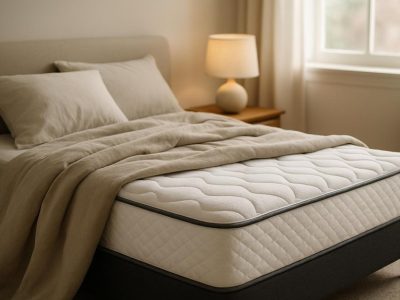
Choosing the right mattress can feel like navigating a maze of plush promises and hidden pitfalls.
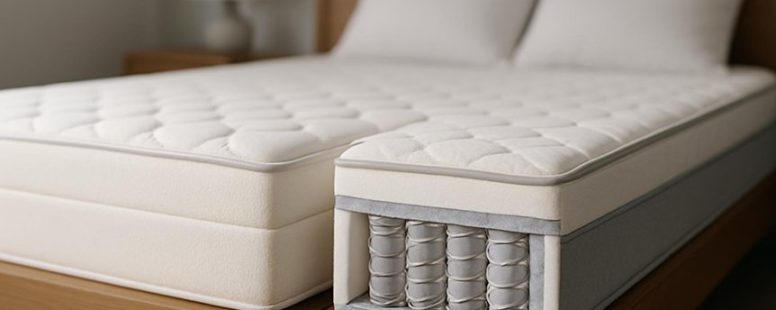
Memory foam gently hugs your body, offering a cocoon of comfort, while hybrids combine foam with coils, creating a lively dance of support and bounce.
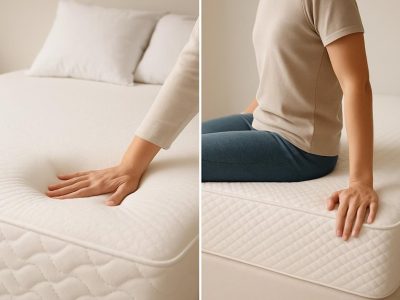
Imagine sinking into a cloud or feeling the subtle spring beneath your fingertips.
Did you know that hybrids often excel at temperature regulation, helping you stay cool all night?
Understanding these subtle differences can turn the daunting search into a journey toward your perfect sleep sanctuary.
Materials in Memory Foam vs Hybrid Mattresses
Memory foam and hybrid mattresses are different because of the materials inside them. Memory foam is made from a soft, moldable material that cradles your body. There are many types, like traditional memory foam, gel-infused foam that helps with cooling, and plant-based foam that’s more eco-friendly. These materials help relieve pressure and keep you comfortable, but they can sometimes trap heat, making you feel too hot.
Hybrid mattresses combine layers of memory foam or latex with steel coils. This mix gives you the softness and body-hugging feel of foam, along with the support and bounce from the coils. Hybrids often stay cooler than all-foam beds because of the open space around the coils, which lets air flow better.
Knowing what’s inside each mattress helps you pick the right one. If you like sinking into a soft, hug-like bed, memory foam might be better. But if you want a mattress that feels supportive and has some bounce, a hybrid could be the way to go. Some brands, like Casper and Saatva, offer hybrid options that balance comfort and support well.
However, both types have their downsides. Memory foam can sometimes sleep hot or feel too soft for some people. Hybrids tend to be more expensive and heavier to move. So, consider your sleep style and budget when choosing.
In the end, understanding what materials are inside helps you find a mattress that fits your needs, whether you want a cozy hug or a supportive bounce.
Body Support Differences Between Memory Foam and Hybrid
Memory foam and hybrid mattresses support your body differently, and knowing these differences can help you pick the right one. Memory foam molds to your shape and reduces pressure points, which means you might feel like you’re sinking into a soft cloud. This can be great if you like a mattress that cradles you. But it can also cause you to feel stuck or too warm if the foam traps heat.
On the other hand, hybrids combine foam with coils, giving a firmer and more responsive support. The coils help the mattress bounce back quickly, so you don’t sink too deep. This makes hybrids better if you want support that keeps your spine aligned and feels more lively and cool. However, some people find hybrids too firm or noisy because of the coils.
Some brands like Casper and Saatva make hybrid mattresses that work well for people who want a balance of softness and support. Still, hybrids tend to cost more and may need more time to break in. Memory foam is usually less expensive but might cause overheating or feel too soft for some.
Contouring And Pressure Relief
Memory foam and hybrid mattresses differ a lot in how they provide comfort and pressure relief. Memory foam is best at molding to your body, gently cushioning pressure points like shoulders and hips. This helps keep your body aligned, which can reduce aches and help you sleep better. Hybrids combine foam and innerspring coils. They offer some contouring but are less conforming than memory foam. This might make you feel less cradled, but hybrids bounce more and respond quicker.
If you need targeted pressure relief and want your body to stay aligned, memory foam is usually the better choice. But if you want a mattress that responds quickly and still offers some pressure support, a hybrid could be a good fit. Every person is different, so think about what your body needs most. Remember, no mattress is perfect for everyone, so it’s worth trying both options if you can.
Support Layer Construction
Support layers are the part of a mattress that hold up your body while you sleep. They are very important because they affect how comfortable and supportive your mattress feels.
Memory foam mattresses use support layers made of dense foam. These layers mold closely to your body shape, giving you a feeling of deep pressure relief. The foam is usually polyurethane or viscoelastic foam, which responds slowly to movement. This means it takes a moment for the mattress to bounce back after you move. Some people love this because it feels like a hugging cocoon, but others find it too slow or too soft for their taste.
Hybrid mattresses combine coil springs with foam support layers. The coils give a firm, responsive support that pushes back when you move. The foam layers add softness and cushion. This mix creates a mattress that feels balanced—responsive enough to change positions easily but still comfortable. If you want a mattress that bounces a little and responds fast, a hybrid might work better for you. But if you prefer deep, even support from a single material, then memory foam support layers could be better.
Some brands like Casper or Tempur-Pedic use these materials, so it’s good to think about what feel you want and how your body reacts. Both types have pros and cons, so try lying on different mattresses before you buy. Just remember, memory foam can trap heat and feel slow, while hybrids might be heavier and more expensive.
In the end, the right support layer depends on what comfort level you prefer. Do you want a mattress that contours closely or one that responds quickly? Knowing this can help you pick the best one for your sleep needs.
Sleep Temperature: Memory Foam vs Hybrid Mattresses
Memory foam mattresses tend to trap more heat than hybrid mattresses. This can make it harder for some people to stay cool during the night. Hybrids usually have coil layers that let air flow better, which helps keep you cooler.
Memory foam uses dense material that absorbs and holds heat, which can cause you to sweat or feel hot. Hybrids combine foam with metal coils, creating gaps that let air pass through easily. Some hybrid mattresses also have special cooling covers or gel layers to help with temperature control.
But remember, not all hybrids stay cool. Some have thick foam layers that can still trap heat. Also, some memory foam brands now add cooling technology, so they are not all hot.
If you sleep hot, a hybrid might be a better choice for you. But if you prefer memory foam for comfort, look for one with cooling features. Always check what materials are used and if the mattress has cooling layers.
In the end, think about your sleep habits. Do you tend to get hot at night? If yes, a hybrid could help. If not, memory foam might still be fine. But be careful and read reviews to find a mattress that stays cool enough for you.
Heat Retention Differences
Heat retention is a key factor when choosing between memory foam and hybrid mattresses. Memory foam is known to trap more heat because of its dense structure. If you tend to feel warm at night, this could make you uncomfortable. Some memory foam mattresses now include special cooling features like gel infusions or open-cell foam. These help keep you cooler during sleep.
Hybrid mattresses usually stay cooler because their coil layers let heat escape more easily. But, the foam parts in hybrids can still hold some warmth. This means your sleep temperature depends on how much heat the mattress retains and how well it breathes.
If you often wake up sweaty or feel too hot, a hybrid might be better. But if you want the support of memory foam and don’t mind some extra warmth, look for options with cooling tech. Remember, everyone sleeps differently. Trying out mattresses or reading reviews can help you find the right one for your comfort.
Breathability and Airflow
Breathability is key to a good night’s sleep because it helps control your body temperature. The better a mattress breathes, the cooler you’ll stay. Memory foam mattresses are known for trapping heat because their dense material blocks airflow. If you’ve ever felt too hot on a memory foam bed, this is why. On the flip side, hybrid mattresses have a mix of foam and coils. The coils let air flow freely, helping heat escape and keeping you cooler. If you tend to sleep hot, choosing a hybrid could make a big difference.
Some brands, like Casper and Saatva, make hybrid mattresses with good airflow. But even then, not all hybrids are equal. Some might still trap heat if the materials are dense or thick. So, when picking between memory foam and hybrid, think about how important breathability is for your comfort. Remember that a mattress that breathes well can help you sleep better, especially on warm nights.
Temperature Regulation Technologies
Memory foam and hybrid mattresses are two popular options for keeping cool during sleep. The best choice depends on what kind of temperature control you need.
Memory foam mattresses often include features like gel infusions and open-cell designs. These help move heat away from your body, making the mattress cooler. But some people still find that memory foam traps warmth, especially if the mattress is very thick or dense. If you tend to get hot at night, you might want to be cautious with pure memory foam.
Hybrid mattresses mix memory foam with innerspring coils. The coils allow air to flow more easily inside the mattress. This helps disperse heat and keeps the surface cooler. Some brands, like Casper and Saatva, advertise their hybrid beds as good at staying cool during the night. If temperature regulation is a top priority, hybrids are often a better choice because of their design.
However, hybrids can be heavier and more expensive than pure memory foam beds. Also, they may make more noise due to the coils. Memory foam mattresses can be softer and more pressure-relieving but may trap heat if not specially designed for cooling.
In summary, if you want consistent cooling, hybrids usually do better because of the airflow from the coils. Memory foam can work well too but may need extra cooling features. Think about your sleep habits, budget, and whether heat is a big problem for you before choosing.
Motion Isolation: Memory Foam vs Hybrid Mattresses
Motion isolation is a key factor when choosing a mattress, especially if you share your bed with a restless partner. Here is what you need to know about memory foam and hybrid mattresses and how they handle movement.
Memory foam mattresses are best for motion isolation. They work by absorbing and stopping movement from one side of the bed from being felt on the other side. For example, if your partner gets up or moves around, you might not notice much of it. This is because the dense foam material cushions and dampens motion, making it a good choice for light sleepers or couples who don’t want to be disturbed. Some well-known brands like Tempur-Pedic use high-quality memory foam for this purpose. But keep in mind, memory foam can feel a little warm and may trap heat, which might bother some people.
Hybrid mattresses mix foam with innerspring coils. They give more bounce and support because of the coils, which makes them feel more lively under you. However, this design can sometimes let more movement pass through, so if your partner tosses and turns a lot, you might feel it more. Hybrids are good if you want a mattress that feels springy but still has some foam comfort. Brands like Casper or Saatva produce hybrids that are popular. Still, if motion transfer is your main concern, hybrids might not be the best choice.
Some people prefer memory foam because it blocks out movement and helps them sleep better. Others like hybrids for their bounce and support, even if they don’t cut motion as well. If you or your partner tend to move a lot in sleep, memory foam could be smarter. But if you want a mattress that bounces back quickly and supports active sleepers, then a hybrid might be better despite the extra movement transfer.
Durability and Lifespan of Memory Foam vs Hybrid
Memory foam and hybrid mattresses last for different amounts of time, and knowing how long they stay good can help you pick the right one. Memory foam usually lasts about 7 to 10 years. The key is how dense the foam is; higher-density foam resists sagging and wears out less quickly. So, if you want a longer-lasting memory foam mattress, look for one with thicker, denser foam layers.
Hybrids, which combine coil support with foam layers, tend to last a bit longer — around 8 to 12 years — especially if made with good quality materials. But because they use different materials, they might wear unevenly. Cheaper coils can sag faster, making the mattress less supportive sooner.
To get the most life out of either mattress, it’s smart to follow some simple steps. Regularly rotate your mattress, which helps it wear evenly. Also, use a proper foundation or bed frame that supports the mattress well. If you don’t, the mattress might sag or break down faster.
Best Sleepers for Memory Foam vs Hybrid Mattresses
Memory foam and hybrid mattresses differ a lot in how they support your sleep. Knowing which lasts longer is useful, but it’s even more important to pick one that fits how you sleep.
Memory foam is best for side sleepers. It molds to your body, helping cushion your hips and shoulders. This reduces tossing and turning and makes sleeping more comfortable. Memory foam usually feels softer or medium firmness, which is good if you like sinking in. But it might not give enough support if you move a lot or change positions during the night.
Hybrid mattresses mix foam with coils. They are better for back and stomach sleepers. The coil system keeps your spine aligned and adds bounce. This helps your body stay straight, which is important for avoiding pain. Hybrids often come in firmer options, giving more support where you need it most. If you switch positions often, a hybrid can respond faster and stay comfortable.
Some people might think softer is always better, but that’s not true. If you prefer very soft beds, memory foam can be perfect. But if you want more support, especially for your back, a hybrid might be a smarter choice. Remember, comfort depends on your sleep style and firmness preference.
A warning: memory foam can trap heat, making some sleepers too warm at night. Hybrid mattresses often have better airflow, helping keep you cool. However, hybrids can be heavier and more expensive. Think about what matters most—support, comfort, or price.
In the end, your best choice depends on how you sleep and what feels right. Do you need pressure relief, or do you want firm support? Trying out different mattresses in stores or reading reviews can help you pick the one that keeps you comfortable and supported every night.
Price and Value: Memory Foam vs Hybrid Mattresses
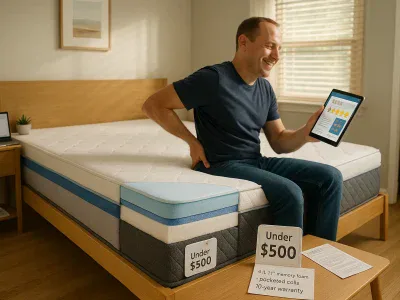
Memory foam and hybrid mattresses differ a lot in price and value. Memory foam usually costs less than hybrid models. Hybrids are more expensive because they combine foam layers with metal coils, making them harder to produce. But price is just one part of the story.
When I think about value, I look at how long the mattress lasts, how comfortable it is, and how well it supports your body. Memory foam often provides good pressure relief and can last about 7 to 10 years. Hybrids may last a little longer and give more bounce and airflow, which some people prefer.
If you’re on a tight budget, memory foam might be the best choice for you. It costs less and still offers comfort. But if you want a mattress that lasts longer and feels more supportive, spending extra on a hybrid could be worth it.
For example, if you sleep hot, a hybrid might keep you cooler because of its airflow, but if you mainly want a soft, pressure-relieving mattress, memory foam is a good pick. Remember, cheaper doesn’t always mean better, and more expensive doesn’t always mean the best. Think about what matters most to you before buying.
Choosing the Best Mattress for Your Lifestyle
The best mattress depends on how you sleep and what you like. Price and value are important, but the main thing is how well the mattress fits your lifestyle. If you sleep on your side or want pressure relief, memory foam is a good choice because it molds to your body and supports your hips and shoulders. Many people find this helps reduce pain. But if you prefer a little bounce or sleep on your back or stomach, a hybrid mattress might work better. Hybrids combine coils with foam, giving you support and some springiness.
Think about how you move during the night. Do you toss and turn a lot? Do you wake up with back pain? Do you like a firm or soft mattress? Those details matter. Sometimes, a softer mattress feels nice at first but may not give enough support for people with back problems. Harder beds last longer but might be uncomfortable for some.
Some brands like Casper or Tempur-Pedic offer good options for different needs. Always try lying on a mattress for a few minutes before buying. Remember, the right mattress should match both your body and your habits. It’s not just about the price tag, but how it feels and how it helps you sleep better.
To provide the best experiences, we use technologies like cookies to store and/or access device information. Consenting to these technologies will allow us to process data such as browsing behaviour or unique IDs on this site. Not consenting or withdrawing consent, may adversely affect certain features and functions.
Functional
Always active
The technical storage or access is strictly necessary for the legitimate purpose of enabling the use of a specific service explicitly requested by the subscriber or user, or for the sole purpose of carrying out the transmission of a communication over an electronic communications network.
Preferences
The technical storage or access is necessary for the legitimate purpose of storing preferences that are not requested by the subscriber or user.
Statistics
The technical storage or access that is used exclusively for statistical purposes.The technical storage or access that is used exclusively for anonymous statistical purposes. Without a subpoena, voluntary compliance on the part of your Internet Service Provider, or additional records from a third party, information stored or retrieved for this purpose alone cannot usually be used to identify you.
Marketing
The technical storage or access is required to create user profiles to send advertising, or to track the user on a website or across several websites for similar marketing purposes.