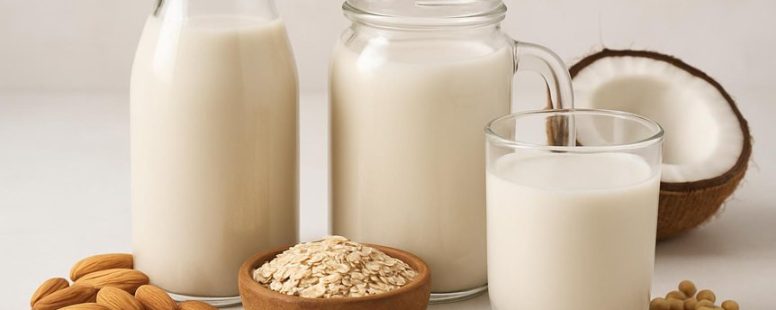
Best Substitute for Dairy Milk
Imagine pouring a glass of rich, velvety milk that not only satisfies your cravings but also nurtures your body in surprising ways.
With nearly 30 percent of Americans now opting for plant-based milks over traditional dairy, the options are more diverse than ever. Choosing the perfect substitute isn’t just about flavor—it’s a delicate dance of nutrition, allergies, and how you plan to enjoy it.
Whether you crave a creamy splash in your morning coffee or a light swirl in your smoothie, discovering the right plant-based milk can feel like unlocking a hidden treasure chest of health benefits.
Why Choose a Dairy Milk Substitute
Dairy milk is common, but choosing a milk substitute can be better for your health and the environment.
A milk substitute is a drink made from plants instead of cows. Examples include almond milk, oat milk, and soy milk. These are good options if you are lactose intolerant or want to cut back on dairy. For example, I switched to almond milk because I get stomach aches from regular milk. Now I feel more comfortable after drinking it.
Plant-based milks also help the environment. Dairy farming uses a lot of water and produces greenhouse gases that hurt the planet. By picking plant-based options, like oat milk from oats or almond milk from almonds, you use fewer resources. This makes your choice better for the Earth.
But some people worry about the taste or nutrition of milk substitutes. Not all brands taste the same, and some have added sugar or preservatives. It is a good idea to read the label and pick a brand that fits your needs.
Some critics say plant-based milks are not always as nutritious as real milk. They might lack certain vitamins or minerals. So, if you choose an alternative, you might want to add extra nutrients to your diet.
How to Choose the Right Milk Alternative for You
Choosing the right milk alternative means finding one that matches your taste and needs. Here are simple steps to help you pick the best option.
First, think about what flavor you prefer. Do you want something creamy like dairy milk, nutty like almond or cashew milk, or mild and neutral like rice milk? For example, if you enjoy a rich taste in your coffee, coconut milk could be a good choice. If you like a subtle flavor for cereal, oat milk might be better.
Next, consider any food allergies or health issues. If you are allergic to nuts, avoid almond and cashew milk. If you’re lactose intolerant, choosing a milk that is free from dairy is a must. Some brands add extra sugars or preservatives, so check labels carefully.
Then, decide what you’ll use the milk for. Drinking it straight, adding it to coffee, or cooking can require different textures and flavors. For example, soy milk works well in baking because it has a protein content similar to cow’s milk, while rice milk is thinner and better for drinking.
It is smart to try small amounts of different kinds first. You might discover you love the creaminess of cashew milk or prefer the lightness of hemp milk. Testing helps you find what tastes best and feels right for your lifestyle.
Some people prefer plant-based milks because they are more sustainable. Others choose based on price or availability. Remember, no one milk is perfect for everyone. It’s okay to switch and experiment until you find what works for you.
In the end, choosing a milk alternative is about your personal taste, health needs, and how you plan to use it. Don’t get overwhelmed by options. Stick to what you enjoy and what fits your life. Trust your taste buds and take your time to find your favorite.
Top Plant-Based Milk Substitutes and Benefits
Plant-based milks like almond, oat, and soy are popular choices for many people. They each have different flavors and benefits, so picking the best one depends on what you want.
Almond milk is low in calories and has a light, nutty taste. It’s good if you want a dairy alternative that’s gentle on your stomach. But it has less protein than soy and oat milks. Some brands add extra sugar, so check the label if you want a healthier option.
Oat milk is creamier and naturally sweet. It’s great for coffee or cereal because it blends well. Oat milk also has more fiber than other plant milks, which helps digestion. However, it can be higher in carbs, so if you’re watching your sugar, read the nutrition facts carefully.
Soy milk is high in protein, similar to cow’s milk. It’s a good choice if you need more protein in your diet, especially for vegetarians. But some people worry about soy’s effects on hormones, although most experts say moderate consumption is safe. Also, soy has a stronger flavor that some might not like.
Some people prefer one over the other because of taste, nutrition, or allergies. For example, those with nut allergies should skip almond milk. If you want a milk that’s high in protein and doesn’t taste too strong, soy might be better. But if you’re looking for a low-calorie option, almond or oat milk could work best.
In the end, it’s good to try different kinds and see what works. Remember, some brands add sugar or preservatives, so always read the label. And keep in mind that no plant milk has all the nutrients of cow’s milk, so you might need to find other ways to get certain vitamins.
As you choose your plant-based milk, ask yourself what matters most — flavor, nutrition, or calories. Both almond, oat, and soy have good sides and some limits. Picking the right one depends on your health goals and taste buds.
Popular Plant Milk Types
Plant milk options are popular dairy milk substitutes. People choose the best one based on taste, nutrition, and how they plan to use it.
Oat milk is a favorite for its creamy texture and mild flavor. It works well in coffee and baking. Many brands like Oatly make tasty oat milk that feels rich but is still light enough for daily use.
Almond milk is low in calories and has a nutty taste. It’s a good choice if you want something light. Some almond milks add extra sugar, so check the label if you want a healthier option.
Coconut milk has a tropical flavor and is slightly sweet. It’s thick and rich, making it good for cooking or smoothies. But if you want a neutral taste, coconut milk might be too strong.
Soy milk is a classic choice with high protein. It’s versatile and can be used in many recipes like cereals, coffee, or even baking. Some people worry about soy allergies or GMO ingredients, so they pick organic brands.
Cashew milk is smooth and creamy. It’s great for sauces, desserts, or just drinking. It’s a bit higher in fat but adds a nice flavor to recipes.
Hemp milk has a nutty flavor and contains omega fatty acids. It’s a good choice for people who want healthy fats and a slightly earthy taste.
Rice milk is naturally sweet and thinner than others. It is a good option for those with nut or soy allergies. However, it has more sugar and less protein.
Pea milk is a newer option. It is very creamy and has a lot of protein, similar to cow’s milk. It’s good for people looking for plant-based milk that fills you up.
Some people prefer one over another based on taste, nutrition, or allergies. For example, if you want high protein, pea or soy milk are best. If you prefer a light drink, almond or rice milk might suit you.
Always read labels because some plant milks have added sugar or preservatives. Try different kinds to see which one fits your taste and needs best. Remember, no single milk is perfect for everyone, so choose what makes you feel good.
Nutritional Benefits Overview
Plant-based milks vary in flavor and texture, but their nutritional content is the main reason people choose them. When comparing these drinks, the best options are those that offer high nutrient value for their calories and ingredients.
For example, soy milk is often called the top choice because it has protein levels similar to cow’s milk. This makes it good for people who want to get enough protein without dairy. Almond milk has fewer proteins but is rich in vitamins like vitamin E and is naturally low in calories. If you want a milk that won’t add many calories but still gives you some nutrients, almond milk might be a good pick. Oat milk provides a lot of fiber, which helps digestion and keeps your heart healthy. Some brands like Oatly even add extra calcium and vitamin D, so they are just as good as dairy in those nutrients.
But be careful. Not all plant-based milks are equal. Some are heavily processed or contain added sugars. Always check the label. If you need more protein, choose soy. If you want low calories, go for almond. If fiber and heart health matter most, oat milk is a good choice.
Two viewpoints are worth mentioning. Some people say plant milks are better than dairy because they are lower in fat and calories, but others warn that some brands add sugars and artificial ingredients. So, read labels carefully. Also, while fortified versions match dairy in calcium and vitamin D, not all brands do this well.
Choosing the right plant milk depends on what nutrients you care about most. Think about your health goals and read the labels before buying. For me, knowing these facts helps me pick a milk that supports my health without sacrificing taste or texture. But always remember, no drink can replace a balanced diet.
Nutritional Comparison of Popular Milk Alternatives
When choosing a milk alternative, the most important thing is to know how nutritious they really are. Not all plant-based milks have the same vitamins and minerals as regular dairy. For example, some brands like Silk or Califia Farms add extra calcium and vitamin D, making them closer to cow’s milk. Others, like almond or rice milk, might have less protein and fewer nutrients unless they are fortified. If you want the best nutritional value, look for options that are enriched with key nutrients like calcium, vitamin B12, and vitamin D.
Some people prefer soy milk because it has similar protein levels to dairy, but others avoid it due to allergies or taste. Remember, not all brands add the same nutrients, so always read the label carefully. For example, if you drink almond milk, check if it’s fortified with calcium and vitamin D. That way, you know you’re getting enough of these important nutrients.
If you want to compare which milk alternative is best for you, start by making a list of what nutrients matter most—like protein, calcium, and vitamins. Then, look at the nutrition labels of different brands. For example, compare the calcium amounts in almond milk, soy milk, and oat milk. The one with the highest levels of key nutrients might be the best choice for your needs.
Some people say plant milks are healthier, but they can also be lower in protein or contain added sugars. So, it’s wise to pick unsweetened options and check the nutrition facts. Remember, not all brands are equal, and some might have more calories or less nutrients. Be cautious and read labels carefully to make sure your milk alternative supports your health.
Nutrient Profiles Compared
Choosing the best dairy milk substitute depends on what nutrients matter most to you. Here’s a simple way to compare popular options based on their nutrient profiles.
Soy milk is the top choice if you want high protein. It has almost as much protein as regular cow’s milk, making it a good pick for those who need more protein in their diet. Almond and rice milk usually have less protein. They are lower in calories too, which might help if you’re trying to cut down on calories. Oat milk falls in between. It gives you some protein and fiber, which is good for digestion. Coconut milk, on the other hand, has very little protein and isn’t as nutrient-dense. It’s creamier and richer, but not the best if protein is your goal.
Keep in mind, choosing a milk alternative isn’t just about protein. Think about what else your body needs. For example, if you want more calcium and vitamin D, look for brands that add those nutrients. Brands like Silk and Califia Farms often fortify their plant milks with extra vitamins and minerals.
Some people might prefer almond milk because it’s light and has fewer calories, but it lacks protein. Others might choose soy milk for its health benefits, but some people have soy allergies or prefer to avoid soy for other reasons. Oat milk is popular for its creamy texture and fiber, but it can be higher in sugar if it’s flavored.
In the end, your choice depends on what you want from your milk. If you need protein, soy is a good bet. If you want fewer calories, almond or rice milk might suit you better. Always check the nutrition label and ingredient list, because not all brands are the same.
Vitamin and Mineral Content
Vitamin and mineral content is a big concern when choosing milk alternatives. Many plant-based milks like almond, soy, and oat do not naturally have the same amount of vitamins and minerals as regular dairy milk. This can make it harder to get enough calcium, vitamin D, and B12 from these drinks alone.
To fix this, companies often add nutrients through fortification. They add vitamins and minerals to make the milk more similar to dairy. For example, calcium and vitamin D are common additions. But not all added vitamins are absorbed the same way. Calcium citrate, for example, is better absorbed than calcium carbonate. So, reading labels helps you know what you are getting.
Among plant milks, soy milk usually has the most balanced vitamin and mineral content. It naturally contains some nutrients, and with added vitamins, it can be a good alternative to dairy. Almond and oat milks tend to have less natural nutrients, so fortification is even more important for them.
If you rely on plant-based milks, keep in mind that not all brands or types provide the same benefits. Check labels to see if they are fortified and what kind of vitamins they contain. Remember, some fortifications may not be absorbed well, and in some cases, you might need to take supplements to meet your needs.
Some people find that fortified plant milks work well, but others worry about whether the added nutrients are actually absorbed by their bodies. It’s a good idea to talk to a doctor or dietitian if you have concerns about your nutrition from these drinks.
How Different Milk Substitutes Perform in Cooking and Baking
Different milk substitutes work differently when you cook or bake. Knowing how they perform helps you pick the best one for each recipe.
Almond milk is a good choice because it has a mild flavor. It works well in most cooking methods. But in baking, it can sometimes make baked goods drier. For example, if you use almond milk in muffins, they might turn out a little crumbly.
Oat milk adds a creamy texture that can make baked items better. It’s especially good in cakes and muffins because it helps keep them moist and soft. If you like a richer taste, oat milk is a safe pick.
Coconut milk gives a rich, tropical flavor. It can add moisture and richness to recipes like curries or smoothies. But be careful because its strong flavor might overpower delicate dishes like light cakes or custards. Some people find it too overpowering if used in large amounts.
Soy milk is high in protein, like regular milk. This helps baked goods brown nicely and hold their shape. If you want a substitute that acts more like dairy milk, soy is a good option. But some people don’t like its bean-like taste, especially in sweet baked items.
There are two sides to think about. Some say almond and oat milks are easy to use and work well most of the time. Others warn that they can change the texture or flavor of your baked goods. Coconut milk is great for rich dishes but can be too strong for lighter recipes. Soy milk is close to dairy milk but may have an odd flavor for some.
If you are trying new substitutes, test small amounts first. Remember, not every milk works for every recipe. Sometimes, you need to adjust other ingredients, like flour or sweeteners, to get the best results.
In the end, choosing the right milk depends on what you are making and what flavor or texture you want. Don’t be afraid to experiment and see what works best for you.
Best Dairy Milk Substitutes for Coffee and Tea
When choosing a milk substitute for coffee and tea, the best option depends on what you want in flavor and texture. Here are some common choices and what they do best:
Almond milk is light and nutty. It adds a subtle flavor that works well with tea. But in coffee, it can sometimes separate or curdle, especially if heated too fast. So, if you love a nutty taste and drink mostly tea, almond milk might be good for you. Just remember, it may not stay smooth in hot coffee.
Oat milk is creamy and naturally sweet. It makes lattes rich and smooth. Many baristas use oat milk because it froths well and adds a cozy texture. If you want a milk that mimics dairy, oat milk is a strong choice. But some brands can be thicker, so check the label.
Coconut milk offers a tropical flavor. It’s thick and creamy, but its strong taste can overpower delicate teas. If you enjoy a hint of coconut, it’s a fun option. Just be careful with how much you use so it doesn’t dominate the drink.
Soy milk is neutral and has a thicker consistency. It blends well with both coffee and tea without adding much flavor. For those who want a plant-based milk that behaves like dairy, soy is reliable. However, some people find its taste a little beany or strong.
Each milk substitute reacts differently when heated or frothed. For example, oat milk froths nicely, making it perfect for lattes. Almond milk can be tricky—sometimes it separates when heated. Experimenting with small amounts helps you find what works best for your drinks.
Some people prefer one over another based on taste, texture, or dietary needs. Others warn that certain brands may contain added sugars or thickeners. Always check the ingredients if you want a cleaner option. And remember, what works for one person might not work for another. It’s worth trying different milks to see which makes your coffee or tea taste just right.
In the end, whether you want a light nutty note, creaminess, tropical flavor, or neutral smoothness, there’s a plant-based milk out there for you. Just don’t expect every substitute to perform perfectly in all drinks—factors like heating and frothing matter. So, try a few, and find your favorite.
Tips for Storing and Using Dairy Milk Alternatives
Dairy milk alternatives are different kinds of drinks made from plants instead of cows. These include almond milk, soy milk, oat milk, and others. They are used like regular milk but need special care to stay fresh.
The most important thing is to store them properly. Once you open a bottle or carton, most plant-based milks need to go in the fridge. They are best used within 7 to 10 days after opening. Always read the label because some types, like shelf-stable almond milk, can stay at room temperature if unopened. But once opened, they should be refrigerated to keep from spoiling. Before pouring, give the container a good shake to mix any separation that might happen.
Some people only pour plant milk over cereal or into coffee. But you can use them in many ways, like in smoothies, baking, or making creamy sauces. For example, I like adding oat milk to my banana smoothies or using soy milk when I bake cookies. Trying new recipes helps you enjoy their unique flavors and prevents waste when they start to go bad.
If you’re thinking about switching to plant-based milk, remember that different brands and types have different tastes and textures. Some are thicker and creamier, like coconut milk, while others are lighter. It’s good to try a few to see what you like best. Also, be careful with shelf-stable versions—just because they don’t need refrigeration at first doesn’t mean you can leave them out forever.
Where to Find Great Dairy Milk Alternatives Near You
Dairy milk alternatives are plant-based drinks like almond, oat, and soy milk. These are good for people who can’t or don’t want to drink regular cow’s milk. If you want to find the best options near you, here are some tips.
First, check local stores. Most grocery stores, like Walmart or Kroger, have a whole section for plant-based milks. You can see different brands like Silk, Alpro, or Califia Farms. Look at the labels for things like added sugars or organic ingredients. Sometimes, trying a few brands helps you find your favorite. But keep in mind, not all stores carry every flavor or type, so you might need to visit a few places.
Second, health food shops are often better for organic or specialized options. Places like Whole Foods or local co-ops usually have a bigger variety. They might also have unique blends like cashew or hemp milk. These stores are a good place to ask staff for recommendations or try small samples.
Third, online shopping can give you more choices. Websites like Amazon, Thrive Market, or brand sites like Oatly offer lots of options. Online shops often have reviews from other buyers, which can help you pick a good product. Plus, they deliver right to your door, saving you time. But watch out for shipping costs or waiting a few days for your order.
Some people prefer shopping in person because they can see and taste before buying. Others like online stores for the bigger selection. Both ways have benefits and limits. For example, trying in store might mean limited choices, while online might be more convenient but takes longer.
To find the best dairy milk alternative, start with local stores to try different types. If you don’t find what you want, then look online. Remember, not all plant-based milks taste the same, and some may have added ingredients you don’t like. Do a little research, read reviews, and pick what suits your taste and needs.

- Best Substitute for Maple Syrup - August 7, 2026
- Best Substitute for Basil - August 6, 2026
- Best Alternatives to Magic Mouse - August 5, 2026
by Ellie B, Site Owner / Publisher