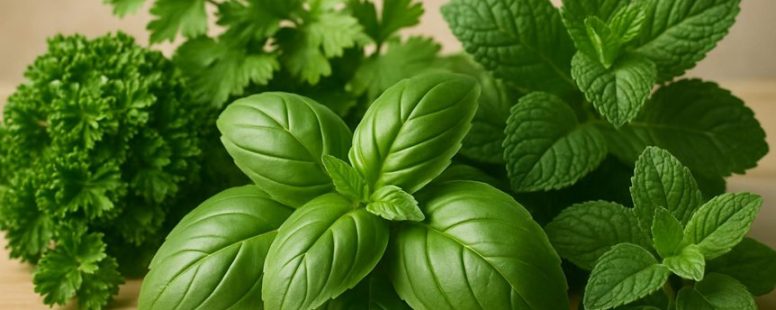
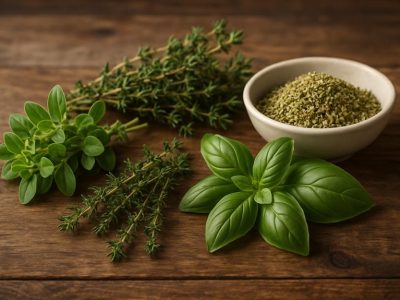
When your kitchen runs out of basil, the challenge is more than just finding a replacement—it’s about preserving the soul of your dish.
Imagine a vibrant garden where each herb whispers its own story; choosing the right substitute can keep that story alive. Did you know that swapping herbs not only maintains flavor but can also introduce unexpected aromas that elevate your culinary creation?
Whether you’re crafting a Mediterranean masterpiece or a fresh salad, understanding which herb to turn to can unlock new layers of taste and aroma.
Think of it as finding the perfect musical note that keeps the melody flowing seamlessly—your dish will thank you.
How to Choose the Best Basil Substitute
The best way to choose a basil substitute depends on what flavor and texture you want to keep in your dish. First, think about how you’ll use the herb—whether it will be cooked, added fresh, or blended into a sauce. Basil has a sweet, slightly peppery taste with a hint of anise. So, look for herbs that match that brightness without overwhelming your dish.
If you want a fresh herb that tastes similar, try using fresh oregano or thyme. They have a milder flavor and can work well in salads or pasta. For cooked dishes, parsley or cilantro can add a fresh note, but they don’t quite match basil’s sweetness. Sometimes, a small amount of mint can give a similar fresh feeling, but it changes the flavor a lot.
Remember, some herbs are leafier or more pungent. Using too much of a different herb can make your dish taste off. For example, using too much rosemary might overpower everything, so start with small amounts and taste as you go.
If you want the best result, try experimenting with different herbs in small portions before adding them to your whole dish. Keep in mind that some substitutes work better in certain recipes. For example, basil’s sweet flavor is hard to match exactly, so sometimes you need to accept a slightly different taste.
Best Fresh Herbs as Basil Substitutes
If you want to replace basil with fresh herbs, there are some good options that add flavor without overpowering your dish. First, fresh oregano is a solid choice. It has a slightly peppery taste that works well in many recipes, especially Mediterranean dishes like pasta or grilled vegetables. Cilantro is another good substitute. It gives a bright, citrusy flavor that makes salads and salsas taste fresh. If you prefer a milder herb, fresh mint can add a sweet, refreshing touch, great in lighter recipes like drinks or fruit salads. Tarragon has a subtle anise flavor that can enhance sauces and dressings but might be too strong for some dishes. Keep in mind, how herbs behave when cooked varies. You might need to use less or more depending on your taste. Understanding these herbs’ flavors can help you replace basil confidently without losing the flavor you want. Just remember, each herb has its own personality and may change the dish a bit.
Counterpoint notes: Some people might find these herbs too different from basil and feel the dish loses its original character. Also, herbs like tarragon are strong, so they should be used sparingly. If you’re used to the sweet, aromatic flavor of basil, trying these substitutes might take some getting used to.
Skeptics might say, “Is this really going to work?” or “Will it taste good enough?” Well, it’s worth experimenting, especially if you don’t have basil on hand. Just start small and taste as you go.
If you’re in a hurry, just remember: oregano for a Mediterranean vibe, cilantro for a fresh kick, mint for a sweet touch, and tarragon for a subtle, anise flavor. With a little practice, you can make your dishes taste great even without basil.
Best Dried Herbs as Basil Substitutes
Dried herbs can be a good substitute for fresh basil when you don’t have any on hand. The key is to pick dried herbs that have similar flavors so your dish still tastes good.
Dried oregano is a popular choice. It has a warm, slightly sweet taste that works well in pasta sauces and pizza, just like basil. Thyme is another option. It has a subtle minty flavor that can remind you of basil in certain recipes. Rosemary is stronger and pine-like, so use it carefully in hearty dishes like stews or roasted vegetables. Be careful because dried herbs are stronger than fresh ones. I usually use half as much dried herb as the fresh amount called for in the recipe.
Some people like to compare flavor profiles when choosing substitutes. For example, dried oregano and basil both come from the same plant family, so they can sometimes be swapped in Italian dishes. But rosemary can overpower other flavors if used too much, so it’s better in recipes with bold ingredients.
Remember, dried herbs are more concentrated. If a recipe calls for a tablespoon of fresh basil, use only about a teaspoon of dried herbs. This way, you won’t overpower your dish. You can experiment with different herbs to see which ones you like best as a basil substitute.
Just keep in mind that dried herbs won’t give you the same fresh brightness. They work best in cooked dishes where flavors meld over time. If you’re making a salad or a quick dish, fresh herbs are better. Always taste and adjust as you go to get the flavor just right.
Fresh Greens as Basil Substitutes
Fresh greens like basil are great for flavor, but if you don’t have fresh basil, you can use other herbs or dried ones. Dried herbs can work in cooked dishes, but they usually don’t taste as lively or bright as fresh greens. If you want to keep that fresh, vibrant flavor, try using herbs like mint, cilantro, or parsley instead.
Each of these herbs adds something special. Mint gives a cool, refreshing taste. Cilantro adds a citrusy zing that can brighten up dishes like salads or tacos. Parsley offers a mild, clean flavor that works well in many recipes. These fresh herbs not only mimic basil’s flavor but also add more depth and complexity to your food.
Using fresh greens keeps your dishes smelling nice and looking appealing. They make your meals more colorful and appetizing. For example, adding fresh parsley on top of pasta can make it look more inviting. If you’re out of basil, don’t be afraid to try these alternatives. They’re easy to find at grocery stores like Walmart or Whole Foods, and they bring a fresh taste that dried herbs can’t match.
However, keep in mind that these herbs have different flavors, so they won’t taste exactly like basil. Sometimes, trying to replace basil with mint or cilantro can change the dish’s overall flavor. Also, fresh herbs are more fragile and can wilt quickly, so use them soon after buying.
Adjusting Flavor With Basil Substitutes
When you replace basil with another herb, it’s important to adjust the flavors carefully so your dish still tastes good. Different herbs have unique flavors that can make your recipe better or worse if not balanced right. For example, if you swap basil for thyme, which has an earthy and slightly minty taste, you should cut back on other strong flavors to keep everything balanced. When using mint or oregano, you should also change the amount so they don’t overpower the dish. Starting with less and tasting as you go helps you find the right flavor balance. Knowing how each herb’s flavor works with your ingredients is key to making sure your dish stays tasty and true to the original idea.
Pairing Basil Substitutes With Different Cuisines
Matching the right herbs to replace basil depends on the dish and the flavors you want. Here are some good options:
When cooking Italian dishes like pizza or pesto, oregano or thyme work well. These herbs can stand up to the strong flavors and cooking methods. Oregano adds a slightly bitter, earthy taste, while thyme gives a subtle, lemony flavor. Both are common in Italian recipes and are easy to find in stores.
For Thai dishes, cilantro or mint are good choices. They bring a fresh, herbal flavor similar to basil. For example, adding cilantro to a Thai salad makes it bright and lively, while mint can add a cool note to soups or wraps. These herbs hold up well in quick cooking or fresh applications.
In Mediterranean recipes like salads or herb blends, rosemary or marjoram are useful. They add depth without overpowering other ingredients. Rosemary has a piney scent, and marjoram offers a gentle, sweet flavor. Use them carefully, as they can be strong.
Choosing the right herb depends on the dish’s flavor profile. For example, if you want a fresh, vibrant taste, cilantro or mint are best. If you need something more earthy or pungent, oregano or thyme are good options. Think about how the herb interacts with other ingredients to make the dish taste balanced.
Some people warn that not all substitutes will work in every recipe. For example, oregano might taste too strong in a delicate pesto, and rosemary could overpower a salad. It’s good to start with small amounts and adjust. Remember, substitutes can change the dish’s character, so choose wisely.
In the end, knowing the flavors each herb offers helps you make better choices. Whether you want something similar to basil or just an interesting twist, these herbs can help you create tasty meals even if basil isn’t available. Just keep in mind that not every substitute will match perfectly, so experiment and taste as you go.
Why You Might Need a Basil Substitute
Basil is a common herb used in many recipes, but sometimes you need a substitute. Fresh basil may not always be available, or you might want a different flavor to match your dish better. Knowing what to use instead can prevent your meal from tasting bland and keep it exciting.
For example, oregano and mint are good options that can mimic basil’s sweet and aromatic notes. Oregano is stronger and more earthy, so use less if you don’t want it to overpower your dish. Mint, on the other hand, gives a fresh and cool flavor that can work well in salads and sauces.
To swap herbs properly, start by adjusting the amount. Usually, a teaspoon of fresh herb equals about half a teaspoon of dried herb. If you’re using dried herbs, remember they are more concentrated, so add less. Taste as you go to avoid overpowering your food.
Some people might prefer not to use oregano because it has a different taste, or they might find mint too strong for certain dishes. In those cases, basil substitutes like thyme or parsley can help, but they won’t give the same sweet aroma.
A quick tip: if you only have dried herbs, crush them between your fingers first to release their flavor. Also, try adding a little lemon juice or zest to mimic basil’s bright note. This can make your dish taste fresh even without the real herb.
Growing Your Own Basil Substitutes
Growing your own herbs at home can be a simple way to get fresh flavors without going to the store. If you want to have tasty herbs like basil, but also like trying others, consider growing substitutes such as thyme, cilantro, or tarragon. These herbs can make your meals special and save you money.
To grow herbs successfully, start with well-drained soil that has nutrients. Most herbs do best in sunlight, so pick a sunny spot in your yard or near a window. Companion planting is helpful too; herbs like oregano and mint grow well with tomatoes, and they can even help each other stay healthy.
You might wonder if it’s worth the effort. Growing your own herbs lets you pick fresh leaves whenever you need them, which tastes better than dried herbs from the store. Plus, it’s a fun way to connect with your food and spend time outside or in your garden. However, some herbs may need more care or may not grow well in certain climates. For example, cilantro can bolt quickly in hot weather.
Some people think growing herbs is hard or takes too much space, but many herbs are easy to grow in small containers or garden beds. If you’re new to gardening, start with a few herbs like basil, thyme, or mint. You will be surprised how simple it is and how much better your dishes taste with herbs you grew yourself.
To provide the best experiences, we use technologies like cookies to store and/or access device information. Consenting to these technologies will allow us to process data such as browsing behaviour or unique IDs on this site. Not consenting or withdrawing consent, may adversely affect certain features and functions.
Functional
Always active
The technical storage or access is strictly necessary for the legitimate purpose of enabling the use of a specific service explicitly requested by the subscriber or user, or for the sole purpose of carrying out the transmission of a communication over an electronic communications network.
Preferences
The technical storage or access is necessary for the legitimate purpose of storing preferences that are not requested by the subscriber or user.
Statistics
The technical storage or access that is used exclusively for statistical purposes.The technical storage or access that is used exclusively for anonymous statistical purposes. Without a subpoena, voluntary compliance on the part of your Internet Service Provider, or additional records from a third party, information stored or retrieved for this purpose alone cannot usually be used to identify you.
Marketing
The technical storage or access is required to create user profiles to send advertising, or to track the user on a website or across several websites for similar marketing purposes.