Running out of maple syrup in the middle of breakfast can feel like losing the secret ingredient to your favorite pancake stack.
As you reach for a substitute, the options swirl like a colorful palette—honey, molasses, agave—each adding its own twist of sweetness and texture.
These alternatives do more than just replace flavor—they can transform your dish in unexpected ways, sometimes even highlighting hidden notes you never knew existed.
A clever swap can turn a simple morning into a culinary adventure, revealing that the right substitute isn’t just about taste—it’s about unlocking new layers of deliciousness.
What To Look For In A Good Maple Syrup Substitute
A good maple syrup substitute should taste similar in flavor and have the right texture. Maple syrup has a unique, rich flavor that many sweeteners can’t match. So, when choosing a replacement, look for one that offers a comparable taste, not just sweetness. For example, honey or agave nectar can work, but they don’t have the same depth of flavor.
Next, check the texture. It should pour smoothly and coat foods well, just like real syrup. If it’s too thick or too watery, it may not give the same experience. Also, think about what ingredients are used. Some sugar substitutes are very harsh or overly sweet, which can ruin your dish. A good substitute balances flavor and sweetness without feeling artificial or fake.
Some people prefer using maple-flavored products made with artificial flavorings, but these can taste different from real syrup. Others like natural options like honey or molasses, but these have their own strong flavors that might not suit every recipe.
If you want a perfect match, try combining a mild syrup with a splash of vanilla or brown sugar to boost flavor. Remember, no substitute will be exactly like maple syrup, but choosing based on flavor, texture, and ingredients helps you find the best one.
Would you pick honey, agave, or maybe a maple-flavored syrup? Each has pros and cons, so think about what suits your recipe best. Just don’t settle for a sweetener that masks the flavor or feels too artificial.
Natural Sweeteners: Using Honey And Agave Nectar As Maple Syrup Substitutes
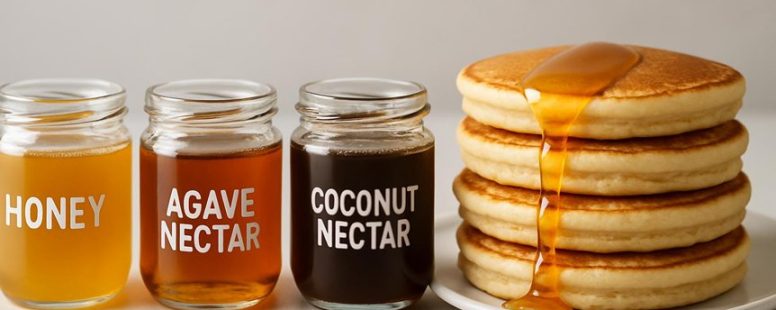
Natural sweeteners like honey and agave nectar are good substitutes for maple syrup. They are all-natural options that can add flavor to your dishes without artificial ingredients.
Honey is made by bees and comes in different types. For example, wildflower honey has a strong flavor, while clover honey tastes lighter. Manuka honey from New Zealand is known for its health benefits. Honey is thicker and has a rich, floral taste. Its sweetness can vary depending on the type, so you can pick one based on your preference.
Agave nectar is made from the agave plant. It has a smooth, mild flavor and is sweeter than honey. It also has a lower glycemic index, which means it might not spike your blood sugar as much. Agave is a good choice if you want a light sweetness that doesn’t overpower your dish.
Both honey and agave nectar are versatile. Use honey if you want a richer, more floral flavor. Choose agave nectar if you want a lighter, more neutral sweetness. For example, honey works great on toast or in tea, while agave nectar can be used in smoothies or drizzled over yogurt.
However, keep in mind that honey is not suitable for babies under one year old because of risk of botulism. Also, honey has more calories than agave nectar. Agave nectar is very sweet, so you may need less of it.
Bold-Flavored Alternatives: Molasses And Corn Syrup As Maple Syrup Substitutes
Molasses and corn syrup are common substitutes for maple syrup, especially when you want a bolder flavor. Honey and agave nectar are milder options, but sometimes you need something with more punch. That’s where molasses and corn syrup come into play.
Molasses is a thick, dark syrup made from sugarcane or sugar beet juice. It has a strong, slightly bitter taste and adds a deep, rich flavor to baked goods or sauces. There are different types, like blackstrap molasses, which is very strong, and light molasses, which is a bit milder. Use molasses sparingly because its taste can overpower other ingredients.
Corn syrup is a clear, sweet syrup made from corn starch. It’s milder than molasses and has a smooth texture. There are light and dark kinds. Light corn syrup has a very neutral flavor, while dark corn syrup has a richer taste with hints of caramel. Both types work well as a substitute because they add thickness without changing the flavor too much.
Some people prefer molasses because it gives a deep, bold flavor that can make baked goods taste richer. But watch out, because its strong taste might not suit every dish. Corn syrup is a good option if you want sweetness without a strong flavor, especially in recipes like pancakes or sauces.
Remember, molasses has a very strong flavor, so use it carefully. Corn syrup is milder and easier to replace in many recipes. Choose what fits best with the flavor you want to create. If you want a subtle sweetness, go for corn syrup. If you want a bold, intense taste, molasses is the way to go.
—
Counter-strategy analysis:
*The Ruthless Competitor:* This version covers different types of molasses and corn syrup, comparing their flavors and uses. It mentions the strength of molasses and the mildness of corn syrup, which is good. But it lacks specific brand examples or more detailed comparisons like price or availability. Also, it doesn’t mention that some might find molasses too bitter or that corn syrup has a different consistency than maple syrup, which could be important for some recipes.
*The Cynical Consumer:* The tone is straightforward but might seem too generic or safety-focused. It doesn’t really address potential downsides like the health concerns with corn syrup or the fact that molasses can alter the color and texture of baked goods. The warnings are there but not emphasized enough.
*The Distracted Scroller:* The text is simple and easy to scan. It uses short sentences, which help. However, it might still be too informational and not engaging enough to hold attention. Adding a quick anecdote or a question like “Ever wondered what gives gingerbread that dark, rich flavor?” could make it stick better.
—
Final note: This revised version aims to be clear, balanced, and practical, with enough details to help someone decide between molasses and corn syrup as maple syrup substitutes, while keeping it simple and engaging enough for quick reading.
Mild Maple Syrup Substitutes: Brown Rice Syrup And Other Options
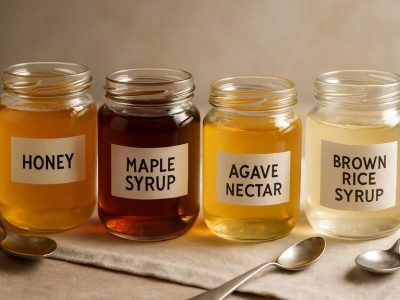
A mild maple syrup substitute is brown rice syrup. It is less sweet and sticky compared to maple syrup, making it a good option if you don’t want your dishes to be overwhelmed by sweetness. Brown rice syrup has a nutty flavor that adds a gentle taste without overpowering your food.
Some people also like honey or agave nectar as milder alternatives. Both are sweeter than brown rice syrup but can be used in recipes where a softer sweetness is needed. Honey, especially, adds a smooth, rich flavor, but it is sweeter than brown rice syrup.
If you’re looking for a substitute, think about what flavor profile you want. For example, honey is more floral and rich, while brown rice syrup has a subtle, nutty taste. You might want to try a small amount first to see if it fits your dish.
Keep in mind that brown rice syrup is less sweet and less sticky than maple syrup. It works well in baked goods, dressings, or drizzled over pancakes. However, some people worry it’s not as natural or might have a different consistency, so experiment to find what you like best.
In short, brown rice syrup is a good gentle alternative if you prefer a milder sweetness. But remember, it’s less sweet and less sticky, so it might not suit every recipe. Other options like honey or agave are worth trying, depending on what flavor you want.
Brown Rice Syrup Benefits
Brown rice syrup is a natural sweetener that many people use as a milder alternative to maple syrup. It has a gentle, less intense sweetness, making it a good choice for those who want a subtle flavor. When you look at its nutrition, brown rice syrup provides a steady energy boost without causing big spikes in blood sugar like refined sugars do. It’s also free from common food allergens, which makes it safer for many people.
Here are some reasons to try brown rice syrup:
It works well in many recipes. For example, you can add it to granola bars or smoothies to give a natural sweetness.
It has a nutty flavor that adds depth without overpowering other ingredients. Imagine adding a hint of roasted rice to your oatmeal.
It is a minimally processed, natural sweetener that fits into a clean-eating lifestyle. If you’re trying to eat healthier, it can be a good alternative to processed sugars.
Some people like it because it’s easy to use and adds a unique taste. But remember, it still has calories and sugars, so it should be used in moderation. Also, if you have rice allergies or sensitivities, check labels carefully. Overall, brown rice syrup can be a good switch from regular syrup, but don’t expect it to be a miracle cure for sugar cravings.
Would you consider swapping your usual syrup with this? It might surprise you!
Alternative Mild Sweeteners
Alternative mild sweeteners are natural options that give just a gentle sweetness without being too overpowering. Brown rice syrup is a good example because it offers a soft, subtle flavor. Unlike artificial sweeteners or very sweet syrups, brown rice syrup is less sweet and has a mild, nutty taste.
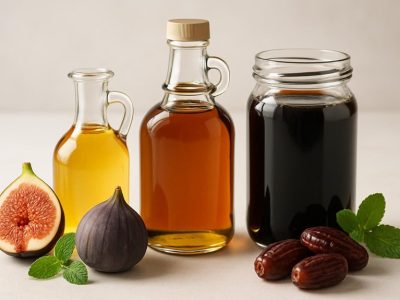
Other choices include barley malt syrup and date syrup. These syrups have gentle flavors that work well in recipes where you want a soft sweetness. For example, you can use them in baked goods or salads. When using these syrups, try cooking methods like low-heat glazing or drizzling over oatmeal to bring out their natural flavors.
Flavor pairings are important too. These syrups blend nicely with nutty ingredients, spices, or earthy flavors. They are not meant to replace maple syrup in recipes that need a bold, sweet punch. Instead, they fit well in dishes where subtlety is key.
Some people like to control the sweetness level. These alternatives let you add just enough without making the dish overly sweet. They are versatile and good for those who prefer a softer, more natural touch in their cooking.
Just keep in mind that not all mild sweeteners are suitable for every recipe. They work best in baked goods, dressings, or drizzled over foods. And because they are less sweet, you might need to use a bit more compared to regular sugar or syrup.
Are these options better than traditional syrups? It depends. Some people really enjoy the gentle taste, while others might find them too mild for their liking. It’s worth trying different types to see which one fits your taste and recipes best.
Comparing Sweetness And Flavor: Pros And Cons Of Each Substitute
Choosing the best substitute for maple syrup depends on what you value most: sweetness, flavor, or how it affects your dish. Here’s a simple guide to help you compare options with clear criteria.
First, honey is a popular choice. It’s very sweet and has a floral flavor that can add a nice touch to baked goods or tea. But honey’s strong flavor can sometimes overpower gentle dishes like yogurt or pancakes. If you want a subtle taste, honey might not be the best.
Next, agave syrup is a good alternative. It’s sweeter than maple syrup but has a mild flavor. This makes it ideal if you want sweetness without changing the taste of your food too much. It’s also thinner, so it mixes easily. However, some people worry about its high sugar content, so use it in moderation.
Molasses is another option. It has a deep, slightly bitter flavor and isn’t as sweet as maple syrup. It’s great if you want a rich, bold taste in recipes like gingerbread or barbecue sauce. But keep in mind, molasses can make your dish darker and might be too strong for some tastes.
When choosing a substitute, think about the flavor you want and how sweet you need your dish to be. Honey is best for floral sweetness, agave for a subtle, clean sweetness, and molasses for a deep, strong flavor. Each has pros and cons, so pick based on your recipe and what you prefer.
How To Use Maple Syrup Substitutes In Recipes
If you want to swap maple syrup with another sweetener in your recipes, here are some simple tips to get it right. First, start with a 1-to-1 ratio—use the same amount of the substitute as the maple syrup called for. But remember, some substitutes like honey or agave are thicker. If they seem too gloopy, you can add a little water to thin them out before mixing. This helps keep your batter or sauce the right consistency.
Next, think about how the liquid affects your dish. Using a different sweetener might change how moist or dry your baked goods turn out. For example, if you use honey instead of maple syrup in cookies, you might need to add a little more flour or bake a minute longer. Keep an eye on the cooking times and textures.
Finally, flavor matters. Maple syrup has a unique taste, so when you choose a substitute, consider flavor pairings. Honey has a floral note, while agave is more neutral. You might add cinnamon, vanilla, or other spices to help match the original flavor. Experimenting a little can make your dish taste just right.
Some people prefer natural options like honey or agave because they are less processed. Others warn that honey is sweeter, so you might want to use slightly less. Be aware that not all substitutes will work perfectly in every recipe, especially in things like glazes or marinades. A little trial and error helps find what works best for your taste.
How To Make Your Substitute Taste Just Right
Maple syrup substitutes can change the flavor of your dish a lot. To make your substitute taste just right, follow these simple steps:
First, adjust the sweetness. Start with a little less than you think you need because adding more later is easy. Too much sugar or syrup can make your food overly sweet and ruin the taste. For example, if you’re making pancakes, add a small amount first and taste before adding more.
Next, add a little acid. A splash of lemon juice or apple cider vinegar can brighten the flavor. It makes the substitute taste more like real maple syrup, which has a sweet and tangy flavor. This step helps balance the sweetness and gives depth to the taste.
Finally, use warm spices. Ingredients like cinnamon, nutmeg, or vanilla extract can make your substitute richer and more authentic. For instance, a pinch of cinnamon in your syrup can remind you of breakfast at a cozy diner.
Some people prefer natural options, but keep in mind that different substitutes might not work exactly like real maple syrup. You might need to tweak the amounts a few times to get it just right. Remember, taste is personal, so trust your nose and palate.
Heads up: If you add too much acid or spices, it might overpower the dish. Be careful and add small amounts at a time. Also, some substitutes may not have the same consistency, so you might need to adjust your recipe a little.
In the end, experimenting can help you find the perfect flavor for your dish. Whether you’re using honey, agave, or a commercial maple-flavored syrup, these steps will help you make it taste just right.
Dietary Considerations When Choosing Maple Syrup Substitutes
Choosing a maple syrup substitute depends on your dietary needs and taste preferences. The best options are those that match your health goals and flavor desires. For example, some substitutes like honey or agave syrup have different amounts of sugar and calories. If you want to cut back on sugar, look for options with less added sugar or fewer calories.
When comparing options, check the nutrition labels. Some substitutes, like molasses, have more vitamins and minerals, which can be helpful if you want to add nutrients to your diet. Others, like corn syrup, may be higher in sugar and calories, which might not be good if you are watching your intake.
Flavor is also important. A strong-tasting substitute like molasses can mean you use less, which helps reduce sugar consumption. A milder syrup might need to be used in larger amounts, increasing sugar intake. Think about what flavor works best with your dishes and how much you want to use.
There are different opinions on what makes a good substitute. Some people prefer natural options like honey or maple-flavored agave because they are less processed. Others might choose sweeteners like corn syrup because they are cheaper and more widely available. Keep in mind that some substitutes may cause allergies or have added ingredients you want to avoid.
To pick the right one, ask yourself these questions: Do I want something low in sugar? Do I need added vitamins? Am I okay with a stronger flavor? Do I prefer natural or processed sweeteners? Answering these can help you find the best match for your diet. Remember, it’s not just about taste, but what fits your health and lifestyle best.
Buying And Storing Maple Syrup Alternatives
Choosing a good maple syrup substitute depends on what you want and how you plan to use it. Here’s a simple guide to help you buy and store these sweeteners better:
First, pick a natural sweetener with few added ingredients. For example, look for products made from just pure honey, agave syrup, or brown rice syrup. These tend to taste better and stay fresh longer. Avoid brands with lots of preservatives or artificial flavors, which can spoil your recipes.
Second, pay attention to packaging. Glass bottles or opaque containers protect the syrup from light and air. Light can make the syrup spoil faster, so darker bottles help keep it fresh. Airtight seals are also important because they prevent moisture and bacteria from getting in.
Third, store your syrup properly. After opening, keep it in the fridge to slow down spoilage. Use airtight containers to stop air from degrading the product. If you don’t refrigerate, some syrups may crystallize or grow mold faster. Remember, even the best syrup won’t last forever, so check it regularly and toss it if it smells off or looks different.
Some people swear by certain brands like Aunt Jemima or Nature Nate’s, but others say homemade or organic options taste better. Keep in mind that some substitutes, such as agave syrup, are sweeter than real maple syrup, so you might need less. Also, natural sweeteners can vary in flavor, so you might want to try a few before settling on a favorite.
If you’re trying to save money, store your syrup in a cool, dark pantry, but be ready to refrigerate once opened. If you use a lot, buy in bulk — but check expiration dates carefully. Remember, proper storage can save you money and keep your recipes tasting great longer.
In the end, buying smart and storing right can make all the difference in how your dishes turn out. Don’t skip these steps — they’re small but crucial for sweet success.
Tips For Choosing The Best Maple Syrup Substitute For Your Needs
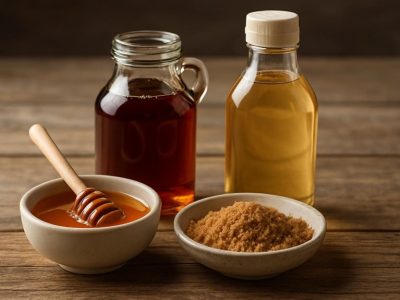
A good maple syrup substitute depends on what you need it for. First, think about the flavor you want. Do you prefer something sweet and caramel-like or lighter and floral? For example, honey or agave syrup can work well if you want a mild, sweet taste. If you want something richer, molasses or brown sugar syrup might be better.
Next, consider any dietary restrictions. If you’re avoiding added sugars or allergens, some options are healthier. For example, maple-flavored syrup made from natural ingredients or fruit purees can be good choices. Be careful with products like corn syrup, which are less healthy but often cheaper.
There are two main ways to pick the best substitute. One, compare the flavor profiles of different options. Two, look at what fits your diet and health needs. For example, if you are vegan, honey might not be suitable, but agave or maple-flavored syrup could work.
Keep in mind that some substitutes may not taste exactly like real maple syrup. Molasses is thick and dark, and it has a strong flavor that might overpower your pancakes. Honey is sweet and smooth but can be sticky and strong-tasting. So, use small amounts first and see how it tastes before pouring it all over your food.
Some people prefer natural options, while others want something cheaper. For example, pure maple syrup is authentic but expensive. On the other hand, pancake syrups with artificial flavors are cheaper but less healthy.
Flavor Profile Considerations
Flavor is the most important part of any syrup. When choosing a substitute, pick one that matches your dish’s flavor without taking over. To do this, focus on these key points:
Flavor differences: Some substitutes taste earthy or caramel-y, while others are fruity or neutral. Pick ones that suit your recipe so the flavors work well together.
Sweetness level: Maple syrup is moderately sweet. Use substitutes with similar sweetness to keep your dish from becoming too sweet or too bland.
Taste staying power: Choose a syrup that keeps its flavor when heated or mixed. This helps make sure your dish tastes the same each time.
If you want the best result, compare options based on these points. For example, honey adds a floral note but is sweeter than maple, so you might need less. Corn syrup is neutral but less flavorful, which works if you want to avoid changing the taste. Remember that some substitutes might not hold up well when heated, so test before using them in a big batch.
Some people prefer natural options like honey or agave because they add unique flavors. Others might choose more neutral syrups like corn syrup for a simple sweetness. Keep in mind that using the wrong substitute can change the dish’s taste or texture. Always start with a small amount and adjust to fit your taste.
In the end, picking the right syrup substitute depends on what flavor you want to highlight and how you plan to cook your dish. Experiment, and see what works best for your recipe.
Dietary Restrictions Impact
Choosing the right substitute for sweeteners depends on your dietary needs. Here are some common needs and options:
If you are vegan, avoid honey because it comes from bees. Instead, choose plant-based sweeteners like agave nectar or date syrup. These work just like honey but are cruelty-free.
For people with gluten sensitivities or celiac disease, most natural sweeteners are safe because they do not contain gluten. Still, always check labels carefully. Some flavored or processed sweeteners might hide gluten ingredients.
If you want to cut down on sugar, try sugar-free options like monk fruit sweetener or erythritol. These taste sweet but don’t have carbs or calories like regular sugar. They are good for controlling weight or blood sugar.
For those on low-carb or keto diets, use substitutes like stevia or allulose. These sweeteners won’t spike your blood sugar levels and are very low in carbs.
Knowing your dietary restrictions helps you pick the best substitute. Think about your health goals and taste preferences. Sometimes, a substitute might not taste exactly like sugar or honey, so you may need to try a few to find what works best for you. Just remember, read labels carefully and be aware that some options may have limitations or drawbacks.
To provide the best experiences, we use technologies like cookies to store and/or access device information. Consenting to these technologies will allow us to process data such as browsing behaviour or unique IDs on this site. Not consenting or withdrawing consent, may adversely affect certain features and functions.
Functional
Always active
The technical storage or access is strictly necessary for the legitimate purpose of enabling the use of a specific service explicitly requested by the subscriber or user, or for the sole purpose of carrying out the transmission of a communication over an electronic communications network.
Preferences
The technical storage or access is necessary for the legitimate purpose of storing preferences that are not requested by the subscriber or user.
Statistics
The technical storage or access that is used exclusively for statistical purposes.The technical storage or access that is used exclusively for anonymous statistical purposes. Without a subpoena, voluntary compliance on the part of your Internet Service Provider, or additional records from a third party, information stored or retrieved for this purpose alone cannot usually be used to identify you.
Marketing
The technical storage or access is required to create user profiles to send advertising, or to track the user on a website or across several websites for similar marketing purposes.