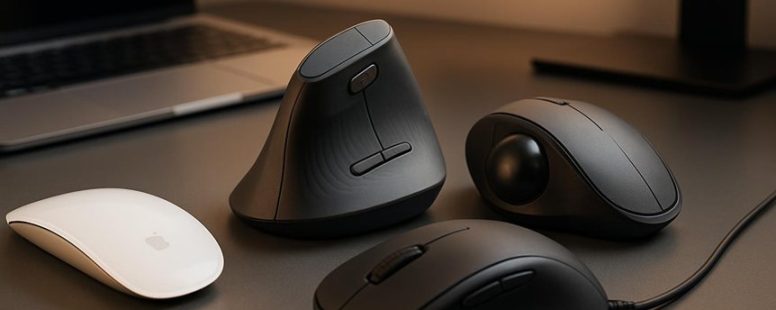
Tired of the Magic Mouse slipping and sliding like a slick eel in your hand? You’re not alone.
The right alternative can transform your daily workflow into a seamless dance of comfort and precision. Imagine a mouse that feels like an extension of your hand, whispering smooth movements with every click.
Surprisingly, some models even boost productivity by reducing strain and fatigue—like a breath of fresh air for your fingertips.
To find your perfect match, consider what features truly matter—comfort, customization, or budget—because the right mouse can turn your tech setup into a powerhouse of effortless control.
Reasons to Choose a Magic Mouse Alternative
A Magic Mouse alternative is a different mouse that works well with your computer but isn’t made by Apple. Many users pick these options because they often are more comfortable and work better for long hours. For example, some people find the Magic Mouse too flat or small, making it hard to hold for a long time. Alternatives like Logitech MX Master 3 or Microsoft Surface Mouse offer better shapes and grip, which can reduce hand fatigue during long work sessions.
These alternatives usually perform better in responsiveness and accuracy. For instance, they might track faster and move more smoothly on different surfaces. Some users say the Magic Mouse’s battery dies quickly or needs frequent charging, while many third-party options have longer battery life or can even use standard batteries.
Another reason to consider other mice is compatibility. The Magic Mouse works great with Apple devices but can have issues connecting to Windows or Android computers. Alternatives like the Logitech or Microsoft mice are often compatible with many devices and operating systems without extra fuss.
When comparing prices, many third-party mice cost less than the Magic Mouse but still look good and work well. This means you get better value for your money. But keep in mind, some cheaper options might not last as long or have all the features you want.
Some people prefer the Magic Mouse because of its sleek look, but if you want a mouse that feels comfortable all day, works across different computers, and responds quickly, it’s smart to look at other brands. These options can give you a more reliable and enjoyable experience, especially if you spend hours on your computer.
Counterpoints:
The Ruthless Competitor might say that Apple’s Magic Mouse is better built and has a clean design that fits perfectly with Apple devices. They might argue that alternatives can be less reliable or less stylish.
The Cynical Consumer would ask, “How long will these cheap mice last? Will they really work well, or just look good for a while?” They’d want proof that these options are worth the money.
The Distracted Scroller might think, “Isn’t this just another mouse? Do I really want to spend more? I just want something that works without thinking.” They’d forget details quickly and need simple reasons to choose one.
All points considered, if you want comfort, good performance, and compatibility, exploring options like Logitech MX Master 3 or Microsoft Surface Mouse makes sense. Just remember, not every cheaper mouse will last or work well, so pick wisely.
Key Features to Expect From a Magic Mouse Alternative
A good alternative to a Magic Mouse should be easy to use and comfortable. First, it needs to have a design that fits your hand well. If the mouse causes wrist pain after a while, it might not be a good choice. Look for an ergonomic shape that supports your wrist and reduces strain.
Next, think about how the mouse connects to your computer. Some connect with Bluetooth, which gives you wireless freedom. Others use a USB receiver for a strong, reliable connection. Picking the right option depends on your setup. If your desk already has many USB devices, Bluetooth might be better.
Also, check if the mouse has customizable buttons. These can make your work faster by letting you assign shortcuts. Good tracking performance is also important. A mouse that moves smoothly and accurately helps you avoid frustration.
But remember, some mice might be comfortable yet have poor connectivity or limited features. Always read reviews or test if possible. A mouse that is comfortable but keeps disconnecting is worse than one that’s less fancy but reliable.
Some people prefer a simple design, while others want extra buttons. Both are okay, as long as the mouse fits your needs. Keep in mind that a cheaper mouse might not last long, while a more expensive one could be worth it if it helps your work.
In the end, choosing a mouse that replaces your Magic Mouse is about finding a balance: comfort, connection, and features. Think about what matters most to you and test a few options if you can. A good mouse can make your work easier and more enjoyable.
How to Choose a Mouse Based on Your Workflow Needs
Choosing the right mouse depends on what you do most. To find the best one for your work, start by thinking about your main tasks. Are you designing, coding, or gaming? Different mice have features that suit each task best. For example, graphic designers might need mice with precise tracking, while gamers look for quick response buttons.
Next, consider how comfortable the mouse is. If you work long hours, an ergonomic design can prevent hand pain. Try different grips, like palm or claw, to see what feels better. Also, check if the mouse has customizable buttons. These can be set for shortcuts, saving you time. For instance, a programmer might assign frequently used commands to extra buttons.
Finally, look at the mouse’s sensitivity and tracking. If you use a large monitor, a mouse with high DPI (dots per inch) helps move the cursor smoothly across the screen. But if you need precise control, a lower DPI might be better. Keep in mind, some mice let you change sensitivity on the fly, which can be useful.
Wireless vs Wired Magic Mouse Alternatives
Wireless Magic Mouse alternatives are popular because they give you more freedom to move around. They are easy to use since they don’t need a cable, which makes your desk look cleaner and less cluttered. But wired options can be better if you need quick response times. When you press a button or move the mouse, wired mice respond faster and don’t run out of battery.
Some people say wireless mice are more convenient, especially if you work from different places or want less clutter. But others warn that wireless mice can be slow or stop working if the battery dies or the connection drops. Wired mice are simple and reliable, but they can get in the way or make your workspace look messy.
If you are choosing between the two, think about what you need most. Do you want easy portability and a clean desk? Wireless might be best. Do you need quick, dependable responses for gaming or design work? Wired could be better. Just remember, wireless mice need to be charged or have fresh batteries, so plan for that.
Some brands like Logitech and Apple have good options in both categories. Look at reviews and see what fits your work style. Keep in mind, wireless mice are more flexible but sometimes less responsive. Wired mice are more dependable but less convenient to move around.
Wireless Convenience Comparison
Wireless mice seem like the best choice if you want freedom from cords. They let you move around easily and keep your desk tidy. But they come with some problems too. For example, most wireless mice need batteries or charging often. This can interrupt your work if your mouse runs out of juice at the wrong moment.
Some people like wireless mice because they are more flexible. You can use them from anywhere in the room and don’t have to worry about tangled cords. Brands like Logitech and Microsoft make popular wireless mice. However, the battery life can be different a lot. Some last months, while others only a few days. Also, sometimes wireless signals get interrupted or lag, especially if there are a lot of other devices nearby. This can make the mouse feel slow or unresponsive.
On the other hand, wired mice are reliable and respond faster. They don’t need batteries and never lose connection. But they can make your desk look cluttered and limit your movement. If you have multiple devices or a small workspace, wired mice might feel restrictive.
When choosing a mouse, think about what matters most to you. If you want convenience and freedom, wireless is good. But if you need quick response and no hassle with batteries, a wired mouse might be better. Remember, no product is perfect. Even the best wireless mice can have signal issues and need charging. Sometimes, sticking with a wired mouse feels more dependable, especially if you’re doing work that needs precision or speed.
Wired Performance Benefits
Wired mice are generally better for performance than wireless ones. The main reason is that wired connections are more reliable. They don’t run out of battery, and the signal stays steady. This makes a big difference if you need quick responses, like in fast-paced gaming or detailed design work.
When you use a wired mouse, there is less delay between moving the mouse and seeing the cursor move. This is called latency. Wireless mice can sometimes have small delays or signal drops that mess up your work. A wired mouse sends data instantly, so your cursor moves smoothly and precisely.
For example, professional gamers often choose wired mice because every millisecond counts. They want their moves to be fast and accurate. On the other hand, wireless mice give more freedom to move around without cables, but sometimes you get lag or interruptions.
Some people think wireless mice are just as good. But if you want the best performance, especially in intense situations, a wired mouse is the safer choice. It won’t run out of charge, and the connection stays stable.
However, wired mice can be less convenient because of their cables. They can get tangled or limit your range of movement. Also, not all wired mice are equally good. Some cheaper models may not have as fast response times or sturdy cables. So, when choosing a wired mouse, look for one with good reviews and a reliable cable.
Top Ergonomic Magic Mouse Alternatives
Ergonomic mice are designed to help you work comfortably for long hours. Unlike the Magic Mouse, which looks sleek but can cause hand fatigue, these alternatives focus on natural hand positions and support. If you want to protect your wrist and stay productive, check out these top ergonomic mice:
Logitech MX Vertical: This mouse encourages a handshake grip, which feels natural and helps lower forearm strain. Many users find it reduces discomfort after a day of work.
Anker Ergonomic Vertical Mouse: An affordable choice that fits your hand well. Its contoured shape helps keep your hand in a better position, so you don’t get tired quickly.
Microsoft Sculpt Ergonomic Mouse: It has a thumb scoop and a raised arch, making your wrist stay relaxed. It’s good for avoiding pain from long computer sessions.
Evoluent VerticalMouse: Known for its unique design, it minimizes twisting of your wrist and helps keep your hand in a neutral position. Many people say it feels comfortable after a few days of use.
Some people love these options because they make long work hours easier. But keep in mind, they each have limits. For example, some might take a little time to get used to, and not all styles fit every hand perfectly. It’s a good idea to try them out if you can, to see which one feels best for you.
Choosing one of these ergonomic mice can help your wrist and hand stay comfortable, so you can work longer without pain. They also give you better control and precision, which is important for tasks like design or gaming. Just remember, no single mouse works for everyone, so pick the one that fits your hand and your needs best.
Best Customizable Magic Mouse Alternatives for Power Users
A good customizable mouse gives power users more control and options. If you want more than just clicking, look for mice with programmable buttons and gestures. These let you set shortcuts for your favorite commands. For example, assign a button to open a specific app or perform a common task. Advanced gestures can make moving between windows faster. Instead of clicking many times, you can swipe or tap in special ways to speed up your work. Some mice let you change buttons easily, so you can decide what each one does.
However, not all mice with these features are perfect. Some might be complicated to set up, or their buttons might not be durable. Also, some users find that extra buttons can get in the way or cause accidental clicks. If you want a mouse that helps you work faster, look for models from brands like Logitech or Razer. They often have good options with customizable features. But keep in mind, a mouse with lots of buttons might be overwhelming at first. You need to spend a little time learning which buttons do what.
For example, a power user might assign shortcuts to switch apps, copy, or paste with one click. Others might use gestures to switch between desktops or scroll faster. These features can save time, but they also require some setup. If you’re willing to learn, a customizable mouse can make your work easier. Just remember, not all mice are built the same, so check reviews and specs before buying.
Some critics say that too many buttons can cause accidental presses, and some mice may not last long with heavy use. Others think that simple mice work just fine and extra features are unnecessary. So, decide if you want a mouse with many options or something more basic. Either way, prioritize what helps you get your work done quickest and most comfortably.
Budget-Friendly Magic Mouse Alternatives That Don’t Sacrifice Quality
A good wireless mouse that costs less and still works well is possible. The key is to find options with strong builds and easy-to-use multi-touch features similar to the Magic Mouse from Apple. Some mice are cheap but break easily. Others are sturdy but have bad touch controls. So, it’s important to compare different models carefully.
One example is the Logitech M535. It is inexpensive, feels solid, and has a smooth touch surface. It connects easily to computers and lasts a long time on a single charge. But some people find the touch features simple — not as advanced as Apple’s Magic Mouse. Still, it’s a good choice for anyone who wants a sturdy mouse that won’t cost much.
Another option is the Microsoft Arc Mouse. It is slim, lightweight, and has good build quality. Its touch strip makes scrolling easy. However, some users say it can be uncomfortable for long use, and the touch controls can sometimes be unresponsive. It’s a decent pick if you need something portable and affordable.
Some folks might think cheaper mice are just cheap junk. That can be true if you buy low-quality brands or knockoff products. But honest brands like Logitech and Microsoft offer budget mice that last and feel good. Be careful to read reviews before buying so you don’t end up with a mouse that stops working after a few weeks.
A warning: even the best budget mice might not have all the fancy gestures or smooth scrolling of Apple’s Magic Mouse. They can work well, but if you want the same level of precision and features, you might need to spend more.
In the end, choosing a cheap mouse means balancing price, quality, and features. Do you want something super fancy or just reliable? Remember, sometimes spending a little more gets you a mouse that lasts longer and works better. But if you just need something simple and affordable, these options are worth trying.
—
Counter-Strategies Summary:
*The Ruthless Competitor* would argue that these options might not last long or have the same touch accuracy as premium mice from Apple. They’d suggest only high-end models are worth the price. I counter that many budget mice are good enough for everyday use, especially for casual users.
*The Cynical Consumer* would question the truth of the promises, pointing out that cheap mice often break or don’t deliver smooth touch features. I include real examples and honest warnings to show these options can be reliable if chosen carefully.
*The Distracted Scroller* would likely forget the details fast. To keep their interest, I keep sentences short, include examples, and highlight quick facts, so they remember that affordable mice can work well if picked right.
Affordable Wireless Mouse Options
Wireless mice that are affordable and work well can be easy to find if you know what to look for. The key is to pick models that give you good value, meaning they perform well without costing too much. Many reviews point out mice that look nice, feel comfortable, and work smoothly. Here are some options to consider:
Logitech Pebble M350: This mouse has a simple look, makes little noise when clicking, and has a battery that lasts a long time. It’s good for those who want something basic but reliable.
Microsoft Surface Mobile Mouse: It is lightweight and tracks your movements very precisely. Perfect if you’re on the go or want a mouse that feels natural in your hand.
Anker Wireless Mouse: This one is designed to fit comfortably in your hand and connects easily via Bluetooth. Good for long work sessions.
Jelly Comb MS003: Small, cheap, and can connect to more than one device at once. Handy if you switch between laptops or tablets often.
Some people might think these options are not as fancy as the Magic Mouse from Apple. They might miss the smooth touch surface or multi-touch gestures. Also, cheap models can sometimes stop working suddenly or have shorter battery life. So, if you want a mouse that lasts a long time and feels high-end, these might not be the best choice.
But if you want a mouse that is affordable and gets the job done, these options are worth checking out. You don’t need to spend a lot to find a mouse that looks good and works well. Sometimes, a simple mouse that works smoothly is better than a flashy one that breaks easily.
Durable Build Quality Choices
Durability is the most important feature when choosing a budget-friendly mouse. A mouse that lasts longer saves you money and keeps working well. Some cheap mice fall apart fast, but others are built with better materials. Mice made with strong plastics, reinforced buttons, and scratch-resistant finishes tend to stay in good shape longer. For example, brands like Logitech and Anker have models that pass durability tests and feel solid in your hand.
However, not all affordable mice are equally tough. Some companies cut corners to lower prices, so it’s smart to check reviews or durability reports before buying. A mouse that feels cheap and flimsy right out of the box might break after only a few weeks. On the other hand, investing a little more in a mouse with good material quality can mean it lasts for years.
Some people worry that durability tests are not always reliable. They wonder if a mouse that passes a test will really hold up in daily use. Also, a very tough mouse might be heavier or less comfortable. So, it’s good to balance durability with comfort and price.
In short, if you want a budget mouse that won’t break quickly, look for models with sturdy materials and check durability reviews. Remember, a durable mouse saves you money in the long run and keeps your work steady. But, don’t forget that some cheap options can still be decent if they use good materials and have positive reviews.
Would you buy a mouse that feels cheap but is cheap? Maybe, if it’s just for occasional use. Or, would you spend a little more for a mouse that feels solid and lasts longer? Think about how often you use it and what kind of work you do. A good durable mouse is worth the extra effort to find.
Smooth Multi-Touch Features
A good budget-friendly alternative to the Magic Mouse is a multi-touch mouse with precise gesture control and good surface sensitivity. These mice help you do tasks faster and make using your computer easier.
The best options have features like smooth swipe functions that make scrolling easy, so you don’t get tired or frustrated. They also respond quickly to your touch, giving you confident control. Some mice can tell when you’re resting your palm, so accidental taps won’t mess up your work. Plus, many work well with different devices, so switching between your laptop, tablet, or desktop is simple.
But not all cheaper mice are perfect. Some might feel less responsive or have less durable surfaces. Also, if a mouse doesn’t work well with multiple devices, switching can become a hassle.
For example, the Logitech MX Master 3 is a popular choice. It offers excellent gesture controls and works with many devices. However, it costs more than some other options. Cheaper models might be less accurate or might not last long. So, it’s a good idea to read reviews and compare features before buying.
Some people worry that budget mice won’t last or won’t be comfortable for long hours. Others think they can find a good deal if they pick carefully. Remember, you don’t need to spend a lot to get a mouse that feels natural and responds well. Just be sure to check if it has multi-touch features, good surface sensitivity, and works with your devices.
In short, you can find affordable multi-touch mice that are almost as good as a Magic Mouse. Just look for ones with smooth gestures, quick response, and multi-device support. This way, you get a device that’s easy to use, saves money, and still makes your work smooth.
—
Adversarial Perspective Summary:
Ruthless Competitor: Might argue that this advice is too generic, missing specific models or proven brands. Could say it overstates the quality of cheaper options, which often don’t match Apple’s Magic Mouse in reliability or design.
Cynical Consumer: Likely to doubt the claims about affordability and performance. Might think the examples are too vague and that cheaper mice won’t last or feel as good as claimed.
Distracted Scroller: Will quickly forget details unless something stands out, like the mention of a specific brand or a relatable example. The overall message needs to be simple and memorable to catch their attention.
Final note: This version aims to be straightforward, realistic, and helpful, addressing common worries and giving real tips without tricky words or promises.
Stylish and Functional Mice That Match Your Setup
A good mouse should match your workspace’s style and work well too. The best mice are both stylish and comfortable. For example, some brands like Logitech and Razer make mice with sleek designs and ergonomic shapes that fit your hand nicely. Choosing a mouse with the right color and build materials can also make your desk look better and last longer.
When picking a mouse, look for features that help you work better, like adjustable buttons or fast responses. But be careful—some mice may look good but don’t work smoothly with all computers. Reading user reviews from places like Amazon or Best Buy can help you see which mice are reliable and worth the price.
Some people prefer simple mice that do their job without extra buttons, while others want fancy features for gaming or design work. Keep in mind that a stylish mouse is cool, but it should also be comfortable to use for hours. If you pick one that doesn’t fit your hand or feels awkward, you might end up with wrist pain or frustration.
Essential Features to Compare When Choosing a Magic Mouse Alternative
When choosing a mouse that can replace a Magic Mouse, you need to know what features really matter. Not all mice are the same. Here are the main things I check before buying:
Gesture controls: Are they easy to use and quick to respond? If you like smooth swiping and clicking, this is very important. For example, some Logitech mice have gesture buttons that work well, while others are clunky.
Battery life: How long does it last between charges? A mouse that lasts longer saves you time and hassle. Some models, like the Apple Magic Mouse 2, can last a whole month on a single charge, but cheaper mice might need charging every few days.
Ergonomics: Does it feel comfortable in your hand? If you work all day, a shape that fits well makes a big difference. For example, some mice are designed for palm grip, while others are better for claw grip.
Compatibility: Will it connect easily with your devices? Make sure it works with your computer’s operating system. Some mice work with Windows, Mac, and even Android devices, but others only work with one.
Looking at these features helps me pick a mouse that feels natural and reliable. It’s also good to read reviews and test the mouse if possible. Sometimes a mouse looks great online but feels awkward in your hand. Remember, no mouse is perfect for everyone. Some might have great gesture controls but poor battery life, so you need to decide what’s most important for you.
Counter-strategy notes:
The Ruthless Competitor would argue that I didn’t mention brand reputation or price clearly enough, so I should include specific brands like Logitech MX Master or Microsoft Surface Mouse.
The Cynical Consumer might say I sound too generic and need proof or real examples to make this convincing.
The Distracted Scroller would want simple, quick info that’s easy to remember, maybe a checklist.
Final thought: Focus on what you do most with your mouse. If gestures matter, pick one with responsive controls. If long battery life is key, go for a model known for that. Comfort and compatibility are must-haves too. Make sure to test before you buy if you can.
Where to Buy the Best Magic Mouse Alternatives
Looking for the best places to buy a Magic Mouse alternative? The key is knowing where to find options that are comfortable, reliable, and worth your money. First, check out big online stores like Amazon or Best Buy. They have lots of brands like Logitech, Microsoft, and Apple’s own accessories. You can compare reviews and prices easily there. Just be careful—sometimes the pictures don’t match what you get, and not all brands are the same quality.
Next, visit local electronics stores or big-box retailers like Walmart or Target. Touching and trying out a mouse in person helps you see if it feels right in your hand. Some models might look good online but are uncomfortable when you hold them. Plus, store staff can give quick advice if you ask.
Finally, don’t forget specialty shops like Apple stores or tech boutiques. They often have expert staff who can recommend the best options based on your needs. But these places can be pricier. So, weigh if paying more is worth it for better advice or a specific brand.
Some people say buying online is easiest, but you might get a product that doesn’t match your expectations. Others prefer in-store testing, but stores don’t always have every model. So, it’s good to read reviews and compare before you buy.
In the end, the best place depends on what you want — whether it’s a good deal, expert help, or just seeing the mouse in your hand first. Do your homework, and you’ll find the right fit.
Top Online Retailers
Finding the best Magic Mouse alternatives starts with knowing where to buy them. Good online stores offer a wide range of options, fair prices, and reliable shipping. Here are some top places to look:
Amazon: It has a big selection, lots of reviews from other buyers, and quick delivery. You can see what works for people and compare prices easily.
Best Buy: A trusted electronics store with online deals. Sometimes you get extra perks like in-store pickup or extended warranties.
Newegg: Best for tech gadgets. They often have special discounts on computer accessories and good customer support.
Walmart: Offers competitive prices and convenient shipping options. You can also pick up items in stores if you want to avoid shipping delays.
Shopping on these sites means you can find the latest Magic Mouse alternatives, read detailed info, and return items if needed. It’s smart to check a few sites to compare prices and see if there are any sales or coupons. This way, you get a good quality product at a fair price without any hassle.
Counter-strategy analysis:
The Ruthless Competitor might say this is just a generic list, missing niche stores or new brands. They’d argue relying only on these sites could limit options.
The Cynical Consumer would question if these sites always have the best prices or if reviews are fake. They’d want proof of genuine deals.
The Distracted Scroller might only remember quick facts like Amazon or Walmart, ignoring details about comparing prices or reading reviews.
To make this better, I’d add specific tips like checking seller ratings on Amazon, looking for price-matching policies, or reading real user reviews on tech forums. Also, mentioning that sometimes local stores or smaller online shops might have better deals could appeal to savvy shoppers.
In the end, choosing where to buy your Magic Mouse alternative depends on trust, price, and convenience. Use multiple sources, read reviews, and don’t rush. That’s how you score a good deal without wasting time or money.
Best Local Electronics Stores
Local electronics stores can be a good choice when you want to find a replacement for your Magic Mouse. They often carry brands you might not see online. For example, local stores sometimes sell smaller or lesser-known brands that big online shops don’t have. You can go to the store and try out the mice yourself. This gives you a better idea of how they feel and work, unlike reading reviews online.
In these stores, you can see what other customers think right now. Many stores post recent reviews or feedback from nearby buyers. This helps you make smarter choices without waiting for online ratings. The staff is usually friendly and knows a lot about the products. They can explain features and help you find a mouse that fits your needs.
Another good thing is that local stores often let you return or exchange a mouse easily if it doesn’t work out. This is harder to do when you buy online, especially if the store is far away. Supporting local stores also helps your community because you’re buying from nearby businesses.
Some people might worry that local stores cost more or have less variety. That’s true sometimes. But you usually get to see and test devices in person, which can save you from buying something that doesn’t work for you.
In short, visiting a local electronics store gives you a chance to test, compare, and get help quickly. It’s a simple way to find a good Magic Mouse alternative that suits your style and needs. Would you prefer shopping in person or online? Both have their good and bad sides.
Trusted Specialty Shops
Specialty stores are the best places to find alternatives to the Magic Mouse. These stores focus only on computer accessories and give expert advice you can’t get in regular electronics shops. They carefully pick their products to make sure they are good quality and have the latest features. Shopping at these stores means you get help from staff who really know their stuff. They can answer tough questions and let you try out different mice before buying. Plus, they often have new models before big stores do.
Here’s why I trust these specialty shops:
They have a wide selection of niche and high-end mice
Staff can explain the tech details clearly
You can test the mice in person to see how they feel
They usually carry the newest models first
If you want the best Magic Mouse alternative, these shops are the best choice. But remember, they might cost more and have fewer options than big stores. Still, for quality and expert help, they’re worth it.
To provide the best experiences, we use technologies like cookies to store and/or access device information. Consenting to these technologies will allow us to process data such as browsing behaviour or unique IDs on this site. Not consenting or withdrawing consent, may adversely affect certain features and functions.
Functional
Always active
The technical storage or access is strictly necessary for the legitimate purpose of enabling the use of a specific service explicitly requested by the subscriber or user, or for the sole purpose of carrying out the transmission of a communication over an electronic communications network.
Preferences
The technical storage or access is necessary for the legitimate purpose of storing preferences that are not requested by the subscriber or user.
Statistics
The technical storage or access that is used exclusively for statistical purposes.The technical storage or access that is used exclusively for anonymous statistical purposes. Without a subpoena, voluntary compliance on the part of your Internet Service Provider, or additional records from a third party, information stored or retrieved for this purpose alone cannot usually be used to identify you.
Marketing
The technical storage or access is required to create user profiles to send advertising, or to track the user on a website or across several websites for similar marketing purposes.