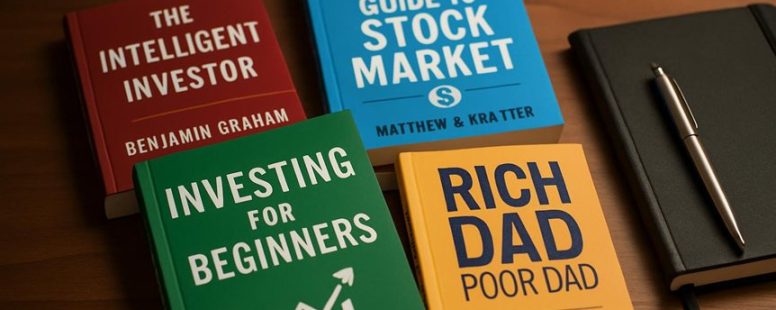
Best Investing for Beginners Books
Starting your investment journey can feel like stepping into a maze blindfolded. Bright ideas and intimidating jargon swirl around like a storm, making it hard to find your footing.
The right beginner book acts as a guiding light—breaking down complex concepts into approachable, bite-sized insights you can grasp easily. Imagine turning a tangled web of financial noise into a clear map that reveals practical steps you can take today.
Surprisingly, some of these books not only teach you the basics but also unlock a hidden advantage: building confidence that transforms uncertainty into opportunity.
Choosing the perfect guide can turn your first investment steps from a daunting leap into a confident stride.
What to Look for in Investing Books for Beginners
When you start investing, it’s key to find the right books. The best beginner books explain money and investing ideas clearly. They avoid confusing words or complicated theories. Instead, they focus on teaching you how to think about your money and risks in simple ways. For example, a good book might show you how to decide whether to buy stocks or bonds without confusing math or technical language.
Look for books that give practical advice you can use right away. They should help you make smart decisions instead of just throwing numbers at you. Some books try to teach every detail, but that can be overwhelming. The right book should build your confidence step by step. It should tell you how to avoid common mistakes and make better choices.
Two points to keep in mind: First, some books might go too deep into theories that don’t matter for beginners. Second, a good book should be easy to understand and focus on real-life tips. If a book makes you feel lost or confused, it’s probably not the right one.
In the end, look for clear explanations and advice that you can use. That’s how you grow your investing skills and learn to make smart money choices.
Investing Books on Stock Market Basics
Knowing the basics of the stock market is the first step to becoming a good investor. Stocks are parts of companies that you can buy. When the company does well, your stock may go up in value. Dividends are payments some companies give to shareholders. Market indexes like the S&P 500 show how the overall market is doing. Understanding these ideas helps you make smarter choices.
Many beginner books explain these topics clearly. They use simple words so you won’t get confused when reading news or reports about stocks. For example, some books teach you what a stock ticker is or how to read a company’s financial report. Building a basic knowledge of these terms helps you avoid mistakes and makes investing less risky.
Some books also share easy strategies to start investing. They show you how to put together a basic portfolio that matches your goals and how much risk you are willing to take. Remember, investing is a long-term game. It’s better to learn the rules first instead of rushing into buying stocks without understanding them.
If you want to make smarter investments, begin with books that explain the language and main ideas of the stock market. Knowing the basics gives you confidence. It’s like learning the rules of a new game before playing. That way, you’re more likely to succeed and less likely to lose money.
Investing Books on Bonds and Fixed Income
Bonds and fixed income investments are a way to get steady returns with less risk than stocks. They’re like the slow and steady tortoise in investing. When I started learning about investing, I found that understanding how bonds work was very helpful. It showed me how bonds are priced, what makes them risky or safe, and how they fit into a balanced portfolio.
If you want to get better at investing in bonds, I suggest reading books that explain fixed income strategies in simple terms. These books teach you how to pick the right bonds, how to deal with interest rate changes, and how to spread your money across different bonds. For example, some books compare government bonds to corporate bonds, helping you decide what suits your goals.
Some people worry that bonds don’t pay much or that interest rates can change and hurt their returns. It’s true that bonds can lose value if rates go up. But they also can give you a reliable income stream, like getting a paycheck every few months.
Two popular books I recommend are “The Bond Book” by Annette Thau and “Fixed Income Securities” by Bruce Tuckman. They explain bonds clearly and show how to build a safe and smart fixed income portfolio. Keep in mind that bonds aren’t perfect—they might not grow your money as fast as stocks, and there’s always some risk. But for many investors, bonds are a good way to keep things steady.
Books on Managing Investment Risk and Diversification
Investing means putting your money into things that can grow over time. One important fact is that all investments have some risk, or the chance you could lose money. Knowing about different types of risk helps you protect your savings.
Books that teach about managing risk and spreading your investments can really help. They show you how to make a plan to avoid big losses while still aiming for good growth. For example, some books compare strategies, explaining which ones work best for beginners and which are better for experienced investors.
If you want to understand how to keep your money safe, look for books that give clear steps. They might tell you to start by knowing what kinds of risk exist, like market risk or company risk. Then, they show how to balance your investments. For instance, you could put some money in stocks, some in bonds, and some in real estate. This is called diversification, and it helps prevent big losses if one part of your investments drops.
Another important point is that no strategy is perfect. Some books warn that even with good planning, risks still exist. For example, during a financial crisis, even well-diversified portfolios can lose value. So, it’s smart to keep learning and adjusting your plan as your needs change.
Understanding Risk Types
Understanding Risk Types
Knowing different types of risk is key before you invest your money. If you understand the risks, you can make smarter choices. Here are four main types of risk you should know:
- Market Risk. This is the chance that your investments lose value because of changes in the stock market or economy. For example, during a recession, stock prices often fall, which can hurt your savings.
- Credit Risk. This is the risk that a borrower will not pay back what they owe. When you buy bonds or lend money, there’s a chance the borrower defaults. For example, if you lend money to a company that goes bankrupt, you might lose your investment.
- Liquidity Risk. This is the risk that you can’t sell an asset quickly without losing money. Imagine trying to sell a house in a slow market. It could take a long time and you might have to accept less money.
- Inflation Risk. This happens when inflation grows faster than your investment returns. If prices rise quickly but your investments stay the same, your money loses buying power. For example, if inflation is 4 percent but your savings earn only 2 percent, you actually lose money over time.
To get started, reading books or articles that explain these risks clearly can help. Some good resources include Investopedia and financial blogs from experts. Knowing these risks helps you avoid big surprises and protect your money over the long run. Remember, not understanding risk can lead to big mistakes, so take the time to learn.
Counterpoint from Competitors: Some might say, “Isn’t all investing risky? Why bother learning about each risk?” The truth is, understanding specific risks lets you decide how much to worry about each one. It’s not about avoiding all risk but managing it smartly.
From the Cynical Consumer: This all sounds good, but how do I really know I won’t lose everything? Nobody can guarantee safety. Risks are part of investing. The key is to know what could go wrong and prepare for it.
From the Distracted Scroller: Looks pretty long. Will I remember all this? Short, simple facts work better. Focus on the main point: knowing risks helps keep your money safe. If you’re just scrolling, remember this: learn the risks, and you’ll avoid big mistakes later.
Principles of Diversification
Understanding what diversification is can help you manage investment risks better. Diversification means spreading your money across different kinds of investments. This way, if one investment loses value, others might do well and balance things out. For example, putting money in stocks, bonds, and real estate can protect you from big losses if the stock market drops.
Some people think diversification is just about owning many different stocks. But it’s more than that. It’s also about choosing different sectors like healthcare, technology, or energy. This reduces the chance that all your investments will fall at the same time. For example, if oil prices fall, your energy stocks might drop, but your healthcare stocks could stay steady or grow.
Another way to diversify is by investing in different places around the world. This is called global investing. It helps because markets in other countries might grow when your local market is slow. Think of it like not putting all your eggs in one basket.
Rebalancing your portfolio is also part of good diversification. This means checking your investments regularly and adjusting them so no single type of investment becomes too big. For instance, if stocks grow too much, you might sell some to keep your plan on track. This keeps your risk level in control.
Some people say diversification can limit gains if most of your investments do well. Others warn that it might be hard to know how much to keep in each sector or country. Still, many successful investors use diversification to avoid losing everything at once.
In simple words, diversification is a way to protect your money while still giving it a chance to grow. It’s like not putting all your eggs in one basket. But remember, it’s not a guarantee against losses. You still need to watch your investments and recheck your plan regularly.
Beginner Books on Financial Planning and Budgeting
A good way to start managing your money is by understanding basic financial planning and budgeting. These are simple steps that help you know where your money is going and how to save more.
First, financial planning is a way to set goals for your money. It helps you decide how much to save, spend, and invest. Budgeting is part of that plan. It means making a clear plan for your income and expenses. For example, you might decide to spend less on eating out so you can save for a new car or college.
There are many beginner books that explain these ideas in simple words. Some of the best books compare different methods of budgeting, like the 50/30/20 rule, which suggests dividing your income into needs, wants, and savings. Others give step-by-step guides on how to create your first budget.
If you want to start with a budget, here are easy steps: First, list all your sources of income. Next, write down your monthly expenses, like rent, groceries, and fun. Then, see if you’re spending more than you earn. If you are, find where you can cut back. Finally, set a small savings goal each month and stick to it.
Keep in mind, some people find these books helpful, but others might think they are too simple or not detailed enough. Also, your financial situation is unique, so what works for one person might not work for you. Always be cautious of quick fixes that promise big money in short time. Real financial planning takes time and effort.
If you’re new to this, books like “The Total Money Makeover” by Dave Ramsey or “Your Money or Your Life” by Vicki Robin are popular choices. They offer easy advice and real examples. Just remember, no book can replace doing your own homework and adjusting your plan as you go.
Essential Budgeting Strategies
Budgeting is the first step to good investing. It helps you control your money early so you don’t have problems later. When I started, I learned that simple budgeting tips made saving easier and kept me aware of where my money went. Here’s what I think are the most important:
- Track every expense so you see exactly how much you spend. For example, keep a notebook or use apps like Mint or YNAB to record every dollar.
- Set a realistic limit for your monthly spending based on how much you earn. Don’t try to cut everything; just be fair to yourself.
- Focus on saving for an emergency fund before putting lots of money into investments. An emergency fund can cover unexpected costs like car repairs or medical bills.
- Automate your savings so it’s automatic and steady. You can set up your bank to transfer a small amount into your savings each month, making it easy to save without thinking about it.
Some people say budgeting is boring, but it’s really just a plan to make your money work better for you. Others warn that even the best plan can fail if you don’t stick to it. So, keep checking your progress and adjust when needed. Would you believe that millions of Americans use apps to help budget? That shows it can be simple if you use the right tools.
But remember, budgeting isn’t just about saving money. It also helps you see where your money is going so you can make smarter choices. Sometimes, people get overwhelmed and give up, so start small. Even writing down your expenses for a week can give you a good idea of your habits.
In the end, good budgeting is like taking care of a garden. You need to plant the seeds, water them, and watch them grow. If you do it right, it can make your money grow too. Just don’t forget to adjust your plan as your life changes.
Financial Planning Fundamentals
Having a clear budget is the first step in managing your money well. Once you know how much you make and spend, the next thing to do is create a simple financial plan. This plan shows where your money should go to reach your goals, like saving for a house or retirement.
A good financial plan starts with understanding your goals. For example, do you want to buy a car in three years or save for your child’s college? Knowing this helps you decide how much risk you can take with your investments. If you plan to buy something soon, you might want safer investments. If your goal is many years away, you can take more risks to grow your money faster.
Financial books and tools can help you pick investments that match your timeline and comfort with risk. They also teach you about saving on taxes or planning for retirement. Watching the news about the economy can help you know when to change your plan.
Some people like to use apps or websites like Mint or Personal Capital to keep track of their money. These tools can show you your progress and remind you when to save more. But remember, no plan is perfect. Market ups and downs can surprise you. It’s good to review your plan once a year and make changes if needed.
Building a simple, clear plan helps your money work for your future. But be careful — not every plan or advice is right for everyone. Do your research, ask questions, and don’t rush. Good planning takes time, but it makes your goals easier to reach.
Building a Spending Plan
A good spending plan helps you control your money instead of letting money control you. It starts with understanding how you spend your money and using simple tools like apps or spreadsheets to keep track of every dollar. This makes it easier to see where your money goes and helps you stick to your goals.
Here are some steps to build a strong spending plan:
- Track your expenses every day. For example, write down your coffee, snacks, or online shopping. This shows you what leaks your money and helps you stop wasting it.
- Set clear financial goals. Decide how much you want to save for emergencies, a new car, or a trip. Prioritize saving money so you can reach these goals faster.
- Choose budgeting tools that fit you. Some like apps like Mint or YNAB, while others prefer spreadsheets. Pick what makes it easy for you to stay on top of your money.
- Review your plan every month. Check if you are sticking to your budget and adjust if needed. If you get a raise or pay off debt, update your goals.
Some people think budgeting is boring or restrictive. But if you use these steps, budgeting can become a helpful tool to reach your dreams faster. Remember, building a spending plan takes time, and it’s okay to make mistakes along the way. The key is to keep working at it so your money works for you, not against you.
Books on Behavioral Finance for New Investors
Behavioral finance explains how investors sometimes make wrong decisions even if they are smart. This happens because of biases in thinking and feelings that mess with judgment. For example, fear and greed can make people see risks differently, leading to mistakes that cost money. Books on behavioral finance teach you what influences investor behavior and how market psychology works. They also show how to recognize when your mind is tricking you.
These books aren’t just about theory. They give ideas on how to stay calm and make better choices. For instance, they might suggest setting rules for investing or taking a moment to think before acting. Knowing these tricks can help you avoid common pitfalls. If you want to be a confident investor, understanding these ideas is key.
Some books compare different biases or explain how emotions take over during market ups and downs. They can warn you about common mistakes like selling too early or holding on too long. But remember, not all advice works for everyone. Some strategies might not fit your personal style or risk level. So, it’s good to learn from multiple sources and test what works for you.
In short, books on behavioral finance help you spot and control your biases. This can make your investment choices smarter and help you stay calm during market swings. But always check the facts and be careful — not every tip works for everyone.
Investing Books on ETFs and Mutual Funds
ETFs and mutual funds are both ways to invest your money, but they work differently. Knowing what sets them apart helps you make better choices for your portfolio.
First, ETFs are traded like stocks. You can buy and sell them anytime during market hours, just like Apple or Google shares. This gives you flexibility and often lower fees. For example, if you want to quickly take advantage of market changes, ETFs make that easy.
Mutual funds, on the other hand, are bought and sold at the end of each day at a price set by the fund company. They are good if you want automatic reinvestment or professional management. For example, if you prefer a set-it-and-forget-it approach, mutual funds can be helpful.
Another key difference is costs. ETFs usually have lower expense ratios, meaning they charge less annually. They are also more tax-efficient because of how they are structured, which can boost your returns over time. But keep in mind that trading ETFs might cost you a few dollars per transaction, so frequent trading can add up.
Choosing between ETFs and mutual funds depends on your goals. If you want quick trades and lower costs, ETFs might be better. If you prefer steady growth and expert management, mutual funds could work. Remember, no investment is perfect. ETFs can be risky if you trade often, and mutual funds might have higher fees.
Some books on investing explain these differences clearly and show examples. They help you understand which type fits your risk level and long-term plans. If you want to get serious about investing, reading these books can give you confidence. Just be cautious—no investment guarantees success, so always do your research.
Books on Building Long-Term Wealth
Building long-term wealth means saving and investing so you can have financial security in the future. Books about this topic explain simple, proven strategies that work over many years. They show you how to save steadily, spread your money across different investments, and be patient. These ideas help you grow your money little by little instead of trying to get rich overnight.
For example, one book might teach you to set aside a small part of your paycheck each month. Another might explain why spreading your money across stocks, bonds, and real estate helps protect you from losing everything if one area does poorly. Patience is key because markets go up and down, but staying disciplined can help you succeed over time.
Some books also warn about common mistakes. For instance, trying to time the market or chasing quick returns can lead to big losses. Instead, they suggest sticking to proven habits like regular saving and avoiding risky moves based on emotions.
However, it’s good to remember that building wealth takes time and effort. Not every method works for everyone, and some investments can lose value. So, while these books can guide you, you need to stay committed and be careful. Long-term wealth isn’t about get-rich-quick schemes but about making smart choices and sticking with them for many years.
How to Choose the Right Investing Book for Your Goals
Understanding the basics of building long-term wealth is a good start, but choosing the right investing book can really help you reach your goals. If you want to pick the best book for your needs, follow these steps:
First, decide your experience level. Are you a beginner who needs simple explanations or someone with some knowledge looking for advanced tips? For example, the book “The Little Book of Common Sense Investing” by John Bogle is great for beginners, while “One Up On Wall Street” by Peter Lynch might suit more experienced investors.
Second, check if the strategies are clear and easy to understand. Some books use complicated jargon that can confuse you. Look for reviews or summaries that say the strategies are practical. A good book should show you exactly what to do, not just tell you to “invest wisely.”
Third, think about your financial goals. Are you saving for retirement, trying to grow your money, or just learning how to manage your investments? Different books focus on different goals. For example, “Retire Inspired” by Chris Hogan is best if retirement is your priority, while “The Bogleheads’ Guide to Investing” covers general investing tips suitable for many goals.
Fourth, consider who wrote the book. Is the author credible? Do they have real experience or credentials? An author like Warren Buffett or reputable financial experts usually provide trustworthy advice. Also, check if the book is well-reviewed by readers who share your investment goals.
Remember, not every book is right for everyone. Some may be too technical or too simple. Think about what will keep you motivated and make you confident to start investing. Avoid books that promise quick riches or sound too good to be true. Real investing takes time and patience.
In the end, the right book should teach you useful concepts without confusing you. It should guide you step-by-step, help you feel more confident, and support your specific goals. Take your time to choose one that fits your journey. That way, you’ll be more likely to stay on track and reach your financial dreams.

- Affirm Competitors - September 23, 2026
- Best Alternative Fabric Softener - September 23, 2026
- Best Tinkercad Alternative - September 22, 2026
by Ellie B, Site Owner / Publisher