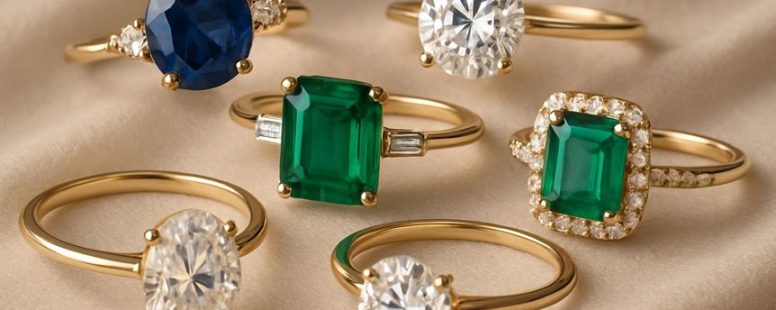
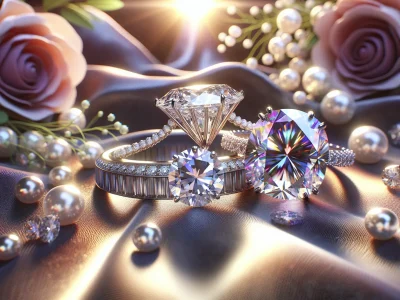
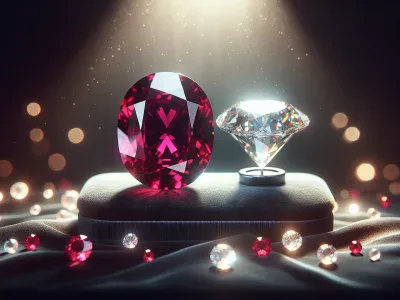
Many stunning gemstones outshine diamonds in both meaning and affordability, yet the idea of choosing an alternative can feel like navigating a labyrinth.
Imagine slipping a ring onto your finger that not only sparkles with vibrant hues but also tells a story close to your heart.
Surprisingly, some options offer a lesser-known advantage—better ethical sourcing and durability—making your choice even more meaningful.
If the thought of settling for the usual feels uninspiring, exploring these dazzling alternatives might just illuminate a path that’s uniquely yours.
Reasons to Choose Alternatives to Diamond Rings
Choosing alternatives to diamond rings can be a smart choice for many couples. Diamonds are often seen as the only option for engagement rings, but there are good reasons to think twice. First, other gemstones like sapphires, rubies, and emeralds can be more personal. They can reflect your partner’s style and story better than a standard diamond. For example, a birthstone or a favorite color stone can make the ring more meaningful.
Second, some cultures value different symbols or stones that carry special cultural meaning. A ring with a gemstone from a loved one’s homeland can be more special than a diamond from a mine. It’s also worth noting that alternatives are often less expensive. You can find beautiful stones that fit your budget better than diamonds, which can be very costly.
Another reason is ethics. Many diamonds come from regions with poor working conditions or environmental damage. Alternatives like lab-grown stones or ethically sourced gems can be better choices. They let you avoid supporting harmful practices.
However, there are some drawbacks. Not everyone sees alternatives as just as valuable or timeless as diamonds. Some may worry about the durability or resale value of other stones. Plus, traditionalists might still prefer a diamond for its reputation.
In the end, choosing an alternative to a diamond ring depends on what matters most to you. Do you want something unique and meaningful? Or are you worried about cost and ethics? Either way, there are many options that can make your engagement special without a diamond.
How to Decide Without Overthinking Your Choice
Choosing an engagement ring doesn’t have to be hard or full of doubt. The most important thing is to trust your feelings. The ring is more than just a shiny stone or metal. It stands for your love and connection. Instead of trying to follow every trend or meet everyone’s expectations, pick what feels right to you. Think about what makes you happy when you see the ring. Your gut instinct can guide you to the best choice. Remember, the perfect ring isn’t about being flawless. It’s about what matches your relationship and makes you feel special. When you focus on what you truly care about, you’ll avoid overthinking and find a ring that truly means something. Keep it simple, trust yourself, and you’ll see the right ring clearly.
Top Ethical and Sustainable Gemstones for Engagement Rings
The best ethical and sustainable gemstones for engagement rings are ones that come from responsible sources and have a low environmental impact. To choose these stones, you need to know where and how they are mined or produced. For example, lab-grown gemstones are created in labs and use less energy than traditional mining. They look just as beautiful and are often cheaper too. Some natural gems come from certified ethical sources, meaning they are mined in ways that protect workers and the environment. When buying, ask your jeweler about the origin of the stones and whether they follow fair labor practices.
There are two main viewpoints. Some people prefer lab-grown gems because they are eco-friendly and avoid the problems linked to mining, like environmental damage and unfair labor. Others believe natural gems are better because they come directly from the earth, but only if they are from ethical sources. Be aware that not all natural stones labeled as ethical are truly responsible, so always check for certification.
However, some warnings are needed. Lab-grown gemstones are not yet as rare or traditional as mined ones, and some buyers worry about their resale value. Also, not all natural gems are ethically sourced, so it takes effort to find trustworthy suppliers.
In the end, choosing an ethical gemstone means balancing your values with your style and budget. Whether you pick a lab-grown or a natural stone, look for transparency and proof of responsible sourcing. That way, your ring can shine brightly while also supporting fair practices and protecting the planet.
Popular Non-Diamond Gemstones for Engagement Rings
Non-diamond gemstones are becoming popular choices for engagement rings. These stones can be just as beautiful and often more affordable than diamonds. Some amazing options include sapphires, rubies, and emeralds. They are tough enough for daily wear if you choose the right one and take care of them properly.
Sapphires are popular because they come in many colors, but blue is the most well-known. They are hard and durable, making them good for everyday rings. Rubies are a deep red that stand out and are also quite tough. Emeralds have a rich green color but are softer, so they need more careful handling.
Caring for these gemstones is simple but important. Clean them gently with warm water and mild soap. Avoid harsh chemicals or rough scrubbing, which can scratch or damage the stones. When storing your ring, keep it separate from other jewelry to prevent scratches.
Some people like sapphires and rubies because they are hard enough for daily use. But emeralds, while stunning, are softer and more prone to scratches. If you want a gemstone that lasts a long time without much fuss, choose sapphires or rubies.
In the end, choosing a gemstone depends on your style and how much care you’re willing to give. These stones can be beautiful symbols of your love, just like diamonds, but with a bit more personality and color. Do some research, and pick what makes your heart happy.
Trending Gemstone Choices
Many people are choosing different gemstones instead of traditional diamonds for their engagement rings. These stones include sapphires, emeralds, morganite, aquamarine, and rubies. They each have their own bright colors that let you show your personal style. Unlike clear diamonds, these stones can add special meaning to your ring. For example, sapphires stand for wisdom and loyalty, and emeralds symbolize rebirth and love. Morganite has soft pink shades that feel romantic, and rubies are linked to passion and bravery. Aquamarine’s cool blue color makes many think of calmness. Picking one of these popular gemstones means you get a beautiful ring that also has special symbolism. They are a great way to make your engagement unique without overthinking it.
Some people might wonder if these stones are as durable as diamonds. While diamonds are very hard, some of these other stones can chip or scratch more easily. It’s good to check how tough the gemstone is before choosing. Others might worry if these stones are more expensive or harder to find. In some cases, sapphires and rubies can be more affordable than diamonds, but quality varies. So, it’s smart to compare options and talk to a jewelry expert.
Some people love the idea of colorful stones because they make the ring stand out. But others prefer traditional diamonds for their timeless look. Remember, the best choice depends on what matters most to you—style, meaning, or budget. Whether you pick a sapphire, emerald, morganite, aquamarine, or ruby, your ring will be special. It’s a way to say you care with a gemstone full of personality.
Durability and Care
Choosing a gemstone for your engagement ring is mainly about how well it will last with daily wear. Harder gemstones like sapphires and rubies are better choices because they are more resistant to scratches and chips. These stones score high on the Mohs scale, meaning they can handle everyday bumps and knocks. Softer stones, such as opals or emeralds, are prettier but more fragile. They need extra care to stay looking good.
To keep your ring in great shape, avoid exposing it to harsh chemicals or sudden changes in temperature. Cleaning gently with mild soap and water is best. Always store your ring separately from other jewelry so it does not get scratched. If you want your ring to stay stunning for many years, knowing the hardness of your gemstone and following simple care tips is key.
Some people might think all gemstones are equally durable, but that is not true. For example, a diamond is the hardest known gemstone, but even sapphires and rubies are very durable. On the other hand, emeralds are softer and can chip easily. So, consider how much you wear your ring and choose a gemstone that can handle your lifestyle.
Affordable Alternatives That Don’t Sacrifice Style
Affordable Engagement Rings That Still Look Great
You don’t need to spend a lot of money to get a beautiful engagement ring that lasts. There are many affordable options made from strong materials that look stylish without costing a fortune. Some popular choices include moissanite, white sapphires, and sterling silver. These stones and metals can be just as stunning as expensive diamonds, but for less money.
For example, moissanite is a popular alternative because it sparkles like a diamond but costs much less. White sapphires are another option that’s durable and shiny. If you want a ring that’s both affordable and long-lasting, look for brands like James Allen or Blue Nile, which offer good quality at lower prices.
But remember, some cheaper materials may scratch or lose their shine faster. For example, sterling silver can tarnish over time if not cared for properly. So, if you want a ring that keeps its beauty longer, consider platinum or 14-karat gold. These cost more but are tougher and easier to maintain.
In the end, affordable doesn’t mean you have to give up style. It’s about choosing the right stone and metal that suit your budget and lifestyle. Do some research and compare options before buying. That way, you get a ring that looks great and lasts a long time, without breaking the bank.
Budget-Friendly Gem Options
What are budget-friendly gemstone options for engagement rings?
Many beautiful gems cost less than diamonds but still give you plenty of sparkle and style. For example, colorful sapphires come in shades like blue, pink, and yellow. They are vibrant and can make your ring feel unique. Emeralds are also a great choice. They are bright green and often cheaper than diamonds. Both sapphires and emeralds are tough enough to wear daily, so your ring stays beautiful without costing a lot.
Why choose sapphires and emeralds?
These stones are durable enough for everyday wear. Sapphires are known for their hardness, second only to diamonds. Emeralds are a little softer but still strong enough if cared for properly. Some people like sapphires because they come in many colors, making them more personal. Emeralds make a bold green statement that catches the eye.
Are there any downsides?
Sapphires and emeralds are less expensive but may need more careful cleaning. Emeralds often have natural flaws called “jeweler’s cracks,” which can make them more fragile. So, if you want a low-cost ring, know that these gems might need extra care.
Should you pick these stones?
If you want a ring that looks stunning and saves money, sapphires and emeralds are smart options. They give you beauty and meaning without the high price of diamonds. But, if you want a stone that’s super tough and low-maintenance, a sapphire might be better. Emeralds are beautiful but need more careful handling.
In conclusion:
Both sapphires and emeralds are good choices for a budget-friendly engagement ring. They are colorful, durable enough for everyday wear, and cost less than diamonds. Just remember to consider how much care each gem needs before making your decision.
Stylish Non-Diamond Rings
A non-diamond ring is a ring that uses gemstones other than diamonds to show beauty and style. These rings can be more affordable and still look amazing. Instead of a traditional diamond, you can choose sapphires, morganites, garnets, or other colorful stones. For example, sapphires are rich blue, morganites are soft pink, and garnets are bright red. Mixing different colors and metals like gold or silver makes the ring more unique and personal.
Some people like to try unusual shapes or combine different metals to stand out. These choices show your style and tell your story. But be careful. Some non-diamond stones can scratch easily or fade over time. Make sure to pick high-quality stones and a good jeweler.
There are two sides to this idea. One group thinks non-diamond rings are a fun way to save money and be creative. Others worry that some stones may not last as long or look as shiny as diamonds. So, if you want a non-diamond ring, do some research first. Choose trusted brands like Blue Nile or James Allen for good options.
Is a non-diamond ring right for you? It can be a colorful and affordable way to express your style, but you should know the pros and cons. Think about what matters most — looks, cost, or durability — before making your choice.
Durable Affordable Materials
Choosing a ring that lasts and looks good doesn’t have to be expensive. Three materials stand out because they are strong, affordable, and attractive.
First, lab created sapphires are a great choice. They come in many colors and are very tough. Unlike natural sapphires, they cost less but look just as beautiful. This makes them a smart choice if you want a colorful, durable ring without spending too much. Some might worry if they are real gems, but lab sapphires are made to last and keep their shine.
Second, moissanite is another good option. It shines more brightly than many diamonds and resists scratches well. Because it is cheaper than a diamond, you get a dazzling look without overspending. However, some people might prefer real diamonds or natural sapphires for their traditional value. Moissanite is a good choice if you want lots of sparkle and affordability.
Third, using alternative metals like titanium or stainless steel for the band can save you money. These metals are strong, don’t bend easily, and are safe for people with sensitive skin. They also look sleek and modern. But, they might not have the same shine as gold or silver, so if you want a classic look, you may prefer traditional metals.
Some might say natural gemstones and gold are better because they last longer or hold more value. While that is true, these materials can be very expensive. If you want a ring that is both affordable and durable, lab sapphires, moissanite, and alternative metals are worth considering. Just remember, they might not have the same resale value or traditional appeal as natural gemstones and precious metals.
In the end, you don’t need to spend a fortune to get a beautiful, long-lasting engagement ring. These materials prove you can have style, strength, and savings all in one. Would you prefer a colorful, shiny, or modern look? Choosing the right materials depends on what matters most to you.
Mistakes to Avoid When Choosing Non-Diamond Rings
Choosing a non-diamond engagement ring can be exciting, but many people make mistakes that they regret later. Here are some tips to help you pick the right one.
First, think about the color of the gemstone. The color should match your partner’s personality and the meaning of your relationship. For example, a deep red ruby can symbolize love and passion, while a calm blue sapphire might stand for loyalty. Don’t just pick a color because it’s trendy or looks pretty. If it doesn’t have a special meaning, it might not feel as meaningful in the long run. Some people might love a bright green tourmaline, but if your partner prefers simple, classic styles, it could be a bad choice.
Next, pay attention to how the ring is set. Some stones need special settings to stay secure and look their best. For example, softer stones like opals need gentle settings to avoid chips or scratches. If the setting isn’t right for the stone’s shape or hardness, the ring could get damaged or feel uncomfortable to wear. It’s smart to ask a jeweler about the best setting for the gemstone you choose.
Finally, don’t rush your decision. Do your research on the gemstone’s qualities and the different ring styles available. Look at reviews and ask questions if you’re unsure. Choosing a ring is a big decision, and rushing can lead to regrets. Take your time to find a piece that feels personal and special.
Some people might think that choosing a non-diamond ring is simple, but it can be tricky if you don’t pay attention to these details. Remember, the right ring should reflect who your partner is and what your relationship means. Avoid common mistakes, and you’ll end up with a beautiful, meaningful ring that you both love.
Durability and Care for Alternative Gemstones
Alternative gemstones are different from traditional diamonds and sapphires. The key thing to know is how tough they are. Some are very hard, while others are more fragile. Hardness helps decide if a stone can handle daily wear without getting scratched. For example, sapphires are tough because they score high on the Mohs scale, making them good for everyday jewelry. Opals, on the other hand, are softer and need gentler care.
It’s also important to know if the gemstone has been treated. Treatments like coatings or color enhancements can make stones look better but might also make them weaker or easier to damage. Always ask your jeweler if treatments were used before buying.
Caring for alternative gemstones involves simple steps. Clean your ring gently with mild soap and water. Avoid harsh chemicals like bleach or ammonia, which can damage some stones. Store your jewelry separately in small pouches or soft boxes to prevent scratches from other jewelry. For example, putting your opal ring in a soft cloth pouch keeps it safe from harder stones like quartz or sapphires.
Some people worry about how to care for softer stones. Yes, they need more careful handling. But if you follow basic rules, your jewelry can stay beautiful for years. Just remember that not all gemstones are the same. Some, like turquoise, might need special cleaning, while others, like lab-created stones, are more durable.
In the end, knowing your gemstone’s strength and how to care for it helps you make smart choices. Do you want a ring that lasts forever or one that needs gentle handling? Understanding these basics can save you money and frustration later.
How to Match Alternative Rings to Your Personal Style
Choosing the right alternative ring for your style is easier than you think. First, think about what you like most. Do you enjoy boho looks with lots of layers and natural stones? If yes, go for rings with earthy gems like turquoise or amber, and metalwork that looks handcrafted. If vintage styles catch your eye, pick rings with old-fashioned cuts or delicate details like filigree that give a timeless feel. Want something modern and simple? Choose rings with clean shapes and little decoration. Bright gemstones like sapphires or emeralds can make your ring stand out without looking too busy. The most important thing is picking a ring that feels right for you, not just what’s trendy.
Some people might worry about choosing the right style or fear their ring won’t match their personality. But remember, your ring should be an extension of who you are. You can mix different styles to create a look that’s uniquely yours. For example, you might combine a vintage-inspired ring with a touch of boho charm. Just be careful not to pick something that’s too flashy if you prefer subtle jewelry. Also, keep in mind that trends change fast, so choose a ring that you will love for a long time.
Sources like jewelry experts from Tiffany & Co. or local jewelers say that matching a ring to your style should be fun, not stressful. But some warn against buying rings just because they are popular, since they might not suit your personality in the long run. So take your time, try on different styles, and ask yourself what feels natural. Remember, a ring is more than just an accessory. It’s a reflection of you.
To provide the best experiences, we use technologies like cookies to store and/or access device information. Consenting to these technologies will allow us to process data such as browsing behaviour or unique IDs on this site. Not consenting or withdrawing consent, may adversely affect certain features and functions.
Functional
Always active
The technical storage or access is strictly necessary for the legitimate purpose of enabling the use of a specific service explicitly requested by the subscriber or user, or for the sole purpose of carrying out the transmission of a communication over an electronic communications network.
Preferences
The technical storage or access is necessary for the legitimate purpose of storing preferences that are not requested by the subscriber or user.
Statistics
The technical storage or access that is used exclusively for statistical purposes.The technical storage or access that is used exclusively for anonymous statistical purposes. Without a subpoena, voluntary compliance on the part of your Internet Service Provider, or additional records from a third party, information stored or retrieved for this purpose alone cannot usually be used to identify you.
Marketing
The technical storage or access is required to create user profiles to send advertising, or to track the user on a website or across several websites for similar marketing purposes.