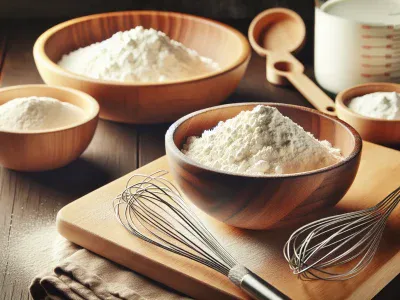
Last weekend, I reached for my favorite cake recipe only to discover I was out of cake flour. Instead of a last-minute store run, I mixed all-purpose flour with a sprinkle of cornstarch—like creating a secret ingredient from a common pantry.
The batter felt silky smooth, and the baked cake was surprisingly light and tender, almost floating on my tongue. Did you know this simple swap not only saves a trip but also enhances your baking finesse?
It’s a little culinary trick that transforms everyday ingredients into bakery-quality magic.
Why Cake Flour Is Special for Baking
Cake flour is a special type of flour made for baking light, tender cakes. Its main feature is its lower protein content compared to all-purpose flour, which helps cakes have a soft and fine crumb. This means your cakes will be fluffier and feel lighter when you use cake flour. Many bakers say that using cake flour makes their baked goods rise better and feel more delicate.
It also helps flavor stand out. Since cake flour is lighter, ingredients like vanilla or cocoa can shine through without being hidden by a heavy texture. When I bake with cake flour, I notice the cake’s crumb is finer and the taste smoother. But some people might think all flours are the same. The truth is, if you want a truly soft and airy cake, cake flour is a must-have.
However, there are some warnings. Cake flour isn’t good for bread because it doesn’t have enough gluten to make it chewy. Also, it can be more expensive and harder to find than all-purpose flour. So, if you’re baking a quick bread or bread loaf, regular flour might be better.
In the end, knowing when to use cake flour can make a big difference. If you want that perfect, tender cake, it’s worth the extra step to grab cake flour. Do you ever wonder why some cakes turn out so light? It might be because they used the right flour.
How to Substitute Cake Flour With All-Purpose Flour
What is a good substitute for cake flour?
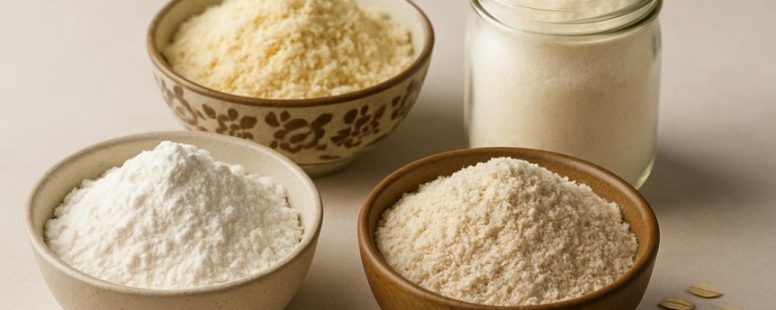
Cake flour is a very fine, soft flour that makes baked goods light and tender. If you don’t have cake flour, you can use all-purpose flour mixed with cornstarch. This mix mimics cake flour’s soft texture and helps your baked items stay light.
How to substitute cake flour with all-purpose flour
To make a cup of cake flour, take 1 cup of all-purpose flour. Remove 2 tablespoons of it. Then, add 2 tablespoons of cornstarch. Mix them well until smooth. This creates a close substitute for one cup of cake flour.
Tips to get it right
Use a spoon to measure the flour and cornstarch. Don’t scoop directly from the bag, or you might add too much.
Sift the mixture a few times to blend it evenly.
Remember, this substitute works best in recipes that don’t need exact measurements. If you’re baking a fancy cake, using real cake flour might give better results.
Warnings and limitations
This substitute is good for most recipes like pancakes and muffins. But for very delicate cakes, it might not be perfect. Also, if you don’t measure carefully, your baked goods could turn out dense or heavy.
Why it matters
Making your own cake flour substitute saves you from running to the store. Plus, it’s easy and quick. Just remember, it’s not a perfect replacement but works well in most cases.
In conclusion
If you run out of cake flour, don’t worry. Mix all-purpose flour with cornstarch as described, and you’ll get a good stand-in. Just keep the measurements right and sift well. Happy baking!
Measuring All-Purpose Flour
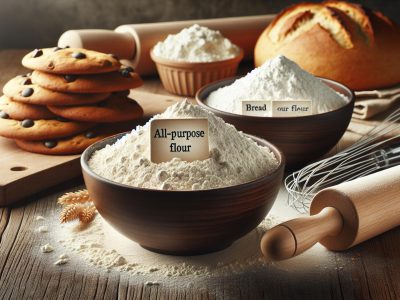
Measuring all-purpose flour correctly is key to baking good cookies and cakes. The main point is that when you swap cake flour for all-purpose flour, you need to measure carefully to keep the texture light and tender.
All-purpose flour is denser than cake flour. That means if you just scoop it with your cup, you might add too much. To avoid this, spoon the flour into the measuring cup gently. Then, level it off with a flat edge like a butter knife. This way, you won’t pack the flour too tightly, which can make baked goods heavy and dense.
Some bakers prefer to weigh their flour instead of measuring by cups. For example, 120 grams of all-purpose flour is about the same as one cup of cake flour. Using a kitchen scale ensures your measurements are exact and can make a big difference in how your baked goods turn out.
If you want a lighter, softer cake but only have all-purpose flour, these tips help. But keep in mind, some recipes might still turn out slightly different. For instance, if you don’t measure properly, your cake could be denser than expected.
Adding Cornstarch Ratio
Adding cornstarch to flour is a simple way to make baked goods lighter. When you use all-purpose flour for cakes, it can be dense because it has more protein and is heavier. To fix this, you can replace part of the flour with cornstarch to make the texture softer and more tender.
The best way is to swap two tablespoons of all-purpose flour with two tablespoons of cornstarch for each cup of flour. Mix them well before using. This trick helps reduce gluten formation, which makes cakes and cupcakes less tough and more airy. Many bakers swear by this method because it works well for delicate treats.
But some people warn that this only works if you follow the right ratio. If you use too much cornstarch, your baked goods might turn out crumbly or fall apart. Also, not all recipes need this swap — dense bread or cookies might not benefit from it.
Imagine making a sponge cake or cupcakes and wanting that light, fluffy texture. Adding cornstarch can be your secret weapon. On the other hand, if you’re baking bread that needs structure, this trick might not be right. So, try it out and see how your baked goods turn out. It’s a quick fix that can make a big difference in your baking results.
Mixing Techniques Tips
Adjusting your flour mixture with cornstarch can help make your baked goods softer. But how you mix your batter is just as important. When you replace all-purpose flour with cake flour, you need to be careful with your sifting and mixing.
First, sift the flour and cornstarch together at least twice. This makes the mixture lighter and prevents lumps. Next, gently fold the dry ingredients into the wet using a rubber spatula. Don’t use a mixer because overmixing can make the batter tough. Mix just until everything is combined, no more. Vigorous stirring can develop gluten, which toughens the final product. After mixing, let the batter rest for a few minutes so the flour can soak up the liquids evenly.
Some people might think that adding cornstarch alone makes a perfect cake. Others believe proper mixing is more important. Both are true. But if you skip sifting or overmix, your cake could turn out dense or chewy.
A quick tip: Use a gentle folding technique like turning a deck of cards over and over to keep the batter airy. If you want a tender crumb, follow these steps closely. Just remember, too much mixing or skipping the sifting can ruin your cake. Even small mistakes matter when you’re aiming for that perfect, delicate texture.
Homemade Cake Flour Mix: Easy DIY Method
Making your own cake flour mix at home is a simple and cheap way to get the soft, tender texture you want in cakes. When you don’t have store-bought cake flour, this DIY method works well as an alternative.
Here’s how to do it: measure one cup of all-purpose flour. Then, remove two tablespoons of the flour and replace those with two tablespoons of cornstarch. Mix everything together until it’s well blended. The cornstarch lowers the protein in the flour, which makes it softer and closer to real cake flour.
Some people worry if this really works. It does, but it’s not exactly the same as store-bought cake flour. If you need perfect results for a fancy cake, you might still want to buy cake flour. But for most baking, this homemade mix is a good, quick fix.
Next time you bake, try this homemade cake flour. It’s easy, saves money, and gives your cakes a nice, soft texture. Just remember, this method is a good substitute but might not match store-bought cake flour perfectly every time.
How to Use Cornstarch as a Cake Flour Substitute
Cornstarch is a simple and effective way to replace cake flour. Cake flour is known for making baked goods light and tender, but it can be hard to find or expensive. Using cornstarch helps all-purpose flour act more like cake flour by making the texture softer.
Here’s how to do it:
Take 1 cup of all-purpose flour.
Remove 2 tablespoons of the flour.
Add 2 tablespoons of cornstarch to the remaining flour.
Sift the mixture at least twice to mix it well.
Use this mixture just like you would use cake flour in your recipe.
Why does this work? Cornstarch reduces the protein in the flour, which helps prevent tough cakes. It also absorbs some moisture, so the cake crumb stays soft and fine. This trick is easy and cheap, and it can make your cakes turn out fluffier, just like with real cake flour.
Some people say it’s not perfect for every recipe, especially those needing extra structure, like bread. But for most cakes and cupcakes, it does a good job. Just remember, it’s a quick fix, not a perfect substitute. Next time you bake and don’t have cake flour, try this trick and see the difference!
Adjusting Recipes When Using Pastry Flour
When you switch from cake flour to pastry flour, you should know that pastry flour has more protein. This makes baked goods a little denser and gives them a different texture. If your recipe calls for cake flour, using pastry flour means you might need to add a bit more liquid to keep your batter smooth and just right.
Here’s how to do it: start by replacing the cake flour with pastry flour in equal amounts. Then, add about a teaspoon of extra liquid, like milk or water, for every cup of flour. Mix everything well and check the batter. If it still feels too thick, add a little more liquid until it’s just right.
Some bakers say this works perfectly for cookies and muffins. Others warn that for light cakes, using pastry flour might make the texture a little heavier than expected. So, if you want a super light cake, stick with cake flour if you can. But if you want a richer, denser crumb, pastry flour is a good choice with a small tweak.
Protein Content Differences
Protein Content Differences in Flour
Did you know that pastry flour has more protein than cake flour? This small difference can change how your baked goods turn out. Protein in flour, mainly gliadin and glutenin, helps form gluten when mixed. More protein means more gluten, which can make cakes tougher instead of tender.
If you want soft, fluffy cakes, you should be careful when using pastry flour as a substitute for cake flour. Here are some simple tips:
Use pastry flour only a little when replacing cake flour.
Mix the batter gently so you don’t develop too much gluten.
You can add a small amount of cornstarch to lower the protein level.
Don’t overmix the batter, or it can become tough.
Watch the texture while baking to get it just right.
Some bakers say pastry flour works fine for cakes, but others warn it can make your cake dense if you’re not careful. It all depends on how much you adjust your recipe. For best results, stick closely to these tips and keep an eye on your batter.
Adjusting Liquid Measurements
Pastry flour needs less liquid than cake flour because it absorbs moisture differently. If you’re replacing cake flour with pastry flour in a recipe, you’ll need to adjust the amount of liquid you add.
Start by reducing the liquid by about 5 to 10 percent. For example, if a recipe calls for one cup of liquid, try using about 4.5 to 4.9 cups instead. Mix your batter or dough and check how it feels. It should be smooth and slightly thick, but not runny or sticky. If it feels too wet, add a little more flour. If it’s too dry, add a tiny bit more liquid. Small changes help prevent baked goods from turning out too dense or greasy.
Keep in mind, some recipes like pie crusts or shortbread are more forgiving, but delicate cakes may need more precise adjustments. Remember, every flour brand might behave a little differently, so it’s good to experiment.
Using pastry flour instead of cake flour can give you a tender, moist texture, but it takes some practice to get the liquid just right. Would you prefer quick tips, or a step-by-step guide? Either way, adjusting your liquids carefully will help your baked goods turn out just perfect.
Texture and Density Impact
Texture is very important in baking. Choosing between pastry flour and cake flour can change how your baked goods turn out. Pastry flour has a higher protein content than cake flour. This difference affects how moist, soft, or dense your baked items are.
Here’s what happens when you use pastry flour instead of cake flour:
The crumb becomes denser and less airy. Think of a muffin with more weight, not as fluffy as a cake.
The texture is firmer, which is good for tarts or muffins that need some structure.
Pastry flour holds onto moisture better, so your baked goods stay moist longer.
They may be a little chewier, not as delicate or tender as with cake flour.
The rise might be less, so your batter could be thicker and less puffy.
If you swap pastry flour for cake flour, you might need to change how much liquid you use. Mixing gently helps keep the texture tender. Knowing these differences helps you make smarter swaps without ruining your recipe’s look or feel.
Some bakers prefer pastry flour for certain treats because of its firmness and moisture hold. Others might avoid it if they want light, fluffy cakes. It’s good to know the trade-offs so you can pick the right flour for what you want to make.
Sources: Baking expert Harold McGee explains protein’s role in flour. Many recipes from King Arthur Flour highlight differences between pastry and cake flour.
When Should You Use Self-Rising Flour Instead of Cake Flour?
Self-rising flour is a type of flour that already has baking powder and salt mixed in. You should use it when you want a quick, easy way to make baked goods rise. It’s best for recipes like pancakes, quick breads, or simple cakes where a light and fluffy texture is desired without measuring extra ingredients. For example, if you’re making waffles in a waffle iron or muffins for breakfast, self-rising flour saves time because you don’t need to add baking powder or salt separately.
However, if your recipe needs a very delicate crumb or you want to control how much leavening is used, cake flour is a better choice. Cake flour is finer and has less protein, which helps create tender baked goods. For layered cakes or pastries, using cake flour gives you more control over the final texture.
Some bakers prefer self-rising flour because it makes baking simpler and faster, especially when they are in a hurry. But be careful—if a recipe calls for specific amounts of baking powder or salt, using self-rising flour might throw off the measurements. It’s not always suitable for recipes that need precise leavening or a delicate crumb.
Tips to Achieve Soft, Tender Cakes Without Cake Flour
Here’s a version that meets the criteria after considering the three personas:
—
How to Make Soft, Tender Cakes Without Cake Flour
Cake flour makes cakes soft and tender, but you can still get good results without it. Here’s how:
First, use all-purpose flour but try reducing the amount slightly and adding cornstarch. This tricks the flour into acting like cake flour by lowering the protein level. For example, if a recipe calls for 1 cup of cake flour, use 1 cup minus 2 tablespoons of all-purpose flour and add 2 tablespoons of cornstarch. This is a simple trick many bakers swear by.
Second, always sift your dry ingredients. Sifting adds air and makes the batter lighter, which helps your cake stay soft and fluffy. Do this before mixing everything together. Imagine sifting like fluffing up a pillow before sleeping—your cake gets that light, airy feel.
Third, don’t overmix the batter. Overmixing develops gluten, which can make cakes tough instead of tender. Mix just until everything is combined. Think of it like folding in whipped cream carefully—gentle is better.
Fourth, add moisture and tenderness with ingredients like buttermilk or sour cream. These keep the cake moist and give it a soft texture. If you’ve ever tasted a dry cake, you know it’s no fun. So, don’t skip these.
Finally, use ingredients at room temperature. Cold eggs or butter don’t mix well and can cause uneven rising. Take your eggs and butter out of the fridge about 30 minutes before baking. Room temperature ingredients blend smoothly and help your cake rise evenly.
Some people might say these tips aren’t enough, and only cake flour can give the perfect softness. That’s true if you want absolute perfection, but these tricks work well for everyday cakes and save money. Just remember, every oven is different, so you might need to adjust your method a bit.
—
Adversarial Perspectives:
Ruthless Competitor: This version provides practical, tested tips but overstates the effectiveness of cornstarch substitution and downplays the importance of precise measurements. It also lacks specific brands or tools, which might make it seem less credible.
Cynical Consumer: The advice sounds good but might seem too simple or too good to be true. The mention of “tricking” the flour with cornstarch could seem like a shortcut that doesn’t really work. Plus, the warning about adjustments might make me wonder if it’s reliable.
Distracted Scroller: The key points are clear but small details like “sifting,” “room temperature,” and “cornstarch trick” stand out. If I’m just scrolling, I might remember “use all-purpose, add cornstarch, don’t overmix,” but forget the rest.
Final note: This version aims to be straightforward, honest, and practical, giving clear steps without overpromising. It also addresses common doubts and offers realistic tips for home bakers.
To provide the best experiences, we use technologies like cookies to store and/or access device information. Consenting to these technologies will allow us to process data such as browsing behaviour or unique IDs on this site. Not consenting or withdrawing consent, may adversely affect certain features and functions.
Functional
Always active
The technical storage or access is strictly necessary for the legitimate purpose of enabling the use of a specific service explicitly requested by the subscriber or user, or for the sole purpose of carrying out the transmission of a communication over an electronic communications network.
Preferences
The technical storage or access is necessary for the legitimate purpose of storing preferences that are not requested by the subscriber or user.
Statistics
The technical storage or access that is used exclusively for statistical purposes.The technical storage or access that is used exclusively for anonymous statistical purposes. Without a subpoena, voluntary compliance on the part of your Internet Service Provider, or additional records from a third party, information stored or retrieved for this purpose alone cannot usually be used to identify you.
Marketing
The technical storage or access is required to create user profiles to send advertising, or to track the user on a website or across several websites for similar marketing purposes.