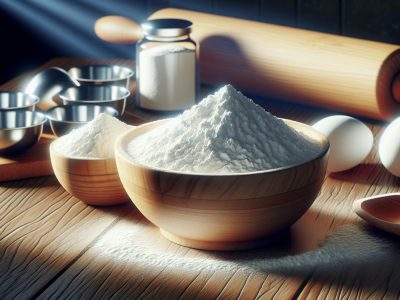
Picture the aroma of a freshly baked cake wafting through your kitchen—soft, delicate, and almost cloud-like with every bite. Now picture a hearty loaf of bread, its golden crust crackling under your fingers, each slice sturdy enough for your favorite spread. What if the secret behind these kitchen triumphs lies not just in your recipe but in the very flour you choose?
You might think flour is just flour, but the difference between cake flour and all purpose flour can transform your baking from ordinary to unforgettable. With the right choice, your cakes become melt-in-your-mouth masterpieces and your cookies boast the perfect chew. Unlocking this simple switch could be the game-changer your baking routine has been missing.
What Is Cake Flour?
Picture you’re baking a birthday cake that melts in your mouth—soft as a whisper. Cake flour brings that dream to your oven. With a protein content of about 6-8%, cake flour contains much less gluten than all-purpose flour (King Arthur Baking, 2023). Grains like soft winter wheat, which is what most cake flour is made from, lets your batter trap more air. That means your sponge cakes, angel food cakes, and cupcakes turns unbelievably tender.
You ever try swapping all-purpose flour for cake flour in a basic recipe? The crumb becomes finer, almost velvety. For example, bakers rave about chiffon cakes gaining extra lift when they uses cake flour. Even professional pastry chefs in Paris, who often rely on specialty flours, choose cake flour for their genoise to get those iconic airy slices. Have you noticed how packaged box cakes feels impossibly light? That’s mostly cake flour working it’s magic.
Questions arise: Is cake flour bleached? Most commercial cake flours are bleached, giving them an extra-white color and changing their starch structure, so it absorbs liquids better (Serious Eats, 2021). That’s a big deal for batters that shouldn’t collapse. Some purists claims the bleaching affects flavor, but many everyday bakers don’t taste the difference.
Cake flour transforms the way you approach delicate bakes. Why dig through flour sacks for another option when results like feather-light layers are just this one switch away?
What Is All Purpose Flour?
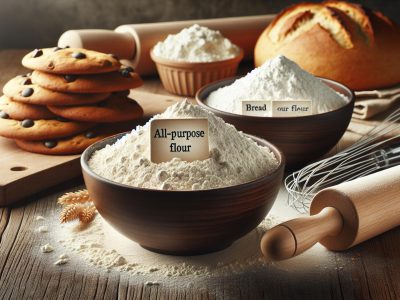
All purpose flour stands as your crew member in the kitchen, ready for any baking assignment. This versatile staple, holding a protein content between 10-12%, fits right into cookies, pancakes, pizza crusts, and muffins. When you’re making chewy chocolate chip cookies or a rustic loaf of bread, all purpose flour always delivers. Ever noticed how biscuits baked with all purpose flour turns crisp at the edges but hold a soft center? That’s the magic woven by its medium protein: a sort of peace treaty between tenderness and structure.
People across the US reach for it when tackling everything from classic birthday cakes to thick roux for gumbo—flour, butter, and patience swirling in the pan. This kind of flour’s milled from a blend of hard red wheat and soft wheat (Triticum aestivum and Triticum compactum), providing enough gluten strength for pizza dough but not so much that pancakes turn rubbery.
Debates occasionally spark about whether all purpose is right for delicate pastries. Your grandmother might’ve sworn by cake flour for her sponge cakes, but many home bakers grab all purpose and adjust—it’s accessible, affordable, dependable. Bob’s Red Mill and King Arthur Flour report that all purpose outsells specialty flours in grocery stores by 4:1 nationwide, showing its broad acceptance (Source: IBISWorld, 2024).
If you’ve ever stopped to think, “Why do most American recipes default to all purpose flour?,” it’s about versatility. While cake flour creates feather-light texture, and bread flour builds chewy networks, all purpose flour navigates the middle ground. Gluten forms when you mix flour with water; the moderate protein content means gluten develops just enough to support cake layers but not overpower them. When in doubt, all purpose keeps your options open, letting you explore recipes from cornbread to tempura.
Some bakers sifts all-purpose flour before using, chasing that finer crumb—others skip sifting, embracing a heartier bite. No matter your technique, every pantry seems to shelter a bag, waiting for when inspiration or appetite strikes. Which recipe will you try next, trusting all purpose flour to shape the outcome?
Key Differences Between Cake Flour and All Purpose Flour
Cake flour and all-purpose flour shape baked goods in distinct ways, impacting everything from crumb structure to mixing behavior. Understanding these key differences helps you pick the right flour for tender cakes or hearty muffins every time.
Protein Content and Texture
Protein content sets cake flour and all-purpose flour apart. Bakers favor cake flour, which contains about 6-8% protein, for recipes where a soft crumb is essential—think angel food cake or sponge cake. Less protein means less gluten forms, so cupcakes baked with cake flour turn out airy and tender. All-purpose flour, with 10-12% protein, lands in the middle, providing enough structure for chewy cookies, dense banana bread, or classic pound cake. These numbers come from USDA food data and industry testing. Glance at the ingredient label or product description and you’ll often spot protein listed by percentage. If you’re aiming for a delicate bite, cake flour’s lower protein makes a striking difference.
Bleaching and Color
Bleaching changes how flour behaves and looks. Most cake flours go through a bleaching process, which alters the flour’s pH and its color. This bleaching leads to a whiter appearance and lets flour absorb liquids faster. The result? Lighter, fluffier bakes like chiffon cake or homemade snack cakes. In contrast, all-purpose flour often stays unbleached, keeping a creamy or slightly off-white color. Bleached flour in a white velvet cake creates stark, bright slices, while unbleached all-purpose yields a yellow-cream hue in birthday cake layers. Professional bakeries reach for bleached cake flour to highlight colors in decorated layer cakes or wedding cakes. King Arthur and Gold Medal flour brands offer both bleached and unbleached versions, giving bakers control over color and structure.
Absorption and Mixing Qualities
Absorption and mixing qualities set these flours further apart. Cake flour, because of its altered starch and protein structure, soaks up more moisture and sugar, resulting in satiny batters that flow with ease. This trait means batters using cake flour combine quickly and trap more air, giving rise to a fine, uniform crumb. All-purpose flour’s higher protein content supports gluten formation, so doughs resist overmixing and can handle richer ingredients—think chocolate chips or nuts. Watch a comparison: mix cake flour and all-purpose side by side with equal liquid, and you’ll spot the cake flour batter thinner, smoother, and prone to rising taller. Research from the Wheat Marketing Center documents these traits, confirming their effect on everything from pancakes to roll cake sponges.
Use this deeper understanding to match the right flour with your recipe—delicate cakes, or sturdy muffins—based on protein, bleaching, and absorption.
When to Use Cake Flour vs. All Purpose Flour
Choosing between cake flour and all-purpose flour shapes your baked goods’ texture, crumb, and rise. Protein content, absorption capacity, and the bleaching process guide your selection for different recipes.
Best Recipes for Cake Flour
Bake light and tender cakes using cake flour. Sponge cakes, like angel food, contain pronounced air pockets because of the flour’s low 6-8% protein content. This protein structure traps more air, giving classic chiffon cakes their rise and fine, delicate crumb (King Arthur Baking). Genoise, Victoria sponge, and Japanese-style strawberry shortcake highlight this flour’s ability to blend smoothly into batters—which absorb liquid quickly without becoming tough. Pastry chefs favor cake flour for pillowy cupcakes and petit fours, where a melt-in-the-mouth texture matters most. When making cakes that collapse or feel rubbery with standard flour, switching to cake flour fixes these issues by reducing gluten strength. Sift it once or twice for a consistently smooth batter and feather-weight texture.
Best Recipes for All Purpose Flour
Bake sturdy classics using all-purpose flour. This flour’s 10–12% protein suits cookies with golden, chewy centers (ie, chocolate chip, oatmeal), dense banana bread, and structured pound cakes. Pancakes and muffins, because of all-purpose flour, hold together well and rise evenly. Use it whenever bite, structure or lasting freshness are priorities. Bakers rely on all-purpose flour for pizza crusts, breadsticks, and biscuits, where robust gluten formation ensures chew. Swapping in all-purpose flour for quick breads and brownies also anchors mix-ins like chocolate chips or fruits, which need support in thicker batters. Standard AP flour, generally unbleached, brings a subtle wheat flavor that stands up to buttery, rich batters without sacrificing softness. Sifting isn’t mandatory but lightens denser recipes if you like a fluffier crumb.
If asking yourself, “Why did my cake come out dense?” or “Why are my cookies spreading too much?”—consider if your flour choice matched your recipe’s needs.
Can You Substitute Cake Flour and All Purpose Flour?
Texture shifts when you swap all-purpose flour for cake flour—picture biting into a cupcake that crumbles like soft snow, rather than the sturdy pillow of a muffin. If you’ve ever wondered, “Can I use what’s already in my pantry instead of making a special trip?”, you’re standing at the flour crossroads.
Substitution between cake flour and all-purpose flour happens all the time in kitchens from Brooklyn to Boise. Bakeries often face urgent orders—a child’s birthday cake, a last-minute wedding dessert—requiring them to switch up flours and adapt on the fly. Yet, that switch isn’t seamless: cake flour’s super-low protein content (6-8%) means it produces tender cakes, but its lack of gluten-forming proteins makes cookies spread thin and pancakes collapse, like a bridge missing key supports. All-purpose flour with its 10-12% protein, stands firmer, building baked goods with more integrity, but you risk losing the angelic lightness prized in a classic chiffon.
For home bakers, a common hack—replace 1 cup of all-purpose flour with 1 cup minus 2 tablespoons, then add 2 tablespoons of cornstarch. This method, popularized by bakers on King Arthur Baking Company, mimics cake flour’s delicate effect. But, the chemistry gets tricky; cornstarch absorbency differs, meaning your crumb might still lean denser than a bakery’s finest.
Bleaching also changes the substitution game, since bleached cake flour absorbs liquid faster, yielding fine, tall layers. Unbleached all-purpose flour, by comparison, soaks up moisture slower, producing a coarser result. So, if your strawberry shortcake isn’t as lofty as one from a Parisian pâtisserie, your flour may be to blame. Ask yourself: Do you want a nostalgic, dense pound cake, or a feather-light angel food?
Personal tales abound—chefs at Milk Bar transform supermarket all-purpose into faux cake flour in a pinch, but professional bakers warn: for showstopper wedding cakes, reach for cake flour to guarantee crumb so soft, it melts on the tongue. Blogs and forums, like those at Serious Eats, record thousands of anecdotes about swaps gone right—or wrong.
When experimenting, note that adjusting for altitude, humidity, and even flour brand throws more variables into this equation. Have you tried baking sponge cake in humid July? Your results, even with perfect measurement, might resemble pancakes if you chose the wrong flour. It’s like climbing a mountain; every step—protein level, bleaching, moisture—matters.
Next bake, challenge what you know: substitute with intention, track results, and don’t be afraid to embrace surprises in taste or texture. The difference between cake flour and all-purpose flour isn’t just chemistry—it’s the soul of your baked creation, shaped by choice and chance.
Conclusion
Choosing between cake flour and all-purpose flour can make all the difference in your baking results. By paying attention to what each recipe calls for and understanding how each flour behaves, you’ll set yourself up for success in the kitchen.
Don’t be afraid to experiment and see how these flours impact your favorite treats. With a little curiosity and practice, you’ll discover new ways to improve texture and flavor in every bake.
To provide the best experiences, we use technologies like cookies to store and/or access device information. Consenting to these technologies will allow us to process data such as browsing behaviour or unique IDs on this site. Not consenting or withdrawing consent, may adversely affect certain features and functions.
Functional
Always active
The technical storage or access is strictly necessary for the legitimate purpose of enabling the use of a specific service explicitly requested by the subscriber or user, or for the sole purpose of carrying out the transmission of a communication over an electronic communications network.
Preferences
The technical storage or access is necessary for the legitimate purpose of storing preferences that are not requested by the subscriber or user.
Statistics
The technical storage or access that is used exclusively for statistical purposes.The technical storage or access that is used exclusively for anonymous statistical purposes. Without a subpoena, voluntary compliance on the part of your Internet Service Provider, or additional records from a third party, information stored or retrieved for this purpose alone cannot usually be used to identify you.
Marketing
The technical storage or access is required to create user profiles to send advertising, or to track the user on a website or across several websites for similar marketing purposes.