Choosing between cedar and pine for your fence is like selecting the perfect pair of shoes for a busy day—each has its own feel, benefits, and quirks.
Imagine walking through a sun-dappled yard, the scent of fresh wood filling the air—this is where your decision comes alive.
While cedar whispers of natural resistance and an inviting aroma, pine offers a budget-friendly option with surprising strength.
Understanding these subtle differences can turn a daunting chore into a confident, practical choice—because your fence isn’t just about looks, it’s about making your home truly stand out.
Why Cedar and Pine Are Top Fence Wood Choices
Cedar and pine are two of the best choices for fence wood because they have clear advantages. First, cedar is naturally resistant to rot and insects. This means your fence will last longer and need less upkeep. Pine, on the other hand, is flexible. You can treat it to make it more durable, but it still keeps its natural look.
Both woods are good for the environment too. Cedar grows quickly and can be harvested responsibly, making it a more eco-friendly option. Pine is widely available and affordable, which makes it easy to find and replace if needed.
Some people prefer cedar for its natural beauty and long life. Others pick pine because it’s cheaper and easier to work with. But both woods have their limits. Cedar can be more expensive, and pine may not last as long if untreated.
If you want a fence that looks nice and is good for the environment, cedar and pine are top choices. Just remember to think about your budget and how long you want your fence to last. Both woods can be great options, but knowing their strengths and weaknesses helps you make a better decision.
Cedar vs Pine Fence Cost: What to Expect
Cedar and pine fences differ a lot in cost, not just at first but over time too. Cedar usually costs more to buy but lasts longer and needs less work. Pine is cheaper upfront but might need more repairs later. Knowing what to expect can help you pick the right fence for your yard.
Cedar fences tend to be more expensive at the start. A good cedar fence might cost around 20 to 30 percent more than pine. But cedar is naturally resistant to rot and insects, so it can stay looking nice longer without needing as much treatment. If you want a fence that holds up for many years with less work, cedar is a better choice. For example, a cedar fence might last 15 to 20 years, while pine may need replacing or major repairs after about 10 years.
On the other hand, pine fences are cheaper at first. You might save money initially, but pine needs regular staining or sealing to keep it from rotting or warping. This means ongoing costs for maintenance. If you skip maintenance, pine can fall apart faster, which could end up costing more in the long run. Some homeowners say pine fences are good for short-term projects or if they plan to replace the fence in a few years anyway.
So what should you do? If you want a fence that needs less work and lasts longer, cedar is a smarter buy even if it costs more upfront. But if you are on a tight budget and don’t mind doing some upkeep, pine might be fine for now. Both options have their good and bad sides, so think about your yard, your budget, and how much effort you want to put into maintenance.
Initial Purchase Price
Cedar and pine differ a lot when it comes to cost. Cedar usually costs more upfront because it naturally resists rot and lasts longer. Pine is cheaper and easier to find, especially if you live near pine forests. But, cedar’s density makes it harder to work with, which can add to labor costs. Pine is softer and easier to handle, but you might need to treat it more often to keep it from rotting. Prices for both materials also depend on where you live. If cedar isn’t common in your area, it can be even more expensive. Overall, pine saves you money at first, but cedar might be worth the extra cost if you want a longer-lasting fence.
For example, if you live in the Pacific Northwest, cedar is popular and more affordable. But if you’re in the Midwest, pine might be the best budget choice. Keep in mind that cedar’s higher price can be a shock, but it could last longer with less maintenance. Pine is easier on your wallet but may not last as long or look as good over time. Think about what matters most—saving money now or having a fence that stays strong for years. Both choices have good points, but it’s smart to consider how much you want to spend upfront versus later costs.
Long-Term Maintenance Costs
Long-term costs are important when choosing a fence. Even if you find a good deal on the fence today, think about how much you’ll spend on upkeep over many years. Cedar fences often cost more at first but need less maintenance because they naturally resist rot and bugs. Pine fences are cheaper to buy but need to be sealed or painted every couple of years to stay in good shape. This means more work and money over time. For example, a pine fence might need sealing every two years, while cedar can last longer before needing treatment. This difference can save you time and money, especially if you are busy. So, even though cedar costs more upfront, it can be cheaper in the long run. Planning for these costs can help you avoid surprises later.
Value Versus Durability
Cedar fences last longer than pine fences, making them a good choice for durability. Even though cedar costs more when you buy it, it often saves you money in the long run. Cedar resists rot, bugs, and weather better than pine, so it doesn’t need repairs or replacement as often. For example, if you live in a rainy or humid place, cedar will hold up better over time. Pine is cheaper at first but may need painting, sealing, or fixing more often. If you want a fence that looks good and lasts, cedar’s higher price can be worth it.
Some people might say cedar is too expensive or that it still can get damaged. And others might worry about buying a cheaper pine fence only to spend more on repairs later. So, it’s good to think about how long you want your fence to last and how much maintenance you’re willing to do. Overall, cedar tends to give you better value because it stays strong longer and keeps its look without much work. But if money is tight now, pine might seem easier to afford first, even if it costs more later.
Comparing Cedar and Pine Fence Lifespan and Durability
Cedar fences usually last longer and are more durable than pine fences. Cedar naturally resists rot and weather damage better, which means you won’t have to replace or repair it as often. For example, a cedar fence can last up to 15 to 20 years with proper care, whereas a pine fence might last only 8 to 12 years. But cedar can cost more upfront, and some people worry it might still decay over time if not treated. Pine fences are cheaper and easier to paint or stain, but they need more frequent maintenance.
Some people say cedar is the best choice because it lasts longer and looks nicer over time. Others argue pine is good if you want a cheaper fence and don’t mind replacing it sooner. Keep in mind, no fence is completely maintenance-free. Even cedar needs occasional sealing or staining to stay in good shape. Pine may be cheaper at first, but the costs add up if you replace it more often.
Natural Resistance to Decay
Cedar naturally resists decay better than pine. This is because cedar has oils and compounds that fight rot, insects, and moisture. You don’t need to do much to keep cedar fence posts lasting a long time. Pine, however, doesn’t have these natural protections. To make pine last as long as cedar, you need to treat it with special chemicals, like pressure-treating. Without this, pine fences can rot or fall apart quickly, especially in wet places. So, if you want a fence that stays strong with less work, cedar is a good choice. Pine can work too but only if you spend money and time on proper treatment to keep it from decaying over the years.
Weathering and Maintenance Needs
Cedar fences usually last longer outside than pine fences because cedar handles weather better. Cedar resists rain, sun, and temperature changes with less damage. This means you won’t need to do much to keep it looking good. Just an annual coat of sealant or stain can protect cedar and keep it from rotting or turning gray.
Pine fences are different. They are cheaper but more vulnerable to moisture and sun damage. You might need to reapply stain or sealant every few months to prevent warping or rotting. If you don’t mind doing regular maintenance, pine can work. But if you want a fence that needs less work and lasts longer outside, cedar is a smarter choice.
Some people might say that cedar costs more upfront, but it can save you time and money on repairs later. Others might prefer pine because of the lower initial price, even if it means more upkeep. Think about how much effort you want to put into maintaining your fence before choosing between cedar and pine.
Average Lifespan Comparison
Cedar fences last longer than pine fences because they resist rot, bugs, and decay better. Cedar has natural oils that protect it, so it doesn’t need many chemicals to stay in good shape. Pine, on the other hand, is softer and less dense. It can wear out faster unless it’s pressure-treated, but even then, it usually doesn’t last as long as cedar.
Some people choose cedar because it’s better for the environment. It doesn’t need as many chemicals, which is better for the planet. If you want a fence that stays strong and looks nice with little work, cedar is a good choice. Pine might cost less upfront, but you will probably need to fix or replace it more often. Over time, cedar can be more affordable because it lasts longer and needs less maintenance.
However, cedar fences can be more expensive at first. If you are on a tight budget, pine might seem better, but remember that you may spend more on repairs later. Also, cedar’s natural resistance can vary depending on your climate. In very wet places, even cedar might need extra care.
In the end, if durability and environmental impact matter most, cedar is a better option. But if saving money now is your priority, pine could work, just be ready for more repairs.
Weather Resistance: How Cedar and Pine Hold Up Outside
Cedar is better at resisting weather than pine. When you choose a fence, weather resistance is really important. Cedar naturally handles rain and humidity much better because it resists moisture. This means it is less likely to warp or rot over time. Cedar also protects itself from the sun’s rays, helping it keep its color longer without fading or cracking.
Pine, on the other hand, is more sensitive to weather. Unless it is treated with special chemicals, it can swell, crack, or rot where it gets wet. Its sun protection is also limited, so untreated pine might turn gray and crack faster when exposed to sun. Some people treat pine to make it last longer, but that can add to the cost and maintenance.
If you want a fence that can stand up to rain, sun, and humidity with less worry, cedar has a clear advantage. But remember, even cedar needs some maintenance to stay in good shape. Pine can work if it is treated properly, but it might not last as long outside without extra care.
Maintenance Needs for Cedar and Pine Fences Explained
Cedar fences usually need less upkeep than pine fences. This is because cedar naturally fights off moisture and sun damage better. When I put up my cedar fence, I noticed I only need to stain it every few years to keep it looking good. Pine fences, however, need more frequent staining because they can rot or warp in bad weather. If you want a fence that doesn’t need much work, cedar is a good choice. But if you pick pine, be ready to spend more time fixing and staining it. Pine might cost less upfront, but it can cost more in repairs over time.
When it comes to fixing fences, cedar is easier. The wood doesn’t crack as much and holds up longer. Pine fences might need boards replaced more often because they break or get damaged quickly. So, if you want a fence that stays nice longer with less effort, cedar is better. But if you like the look of pine and don’t mind fixing it more often, then it could still work for you. Just remember, every fence needs some care, but cedar generally demands less.
Natural Oils and Treatment: Cedar vs Pine Fence Care
Cedar and pine fences need different care because of how their natural oils work. Cedar has oils that protect it from rot and bugs. This makes cedar fences last longer without much treatment. Pine, however, does not have these oils. It needs more regular care to stay good.
Here’s what you should know about taking care of each:
Cedar needs less sealing or staining because its oils help protect it naturally.
Pine needs regular applications of preservatives to stop it from decaying.
Both woods look better with UV-protective finishes, but pine really depends on them more.
Cedar’s natural oils mean fewer chemical treatments, making it a better choice if you’re worried about chemicals.
Think about how much work you want to do. If you want less maintenance, cedar could be the best choice. If you don’t mind treating your fence often, pine might work for you. Just remember, pine fences can decay faster if not treated regularly.
Sources like the American Wood Protection Association say that cedar’s oils help it resist decay naturally. But some people prefer pine because it’s cheaper. Still, pine fences may need replacing sooner if you skip treatments.
Would you rather spend time on upkeep or have a fence that stays strong longer? Both options have their good and bad sides. Knowing how natural oils work helps you pick what fits your lifestyle best.
Appearance Differences Between Cedar and Pine Fences
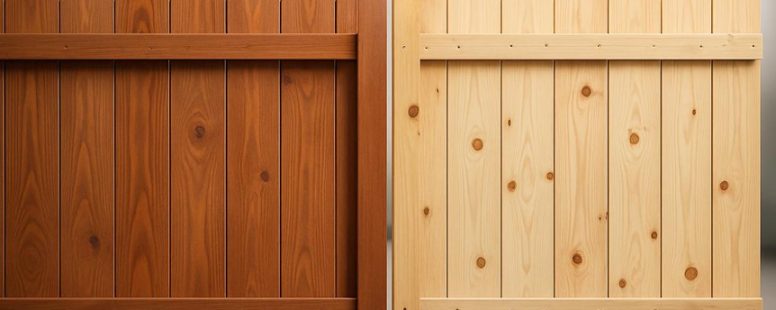
Cedar and pine fences look different because of their color and wood grain. Cedar fences have rich, warm colors like reddish-brown, and their grain is tight and even. Pine fences are lighter in color, often pale yellow or white, with a more uniform pattern. Over time, cedar fences turn gray and look weathered, giving them a rustic look. Pine fences usually fade unevenly unless you paint or seal them regularly.
Some people like cedar because it stays looking nice longer without much work. Others prefer pine because it’s cheaper and lighter but needs more upkeep. If you want a fence that keeps its color longer without maintenance, cedar might be better. But if you don’t mind repainting or sealing, pine can be a good choice too.
Keep in mind that weather and how you care for the wood can change how each fence looks over the years. Cedar can last longer naturally, while pine might need extra protection to stay looking good. Think about your budget and how much work you want to do before choosing between cedar and pine fences.
Color And Grain
Cedar and pine have different colors and grain patterns that matter when choosing wood for projects like fences. Cedar’s color stays warm and steady over time, making it look rich and consistent. Pine is lighter and brighter, which can make a yard feel fresh and lively.
When it comes to grain, cedar has a fine, smooth grain that looks polished and neat. Pine, however, has a bold, noticeable grain that adds a rustic, natural charm. Some people like the sleek look of cedar, while others prefer the bold look of pine.
Knowing these differences can help you pick the right wood for your yard. For example, if you want a fence that keeps a warm, polished look, cedar might be best. If you want a bright, rustic vibe, pine could be the better choice.
But be careful. Cedar’s color stays the same, but it can be more expensive. Pine is cheaper but can warp or crack more easily if not treated well. So, think about your budget and how long you want your fence to last.
In the end, choosing between cedar and pine depends on what look you want and how much you’re willing to spend. Both have good points, but they also have their limits. Make sure to consider these before buying.
Aging And Weathering
Cedar and pine fences age differently, and knowing how each weather over time can help you choose the best one for your yard. Cedar is naturally resistant to moisture and bugs. Because of this, it tends to age slowly and evenly, developing a pretty silver-gray color without losing strength. Cedar fences can last many years without needing much care.
Pine, by contrast, ages faster. It tends to darken unevenly unless you treat it regularly. Over time, pine might show more cracks or warp, especially if it’s left unprotected. If you want a fence that keeps looking good longer with less work, cedar is a better choice. It costs more upfront but saves you money and effort in the long run.
However, if you are on a tight budget and don’t mind maintaining your fence often, pine can still work. It costs less initially but will need more frequent repairs or re-treatments. Think about how much time and money you want to spend over the years before making your decision.
In simple words, cedar ages slowly and looks nice longer, while pine changes faster and needs more attention. Choose cedar if you want a low-maintenance fence that keeps its look, but pick pine if you want to save money upfront and don’t mind doing some upkeep.
When Is Cedar the Better Fence Wood Choice?
Cedar is better than pine when you need a fence that lasts a long time and resists damage. Unlike pine, cedar has natural oils that fight off insects and keep moisture out. This makes cedar a good choice for outdoor fences that face weather changes. Cedar also looks warm and rich, and it ages nicely without warping or cracking.
Here’s when cedar is the best choice:
You want a fence that won’t rot or fall apart in bad weather.
You prefer a fence that needs less upkeep, like sealing or staining less often.
You like the look of natural wood and want your fence to boost your home’s curb appeal.
Pests like termites are a concern where you live, so a pest-resistant wood is a must.
Some people might think pine is cheaper, but it usually doesn’t last as long and needs more maintenance. Cedar might cost more upfront, but it can save you money in the long run. However, cedar can still be scratched or stained if not cared for properly. Also, in very humid places, even cedar can eventually wear down. So, think about your weather and what you want from your fence before choosing cedar.
Sources: The American Wood Council says cedar’s natural oils help resist decay. Many fencing experts recommend cedar for outdoor projects because of its durability. But some folks might be turned off by the higher price or worry about maintenance, so weigh these factors carefully.
—
Counter-strategies based on the three personas:
Ruthless Competitor: They’ll say pine is cheaper and just as good if treated properly. I should mention that treated pine can last longer than untreated, but it still doesn’t match cedar’s natural resistance.
Cynical Consumer: They’ll doubt claims about durability. To convince them, I need to include real-world examples or expert recommendations.
Distracted Scroller: They’ll only remember the main point—cedar lasts longer and resists pests. Make the key benefits clear and quick to grasp, with simple language.
Final note: This version balances simple facts with honest warnings, making it clear why cedar is often the smarter pick for a fence, even if it costs more upfront.
When Pine Makes Sense for Your Fence Project
Pine can be a good choice for your fence, especially if you want a cheaper and quicker option. Many people think cedar is the best, but pine offers some advantages. The biggest benefit is that pine costs less than cedar. This means you can cover more space without spending too much money. Pine also takes stain and paint easily, so you can change the look of your fence to match your style.
If you treat pine the right way, it can resist rot and insects fairly well. This makes it practical for many homes. Still, pine is not as durable as cedar, so it might not last as long in harsh weather. Some homeowners like pine because it is affordable and looks good when painted or stained. Others worry that untreated pine might need more repairs over time.
In short, if you want to save money and need a fence quickly, pine is worth thinking about. But if you want a fence that lasts for many years without much maintenance, cedar might be better. Think about what matters most for your yard and your budget before choosing.
How to Choose the Best Fence Wood for Your Needs
Choosing the best wood for your fence depends on what you want it to do. There are different options like cedar and pine, and each has good and bad points. Here are some simple facts to help you pick the right wood for your needs.
Durability
Cedar wood is naturally resistant to rot and bugs. It lasts longer outside without rotting or getting eaten by insects. Pine, on the other hand, is less tough. It can rot or be attacked by insects if not treated. If you want a fence that stays strong for many years, cedar might be a better choice.
Cost
Pine usually costs less than cedar. If you’re on a tight budget, pine is a good option. But remember, pine needs to be treated with chemicals or sealed often to last. Cedar costs more upfront but often needs less maintenance over time.
Maintenance
Cedar fences need less work. They stay looking good longer without much upkeep. Pine fences need regular sealing or painting to keep from rotting or cracking. If you want less work on your fence, cedar is easier.
Easy Installation
Pine wood is usually easier to work with because it has a uniform grain. That means it’s easier to cut, nail, or screw into. Cedar might need pre-drilling because of its grain, which takes more time and effort. If you’re doing the job yourself, pine might save you some trouble.
Two Sides of the Coin
Some people swear by cedar for its looks and durability. Others prefer pine because it’s cheaper, and they’re okay with doing more upkeep. Remember, no wood is perfect. Cedar can be more expensive, and pine needs more care. Think about what matters more to you: saving money or saving work.
Real-World Tip
If you live in a rainy place, cedar will last longer without rotting. But if you want a quick, cheap fence and don’t mind sealing it often, pine can work. Just be honest about what you want your fence to do and how much effort you want to put in.
In the End
Choose cedar if you want a low-maintenance, long-lasting fence that looks nice. Pick pine if you want to save money now and don’t mind extra upkeep later. Think about your climate, budget, and how much work you’re ready to do. Picking the right wood isn’t just about looks—it’s about what will keep your fence standing strong for years.
To provide the best experiences, we use technologies like cookies to store and/or access device information. Consenting to these technologies will allow us to process data such as browsing behaviour or unique IDs on this site. Not consenting or withdrawing consent, may adversely affect certain features and functions.
Functional
Always active
The technical storage or access is strictly necessary for the legitimate purpose of enabling the use of a specific service explicitly requested by the subscriber or user, or for the sole purpose of carrying out the transmission of a communication over an electronic communications network.
Preferences
The technical storage or access is necessary for the legitimate purpose of storing preferences that are not requested by the subscriber or user.
Statistics
The technical storage or access that is used exclusively for statistical purposes.The technical storage or access that is used exclusively for anonymous statistical purposes. Without a subpoena, voluntary compliance on the part of your Internet Service Provider, or additional records from a third party, information stored or retrieved for this purpose alone cannot usually be used to identify you.
Marketing
The technical storage or access is required to create user profiles to send advertising, or to track the user on a website or across several websites for similar marketing purposes.