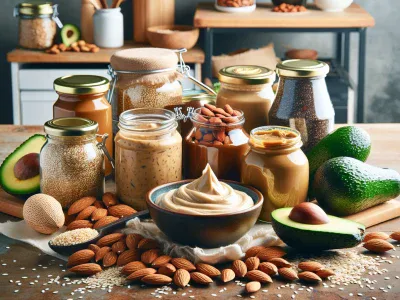
Picture spreading something creamy, rich, and delicious on your morning toast—without worrying about nut allergies or the same old flavors. Nut butter has long been a pantry favorite, but what if you could explore alternatives that are just as tasty, versatile, and packed with nutrients? Whether you’re avoiding nuts for health reasons or simply craving variety, there’s a world of options waiting to be discovered.
From seed-based spreads bursting with earthy undertones to unexpected blends offering unique textures and tastes, these alternatives can elevate your snacks and meals in ways you’ve never imagined. Ready to shake up your routine while keeping it healthy and satisfying? Let’s jump into the best substitutes that promise all the indulgence without compromise.
Why Consider Alternatives To Nut Butter?
Nut butters might not suit everyone. Allergies to nuts, like peanuts or almonds, can pose serious health risks for some individuals. For others, dietary restrictions or preferences could make nut-based spreads less appealing.
Diversifying your diet enhances nutritional intake. Alternatives such as seed butters (e.g., sunflower seed butter) offer remarkable sources of vitamins and minerals while avoiding common allergens. These options often provide unique flavor profiles that complement various dishes.
Environmental impact represents another reason to explore alternatives. The production of some nut crops, like almonds, consumes significant water resources. Choosing spreads made from seeds or legumes offers a more sustainable choice in many cases.
Cost considerations also matter for many households. Certain nuts have higher market prices compared to seeds or other ingredients used in alternative spreads, making these substitutes budget-friendly without compromising taste or quality.
If you’re seeking variety, alternatives bring exciting possibilities to your table—spreads made from tahini (sesame paste), coconut manna, and chickpeas (like hummus) introduce new textures and flavors that elevate meals beyond the usual expectations.
Top Criteria For Choosing The Best Alternative
Selecting the best alternative to nut butter involves evaluating several factors. Each plays a role in determining which spread meets your dietary, taste, and functional needs.
Nutritional Value
Prioritize spreads that offer essential nutrients like protein, healthy fats, and fiber. Seed-based options such as sunflower seed butter provide vitamin E and magnesium, while tahini delivers calcium and iron. Legume spreads like chickpea-based hummus are high in protein and low in saturated fat. Check ingredient lists to avoid added sugars or unhealthy oils.
Taste And Texture
Choose an alternative with flavors and consistencies you enjoy. Sunflower seed butter offers a nuttier flavor profile compared to creamy coconut manna, which has a mild sweetness. Pumpkin seed butter is slightly earthy but smooth. Experimenting with different textures—creamy versus chunky—can help match your preferences for specific uses like spreading on toast or blending into smoothies.
Allergy-Friendly Options
Ensure the option suits allergy requirements by checking for cross-contamination risks during production. SunButter is often produced in dedicated facilities free of tree nuts and peanuts, making it safer for those with severe allergies. Coconut-based alternatives work well if seeds pose concerns but note they may not suit everyone allergic to tree nuts due to classification overlap.
Best Alternatives To Nut Butter
Nut butter alternatives provide flavorful, nutritious options that cater to dietary needs and preferences. They offer versatility, making them perfect for spreads, dips, or recipe enhancements.
Seed Butters
Seed butters, such as tahini (made from sesame seeds) and pumpkin seed butter, deliver rich flavors and essential nutrients. Tahini adds a creamy texture to dressings or hummus with its earthy undertones. Pumpkin seed butter boasts magnesium and zinc content, supporting bone health and immunity. These spreads are allergy-friendly since they exclude common allergens like peanuts.
Coconut Butter
Coconut butter combines natural sweetness with a smooth consistency. It’s made from pureed coconut flesh, offering healthy fats like medium-chain triglycerides (MCTs). Use it as a toast spread or add it to smoothies for a tropical twist. Its mildly sweet flavor complements both savory dishes and desserts.
Sunflower Butter
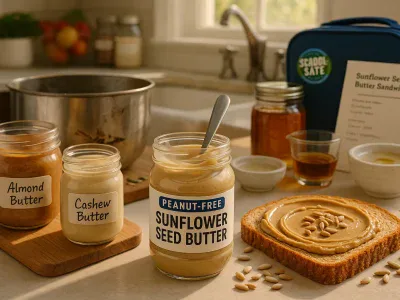
Sunflower butter serves as an excellent substitute for peanut butter in sandwiches or baking recipes. Packed with vitamin E and folate, it’s beneficial for skin health and cell function. This option is widely available in stores and safe for nut-allergic individuals due to its allergen-free production process.
Soy Butter
Soy butter offers a protein-rich alternative derived from roasted soybeans. It has a mild yet nutty taste suitable for dipping fruits or spreading on crackers. Also, soy-based spreads often contain isoflavones linked to heart health benefits.
How To Use These Alternatives In Your Diet
Incorporating nut butter alternatives into your meals is simple and versatile. From breakfast spreads to smoothie enhancements, these substitutes add flavor and nutrition without compromising on taste.
Spreading On Bread Or Crackers
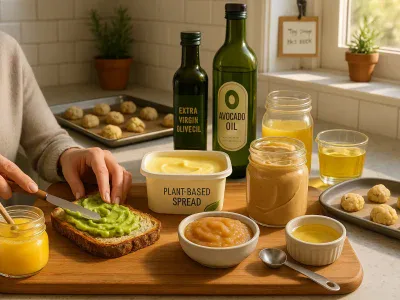
Spread seed butters like sunflower or pumpkin seed butter onto whole-grain bread or crackers for a nutrient-packed snack. SunButter pairs well with honey or jam, creating a balanced sweet-savory profile. Tahini adds a rich, earthy flavor to toast when combined with avocado slices or a drizzle of pomegranate molasses.
For savory options, try coconut butter sprinkled with sea salt on rice cakes. Soy butter can replace peanut butter in sandwiches while complementing bananas or jelly. Experiment with different textures to find combinations that suit your taste preferences.
Adding To Smoothies And Baking
Enhance smoothies by blending tahini or sunflower seed butter for extra creaminess and protein content. Add 1-2 tablespoons of your preferred spread alongside fruits like bananas and berries for an energy-boosting drink. Pumpkin seed butter pairs particularly well with cinnamon and nutmeg in autumn-inspired recipes.
Use these alternatives as baking ingredients by substituting them wherever traditional nut butters are called for in cookies, muffins, and granola bars. Coconut manna creates moist textures in baked goods due to its natural oils, while soy butter works excellently in vegan brownie recipes due to its creamy consistency.
Pairing With Fruits And Vegetables
Dip fresh apple slices into pumpkin seed butter for an antioxidant-rich snack that satisfies hunger between meals. Carrot sticks and celery pair well with tahini’s robust flavor; sprinkle sesame seeds over the top for added crunch if desired.
Combine coconut butter with pineapple chunks for a tropical dessert-like treat that’s sweetened without added sugars. For heartier snacks, use sunflower seed spread as a dip base mixed with herbs like dill or parsley to accompany sliced cucumbers or bell peppers.
Conclusion
Exploring nut butter alternatives opens up a world of delicious, nutritious options that cater to diverse needs and preferences. Whether you’re avoiding nuts due to allergies or seeking new flavors, these spreads offer exciting possibilities.
From seed-based butters packed with essential nutrients to unique options like coconut manna, there’s something for everyone. By experimenting with different tastes and textures, you can find the perfect addition to your snacks and meals.
Nut butter alternatives not only support dietary variety but also promote sustainability and affordability. Embrace these versatile spreads and enjoy their ability to elevate your everyday dishes effortlessly.
To provide the best experiences, we use technologies like cookies to store and/or access device information. Consenting to these technologies will allow us to process data such as browsing behaviour or unique IDs on this site. Not consenting or withdrawing consent, may adversely affect certain features and functions.
Functional
Always active
The technical storage or access is strictly necessary for the legitimate purpose of enabling the use of a specific service explicitly requested by the subscriber or user, or for the sole purpose of carrying out the transmission of a communication over an electronic communications network.
Preferences
The technical storage or access is necessary for the legitimate purpose of storing preferences that are not requested by the subscriber or user.
Statistics
The technical storage or access that is used exclusively for statistical purposes.The technical storage or access that is used exclusively for anonymous statistical purposes. Without a subpoena, voluntary compliance on the part of your Internet Service Provider, or additional records from a third party, information stored or retrieved for this purpose alone cannot usually be used to identify you.
Marketing
The technical storage or access is required to create user profiles to send advertising, or to track the user on a website or across several websites for similar marketing purposes.