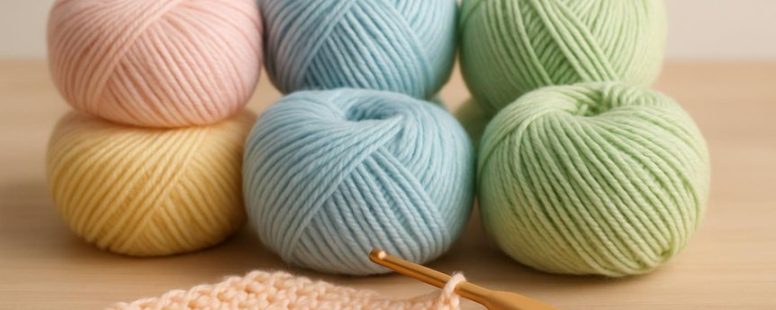
Choosing the right yarn can turn your crochet journey from frustrating to fabulous. Imagine feeling the soft, inviting texture glide through your fingers as your stitches come alive—each loop a small victory.
The perfect yarn isn’t just about color or price; it’s about weight and texture that make your learning curve feel like a gentle slope rather than a steep climb.
Surprisingly, selecting the right yarn can also boost your confidence, helping you see progress faster and inspiring you to try more complex projects.
Let’s discover the secret to making your first crochet adventures smooth and joyful.
Why Picking the Right Yarn Matters for Beginners
Choosing the right yarn is very important for beginners learning to crochet. The best yarn for new crocheters is usually smooth, medium-weight yarn. These yarns are easier to work with because they don’t split or tangle easily. For example, brands like Red Heart Super Saver or Lion Brand Vanna’s Choice are popular choices because they are soft and consistent.
Yarn characteristics like texture, fiber type, and color also matter. If the yarn is too slippery, like some silk or rayon yarns, it can be hard to control your stitches. Fuzzy yarns, like mohair or eyelash yarns, can also be frustrating because it’s hard to see your stitches clearly. On the other hand, yarns with a rougher texture might irritate your hands after a while.
Picking yarn with even thickness helps your project look neat and helps you learn stitches faster. Soft yarns make it easier to see your stitches and keep your tension even. But some beginners might prefer slightly thicker or textured yarns if they find smooth yarns too slippery.
One way to choose the right yarn is to read reviews or ask for advice at a craft store. Trying out a small amount of different yarns can help you see what feels best for you. Keep in mind that some yarns, even if they seem perfect, can be expensive or hard to find. So, start with affordable, medium-weight yarns from trusted brands and see how they work for you.
What Yarn Weight Is Best for Beginner Crochet Projects?
The best yarn weight for beginner crochet projects is medium-weight yarn, often called worsted weight. This type of yarn is thick enough so you can see your stitches clearly, but not so bulky that it’s hard to handle. If the yarn is too thin, like lace weight, your stitches will be tiny and hard to work with. If it’s too bulky, like bulky or super bulky yarn, your stitches might be hard to see and make the project feel heavy.
Starting with worsted weight yarn makes learning easier. It’s like walking instead of running—more stable and comfortable. Brands like Red Heart Super Saver and Lion Brand Wool-Ease are popular choices for beginners. They are easy to find at craft stores or online.
Some people might prefer very thin yarn for delicate projects, but that can be frustrating when you are just starting. Others might try super bulky yarn to make quick projects, but it can be hard to control. So, I suggest beginners stick with medium-weight yarn until they get more comfortable.
Best Yarn Fibers for Beginner Crocheters
Choosing the right yarn fiber is key when you’re just starting to crochet. The best yarn for beginners should be easy to work with, affordable, and comfortable. Here are some common fibers and what they offer:
Acrylic yarn is a top choice for beginners. It costs less than many other fibers, so you can practice without spending a lot. Acrylic is also easy to care for and comes in many colors. Its smooth texture helps your crochet hook move easily, making your projects more fun. Brands like Red Heart and Caron are popular options.
Cotton yarn is another good choice. It’s breathable and sturdy, which makes it great for dishcloths or summer clothes. Cotton can be a little stiffer than acrylic, so it might take some practice to get used to, but it creates nice, firm fabric.
Wool yarn offers warmth and coziness. It’s perfect for scarves or hats, especially in cold weather. But wool can be itchy or cause allergic reactions for some people. If you are sensitive, you might want to try softer blends instead.
Yarn blends combine different fibers like acrylic and wool. They give you the softness of one fiber and the durability of another. Blends can be easier to work with than pure wool, but they may cost a bit more.
Some people prefer certain fibers over others because of how they feel or how easy they are to care for. For example, acrylic is very forgiving and good for beginners, but some might find it less natural than cotton or wool. Wool is warm but can be tricky if you’re sensitive to texture. Blends offer a middle ground, but they can sometimes be more expensive.
Picking Affordable Yarn That’s Still Good Quality
Choosing affordable yarn that still works well is key for beginners. The best yarn is one that is soft, even in thickness, and doesn’t shed easily. These signs mean the yarn will feel good and last through your practice stitches and projects.
Here are simple tips to help you buy good yarn without spending too much:
Look for sales or clearance sections in stores like Michaels or Joann Fabrics.
Stick with trusted brands such as Red Heart or Lion Brand that are known for beginner-friendly yarn.
Try acrylic blends since they are inexpensive and last a long time.
Before buying a big amount, feel the yarn to check if it’s smooth and strong enough.
Some people say you should always go for the cheapest yarn, but that’s not true. Cheaper yarn can sometimes be rough or shed a lot, making your project frustrating. On the other hand, some expensive yarns might be too fancy for a beginner. Think about what you really need — durability, softness, and ease of use.
For example, if you want to make a cozy blanket, acrylic yarn like Red Heart Super Saver is a good pick because it’s affordable and holds up well over time. But if you want a delicate, shiny scarf, you might want to spend a little more on a softer yarn like Lion Brand Vanna’s Choice.
Keep in mind that not all affordable yarn is the same. Some brands might claim to be good but are actually rough or break easily. Always read reviews or ask for advice at your local craft store.
Best Yarn Colors and Textures for Beginner Crocheters
Choosing the right yarn colors and textures is key when you are just starting to crochet. The best yarns for beginners are usually solid or simple two-tone colors because they help you see your stitches clearly. Bright, contrasting colors like red and white or blue and yellow make it easier to spot mistakes and learn faster. Avoid yarns with busy patterns or many colors at once, as they can be confusing and hide your work.
When it comes to textures, smooth yarns are better for beginners. They glide easily on your hook and show stitches clearly. Fuzzy or highly textured yarns can hide mistakes and make it harder to learn. Some popular brands like Red Heart, Lion Brand, and Bernat offer good beginner-friendly yarns that feel soft and are medium weight. These yarns are easier to work with and make your projects more fun.
Some people like to try different textures, but for beginners, sticking to one or two simple types helps build confidence. For example, using a soft acrylic yarn for your first scarf or blanket is a good choice. As you get better, you can experiment with more complex textures.
Where to Buy Beginner-Friendly Yarn
Where to Buy Beginner-Friendly Yarn
If you’re just starting out with crochet or knitting, finding the right yarn is key. Beginner-friendly yarn is soft, easy to work with, and usually affordable. Here’s a simple guide on where to buy it and what to keep in mind.
Local Stores Are a Great Place to Start
Local craft stores or yarn shops are perfect for beginners. You can see and feel the yarn before buying, which helps you pick the right type. Staff members often give advice and show you how to choose yarns that are easy to work with. If you’re unsure about what to buy, visiting a local store can save you from wasting money on yarns that are too tricky for beginners. Just be aware that prices might be a bit higher than online, and the selection could be limited depending on the store.
Online Retailers Offer More Choices
Big online stores like Michaels or Hobby Lobby have a huge variety of yarns. You can compare prices easily and find many beginner-friendly options like acrylic or cotton yarns. Plus, online shops often have reviews from other buyers, so you can see which yarns are easiest to work with. But, you won’t be able to touch or see the yarn in person until it arrives. Shipping costs and delivery times can also be a concern.
Fiber Festivals and Craft Fairs
If you want to see unique or hand-dyed yarns, fiber festivals are a fun option. These events, like the Maryland Sheep and Wool Festival or the New York Sheep and Wool Festival, let you explore different kinds of yarns and meet other crafters. Sometimes, you can even try out yarns before buying. Keep in mind, festival prices can sometimes be higher, and travel costs might add up.
Subscription Boxes for Easy Starts
Subscription boxes like KnitCrate or We Are Knitters are great if you want someone to pick out beginner kits for you. These usually come with simple projects and soft, easy-to-use yarns. They’re a good way to discover new yarns without guesswork. However, they can be more expensive over time, and you might not get the exact yarn you prefer.
Important Tips
Choose yarns labeled as “beginner-friendly,” like acrylic, cotton, or blends.
Avoid very thin or textured yarns until you gain more experience.
Read reviews or ask for advice at stores to find the easiest yarns for beginners.
In summary, whether you prefer shopping in person or online, there are plenty of options to find yarns that are perfect for beginners. Start with local stores or online shops, explore fiber festivals if you can, and consider subscription boxes for an easy way to get started. Happy crafting!
Top Yarn Brands for Beginner Crocheters
The best yarn brands for beginner crocheters are those that are soft, affordable, and durable. These qualities matter a lot when you’re just starting out because they make learning easier and more enjoyable.
Some top brands like Red Heart, Lion Brand, and Caron offer yarns that are gentle to the touch and last through many projects. For example, Red Heart Super Saver is known for being thick and soft, perfect for practice projects. Lion Brand’s Vanna’s Choice is another favorite because it’s easy to work with and comes in many colors.
But, not all yarns are perfect for beginners. Some cheaper yarns might seem tempting but could fall apart easily or feel rough. On the other hand, very expensive yarns might be too soft and slippery, making stitches hard to control. It’s worth trying out a few brands to see what feels best for you.
If you’re wondering how to pick the right yarn, start with medium-weight yarns like worsted weight. They’re easier to handle and good for most beginner projects. Also, choose yarns made of acrylic because they are affordable, easy to care for, and widely available at stores like Michaels or JoAnn Fabrics.
Some people prefer natural fibers like wool for their softness, but they can be more expensive and sometimes itchy on sensitive skin. So, think about your budget and comfort when choosing.
Affordable Yarn Options
Affordable yarn options are a good choice for beginners. They help you learn without spending too much money. Cheap yarns can be good if they stay easy to work with and last over time. When choosing yarn for your first projects, look for brands that are dependable, soft, and simple to take care of. Here are some popular and inexpensive yarns to try:
Red Heart Super Saver: It’s cheap and easy to find. Great for practicing stitches and making projects. Some say it’s a bit rough, but it gets the job done.
Lion Brand Vanna’s Choice: Soft and strong. Perfect for beginners who want something comfortable to work with.
Caron Simply Soft: Has a smooth feel. Good for learning how to crochet or knit. It’s gentle on your hands.
Bernat Satin: Light and easy to handle. Good for small projects or practice.
Using affordable yarns does save you money, but keep in mind that some cheaper yarns might not be as soft or durable as more expensive options. If you plan to make something that lasts a long time or is worn often, consider investing in higher-quality yarn later. But for now, these options can help you build confidence and skills without breaking the bank. Would you rather start with a cheap yarn or spend a little more for better quality? Either way, these choices are a good way to begin.
Softness and Durability
Softness and durability are the two most important features to look for when choosing yarn for crochet projects. Soft yarn makes crocheting more comfortable and your finished items more pleasant to wear or use. Durability is also key, especially if you plan to wash or use your projects often. Some brands like Lion Brand and Red Heart offer yarns that balance both qualities well. These yarns feel smooth and stay soft over time without pilling or stretching out.
If you want your crochet projects to last and feel good, don’t pick yarn that is only soft or only durable. Investing in yarns that have both qualities will make your experience better and your projects last longer. For example, a soft, durable yarn like Caron Simply Soft can be a good choice for blankets or wearables.
However, some yarns may be very soft but not hold up well after many washes. On the other hand, super durable yarns can sometimes feel rough and less comfortable. So, it’s a good idea to read reviews or test small amounts before starting big projects.
In the end, the best yarn depends on what you need. Softness makes crochet more fun, but durability keeps your projects looking good over time. Finding the right balance can help you create beautiful, lasting items that you’ll enjoy for years.
How to Care for Your Yarn and Finished Crochet
Taking care of your yarn and finished crochet projects is easier than you think, and it helps them last longer. Good storage keeps your yarn in shape, so keep skeins in a cool, dry place away from sunlight. If the yarn fades or weakens, it’s probably because it was exposed to too much light or moisture. When washing finished items, always check the label. For delicate pieces, hand washing in cold water is best to prevent stretching or felting.
Here are some simple tips to keep your crochet projects looking great:
Store yarn in breathable containers like cotton bags or baskets. This prevents moisture from making your yarn mold or weaken.
Wash finished items gently with mild detergent. Use cold water to protect the fibers.
Lay crochet pieces flat to dry. Reshape them if needed while drying to keep their shape.
Do not hang projects to dry. Hanging can cause stretching and misshapen projects over time.
Some people think special care is not needed, but proper maintenance can save your favorite projects from damage. Remember, if you follow these steps, your yarn and crochet items will stay vibrant and strong for a long time. Just be aware that some delicate yarns need extra gentle handling, and over-washing can weaken fibers. Always listen to your yarn label instructions and use your best judgment.
Sources like the Craft Yarn Council recommend these simple steps to care for crochet projects. So next time you finish a project, think of it as giving your work a little spa treatment. It’s worth the effort to keep your crochet looking its best!
To provide the best experiences, we use technologies like cookies to store and/or access device information. Consenting to these technologies will allow us to process data such as browsing behaviour or unique IDs on this site. Not consenting or withdrawing consent, may adversely affect certain features and functions.
Functional
Always active
The technical storage or access is strictly necessary for the legitimate purpose of enabling the use of a specific service explicitly requested by the subscriber or user, or for the sole purpose of carrying out the transmission of a communication over an electronic communications network.
Preferences
The technical storage or access is necessary for the legitimate purpose of storing preferences that are not requested by the subscriber or user.
Statistics
The technical storage or access that is used exclusively for statistical purposes.The technical storage or access that is used exclusively for anonymous statistical purposes. Without a subpoena, voluntary compliance on the part of your Internet Service Provider, or additional records from a third party, information stored or retrieved for this purpose alone cannot usually be used to identify you.
Marketing
The technical storage or access is required to create user profiles to send advertising, or to track the user on a website or across several websites for similar marketing purposes.