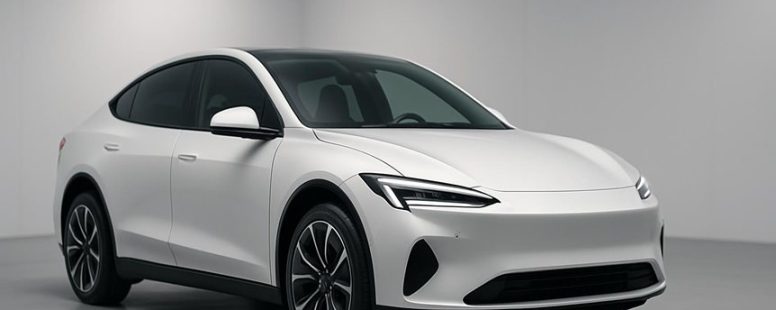
Thinking about upgrading to an electric SUV but want to avoid the familiar silhouette of the Tesla Model Y? Imagine sliding behind the wheel of a vehicle that feels just as responsive and sleek, yet offers fresh surprises under the hood.
The Ford Mustang Mach-E and Hyundai Ioniq 5 stand out as compelling alternatives, blending cutting-edge battery tech with impressive range and charging speed.
A lesser-known perk? The Ioniq 5’s ultra-fast charging can fill the battery in the time it takes to enjoy a coffee, turning long trips into quick pit stops.
Which of these dynamic contenders will best match your lifestyle’s rhythm? Let’s dive into what makes them shine.
Key Criteria for Choosing a Model Y Alternative EV
When choosing a good electric vehicle (EV) that can replace a Tesla Model Y, it’s smart to focus on a few key things. First, battery technology is very important. It determines how far the car can go, how fast it charges, and how safe it is. Look for a battery that lasts a long time and charges quickly without risking safety. For example, some brands like Ford Mustang Mach-E and Hyundai Ioniq 5 are known for their good batteries, but they still have limits.
Second, performance matters. You want an EV that feels powerful but still efficient. Check its acceleration, handling, and top speed. For example, the Porsche Taycan offers quick acceleration and great handling, but it costs more. The Kia EV6 might be more affordable but still performs well. Think about what you need most—speed or everyday usability.
Finally, think about how the car works in real life. Will it fit your daily routine? Does it have enough space, good charging options, and easy controls? Some EVs might have impressive specs but are tricky to use every day. For example, a car with a long range is nice, but if it takes hours to charge, it might not be practical.
In short, when picking an EV to replace a Model Y, compare battery tech and how it performs. These are good signs of a car that’s both reliable and fun to drive. Be careful—some models might look great on paper but fall short in real life. Always check real reviews and test drive before making a decision.
Charging and Infrastructure: What You Need to Know
The best way to pick an electric vehicle (EV) like the Model Y is to see how easy it is to charge. You need to know if charging is simple at home and on the road. A good charging network helps you avoid worries about running out of power, while easy home charging makes daily drives easier. Here’s what to look for to stay powered up wherever you go.
First, consider charging at home. Most EV owners install a home charger. A Level 2 charger is faster and more convenient. It can give your car enough power overnight so you’re ready in the morning. But some homes might not have the right electrical setup, which can add extra costs or delays. Also, if you live in an apartment or a place without a garage, home charging might not be possible.
Second, look at charging stations when you’re on the road. Public chargers are key. The Tesla Supercharger network is popular because it’s fast and easy to find, especially if you own a Tesla Model Y. Other networks like Electrify America and ChargePoint are growing fast too. They offer fast chargers that can fill up your car in 20 to 30 minutes. But coverage can vary by area. In some places, finding a charger might be hard, and prices can fluctuate.
Some people prefer fast chargers, but they can also wear out your battery faster if used often. It’s good to have a mix of fast chargers and regular ones for longer trips. Also, not all chargers work with every EV, so check compatibility before you rely on a certain network.
There are two main viewpoints. One says investing in a home charger is best for daily convenience. The other warns that public charging stations are not always reliable or available, especially in rural areas. So, think about your driving habits and where you usually go.
In conclusion, good charging options depend on your lifestyle. If you mostly drive locally, home charging might be enough. If you take long trips often, a strong network of fast chargers is crucial. Remember, no system is perfect. Always plan ahead, and keep a backup plan if you’re far from a charger.
Sources: Tesla, Electrify America, ChargePoint.
Charging Network Availability
If you drive an electric vehicle (EV) like the Tesla Model Y, having a good charging network is super important. Without reliable chargers, your daily drive can become stressful. When choosing an EV, look closely at the charging options available. Here are some key points to consider:
Coverage: Are there charging stations near your home, work, or places you go often? If chargers are far away, it makes charging harder and more time-consuming. For example, Tesla’s Supercharger network covers many busy routes across the US, making long trips easier. Other networks like Electrify America are growing fast but may not be everywhere yet.
Charger Types: Does the network have fast chargers that your EV can use? Fast chargers can fill your battery in about 30 minutes. Some EVs, like the Model Y, work best with certain chargers. Make sure the network offers chargers compatible with your car, or you may waste time waiting.
Availability: Are chargers usually free or busy? If chargers are often full when you arrive, you might wait longer or have to go somewhere else. Some networks track real-time availability, so using an app can help you find free chargers quickly.
App Integration: Can you easily find chargers, reserve a spot, and pay through a simple app? Good apps can save you time and frustration. For example, Tesla’s app makes it easy to start charging, see your remaining charge, and pay without extra hassle.
Remember, choosing an EV with access to a strong and dependable charging network can make your daily driving smoother. Think about what your regular routes need, and don’t forget that a good network can save you hours and headaches. It’s almost as important as the car itself.
Sources: Tesla, Electrify America, ChargePoint.
Home Charging Options
Making charging your electric vehicle (EV) easy is all about choosing the right home charging setup. The best way to do this is with a smart home charging station. This device lets you plug in your EV overnight and wake up with a full battery. It saves time and makes driving electric simpler.
To set up a home charger, first check your electrical panel. Some older homes might not have enough capacity for a fast charger. If your panel is full, you might need to upgrade it. Next, look at your garage or parking space. A Level 2 charger is a good choice because it charges faster than plugging into a regular outlet. Most popular brands are ChargePoint and ClipperCreek, and they work with most EVs.
Getting a professional to install the charger is very important. They make sure everything is safe and works well. Without proper setup, there is a risk of electrical problems or fires. So don’t skip this step.
Some people say, “Why pay for installation when I can just plug it into my regular outlet?” Well, a normal outlet charges very slowly and might not be enough if you drive a lot. But if you only drive a little each day, a regular outlet could work. Just remember that it will take many hours to fully charge your EV.
Investing in home charging gives more control over when and how your car gets energy. It also means you don’t have to rely on public charging stations that might be busy or far away. Plus, charging at home can save you money if your utility offers special rates for overnight power.
In the end, setting up a home charging station is a smart move for EV owners. It makes your daily drive easier and takes away some of the stress of charging. Just make sure to choose the right charger, check your home’s electrical system, and get expert help with the install. This simple upgrade can make electric driving much more convenient.
Top Model Y Alternative Electric SUVs
Electric SUVs that compete with the Tesla Model Y are gaining attention. Here’s a simple guide to compare their range, speed, and tech features. I’ll also tell you how comfortable they are inside and if they give good value for your money. This way, you can find the best one for your needs without wasting money on something not worth it.
First, let’s look at range. Some SUVs can go over 300 miles on a single charge, like the Ford Mustang Mach-E and Volkswagen ID.4. Others, like the Hyundai Ioniq 5, are close but may not last as long. Think about how far you drive each day. If you need to go on long trips, pick one with a longer range.
Next, performance. The Tesla Model Y is known for quick acceleration. A few competitors, like the Audi Q4 e-tron and BMW iX3, also have strong power. Some are slower but may be more comfortable or cheaper. Decide if speed or comfort is more important for you.
Then, tech features. Tesla has a big touchscreen and many smart features. Other brands like Ford and Hyundai put in good tech too but may not be as advanced. Check if the features are easy to use and useful for your daily life.
Finally, comfort and value. How much room is inside? Are seats comfy? Is the SUV worth its price? Some offer more space and better features for less money, but might not have the same range or speed.
In the end, compare these points based on what matters most to you. Do you want a fast, long-range SUV or one with the best tech? Remember, no car is perfect. Always test drive and read reviews before buying. This way, you avoid wasting money on something that doesn’t fit your needs.
Range and Performance Comparison
What makes a good alternative to the Tesla Model Y stand out? It’s mainly about how far the vehicle can go on a single charge and how fast it can accelerate. When I compare electric SUVs, I look at four main points:
Battery efficiency – How many miles can you drive per charge? A higher number means fewer stops to recharge. For example, some models can go over 300 miles before needing a charge, which is a big plus for road trips.
Real-world range – Some cars claim long ranges but don’t always deliver in real driving. It’s better to check reviews or real-world tests to see what drivers actually get.
Acceleration – How quick is the SUV from 0 to 60 miles per hour? Faster times mean a more responsive, fun driving experience. For instance, some electric SUVs can do it in under 5 seconds.
Consistency – Does the car keep its performance in different weather or battery levels? A car that drops performance in cold weather or when the battery is almost empty isn’t very reliable.
Some brands like Ford Mustang Mach-E and Volkswagen ID.4 are popular alternatives. But beware, some models might claim long ranges but fall short in real life. And quick acceleration is great, but it can drain the battery faster. Always check real-world reviews and test drive if you can.
If you just want a simple answer, look for an EV that offers high efficiency, real-world range, quick acceleration, and consistent performance. Otherwise, you might end up disappointed or stuck with a car that doesn’t meet your needs.
Interior and Technology Features
The inside of an electric SUV is just as important as its range and speed. When comparing options to the Tesla Model Y, many people notice the interior design first. Clean lines, good-quality materials, and smart use of space make a big difference. For example, some vehicles have more comfortable seats or bigger cargo areas. But looks are not everything. Technology inside the car matters too. A fast touchscreen, easy-to-use controls, and features like over-the-air updates help make driving easier and keep the car feeling new. Some competitors, such as the Ford Mustang Mach-E or Volkswagen ID.4, offer customizable digital screens and advanced driver help systems that are similar to Tesla’s. For many drivers, a well-designed cabin with easy technology makes the drive more enjoyable. These features are just as important as the car’s specs under the hood.
Pricing and Value Options
Pricing and Value Options
When choosing an electric SUV like the Tesla Model Y, price matters a lot. But it’s not just about the sticker price. Here’s what to think about to find the best deal:
Look at the full cost. The starting price might seem low, but think about the cost when you add features and upgrades. For example, adding a bigger battery or better autopilot can increase the total price. So don’t just compare base prices.
Check for incentives and tax credits. Many states and companies offer discounts or tax breaks for buying electric vehicles. These can cut hundreds or thousands of dollars from what you pay in the end. For example, federal tax credits for Tesla or Ford Mustang Mach-E can make a big difference.
Consider resale value. Some brands keep their value better over time. This means if you sell your car later, you might get more money back. Brands like Tesla or Toyota often hold their value well.
Look at warranties and maintenance costs. Some cars come with free maintenance or longer warranties. These save money on repairs later and add value to your purchase. For example, Hyundai offers a long warranty that can save you money over time.
Two viewpoints: Some say that a slightly higher price now can save money later with better resale and lower maintenance. Others argue that focusing only on incentives might lead you to buy a more expensive model that you don’t really need.
Warning: Be careful. Not all incentives are available in every state, and resale values can change over time. Also, warranties might not cover everything, so read the fine print.
Imagine this: Buying an electric SUV is like buying a smartphone. The cheapest model might lack features you want. The more you pay upfront, the more features and savings you get later. But if you don’t need those extras, it might not be worth it.
Remember: Do your homework. Compare total costs, incentives, resale value, and warranties. This way, you’ll find the best electric SUV deal for you.
Comparing Range and Performance of Model Y Alternatives
The best electric vehicle (EV) options to replace the Model Y mainly differ in how far they can go on a single charge and how well they perform on the road. The key factor here is battery efficiency, which means how many miles a car can travel per charge. Some competitors like the Ford Mustang Mach-E and Volkswagen ID.4 can go nearly as many miles as the Model Y, and in some cases, even more.
Driving feel is just as important. You want a car that responds quickly when you press the gas and feels steady on the road. The Model Y is known for its quick throttle response and smooth handling. However, some rivals, such as the Mustang Mach-E and ID.4, also offer fun driving experiences, though they might not match the Model Y in acceleration or range.
If you care about getting the most miles per charge, check the battery stats of each car carefully. For example, the Volkswagen ID.4 has a slightly smaller range but can be a good choice if you prefer a less expensive option. On the other hand, the Mustang Mach-E offers a sporty feel with impressive speed, making it a good pick for those who want fun and distance.
Which EV Offers the Best Value for Your Money?
Which Electric Vehicle Offers the Best Value for Your Money?
The best EV for your money is the one that gives you the most features for the price you pay. Here’s how to figure that out.
1. How much it costs upfront
The first thing to look at is the price. Some EVs cost more but come with extra features, and others are cheaper but might not have what you need. For example, a Chevy Bolt may cost less than a Ford Mustang Mach-E but might have fewer range options.
2. Long-term savings
Electric cars save money over time because they cost less to run and fix. They don’t need oil changes or many repairs. Think about how much you’ll save on gas and maintenance in the next few years.
3. Resale value
Some EVs hold their value better than others. If you buy a car that drops in value quickly, you might lose money when you sell it later. For example, Tesla models tend to keep their value better than many other brands.
4. Incentives and tax credits
Many states and the federal government offer discounts or tax credits for buying an EV. These can cut the initial cost down significantly. Always check what’s available in your area before buying.
What to watch out for:
Some cheap EVs might have a short range or fewer features. Also, incentives can change, so don’t count on them being there forever. And consider how long you plan to keep the car—if you sell it in a few years, resale value matters more.
Two viewpoints:
Some people say spend more upfront to get a longer-lasting, higher-range EV. Others prefer cheaper cars with fewer features, hoping they won’t need many repairs. Both choices have pros and cons, so think about what matters most to you.
Warning:
Not all EVs are equal. A low price today might mean higher costs later. And incentives can disappear, so don’t rely on them too heavily.
In short:
Find the EV that offers the best features for the price, saves you money over time, keeps its value well, and benefits from available discounts. That way, you get the most bang for your buck.
What Makes These Model Y Alternatives Stand Out?
What Makes These Model Y Alternatives Stand Out?
The first thing to know is that these electric vehicles (EVs) are not just copies of Tesla’s Model Y. They stand out because they look great and have features that make them safe and fun to drive. Some models even have designs that look more modern or different, so you don’t feel like you’re driving the same car as everyone else. For example, brands like Ford Mustang Mach-E and Volkswagen ID.4 offer styles that catch your eye and fit many tastes.
Safety is a big deal, too. These cars often get high safety scores from testing agencies like the National Highway Traffic Safety Administration. They include safety features such as emergency braking, lane keep assist, and good crash protection. Some models even add new tech like cameras and sensors that help prevent accidents. However, not all models have the same safety ratings, so check carefully before buying.
Technology and comfort are other reasons to consider these vehicles. Many come with touch screens, smartphone connectivity, and comfy seats. Some even have quieter rides or better space for families. For instance, the Kia EV6 has fast charging and a spacious interior, making long trips easier. But be aware that some of these alternatives might have less charging infrastructure or shorter ranges compared to Tesla, which could be a problem if you drive a lot.
In the end, these EVs don’t just fill the gap left by Tesla. They often beat it by offering unique styles, high safety scores, and features that make driving more enjoyable. Still, it’s wise to compare each one based on safety ratings, range, price, and features. Some models might look good but lack enough charging stations nearby, or they might be more expensive than Tesla’s options. So, do your homework before choosing your perfect alternative.
Which Model Y Alternative Fits Your Driving Lifestyle Best?
Which Model Y Alternative Fits Your Driving Lifestyle Best?
Choosing the right Model Y alternative depends on what you need from a vehicle. Here are some key points to consider based on your driving habits:
1. Daily Commute
If you drive a lot every day, look for a vehicle that has good fuel efficiency and a long driving range. For example, some electric SUVs can go over 300 miles on a single charge. This means fewer stops at charging stations and less worry about running out of power during your daily drive.
2. Family Needs
If you often travel with kids or carry lots of gear, pick a model with plenty of space. Safety features like airbags, strong crash ratings, and easy-to-use child seats are also important. Vehicles like larger SUVs or minivans might be better choices because they offer more room and safety.
3. Tech Lover
If you love technology, choose a model with the latest infotainment systems and driver-assist features. Some cars come with giant touchscreens, premium sound systems, and advanced safety tech like automatic braking or lane keeping. These features make driving more fun and safer, but they can also add to the cost.
4. Adventure Seeker
If you like weekend trips or outdoor adventures, look for a vehicle with good off-road capability and durability. Some SUVs are built with rugged tires, higher ground clearance, and all-wheel drive, making them better for rough roads or mountain trails. Be aware, though, that these models might use more energy and have a higher price tag.
Counterpoints to consider:
While some models promise long range and fancy tech, they can be costly or less practical for everyday use. Also, not all off-road vehicles handle well on city streets or in traffic. It’s good to test drive several options and read reviews before making a decision.
Skeptical thoughts:
Many claims about electric vehicles or SUVs sound too good to be true. Some models might not deliver the promised range or safety features as shown on paper. Always check real-world reviews or talk to current owners before buying.
For busy, distracted buyers:
If you’re scrolling late at night, remember that choosing a vehicle isn’t just about cool features. Think about your main needs first—range, space, tech, or adventure. Focus on what you really use most, and don’t get dazzled by flashy extras.
Summary:
Picking the best Model Y alternative is about matching your vehicle to how you drive and what you value. Whether it’s daily commuting, family trips, tech gadgets, or outdoor fun, there’s a vehicle out there that fits. Just make sure to weigh the claims carefully, test drive, and consider your real needs before making a move.
To provide the best experiences, we use technologies like cookies to store and/or access device information. Consenting to these technologies will allow us to process data such as browsing behaviour or unique IDs on this site. Not consenting or withdrawing consent, may adversely affect certain features and functions.
Functional
Always active
The technical storage or access is strictly necessary for the legitimate purpose of enabling the use of a specific service explicitly requested by the subscriber or user, or for the sole purpose of carrying out the transmission of a communication over an electronic communications network.
Preferences
The technical storage or access is necessary for the legitimate purpose of storing preferences that are not requested by the subscriber or user.
Statistics
The technical storage or access that is used exclusively for statistical purposes.The technical storage or access that is used exclusively for anonymous statistical purposes. Without a subpoena, voluntary compliance on the part of your Internet Service Provider, or additional records from a third party, information stored or retrieved for this purpose alone cannot usually be used to identify you.
Marketing
The technical storage or access is required to create user profiles to send advertising, or to track the user on a website or across several websites for similar marketing purposes.