In the world of automobiles, understanding the subtle yet crucial differences between drivetrain systems can significantly enhance your driving experience. Among the most discussed options are All-Wheel Drive (AWD) and Four-Wheel Drive (4WD), both of which offer unique capabilities and advantages. Whether you’re traversing rugged terrains or navigating snow-laden roads, recognizing when and why to choose the right system is essential.
Understanding AWD and 4WD Systems
Overview of All-Wheel Drive (AWD)
All-Wheel Drive systems are designed to provide power to all four wheels simultaneously, optimizing traction and stability. This system, often managed by advanced computer algorithms, adjusts power distribution in real time according to the driving conditions. AWD is particularly advantageous on slippery roads or uneven terrain, where a steady grip is paramount.
Overview of Four-Wheel Drive (4WD)
Four-Wheel Drive systems, in contrast, are more mechanically robust, equipped to handle extreme off-road conditions. They typically feature a low-range gear, allowing the vehicle to navigate steep inclines and challenging surfaces effectively. Controlled manually or electronically, 4WD systems are favored in vehicles intended for adventures beyond typical paved roads.
Comparison of AWD and 4WD Features
Capabilities: Off-Roading and Weather Conditions
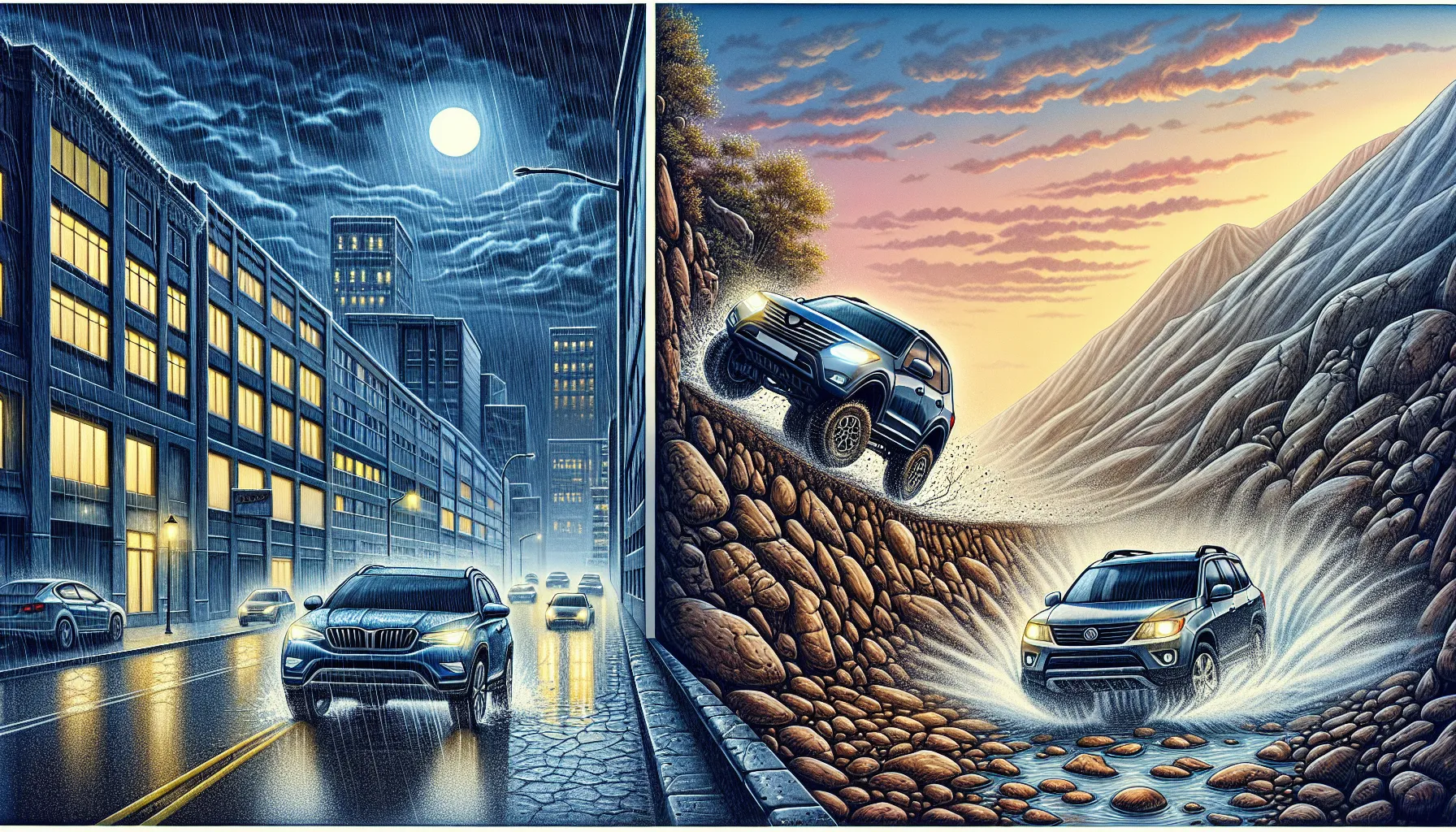
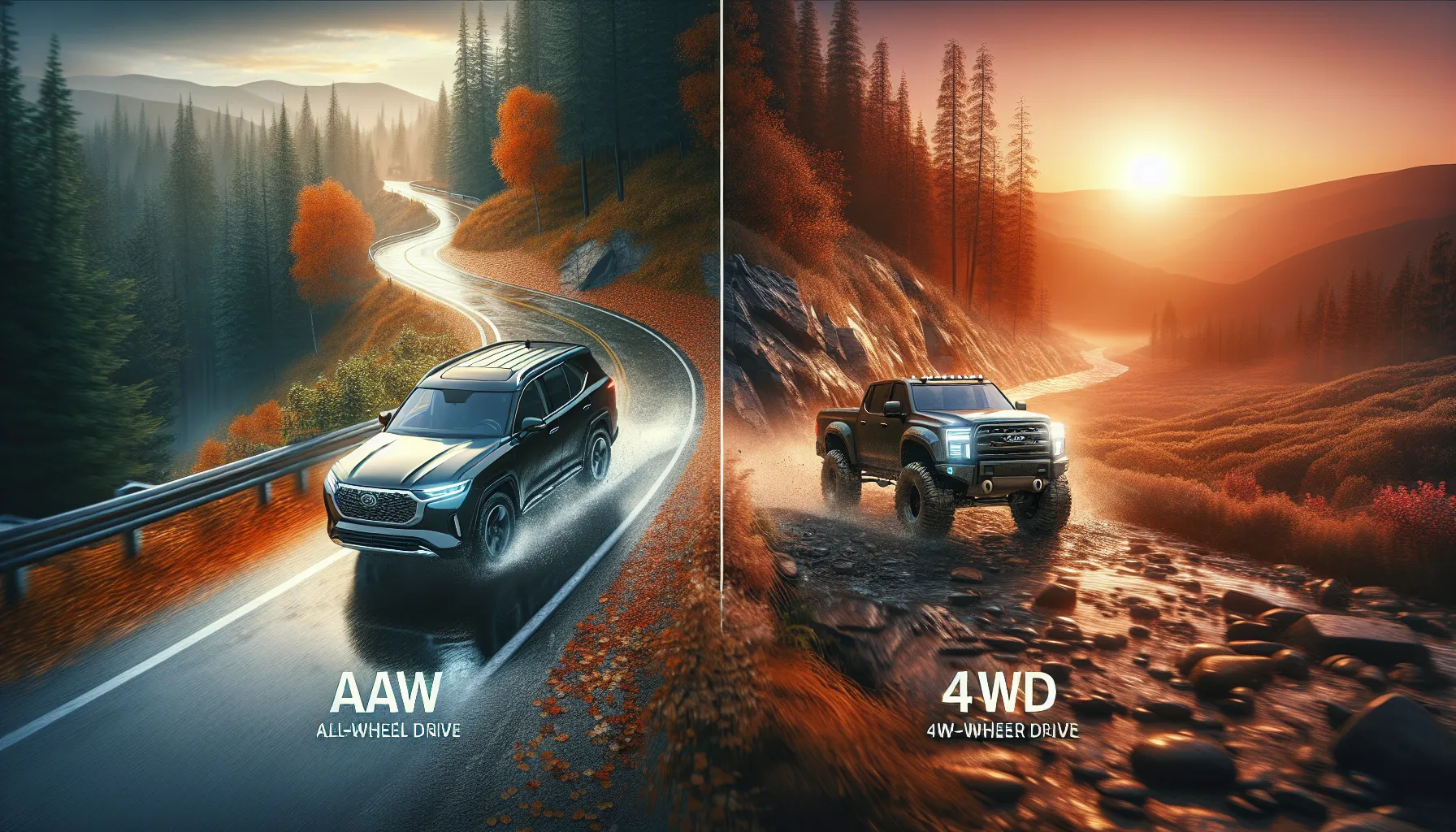
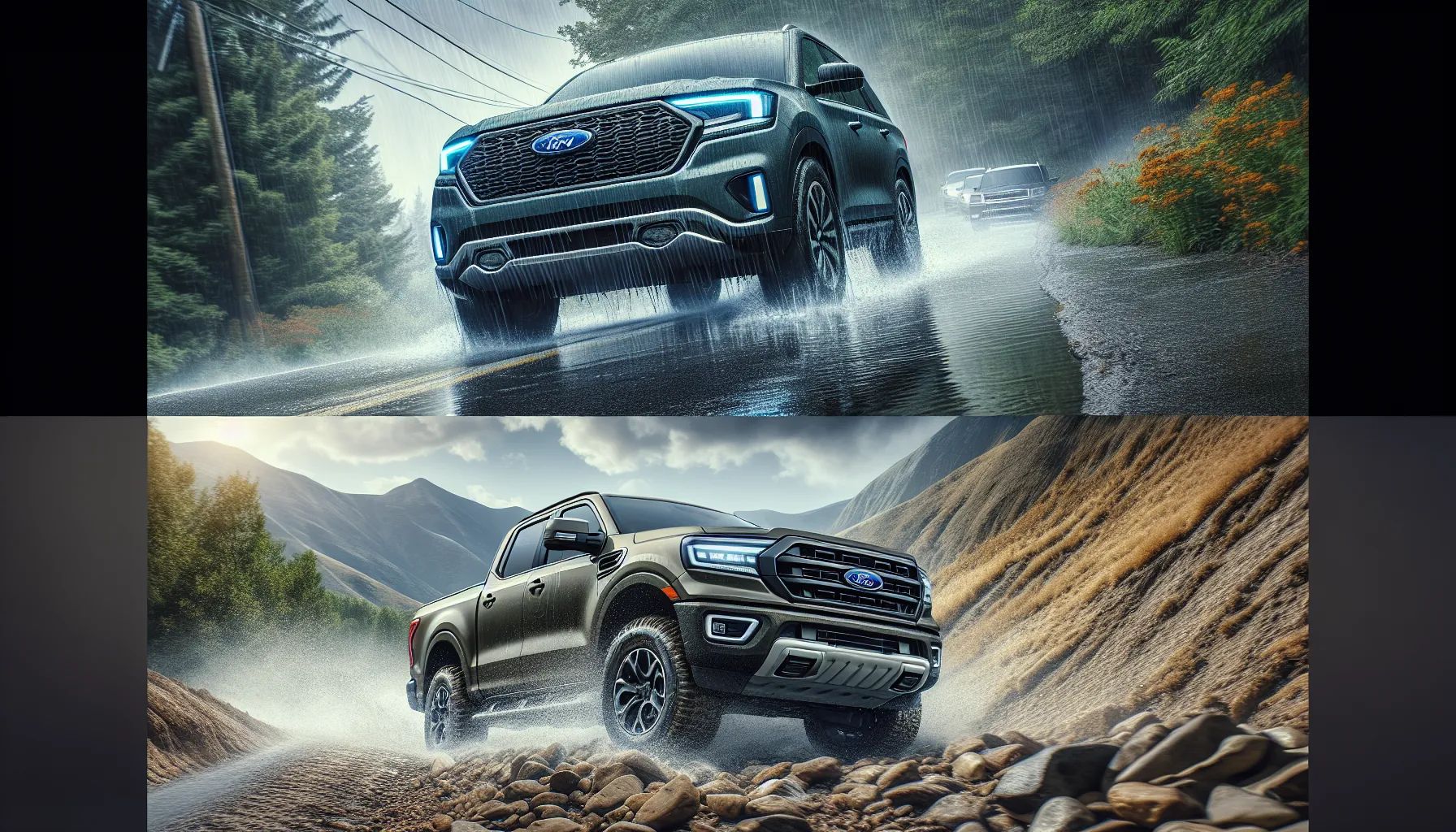
When considering capability, AWD systems excel in on-road conditions where traction can vary unexpectedly, such as during rain or snow. Conversely, 4WD shines in off-road environments, capable of tackling mud, rocks, and inclines with ease.
Technological Differences and Workings
Technologically, AWD utilizes sensors and computers for automatic adjustments, ensuring effortless shifts in power between axles. In contrast, 4WD involves a mechanical linkage that the driver engages manually or through a switch, emphasizing control and power.
Pros and Cons of AWD and 4WD
All-Wheel Drive pros include ease of use in varying conditions and continuous operation without driver intervention. But, AWD systems can be more expensive and less adept in extreme off-roading. Four-Wheel Drive systems, while superior in capabilities for rugged terrain, require more maintenance and manual engagement, and their use on dry, firm surfaces is not recommended.
When to Choose AWD or 4WD
Choose AWD if you frequently drive in diverse weather conditions or if you value convenience and safety in everyday commuting. Opt for 4WD if your lifestyle involves off-road adventures, wilderness explorations, or heavy towing jobs that demand enhanced capability.
Applications in Various Vehicle Types
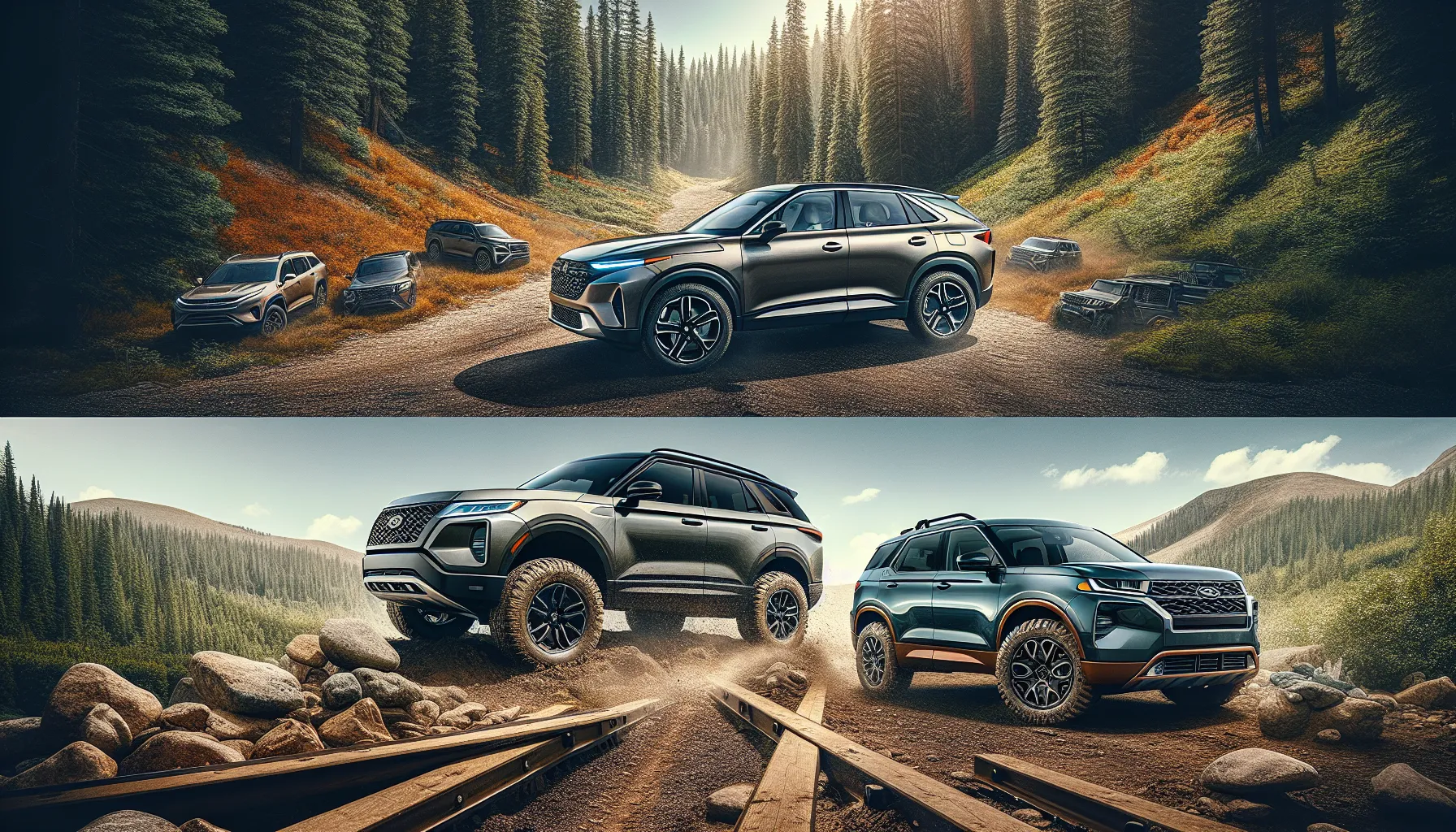
AWD is commonly found in modern sedans, crossovers, and some lighter SUVs thanks to its all-condition versatility. Four-Wheel Drive is prevalent in larger SUVs and trucks, tailored to users needing power and durability for demanding tasks and terrains.
To provide the best experiences, we use technologies like cookies to store and/or access device information. Consenting to these technologies will allow us to process data such as browsing behaviour or unique IDs on this site. Not consenting or withdrawing consent, may adversely affect certain features and functions.
Functional
Always active
The technical storage or access is strictly necessary for the legitimate purpose of enabling the use of a specific service explicitly requested by the subscriber or user, or for the sole purpose of carrying out the transmission of a communication over an electronic communications network.
Preferences
The technical storage or access is necessary for the legitimate purpose of storing preferences that are not requested by the subscriber or user.
Statistics
The technical storage or access that is used exclusively for statistical purposes.The technical storage or access that is used exclusively for anonymous statistical purposes. Without a subpoena, voluntary compliance on the part of your Internet Service Provider, or additional records from a third party, information stored or retrieved for this purpose alone cannot usually be used to identify you.
Marketing
The technical storage or access is required to create user profiles to send advertising, or to track the user on a website or across several websites for similar marketing purposes.