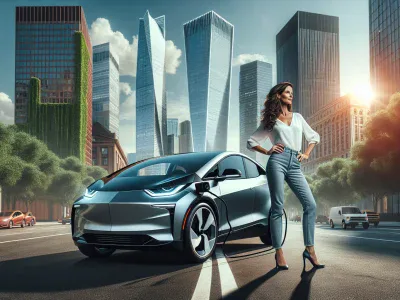
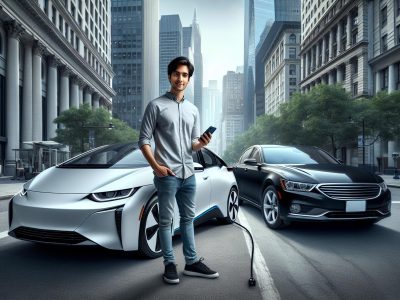
Imagine cruising down the road in a sleek, silent vehicle, the hum of the engine replaced by the whisper of innovation. As the world shifts toward cleaner energy, the choice between electric cars and hybrid cars has become more than just a decision—it’s a statement about your values and lifestyle. But how do you decide which one fits your needs?
Electric cars promise zero emissions and a fully electric driving experience, while hybrids offer a blend of traditional and electric power, balancing efficiency with familiarity. Each option comes with its own perks and trade-offs, leaving you to weigh convenience, cost, and sustainability. Whether you’re drawn to cutting-edge technology or a practical middle ground, understanding the key differences can make all the difference. So, which one will drive your future?
Overview Of Electric Cars And Hybrid Cars
Electric cars and hybrid cars dominate the conversation about sustainable transportation. Understanding their distinctions helps you evaluate their suitability based on your commuting needs, environmental concerns, and budget priorities.
What Are Electric Cars?
Electric cars (EVs) operate exclusively on electricity. They use large batteries to power an electric motor, eliminating the need for internal combustion engines. Charging is done via designated charging stations or home setups, typically requiring several hours for a full charge. Examples include Tesla Model 3, Nissan Leaf, and Chevrolet Bolt.
EVs produce zero tailpipe emissions, which significantly reduces their environmental impact. They come with lower operating costs since electricity is generally cheaper than gas, and they have fewer moving parts. Some drawbacks include limited range (commonly between 150 to 400 miles per charge) and dependency on charging infrastructure.
What Are Hybrid Cars?
Hybrid cars use a combination of a gasoline engine and an electric motor, blending traditional and modern technology. The electric motor is powered by a smaller battery that’s charged through regenerative braking and the engine itself. Examples include Toyota Prius, Honda Insight, and Ford Escape Hybrid.
Hybrids provide better mileage than conventional cars by switching between gas and electricity. They offer longer driving ranges than pure EVs because you’re not reliant solely on battery power. But, hybrids still rely on fossil fuels and produce emissions, albeit less than traditional vehicles. Maintenance may also be slightly higher due to the dual-system complexity.
Key Differences Between Electric Cars And Hybrid Cars
Understanding the distinctions between electric cars (EVs) and hybrid cars is essential when considering performance, efficiency, and environmental impact. Each offers a unique blend of features that cater to different preferences and needs.
Powertrain And Engine Design
Electric cars run exclusively on electricity, powered by a battery pack that drives an electric motor. This setup eliminates the need for a traditional engine, resulting in zero dependence on gasoline. For example, Tesla Model 3 relies entirely on its rechargeable lithium-ion battery for propulsion.
Hybrid cars combine a gasoline engine with an electric motor, supported by a smaller battery. The battery in hybrids, like those in the Toyota Prius or Honda Insight, works alongside the engine, optimizing fuel efficiency during stop-and-go traffic or for short trips. But, hybrids still burn fossil fuels, even with their partial electric assistance.
Range And Battery Life
Electric cars generally provide a driving range dictated by the battery capacity. Modern EVs like the Chevrolet Bolt or Nissan Leaf offer ranges of 259 and 212 miles on a full charge, respectively. While charging infrastructure continues to expand, limited availability in certain areas can sometimes be a constraint for long-distance travel.
Hybrids, leveraging both electric and gas systems, deliver longer ranges compared to most EVs. For instance, the Toyota Camry Hybrid achieves a combined range of over 600 miles per tank. Since hybrids use the gasoline engine for extended drives, they don’t rely on charging stations, making them more convenient for trips without access to electrical infrastructure.
Environmental Impact
Electric vehicles produce zero tailpipe emissions, significantly reducing their environmental footprint compared to gasoline-powered cars. Their sustainability hinges on the energy used for electricity generation—renewable energy sources maximize their eco-friendly potential.
Hybrids emit lower greenhouse gases than traditional vehicles but still contribute to pollution due to partial reliance on gasoline. While hybrids are a more sustainable alternative for reducing fuel consumption, EVs have the edge in minimizing overall environmental impact if powered by clean energy.
Driving Experience
Driving an electric car offers smooth acceleration and quiet operation. The instant torque from the electric motor delivers impressive performance, exemplified by the rapid acceleration in models like the Tesla Model Y. The absence of engine noise contributes to a serene driving experience.
Hybrids maintain a traditional driving feel, with seamless transitions between the gasoline engine and electric motor. This balance ensures better handling in certain conditions, such as highway driving, but the engine noise and occasional vibrations might remind you of conventional cars.
By exploring these key differences, your understanding of how electric and hybrid cars align with your driving preferences and priorities increases. Choosing between the two requires weighing factors like environmental impact, convenience, and long-term cost benefits.
Cost Considerations
Electric cars and hybrid vehicles differ significantly in terms of upfront expenses, ongoing costs, and financial incentives. Understanding these factors can help you make an informed choice aligned with your budget and goals.
Purchase Price
Electric vehicles (EVs) often come with a higher initial price compared to hybrid cars. For example, a basic EV like the Nissan Leaf starts around $29,000, whereas a popular hybrid like the Toyota Prius begins at approximately $27,000. Luxury EVs, such as Tesla models, can exceed $60,000, while premium hybrids, like the Lexus RX 450h, typically range between $48,000 and $58,000.
Battery technology contributes significantly to EV costs, as lithium-ion batteries are expensive to produce. Hybrid vehicles, combining smaller batteries and gasoline engines, benefit from lower production expenses. But, EV prices have been declining due to advancements in battery manufacturing and economies of scale.
Maintenance And Running Costs
Electric cars generally require less maintenance over time. They don’t need oil changes, exhaust system repairs, or regular belt replacements, unlike hybrids, which still rely on internal combustion engines. For instance, routine maintenance for EVs averages around $330 annually, while hybrids can cost closer to $1,200, depending on the vehicle model and usage.
Electricity, as a fuel source, is usually cheaper than gasoline. Charging an EV costs about $0.13 per kWh nationwide, resulting in an average of $500 annually for charging, compared to gas-powered hybrids which might cost $1,000 or more for fuel annually. Regional electricity and gas prices affect these costs, making it crucial to consider local pricing when estimating running expenses.
Incentives And Tax Benefits
Governments and states offer various incentives to reduce the effective cost of EVs. Federal tax credits can reach up to $7,500 for qualifying electric models, like the Chevy Bolt or Ford Mustang Mach-E. Some states, such as California, provide additional rebates of up to $4,500. Hybrids may qualify for smaller federal and state incentives, depending on their level of electrification.
Non-financial perks add further value to EV ownership. In some regions, drivers can access carpool lanes or receive free public charging. Comparing the available incentives in your area helps determine the total cost of ownership for each vehicle type.
Suitability For Different Drivers
Understanding how electric and hybrid cars fit different lifestyles helps you choose the best option for your needs. Both vehicle types cater to diverse driving habits and priorities.
Urban Commuters
Electric cars suit urban drivers seeking lower costs and environmental impact. City environments, with shorter commutes and existing charging stations, support EV usage. For instance, if you live in San Francisco, an EV like the Chevrolet Bolt EV minimizes air pollution and operating expenses. Its smooth acceleration and minimal noise also enhance the city driving experience. But, hybrids might appeal to those exploring limited charging infrastructure or unpredictably longer commutes.
Long-Distance Travelers
Hybrid cars cater better for long-distance trips, with gasoline engines providing backup. Driving a Toyota Prius on a road trip feels convenient due to its combined electric-gasoline powertrain, offering extended range and fewer refueling stops. In comparison, electric cars like the Tesla Model X depend heavily on charging networks. These vehicles manage long journeys well only when chargers are readily available. For rural areas or regions with sparse infrastructure, hybrids often prove dependable.
Sustainability Enthusiasts
Electric cars appeal most to sustainability advocates prioritizing zero-emissions driving. For someone using solar power at home, charging an EV contributes to cleaner energy use. Popular models like the Nissan Leaf ensure you support renewable energy systems when transitioning away from fossil fuels. Hybrid cars, though less eco-friendly than EVs, still reduce emissions compared to traditional gas-powered vehicles, making them a viable choice for those unwilling to go fully electric.
Conclusion
Choosing between an electric car and a hybrid eventually comes down to your priorities and lifestyle. Whether you value zero emissions, lower operating costs, or the flexibility of extended range, each option offers unique advantages.
By weighing factors like driving habits, budget, and environmental goals, you can select the vehicle that aligns best with your needs. Both electric and hybrid cars represent significant steps toward cleaner transportation, giving you the opportunity to drive more sustainably while meeting your personal preferences.
To provide the best experiences, we use technologies like cookies to store and/or access device information. Consenting to these technologies will allow us to process data such as browsing behaviour or unique IDs on this site. Not consenting or withdrawing consent, may adversely affect certain features and functions.
Functional
Always active
The technical storage or access is strictly necessary for the legitimate purpose of enabling the use of a specific service explicitly requested by the subscriber or user, or for the sole purpose of carrying out the transmission of a communication over an electronic communications network.
Preferences
The technical storage or access is necessary for the legitimate purpose of storing preferences that are not requested by the subscriber or user.
Statistics
The technical storage or access that is used exclusively for statistical purposes.The technical storage or access that is used exclusively for anonymous statistical purposes. Without a subpoena, voluntary compliance on the part of your Internet Service Provider, or additional records from a third party, information stored or retrieved for this purpose alone cannot usually be used to identify you.
Marketing
The technical storage or access is required to create user profiles to send advertising, or to track the user on a website or across several websites for similar marketing purposes.