Flying an RC plane for the first time can feel like trying to dance on a gusty day—unpredictable and nerve-wracking.
But choosing the right beginner model transforms that shaky start into a confident glide. Imagine a plane so stable it seems to read your mind, making every lift-off feel like a breeze.
Surprisingly, many beginner planes come with features that not only simplify control but also boost your confidence faster than you’d expect.
With the right choice, your flying experience becomes a thrilling journey rather than a stumble in the dark.
What Makes a Great Beginner RC Plane?
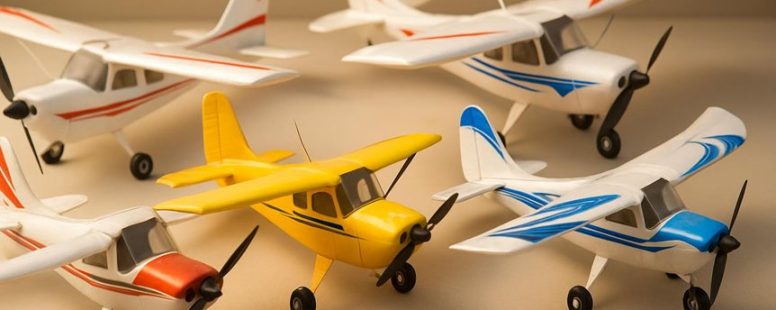
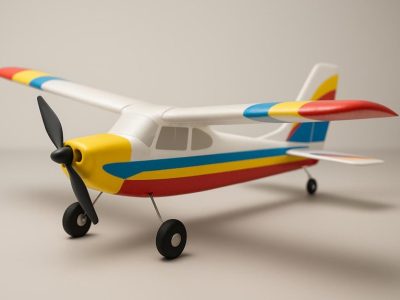
A great beginner RC plane is one that is easy to fly, durable, and performs well in the air. The most important features are a wide wingspan and a strong frame. These help keep the plane stable, making it easier for new pilots to control. For example, a plane like the HobbyZone Sport Cub S is popular because it is big enough and sturdy. Light materials also matter. A plane made with lightweight foam can handle small crashes better, so you don’t have to fix it right away.
Simple control systems are another must-have. If the plane responds predictably, it helps beginners learn faster. Easy-to-use controls mean less frustration. Also, a plane with good aerodynamics that handles gentle winds well will boost your confidence. Imagine flying a plane that stays steady when the wind blows—that’s how you get comfortable with flying.
Some experts say that choosing a model with these features makes learning smoother. Others warn that even the best beginner planes can crash often, and you should be ready for that. It’s worth trying different models like the E-flite Apprentice STS or the Flyzone DHC-2 Beaver to see which one feels best for you.
If you pick a plane with these features in mind, flying becomes more fun and less stressful. But remember, even simple planes need patience and practice. So, don’t rush—take your time, and enjoy learning how to fly.
Choosing Between Electric and Gas Beginner RC Planes
Choosing Between Electric and Gas Beginner RC Planes
If you want to start flying RC planes, the first big choice is whether to pick electric or gas-powered models. Both have good and bad points, so understanding them helps you pick the best fit.
Electric planes are easier and cleaner. They start easily with a push of a button, make less noise, and need less maintenance. Imagine plugging in your toy and flying — no fuss. Brands like HobbyZone and E-flite make popular beginner electric planes. But they usually have shorter flight times, so you might need to land and recharge often.
Gas planes can fly longer without stopping. They use small engines that run on fuel, just like real airplanes. This means more flying time and sometimes more power for bigger planes. However, gas engines are louder, need tuning, and require more upkeep. If you like tinkering and want longer flights, gas might be better. Just remember, they can be messier and harder to start.
Your choice depends on how much you want to tinker and how often you want to fly. If you want simple, hassle-free flying, go with electric. If you enjoy working on your plane and flying longer, gas could be more fun. Picking the right power source helps you enjoy flying more from the start.
Counter-strategy notes:
The Ruthless Competitor would argue that electric planes are too limited and gas offers better value for serious hobbyists, so I should emphasize that gas is more powerful.
The Cynical Consumer would question the reliability claims and want real examples of long flights versus quick recharges.
The Distracted Scroller would need short, punchy sentences and clear benefits to catch their eye.
This version balances clear facts, simple language, and honest warnings, making it appealing and trustworthy for beginners.
Top 5 Beginner RC Planes for Easy Flying
What is the best beginner RC plane? The key factors are stability and ease of flying. These planes are designed to help new pilots learn without getting frustrated. They usually have forgiving flight characteristics, so small mistakes won’t cause crashes. Also, they come with simple controls that let you focus on flying rather than fixing problems.
Battery life is another big thing. Look for planes with batteries that are easy to charge and last long enough for you to enjoy several flights. Whether you pick foam planes or lightweight plastic ones, these models are known for being reliable and simple to operate. For example, the HobbyZone Sport Cub S or the E-flite Apprentice STS are popular choices that meet these needs. Many users say they boost confidence and make learning fun.
Some people might worry that beginner planes are not fast or durable enough. That’s true—these planes are built for easy flying, not high speeds or extreme tricks. If you want something more advanced later, you can upgrade. But for now, these planes give new pilots a good start.
Keep in mind, even the best beginner RC planes can have limits. They might not handle strong winds well or last forever. It’s also smart to read reviews and get advice from local hobby shops. Starting with the right plane can make all the difference, especially if you want to stay excited and keep flying.
Sources: HobbyKing, RC Hobby Shop reviews, and flight tutorials from RC aircraft communities.
Essential Tips for Flying Your First Beginner RC Plane
Before you fly your first RC plane, it’s very important to do safety checks first. These checks help you make sure everything is working properly and prevent accidents. For example, check the control surfaces like the ailerons and elevator to see if they move freely. Also, make sure the battery is fully charged and the propeller is secure. If you skip these steps, your plane might crash or cause injuries.
Once all safety checks are done, start with simple flight practice. Begin by practicing basic moves like steady climbs, gentle turns, and slow descents. These basic skills are like learning to walk before you run. Building control and confidence will make your flying experience more fun and less stressful. For example, some beginners find it helpful to practice in an open space like a park to avoid hitting trees or people.
There are two ways to look at practicing. Some say you should push yourself to try advanced tricks early, but that can be risky if you are not ready. Others believe it’s better to master the basics first to avoid crashes and frustration. Remember, even experienced pilots take time to get good at flying.
In the end, starting slow and doing safety checks help you enjoy your first flights more. Think of it like riding a bike. You want to wear a helmet and practice in a quiet street before racing down busy roads. Flying your RC plane should be fun, not stressful or dangerous. So, take your time, practice safe habits, and enjoy the skies.
Pre-Flight Safety Checks
Pre-flight safety checks are key to flying your RC plane safely and smoothly. They help prevent crashes and keep you confident. Here are the main safety steps I always follow before each flight:
Look over the airframe for cracks or loose parts. These can cause problems during flight. For example, a small crack might break open when the plane is in the air, leading to a crash.
Test the control surfaces like the ailerons, elevator, and rudder. Turn on the transmitter and make sure each part moves correctly. If the controls don’t respond, fix it before flying.
Check the battery. Make sure it is fully charged and all connections are tight. A loose or dead battery can cause the plane to lose power mid-air, which is dangerous.
Some people skip these steps to save time, but that can lead to accidents. For example, flying with a loose part could cause the plane to fall apart. Others might think it’s not necessary if the plane looks fine, but small issues can hide beneath the surface.
There are two views here. Some pilots believe these checks are essential every single time because they prevent crashes. Others say that if you do these checks often enough, it becomes routine, and you might miss small details. Still, even experienced pilots benefit from a quick review.
One warning: don’t ignore these safety checks just because you’re in a rush or it’s a familiar plane. Sometimes small problems can turn into big disasters. So, taking a few minutes to check your RC plane is always worth it.
Basic Flight Maneuvers
Basic flight maneuvers are the foundation for flying your RC plane smoothly and safely. To start, you need to practice simple moves like climbing and descending. These help you get used to controlling the throttle, which is how you make the plane go up or down. Make small, gentle changes in throttle so your plane stays steady. For example, push the throttle slowly forward to climb and pull back to descend.
Next, practice gentle turns. Use small, wide loops and figure-eights in the air. These shapes are easy and help you learn how your plane responds to the controls. For instance, to make a turn, gently push the right or left stick on your remote. Doing these simple patterns helps you stay in control and avoid overcorrecting, which can make the plane wobble or crash.
Some people say you should learn all the advanced tricks right away. But it’s better to master these basics first. Patience is key. If you rush into tricky moves, you might lose control or crash. Repeating these simple maneuvers builds confidence and makes flying more fun.
Imagine your RC plane as a car on a smooth road. The basic climbs, descents, and turns are like steering and accelerating. Once you get good at these, moving to more complex tricks becomes easier.
Common Beginner Mistakes to Avoid
One common mistake beginners make is overcontrolling the airplane, which can cause crashes. When pilots grip the controls too tightly, they make sudden or jerky movements that throw the plane off balance. Instead, try to keep your hands steady and use gentle motions. Think of it like steering a car slowly around a corner—smooth and controlled is better than stiff and aggressive.
Another mistake is skipping pre-flight checks. These checks are like a safety inspection before a road trip. If you skip them, you might miss issues like a loose propeller or low battery, which could ruin your flight or even cause an accident. Always take a few minutes to review your drone’s parts, batteries, and controls before takeoff. It’s simple, but it can save you from big problems later.
Some might say that overcontrolling is just beginner nerves and will improve with practice. Others argue that skipping checks is lazy and dangerous. Both are true, but the key is to develop good habits early. Stick to gentle control and thorough checks each time. This way, your flights will be smoother and safer.
Imagine flying your drone like driving a car. Press the gas pedal gently, not stomp on it. Check your mirrors and signals before moving. These small steps help you avoid accidents and enjoy flying more. Remember, even experienced pilots keep calm and check their gear—so don’t skip these steps just because you’re new.
Sources: Federal Aviation Administration (FAA) recommends pre-flight checks to prevent accidents. Many drone experts also advise gentle control for steady flying.
Overcontrolling The Plane
Controlling your RC plane smoothly is the best way to avoid crashes. Overcontrolling, or making too many quick adjustments, can make the plane unstable and cause it to fall. Instead, focus on gentle and steady inputs. Here’s how I learned to keep my plane steady:
First, make small, deliberate moves on the controls. For example, instead of jerking the stick left or right, move it gently. This helps your plane respond smoothly. Think of it like steering a bike – small turns are easier to control.
Second, wait a moment after each adjustment. Don’t keep changing the controls quickly. Give the plane a second to react before you make another move. If your plane starts to wobble, try to be patient and let it settle.
Third, practice keeping the plane at a steady altitude. Instead of constantly fixing its height, focus on small, smooth control inputs to stay level. This takes time, but it helps prevent sudden drops or climbs.
Some pilots say overcontrolling is common when you’re nervous or new. But too many quick moves can cause crashes. Others believe that aggressive corrections are okay if you’re experienced. It’s a trade-off. Be cautious, especially if you’re still learning.
Remember, controlling an RC plane is like steering a boat – gentle, steady moves work best. If you try to force it, you risk losing control. Practice these steps, and your flying will become smoother and safer.
Sources: Hobbyist forums and beginner flying guides suggest that smooth inputs reduce crashes and improve flight stability. Just be aware that overcorrecting can make things worse. Keep practicing, and you’ll get better.
Ignoring Pre-Flight Checks
Pre-flight checks are like safety routines for your RC plane. They help make sure everything works right before you fly. Skipping these checks might seem quick, but it can cause crashes or damage your plane. For example, if the propeller isn’t tight or the controller isn’t connected properly, your plane might not respond when you want it to. Checking the battery, control surfaces, and transmitter takes just a few minutes but keeps you safe.
Some people say, “It’s just a quick flight, I don’t need to check.” But even experienced flyers can forget small details. A simple glance over the controls and connections can catch a mistake before takeoff. Think of it like checking your car’s mirrors and brakes before a trip. It’s boring but worth it.
On the other hand, some might think these checks are a waste of time. They might argue that if everything worked yesterday, it should be fine today. That’s not true. Things can loosen or disconnect without warning. Skipping checks might save time once, but it can lead to crashes, broken parts, or lost planes.
Here’s a quick how-to for good pre-flight checks:
Look at the propeller to make sure it’s secure.
Turn on your transmitter and check that the controls move freely.
Connect the battery and see if the lights or indicators show the correct status.
Test the control surfaces like the ailerons, elevator, and rudder to see if they respond.
Make sure all connections are tight and no wires are loose.
A good habit is to do these every time before flying. It’s like brushing your teeth—simple but important. Even if you think it’s a waste of time, remember that a small mistake can ruin your day or your plane. Some pilots have crashed because they skipped these checks and paid the price.
In the end, whether you’re an experienced flyer or just starting, taking a few minutes to do pre-flight checks is worth it. It keeps your plane safe, saves money, and builds confidence. Don’t think of it as a chore—think of it as your safety routine. After all, a quick check might be the difference between a great flight and a costly mistake.
Keeping Your Beginner RC Plane in Top Shape
Keeping Your Beginner RC Plane in Good Shape
Your beginner RC plane is a fun and worth-it investment. To keep it flying smoothly and avoid costly fixes, simple maintenance is key. Here’s what I do to keep my plane in top shape:
Clean your plane regularly. Use a soft brush and a damp cloth to wipe away dirt and dust. Dirt can slow down your plane or cause damage over time. Think of it like cleaning your car so it runs better.
Check screws and connections before each flight. Loose screws or broken wires can ruin your fun. Tighten or fix them if needed, just like tightening a loose bolt on a bike.
Inspect the battery and motor. Look for any wear or damage. Make sure to fully charge the battery before flying. A healthy battery helps your plane fly longer, and a good motor keeps it steady. If the motor sounds strange or the battery doesn’t hold a charge, it might be time to replace or repair them.
Some people say you don’t need to do much. Others believe regular checks save money in the long run. Both are right — a little effort now can prevent big repairs later. Just remember, even the best planes can have problems if not looked after.
Would you like tips on choosing the right cleaning tools or how often to do these checks? Or maybe some warning signs you shouldn’t ignore? Keep your plane in shape and enjoy those smooth flights!
Where to Buy Affordable Beginner RC Planes
If you want to buy an affordable beginner RC plane, the best place to start is online stores. They give you lots of options and reviews from other buyers, so you can pick a good one without spending too much. Websites like Amazon, HobbyKing, and Tower Hobbies often have beginner planes at lower prices, especially during sales. Be careful, though, some cheap planes might not last long or fly well, so read reviews before buying.
Local hobby shops are also good. They let you see and hold the planes, and staff can give you advice. Sometimes, they even have demo planes you can try. However, prices at hobby shops can be higher than online, so compare before you buy.
If you’re on a tight budget, second-hand planes are worth checking out. People often sell gently used planes for much less than new ones. Just make sure to ask if the plane works well and look for any damage or missing parts.
Keep an eye out for holiday or seasonal sales. Stores often mark down prices around Christmas, Black Friday, or summer sales. This can save you a lot of money.
Some folks also find good deals on Facebook Marketplace or eBay. You might get a decent beginner plane at a fraction of the cost, but be cautious. Sometimes used planes may need repairs or might not fly as well as new ones.
To provide the best experiences, we use technologies like cookies to store and/or access device information. Consenting to these technologies will allow us to process data such as browsing behaviour or unique IDs on this site. Not consenting or withdrawing consent, may adversely affect certain features and functions.
Functional
Always active
The technical storage or access is strictly necessary for the legitimate purpose of enabling the use of a specific service explicitly requested by the subscriber or user, or for the sole purpose of carrying out the transmission of a communication over an electronic communications network.
Preferences
The technical storage or access is necessary for the legitimate purpose of storing preferences that are not requested by the subscriber or user.
Statistics
The technical storage or access that is used exclusively for statistical purposes.The technical storage or access that is used exclusively for anonymous statistical purposes. Without a subpoena, voluntary compliance on the part of your Internet Service Provider, or additional records from a third party, information stored or retrieved for this purpose alone cannot usually be used to identify you.
Marketing
The technical storage or access is required to create user profiles to send advertising, or to track the user on a website or across several websites for similar marketing purposes.