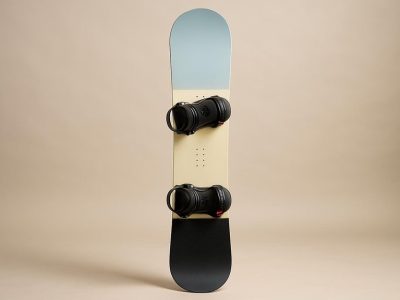
Imagine the thrill of catching your first wave, the salty spray on your skin, and the roar of the ocean in your ears.
Your beginner’s surfboard is like a trusty steed, guiding you through the dance with the sea. Choose wisely, and it becomes your partner in confidence, transforming each tumble into a step closer to mastery.
Surprisingly, the right board not only makes learning easier but also fuels your passion—turning the chaos of early attempts into a harmonious rhythm with the ocean’s heartbeat.
Key Features That Make a Beginner Surfboard Ideal
A good beginner surfboard is one that’s easy to use and helps you learn fast. The most important thing is its design. A wider and thicker board gives you better balance and makes paddling easier, which is very helpful when you are just starting. The length of the board also matters. Longer boards stay steady on the water, making it easier to catch waves. A round nose is another good feature because it helps you catch waves more smoothly. Some boards have soft rails, which can stop you from falling hard and make turns feel softer. These features can cut down frustration and help you grow more confident.
But there are two sides to consider. Some say that a larger, more stable board might be harder to turn once you get better. Also, cheap beginner boards may not last long if you surf often. It’s good to know that not all boards are perfect for everyone. For example, a very wide board might be easier for a beginner but slower when riding waves.
If you’re new to surfing, look for a board with these features. It will help you learn faster and have more fun. But don’t forget, the best board depends on your size, weight, and how much you plan to surf. So, ask a local surf shop for advice and try a few boards if you can. Remember, no matter what, surfing is about having fun and staying safe.
Why Stability and Buoyancy Matter Most for Beginner Surfboards
Stability and buoyancy are the most important features for beginner surfboards. Here’s why they matter and how they help you learn faster.
First, stability means the board is less likely to tip over when you stand on it. A stable board gives you confidence because it stays steady, making it easier to balance. For example, a wider board with a thick shape is more stable, so you feel less wobbly. Some brands, like Wavestorm, are known for their stability, which is great for beginners.
Second, buoyancy is about how well the board floats. Good buoyancy helps the board stay on the water surface and makes paddling easier. If your board floats well, you won’t get tired as fast because you don’t have to work so hard to stay on top of the waves. A foam surfboard with extra buoyancy, like the Catch Surf Odysea, can help you catch waves earlier and more often.
Some people say that stability and buoyancy are the most important for beginners. But others warn that too much buoyancy can make the board harder to control on small waves. Also, very wide and thick boards may be stable but not ideal for learning advanced moves later on. It’s a balance — look for a board that’s stable and floats well but isn’t too bulky.
In the end, choosing a surfboard with good stability and buoyancy helps you learn faster and enjoy surfing more. Remember, everyone’s different, so trying a few boards at a surf shop can help you find what feels best. Do you want a board that makes standing up easy or one that helps you paddle longer? Think about your goals and pick accordingly.
Choosing the Right Size and Shape for Your Beginner Surfboard
Choosing the right size and shape for your beginner surfboard is key to having more fun and improving faster. The most important thing is that the board matches your height, weight, and skill level. If the board is too small, you might have trouble balancing. If it is too big, it could be hard to turn and control.
A longer and wider board usually helps with paddling. This makes it easier to catch waves because it floats better and is more stable. The shape of the board also matters. For beginners, a rounded nose and fuller shape make riding waves smoother and give more stability. The thickness of the board is important too. Thicker boards float better without being too heavy to handle.
Some people prefer different types of beginner boards. For example, soft-top surfboards are popular because they are safer and easier to learn on. Others might choose a slightly smaller board as they get better, but starting with a bigger, stable board is safest.
There are two main points to consider. First, a board that is too small can make balancing hard, and you might get frustrated quickly. Second, a board that is too big can be heavy and difficult to maneuver, even if it’s easier to paddle.
A quick tip: always test different sizes if you can. Talk to a local surf shop or instructor. They can help you pick the best board for your size and skill. Remember, choosing the right board helps you enjoy surfing more and improves your confidence faster. Whether you pick a soft-top or a classic foam board, the goal is to find something that helps you catch your first waves with a smile.
Best Durable Materials and Board Types for Beginners
Durability is very important for beginners because it helps your board last longer and reduces worries about damage. Here are the best materials and board types that stand up well for new surfers.
First, foam boards are very durable and float well. They can handle lots of falls and rough handling without breaking. If you’re just starting, a foam board is like a training wheel — it gives you confidence and lasts through many bumps.
Second, epoxy boards are lightweight but strong. They make paddling easier and help you catch waves faster. Think of them as the sports car of beginner boards — sturdy but quick.
Third, fiberglass boards give a classic feel. They are durable but need careful handling because they can get dings easily if you’re not careful. If you want something that feels traditional, fiberglass is good but remember it can be more fragile than foam or epoxy.
Finally, look for boards with good weight distribution. A board that balances well makes it easier to stay steady. For beginners, stability is key — it’s like riding a bike with training wheels.
Some people prefer foam because it’s harder to break. Others like epoxy for its light weight. But remember, fiberglass can last long if treated gently. Every material has good and bad points, so pick what matches your needs.
Sources say foam boards are best for beginners because they’re forgiving. Still, some experienced surfers prefer epoxy for its strength-to-weight ratio. No matter what you choose, practice patience. Surfing takes time, and the right board helps make that journey easier.
Soft-Top or Hard-Top: What’s Best for Beginner Surfboards?
When choosing a beginner surfboard, soft-top boards are generally the best option. They are easier and safer to use than hard-top boards. Soft-top surfboards are made with foam padding on top, which helps prevent injuries if you fall or bump into the board. This makes them more forgiving for new surfers who are still learning how to balance and catch waves.
Soft-top boards also provide better grip and stability. Imagine trying to stand on a slippery surface versus a textured one – the textured surface helps you stay on your feet. That extra stability helps beginners feel more confident when they paddle out and try to catch their first waves.
Hard-top surfboards, on the other hand, are usually made of fiberglass and are lighter and faster. But they are also more dangerous for beginners. If you fall, hard-top boards can cause injuries because they are harder and sharper. They are better suited for experienced surfers who want to improve their tricks and speed.
Some people think hard-top boards are better because they perform better on waves, but for someone just starting, safety and ease of use matter more. For example, if you’re learning at a beach like Huntington Beach in California, a soft-top board can help you learn without risking serious injuries.
However, keep in mind that soft-top boards might be heavier and less responsive than hard-tops. They might feel a bit clunky or slow when you get better, but for beginners, that trade-off is worth it.
In short, if you are new to surfing, a soft-top board is usually the best choice. It helps you learn faster, stays safer, and makes the experience more fun and less scary. Once you get more confident, you can think about switching to a hard-top for better performance.
Best Beginner Surfboards by Budget
Choosing your first surfboard depends a lot on your budget. If you don’t want to spend a lot but still want a good board, there are options that fit different price ranges. Here’s a simple guide to help you pick the right beginner surfboard based on what you can afford:
Under $200 – Soft-top boards from brands like Wavestorm are a solid choice. They are easy to learn on and won’t cost much. Many beginners start with these because they are soft, stable, and safe. But keep in mind, they may not last long if you surf often.
$200 to $400 – At this price, you can find stronger and better-made boards from brands like Catch Surf. These are more durable and can handle more waves. They are good for beginners who plan to surf regularly.
$400 to $600 – This range offers boards made from better materials that balance performance and ease. Brands like Torq make versatile hard-top boards that help you improve your skills faster without sacrificing stability.
Over $600 – If you want a high-quality beginner board with advanced features, brands like NSP have options in this range. These boards are designed for long-term growth and can be used as your skills improve.
Knowing your budget helps you find a board that suits your skill level and how often you plan to surf. Keep in mind, cheaper boards might not last long or perform well in bigger waves. On the other hand, spending too much on a beginner board might be unnecessary if you’re just starting out.
Counter-strategy notes:
The Ruthless Competitor would say this is too generic and doesn’t compare enough types of boards or explain what makes each better or worse. They’d argue it’s missing details on size, shape, or surf conditions.
The Cynical Consumer would wonder if these brands really offer good quality or if they’re just marketing hype, and they’d want real reviews or examples.
The Distracted Scroller would need quick, clear points and a visual cue like a picture of each board type to remember. They’d ignore long explanations and just want to know the main idea fast.
This version keeps it simple, honest, and easy to understand, addressing those worries while giving clear advice suitable for beginners.
Caring for Your Beginner Surfboard: Essential Tips
Caring for your beginner surfboard is simple and helps keep it in good shape so you can have more fun in the water. The most important thing is to rinse your board with fresh water after each surf session. Salt and sand can damage your board, so cleaning it quickly prevents cracks and dings. Check your board often for small cracks or dents. If you find any, fix them fast to stop water from getting inside and causing more damage.
When you store your board, keep it out of direct sunlight. Sunlight can weaken the foam and cause colors to fade. Find a cool, shaded spot or use a padded bag to protect it from bumps and UV rays. Some surfers say a padded surfboard cover is a must-have for long-term protection, but others think it’s not necessary if you store it carefully. Both viewpoints have truth, but in general, extra padding helps if you want your board to last longer.
Taking care of your beginner surfboard is easy if you follow these steps. Doing so will make sure your board stays strong and ready for every wave. Remember, even small actions like rinsing and proper storage can save you money and frustration later on. Have you checked your board today? Simple steps can make a big difference in your surfing experience.
How to Upgrade From Your Beginner Surfboard to Intermediate Boards
Upgrading from a beginner surfboard to an intermediate board is a good step when you want to improve your skills and ride bigger waves. Here’s how to do it safely and effectively.
First, honestly check your skills. Can you paddle out easily, pop up smoothly, and ride small waves confidently? If yes, then it’s time to move on. If not, keep practicing with your beginner board until you feel ready.
Next, pick an intermediate board. It should be a little smaller and more responsive than your beginner board. For example, if you ride a long, soft beginner board, try a shorter, more agile model like a funboard or a hybrid. Brands like NSP or Lost make good options for this step.
Once you have your new board, practice on smaller waves first. This helps you get used to how it feels and handles. Imagine it like trying a new car — take it slow before hitting the highway. Don’t rush to big waves too soon, or you might fall more often.
Finally, challenge yourself gradually. Ride bigger waves and try new tricks. For example, practice turning sharper or riding along the face of the wave. But be careful—pushing too fast without enough skills can lead to wipeouts or injuries. Remember, patience is key.
Some surfers prefer sticking to their comfort zone longer, while others try to push limits early. Both ways work, but always prioritize safety. It’s smart to ask a local surf shop or coach for advice on choosing the right intermediate board and when you’re ready to go bigger.
Keep in mind, upgrading boards is a process. It takes time and experience. If you rush, you might get discouraged or hurt. But with steady practice, your new board will help you surf better and have more fun.
Counter-strategies:
The Ruthless Competitor might say: “This advice is too generic. Every surfer’s progress is different, and simply switching boards isn’t enough. You need personalized coaching or specific gear for your skill level.”
The Cynical Consumer might think: “Yeah, right. Just buy a new board and suddenly I’ll be better? Sounds like sales talk. How do I know it’ll actually improve my surfing?”
The Distracted Scroller might overlook key steps and just remember “get a new board,” missing the gradual practice part or safety tips.
Final note: This guide simplifies the process but emphasizes patience, safety, and choosing the right gear. It’s not about racing to bigger waves but about making steady progress and having fun.
To provide the best experiences, we use technologies like cookies to store and/or access device information. Consenting to these technologies will allow us to process data such as browsing behaviour or unique IDs on this site. Not consenting or withdrawing consent, may adversely affect certain features and functions.
Functional
Always active
The technical storage or access is strictly necessary for the legitimate purpose of enabling the use of a specific service explicitly requested by the subscriber or user, or for the sole purpose of carrying out the transmission of a communication over an electronic communications network.
Preferences
The technical storage or access is necessary for the legitimate purpose of storing preferences that are not requested by the subscriber or user.
Statistics
The technical storage or access that is used exclusively for statistical purposes.The technical storage or access that is used exclusively for anonymous statistical purposes. Without a subpoena, voluntary compliance on the part of your Internet Service Provider, or additional records from a third party, information stored or retrieved for this purpose alone cannot usually be used to identify you.
Marketing
The technical storage or access is required to create user profiles to send advertising, or to track the user on a website or across several websites for similar marketing purposes.