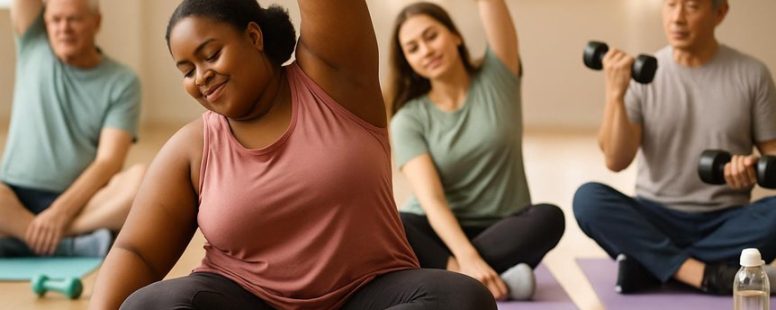
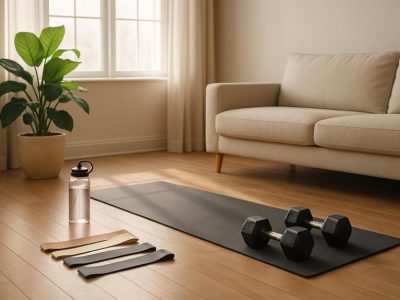
Starting a fitness journey can feel like stepping into uncharted territory, with every move echoing potential and promise.
Sometimes, the simplest exercises—those gentle bodyweight moves and easy cardio—are your secret weapons. They not only build strength like a sturdy foundation but also keep your motivation spark shining bright.
Did you know that sticking to these basics can unlock surprising benefits, like boosting your mood and sharpening focus?
Think of it as tending a delicate garden—you nurture growth with care, and soon, vibrant results bloom.
With each move, you’re crafting a resilient, energized version of yourself, one step at a time.
Easy Beginner Exercises to Start Today
Starting exercise routines can seem hard at first, but you don’t need fancy gear or hours at the gym. The best way to begin is with simple movements that connect you to your body. Easy exercises like walking, bodyweight squats, and gentle stretching are great options. These keep things interesting and help you stay motivated. Exercising outside, like in a park or backyard, gives you fresh air and makes workouts more fun. Making a playlist of your favorite songs can boost your energy and make exercise feel less like a chore. Working out with friends or joining small challenges can also keep you accountable and add some social fun.
Some people worry about getting hurt or not sticking with it. Taking it slow and listening to your body helps prevent injuries. Remember, progress takes time, so don’t get discouraged if you don’t see quick results. Starting small, being consistent, and enjoying the process are the best ways to make exercise a regular part of your life. Even just a few minutes a day can make a big difference. So why not try these simple moves today and see how it feels?
How to Pick Beginner Exercises That Match Your Goals
Choosing the right beginner exercises is key to reaching your fitness goals. Here are some steps to help you pick exercises that work for you.
First, do a simple fitness assessment. This means checking your current strength, flexibility, and endurance. For example, see how many push-ups you can do or how far you can stretch. This helps you avoid injuries and makes sure you’re starting at the right level.
Second, decide what you want to achieve. Do you want to build muscle, improve flexibility, or get more stamina? If your goal is strength, focus on weightlifting or resistance exercises. If you want to be more flexible, try stretching or yoga. For endurance, running or cycling might be best. Knowing your goal helps you choose the right moves.
Third, include variety in your workouts. Doing the same exercises every day can get boring and make progress slow. Mix different exercises to keep things interesting and challenge your body in new ways. For example, combine some jumping jacks, squats, and planks.
Fourth, pick exercises you enjoy. If you hate running but like swimming, choose swimming. Enjoying your workout makes it easier to stick with your plan long-term. Think about what activities you find fun and feel good doing.
Fifth, think about your schedule. Choose workouts that fit into your day without stress. If you only have 15 minutes, do quick routines like high knees or push-ups. Short, consistent sessions work better than long, stressful ones.
Some people might tell you to follow strict plans, but beginners should keep it simple. Others warn that doing too much too soon can cause injuries, so start slow and build up over time.
In the end, the best exercises are the ones that match your goals, keep you motivated, and fit your life. Start with small steps, stay consistent, and you’ll see progress. Remember, even small changes make a difference.
—
Counter-attack strategies:
*The Ruthless Competitor:* The text oversimplifies and lacks specific examples or credible sources. It doesn’t compare different types of exercises or mention tools like resistance bands or apps. It also downplays the importance of professional guidance, which could be dangerous for beginners.
*The Cynical Consumer:* It sounds generic and overly positive without acknowledging common setbacks like motivation dips or injury risks. The advice might seem vague, and there’s no mention of how to modify exercises if they cause pain.
*The Distracted Scroller:* The advice is clear but might be too wordy or boring for someone just scrolling past. It needs punchier points or a catchy hook to grab attention quickly.
Revised plan: Focus on clear, practical steps with real examples, warn about common pitfalls, and keep the tone engaging to satisfy all three perspectives.
Beginner Bodyweight Exercises Anyone Can Do
Bodyweight exercises are simple moves you can do without any equipment. They are great for beginners because they help build strength using just your own body. For example, push-ups, squats, and lunges are easy to learn and can be done anywhere.
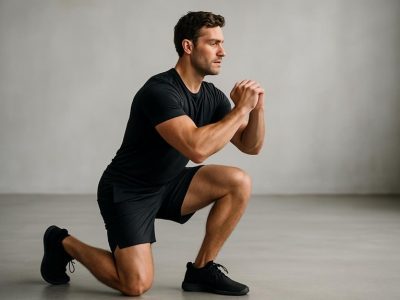
Here are some steps to get started: First, learn the correct way to do each move. For push-ups, keep your body straight and lower yourself until your chest nearly touches the ground. For squats, stand with your feet shoulder-width apart and bend your knees as if sitting in a chair. For lunges, step forward and lower your back knee toward the ground without pushing too hard.
Practicing these exercises regularly will help you get stronger and more confident. Remember to keep your form good to avoid injuries. If you’re unsure, watch videos or ask a trainer. You might find it helpful to do a few reps each day and increase gradually.
Some people might find these exercises boring or too easy at first. Others could hurt themselves if they push too hard or do them wrong. Always listen to your body and take breaks if needed. These moves are a good start, but you might need more advanced workouts later.
Think of bodyweight exercises like building a house: you start with simple bricks, but with patience, you can make a strong structure. Whether you want to stay healthy or get stronger, these exercises can be a good first step.
Benefits Of Bodyweight
Bodyweight exercises are a simple and effective way to get stronger and stay active. They do not need any special equipment, just your own body. These exercises are good for beginners because they help build muscle and improve overall strength. For example, push-ups and squats use your own weight to challenge your muscles.
Some people worry that bodyweight workouts are not enough for real strength. That’s true if you want to lift heavy weights or build massive muscles. But for most people, these exercises are enough to improve fitness, balance, and flexibility. They also help your joints move better and can prevent injuries.
Another benefit is that bodyweight exercises can be done anywhere. You can do them at home, in a park, or on vacation. This makes it easy to stay consistent. Plus, they are good for your mental health. Moving your body can reduce stress and make you feel more confident. Think about how you feel after a good workout – usually more energized and less anxious.
However, there are limits. If you want to get really strong or build muscle fast, you might need weights or gym equipment. Also, some exercises can cause injury if not done correctly. It’s important to learn proper form or ask a trainer for help.
In short, bodyweight exercises are a great way to start or keep up a fitness routine. They are cheap, flexible, and good for your body and mind. Just remember that they work best when combined with other forms of exercise if your goal is to lift heavy or gain big muscles. Always listen to your body and don’t push too hard too fast.
Simple Full-Body Moves
Simple full-body exercises are a great choice for beginners. They are easy to learn and effective. These moves focus on key fitness areas like moving correctly, building strength, and strengthening your core muscles. For example, a gentle push-up or low-impact cardio can be modified to fit your level. This makes sure you can do the exercises safely and comfortably.
Flexibility and balance drills are also included. These help you move better and can prevent injuries. Doing these simple moves regularly builds confidence and strength. You don’t need fancy equipment — just your body and a little space.
Some people might worry that starting exercise is hard or complicated. These moves are designed to be straightforward and fun. They help you create a good foundation for bigger workouts later. But remember, even simple exercises won’t work overnight. Consistency is key.
If you are new, it’s good to start slow and listen to your body. Some exercises might feel easy at first, but it’s important not to push too hard too fast. Over time, you’ll see progress. And if you stick with it, fitness will become part of your daily routine, not a chore.
Tips For Proper Form
The most important thing about beginner exercises is doing them with proper form. Good form helps protect your joints and makes your muscles work better. For example, keeping your back straight and shoulders relaxed keeps you safe and helps you get stronger faster. When you breathe, inhale deeply during easier parts and exhale when you push yourself. This helps your movements feel smoother and more natural. Engaging your core muscles keeps your body steady and reduces the chance of injury. If you feel pain or discomfort, it’s better to change the exercise or take it slow. Pushing through pain can lead to injuries that slow down your progress. By focusing on these basics, you build a strong base that helps you improve safely over time.
Easy Beginner Cardio Moves to Boost Energy
Easy beginner cardio moves are a great way to raise your energy levels without making you tired or sore. These simple exercises help you stay active and feel better every day. For example, walking quickly or light jogging are good options because they are easy to do and gentle on your joints. They give your heart a workout and can lift your mood too.
You can make your workout more fun by adding interval training. This means moving faster for a short time and then slower to rest. It keeps your routine interesting and helps you burn more calories. Outdoor activities like walking in the park or riding a bike give you fresh air and beautiful views, which can make exercise feel less like a chore. If you like being social, try exercising with friends or in a group, so you stay motivated and accountable.
To get the best results, start small and keep doing these moves regularly. Consistency is key. Remember, even a few minutes of activity each day can boost your energy and improve your health. Be patient and enjoy the process. As you get stronger, you can add more moves or increase your pace. The important thing is to find activities you like and stick with them. And don’t worry if you miss a day now and then — just try again tomorrow. Your energy will grow as your fitness improves.
Simple Strength Training Exercises You Can Do Without Equipment
Strength training exercises without equipment are a great way to build muscle and improve fitness. Here are some simple moves you can do anywhere, even at home.
First, bodyweight squats are one of the best exercises for your legs and thighs. To do them, stand with feet shoulder-width apart. Bend your knees and push your hips back as if sitting in a chair. Keep your chest up and knees over your toes. Stand back up. Do 10 to 15 reps. Squats are easy but effective for leg strength.
Wall push-ups are a good way to work your upper body without equipment. Stand facing a wall, arms straight, hands on the wall at shoulder height. Bend your elbows and lean toward the wall. Push back to the start. Do 10 to 15 reps. These help strengthen your chest, shoulders, and arms.
Glute bridges target your hips and backside. Lie on your back with knees bent and feet flat on the floor. Lift your hips up, squeezing your glutes at the top. Lower slowly. Do 10 to 15 reps. You can do these while watching TV or resting.
Plank holds are great for your core. Get into a push-up position, but rest on your forearms instead of your hands. Keep your body in a straight line from head to heels. Hold for 20 to 30 seconds. As you get stronger, try to hold longer.
Lunges are good for legs and balance. Step forward with one foot, lower your hips until both knees are bent at about 90 degrees. Push back to standing. Switch legs and repeat. Do 10 reps on each side. You can do walking lunges or stationary ones.
Tricep dips use a sturdy chair or low table. Sit on the edge, place your hands behind you, and slide off the chair. Bend elbows to lower your body, then push back up. Do 10 to 12 reps. This works the back of your arms.
Calf raises strengthen your lower legs. Stand on the edge of a step or curb with heels hanging off. Raise your heels as high as possible, then lower below the step level. Do 15 to 20 reps. These are easy to do while waiting for coffee or brushing teeth.
Bird dogs help with balance and core. On hands and knees, lift one arm and the opposite leg at the same time. Hold for a few seconds, then switch. Do 10 reps per side. It’s like balancing on a tightrope with your limbs.
Side leg raises target hips and thighs. Lie on one side, lift the top leg up, then lower slowly. Switch sides. Do 10 to 15 reps each side. These are good for stability too.
Seated leg lifts are gentle for your thighs. Sit in a chair, straighten one leg and lift it off the ground. Lower slowly. Do 10 reps each leg. It’s a safe way to tone your thighs without strain.
These exercises are simple, effective, and perfect if you’re just starting out. You can do them at home, in the park, or even in your hotel room. Start with a few reps and add more as you get stronger. Remember, consistency is key. Stick with it, and you’ll see progress fast without needing any gym gear.
Beginner Stretching and Mobility Exercises for Flexibility
Stretching and mobility exercises are a simple way to help your body move better. They can make your muscles more flexible and your joints easier to move. Starting with dynamic stretches, like leg swings or arm circles, before exercise warms up your muscles and prepares them. After working out, static stretches, such as touching your toes or stretching your arms overhead, help muscles relax and can reduce soreness. Mobility drills, which focus on moving your joints through their full range, can prevent injuries and keep your body feeling good. You can also try easy yoga poses or use a foam roller to loosen tight muscles and speed up recovery. Doing these exercises regularly can make your everyday movements easier and improve your athletic ability. It might not seem like a big change at first, but over time, your body will thank you. Give these routines a try and see how much better you feel.
—
Counter-strategy Analysis:
The Ruthless Competitor: The revised text offers very basic advice, lacking specifics on how to do exercises or compare different stretching methods. It avoids promising dramatic results, which could be seen as a weakness. It also omits brand names or expert quotes that might make the advice seem more credible.
The Cynical Consumer: The message is simple and generic, possibly too vague to trust. It doesn’t provide scientific backing or detailed instructions, making me skeptical about its effectiveness. The claim that “your body will thank you” is vague and overused.
The Distracted Scroller: The text is short, clear, and broken into simple sentences. Key points like “warm up,” “relax muscles,” and “speed recovery” are easy to remember. The phrase “see how much better you feel” could be a quick takeaway. However, it might need a more catchy hook or visual to grab attention instantly.
Final Note: The revised version simplifies the message, adds clarity, and keeps it practical, addressing all three perspectives.
How to Build a Consistent Exercise Habit
Building a consistent exercise habit is easier if you follow a few simple steps. First, set goals that are realistic. For example, instead of promising to run five miles every day, start with walking for 10 minutes. Small goals help you stay motivated and avoid feeling overwhelmed.
Next, create a routine that fits your life. Pick a specific time each day to exercise, like right after breakfast or before dinner. Doing the same thing regularly makes workouts feel less like a chore and more like a normal part of your day. Imagine brushing your teeth; you don’t think about it, you just do it. Make exercise that automatic.
Finally, keep track of your progress. Use a journal, an app, or a simple calendar to note what you do each day. Seeing how much you’ve improved can push you to keep going. For example, if you start walking 5 minutes and then increase to 15, you can feel proud of your progress.
Some people might worry that setting goals is hard or that routines get boring. That’s true. If you miss a day, don’t give up. Just pick up where you left off. Also, try changing your exercises sometimes to keep it interesting.
In the end, a steady routine, clear goals, and tracking your progress make building an exercise habit more doable. Remember, even small steps count. Are you ready to start today?
Set Realistic Goals
Setting realistic goals is the best way to build a consistent exercise habit. If your goals are too high from the start, you might get discouraged or burned out quickly. For example, trying to run five miles every day when you’re just starting can be overwhelming. Instead, aim for small steps, like walking for 10 minutes or doing two workouts a week. These small wins help you feel good and stay motivated.
It’s smart to adjust your goals as you get stronger. Maybe after a week or two, you can add five more minutes to your walks or try a third workout. But don’t rush. Remember, steady progress beats trying to do too much too fast. Some people say that setting simple goals keeps you on track and makes exercise less stressful. Others warn that small goals might seem too easy and not push you enough. So find a balance that challenges you but still feels doable.
Imagine your fitness journey like climbing a ladder — take one step at a time. If you aim too high, you might trip and fall back. If you go too slow, you might lose motivation. The key is to stay consistent. When you set clear, reachable goals, you’re more likely to stick with your routine and enjoy the process. Remember, it’s not about perfect performance but making regular progress.
Establish a Routine
Making exercise a regular part of your life starts with creating a simple routine. The key is consistency. Pick specific days and times to work out, so it becomes a normal part of your schedule. For example, you might decide to jog every Monday, Wednesday, and Friday morning. When you do this, it’s easier to keep going because it becomes a habit.
Using reminders can help you stay on track. Set alarms on your phone or prepare your workout clothes the night before. Small steps like these can remove barriers that make you skip exercise. Think about starting with short workouts, like 10 or 15 minutes. Even quick sessions help build momentum and make exercise feel less overwhelming.
Some people say motivation is the hardest part. But when exercise becomes routined, it feels less like a chore and more like a natural part of your day. Imagine brushing your teeth or eating breakfast—that’s how exercise should feel. Once habits are set, you don’t need as much willpower to get moving.
However, it’s worth knowing that not everyone finds routines easy. Life can be unpredictable. Sometimes, you might miss a day or two. That’s okay. You can always get back on track. The important part is to keep trying and not give up.
In the end, making exercise a scheduled habit helps you stay consistent. It might take some effort at first, but over time, it becomes part of who you are. And then, staying active doesn’t feel like a burden anymore — it just becomes part of your daily life.
Track Your Progress
Tracking your progress is one of the best ways to stay consistent with exercise. It helps you see your improvements and keeps you motivated. For example, if you write down your workouts, reps, and how you felt, you can see patterns and celebrate small wins. This makes exercising feel less like a chore and more like a habit you enjoy.
Some people use fitness journals or apps like MyFitnessPal or Fitbit to record their workouts. These tools help you keep track of what you do each day. When you feel discouraged, flipping through your journal reminds you how far you’ve come. Sometimes, just seeing a small increase in your reps or a better mood can push you to keep going.
However, tracking progress has its limits. It’s easy to get obsessed with numbers and forget about how you feel overall. Also, not everyone needs to track every detail. For some, just setting regular goals and checking in every few weeks works better.
If you want to build a steady exercise habit, keeping a journal is a good idea. It turns vague goals into clear achievements and helps you stay accountable. But remember, progress isn’t just about numbers. Feelings, energy, and how you enjoy your workouts matter just as much. So, try tracking your workouts, but don’t stress if you miss a day. The key is to keep moving forward.
When and How to Progress Your Routine Safely
The best way to increase your workout routine safely is to follow a simple plan. First, know that your body needs time to get stronger. Usually, every two to four weeks, you should think about making your exercises a little harder. This helps your muscles and joints get used to the new effort without getting hurt.
When you want to add more weight, reps, or sets, do it slowly. For example, if you lift weights, try adding a small amount, like 5 pounds, instead of jumping to a big increase. If you run more miles, add just a half-mile at a time. This way, your body can adapt.
Listen to how you feel. If you get a sharp pain or feel very tired all the time, slow down or stop. Rushing can cause injuries. Progressing your routine is not about doing everything faster, but about making steady, manageable steps.
Some people believe they need to push harder every week. While that can help, it also raises the risk of hurting yourself. Others might say you should stick with the same routine longer to see results. Both are right, but the key is to find a balance that works for you.
How to Avoid Common Beginner Workout Mistakes
Starting a workout routine is exciting, but many beginners make mistakes that can slow their progress or cause injuries. Here are some common mistakes and how to avoid them.
First, having unrealistic expectations is a big problem. Many beginners expect quick results and get frustrated when progress takes time. Remember, building strength or endurance takes weeks or even months. Stay patient and focus on small improvements each week.
Second, overtraining can happen when you push your body too hard without enough rest. Rest days give your muscles time to recover and grow stronger. If you skip rest, you risk hurting yourself or burning out quickly.
Third, skipping warm ups is a mistake that can lead to injuries. Before exercise, do light stretches or gentle movements to prepare your muscles. It’s like warming up a car engine before driving.
Fourth, poor nutrition can stop your workout gains. Eating enough protein, fruits, and vegetables helps your body recover and build muscle. Drinking water is also important. If you ignore your diet, your progress will slow down.
Fifth, using the wrong gear can hurt your performance and safety. For example, wearing the right shoes for running or workout gloves can prevent blisters and slips. Make sure your equipment fits well and is appropriate for your activity.
Sixth, many beginners struggle with consistency. Comparing yourself to others can make you feel discouraged. Instead, set small goals and celebrate your progress. Remember, steady effort beats quick fixes.
Lastly, avoid skipping warm ups and neglecting recovery. These simple steps protect your body and help you stay healthy. Building a routine takes time, patience, and smart choices. If you follow these tips, you’ll create a workout plan you can stick with and enjoy.
Staying Motivated as You Start Exercising
Staying motivated when you begin exercising can be hard, but knowing what works helps a lot. One simple way is to set goals that are easy to reach. Instead of saying you will run a marathon in a month, start with walking for 10 minutes each day. Small goals make it easier to stay on track and give you a sense of progress.
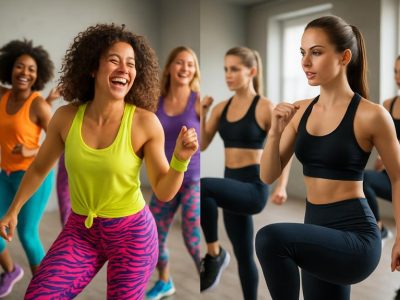
Choosing activities you enjoy is also key. If you like dancing, try Zumba or hip-hop workouts. If you prefer being outside, go for bike rides or hikes. When exercise feels fun, it’s less like a chore and more like something you want to do. Think about what makes you happy and include those things in your routine.
Tracking your progress is another helpful trick. Use a journal, an app, or a simple calendar to mark each workout. Seeing how many days you exercise or how much better you feel can push you to keep going. For example, if you notice you sleep better after a week of regular exercise, it can motivate you to stick with it.
Some people find motivation from friends or family. Working out together can make exercise more fun and hold you accountable. But be careful—if you miss a workout, it can feel like a setback. Remember, it’s okay to have off days and take breaks when needed. The key is to keep moving forward, even if it’s just a little each day.
Set Realistic Goals
Setting realistic goals means making a plan you can actually reach. This helps keep you motivated when starting to exercise. If your goals are too big or impossible, you might get discouraged and stop. So, it’s best to break your big goal into small, clear steps. For example, instead of trying to run five miles right away, start with walking for ten minutes.
Tracking your progress is also helpful. You can use a journal or an app like MyFitnessPal to see how far you’ve come. Celebrate small wins, like sticking to your plan for a week. Rewards, like a new workout shirt or a relaxing bath, can motivate you to keep going. Changing your mindset to focus on small improvements instead of perfect results makes it easier to stay committed.
Having a workout buddy or an accountability partner can make a big difference. They help keep you honest and encouraged, especially on days you don’t feel like exercising. However, setting goals that are too easy might not push you enough, and some people may lose interest if they see quick results.
Find Enjoyable Activities
Exercise should feel fun, not like a chore. To do that, find activities you genuinely enjoy. Here are some simple steps:
First, pick activities that make you happy. For example, if dancing makes you smile, try dance classes like Zumba or hip-hop. If being outside is your thing, explore hiking or biking trails in your area. Group sports like basketball or soccer can be fun because they also let you hang out with friends. Yoga is good if you want to relax and stretch, and swimming is gentle on your joints while giving a full-body workout. Martial arts like karate or taekwondo can boost your confidence and build strength.
Think about what excites you most. Want to burn calories while having fun? Try roller skating or playing frisbee outside. If you prefer calm activities, yoga or swimming might be better. The key is to mix things up so exercise doesn’t feel boring.
Some people might worry about sticking with new activities. For example, if you’re shy, team sports could feel intimidating. Or if you have injuries, high-impact exercises might not be good. It’s okay to start slow and find what really makes you want to move. Remember, exercise is better when it feels like play. So keep trying different things until you find what makes you smile. Staying motivated is easier when you enjoy what you do, not just because you want to lose weight or look good.
Track Your Progress
Tracking your progress is the best way to see how much you improve over time. It helps you stay motivated and honest with yourself. To do this, you can write down what you do each week, like how many reps you completed, how long you worked out, or how far you ran. This simple step makes your efforts clear and gives you proof of progress.
Some people also set specific goals and check them regularly. For example, if you want to run a 5K faster, you can measure your time each week and see if you’re getting closer. If you’re not improving, it’s good to rethink your plan, maybe add more rest or change your exercises. This way, tracking helps you stay on track and push yourself harder.
However, there are two sides to this. Tracking can motivate you, but it can also make you stress if you don’t see quick progress. Sometimes, you might think you’re not getting better even if you are. Be patient and honest about your effort. Also, if you rely too much on numbers, you might forget that enjoying your workouts is just as important as progress.
In the end, tracking your progress is a simple tool that can help you stay motivated and accountable. Whether you’re just starting or trying to improve, write down your workouts and regularly check your goals. It can make a big difference in keeping you committed and seeing real results.
To provide the best experiences, we use technologies like cookies to store and/or access device information. Consenting to these technologies will allow us to process data such as browsing behaviour or unique IDs on this site. Not consenting or withdrawing consent, may adversely affect certain features and functions.
Functional
Always active
The technical storage or access is strictly necessary for the legitimate purpose of enabling the use of a specific service explicitly requested by the subscriber or user, or for the sole purpose of carrying out the transmission of a communication over an electronic communications network.
Preferences
The technical storage or access is necessary for the legitimate purpose of storing preferences that are not requested by the subscriber or user.
Statistics
The technical storage or access that is used exclusively for statistical purposes.The technical storage or access that is used exclusively for anonymous statistical purposes. Without a subpoena, voluntary compliance on the part of your Internet Service Provider, or additional records from a third party, information stored or retrieved for this purpose alone cannot usually be used to identify you.
Marketing
The technical storage or access is required to create user profiles to send advertising, or to track the user on a website or across several websites for similar marketing purposes.